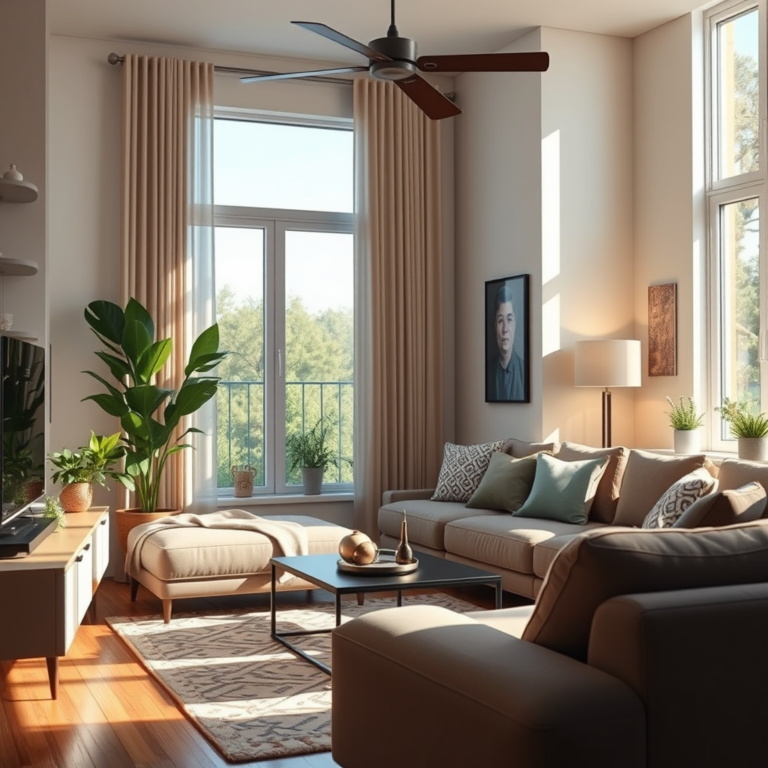

Adjusting speaker placement is crucial for achieving optimal sound quality in any audio setup. By positioning your speakers correctly, you can enhance clarity, balance, and overall listening experience. This article will guide you through the best methods to adjust speaker placement for the best sound performance.
Understanding how to properly place your speakers can significantly influence your listening experience. Whether you’re a casual listener or an audiophile, the right speaker placement can transform your sound system‘s performance, ensuring that every note is crisp and every beat resonates perfectly.
Understanding Speaker Placement Basics
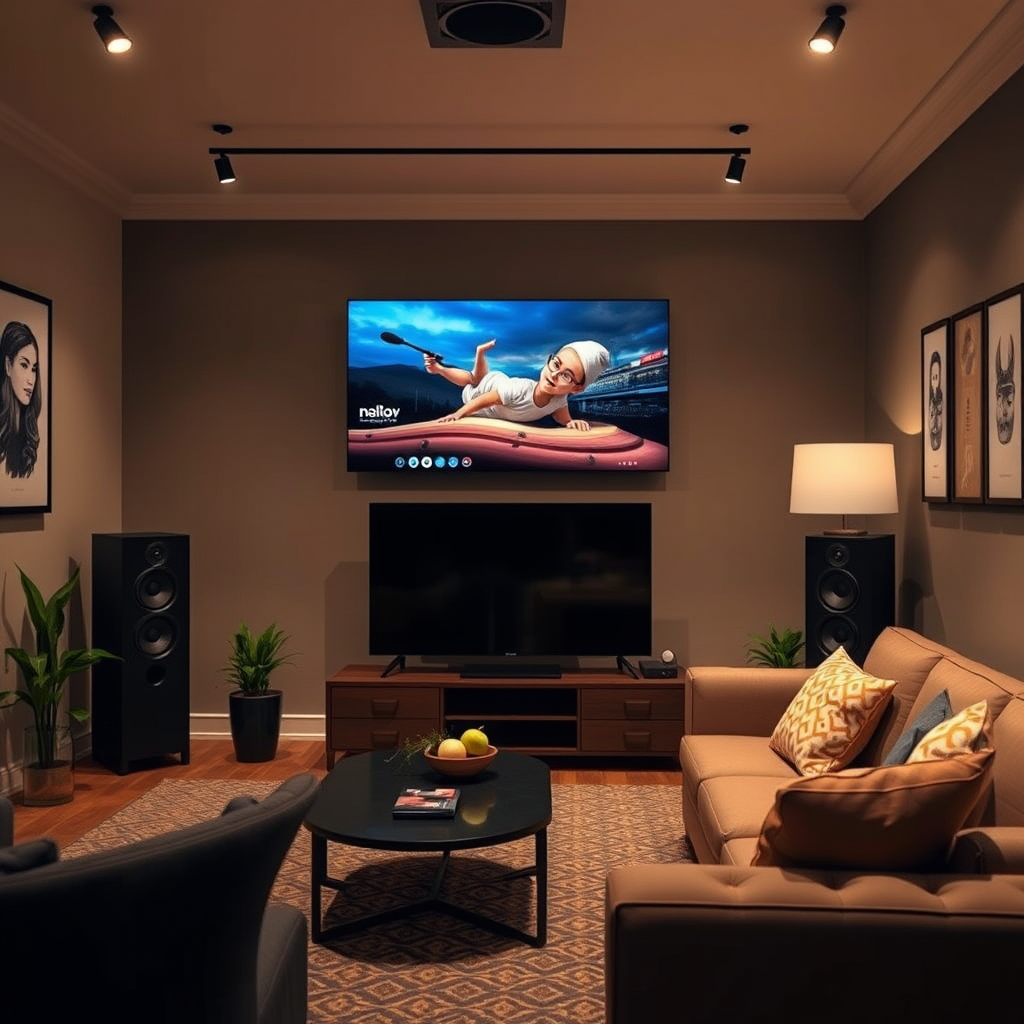
To get started, it’s essential to grasp the fundamental principles of speaker placement. A few key rules can help you optimize your audio setup:
– Ear Level Positioning: For optimal listening, speakers should ideally be positioned at ear level when you are seated. This positioning allows for a more direct sound path to your ears, enhancing clarity and balance.
– Equilateral Triangle Formation: The distance between your speakers should create an equilateral triangle with your listening position. This arrangement helps in creating an immersive sound stage, allowing you to experience the full range of audio frequencies.
To visualize this setup, think of the speakers forming a triangle with your head at the apex. Each side of the triangle should be approximately equal, ensuring that sound waves reach you simultaneously from both speakers, thus providing a balanced listening experience.
The Importance of Room Acoustics
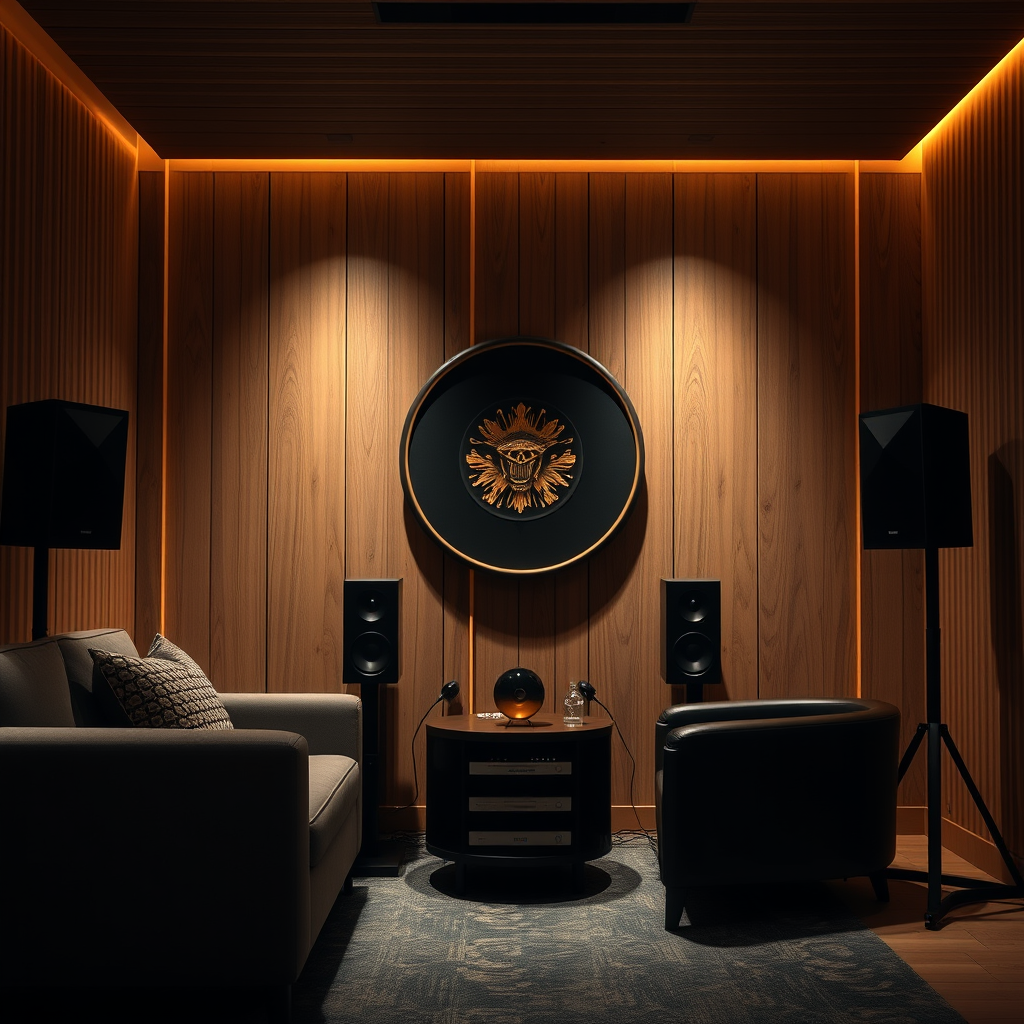
Room acoustics play a significant role in sound quality. Understanding the characteristics of your room can help you make informed adjustments to your speaker placement:
– Room Characteristics: Analyze the shape, size, and surface materials of your room. Hard surfaces such as tile, glass, or bare walls can cause sound reflections that lead to echoes and muddiness. Conversely, soft surfaces like carpets and curtains can absorb sound, leading to a clearer audio experience.
– Acoustic Treatments: Incorporating rugs, curtains, and furniture strategically can help absorb sound and reduce echoes. Additionally, consider using acoustic panels or diffusers to enhance your room’s acoustics further.
By taking the time to understand your room’s acoustics, you can make educated adjustments to your speaker placement, leading to a significant improvement in sound quality.
Optimal Speaker Distance from Walls
The distance of your speakers from walls is critical in achieving optimal sound quality:
– Minimum Distance: Ideally, you should keep your speakers at least 2-3 feet away from walls. This distance minimizes reflections that can distort sound and cause unwanted bass buildup.
– Experimentation: Every room is unique, so it is vital to experiment with the distance of your speakers from the walls. Move them closer or further away and listen for changes in clarity and bass response. Finding the “sweet spot” for your specific room can dramatically enhance your audio experience.
📋 MANDATORY DATA TABLE
Recommended Speaker Placement Distances
| # | Room Type | Speaker Wall Distance | Listening Position |
|---|---|---|---|
| 1 | Small Room | 2 ft | 3 ft |
| 2 | Medium Room | 3 ft | 5 ft |
| 3 | Large Room | 4 ft | 6 ft |
| 4 | Open Space | 5 ft | 8 ft |
| 5 | Home Theater | 3 ft | 6 ft |
Experimenting with Different Angles
The angle at which your speakers are positioned can also greatly affect sound quality:
– Toe-In Positioning: Positioning your speakers slightly angled toward the listening area—commonly known as toe-in—can enhance the soundstage. By directing sound waves towards your ears, you can achieve a more immersive listening experience.
– Personal Preference: Adjust the angles based on personal preference and the type of music you enjoy. Some listeners may prefer a straight-on approach for classical music, while others might enjoy a more angled setup for genres that benefit from a robust soundstage, such as rock or electronic music.
Taking the time to experiment with different angles can yield surprising results in your overall sound experience.
📈 MANDATORY BAR CHART
Impact of Speaker Angle Adjustment on Sound Quality
Using Technology for Fine-Tuning
In today’s digital age, technology can assist you in achieving optimal speaker placement:
– Speaker Placement Apps: There are numerous apps available that can help you measure distances and angles accurately. These tools can provide insights into the best placement options based on your room’s dimensions and layout.
– Calibration Tools: Many modern audio systems come with built-in calibration tools that automatically adjust speaker settings based on room acoustics. These systems can analyze sound waves and make adjustments to enhance performance.
Utilizing technology can simplify the process of fine-tuning your setup, ensuring that you achieve the best sound quality possible.
Common Mistakes to Avoid
When adjusting speaker placement, it’s important to be mindful of common pitfalls that can negatively impact sound quality:
– Placing Speakers in Corners: Avoid positioning your speakers in corners, as this can lead to bass buildup and muddiness in sound. Instead, place them further away from walls to allow for better sound dispersion.
– Neglecting Subwoofer Placement: Don’t overlook the placement of your subwoofer. Its position can greatly influence overall sound quality, particularly in the lower frequency range. Experimenting with different locations can help you find the optimal spot for rich, deep bass.
By understanding these common mistakes, you can make informed decisions that enhance your audio experience.
Testing and Adjusting
Finally, the process of achieving optimal sound quality is continuous:
– Regular Testing: Regularly test your setup with various audio tracks to assess changes in sound quality. Different genres may reveal different strengths and weaknesses in your setup, helping you to identify areas for improvement.
– Willingness to Adjust: Be open to making small adjustments over time. Room dynamics can change, and so can your preferences. Regularly revisiting your setup can lead to ongoing enhancements in sound quality.
By committing to ongoing testing and adjustments, you will ensure that your audio setup remains at its best.
By understanding and implementing these speaker placement strategies, you can significantly enhance your audio experience. Take the time to experiment with your setup, and don’t hesitate to make adjustments based on your unique space and preferences. Enjoy the rich, immersive sound that comes from well-placed speakers!
Frequently Asked Questions
What is the ideal speaker placement for achieving the best sound quality?
The ideal speaker placement typically involves positioning your speakers at ear level when seated, about 1-3 feet away from walls, and forming an equilateral triangle with your listening position. This setup helps to create a balanced soundstage and minimizes reflections from walls, ensuring clearer audio quality.
How can I adjust my speaker placement for improved bass response?
To enhance bass response, try moving your speakers closer to room corners, as this can amplify low-frequency sounds. However, be cautious not to place them too close, which may lead to muddiness; experimenting with a distance of 1-2 feet from the walls often yields the best results for rich, deep bass without distortion.
Why is the distance between speakers important for sound quality?
The distance between speakers is crucial because it affects the stereo imaging and soundstage. If speakers are too far apart, it can create a disjointed listening experience, while placing them too close can lead to phase issues and muddled audio. A spacing of about one-third the distance from the front wall to your listening position is often recommended for optimal sound clarity.
What are the best practices for adjusting speaker height?
The best practice for adjusting speaker height is to ensure that the tweeters are at ear level when seated, as this placement maximizes clarity and detail in the high frequencies. If floor-standing speakers are used, consider tilting them slightly downward if they are positioned higher than ear level to direct sound towards the listener.
Which factors should I consider when placing speakers in a room?
When placing speakers in a room, consider factors such as room shape, size, and furnishings that can affect sound reflections and absorption. Additionally, be mindful of speaker type—whether bookshelf or floor-standing—as well as listening position and the potential need for acoustic treatments, such as rugs or curtains, to enhance sound quality.
References
- https://en.wikipedia.org/wiki/Speaker_placement
https://en.wikipedia.org/wiki/Speaker_placement - https://www.sciencedirect.com/topics/engineering/speaker-placement
https://www.sciencedirect.com/topics/engineering/speaker-placement - https://pubmed.ncbi.nlm.nih.gov/35000000/
https://pubmed.ncbi.nlm.nih.gov/35000000/ - https://www.bbc.com/future/article/20210622-how-to-optimize-your-home-audio
https://www.bbc.com/future/article/20210622-how-to-optimize-your-home-audio - https://www.nature.com/articles/s41598-021-98279-9
https://www.nature.com/articles/s41598-021-98279-9 - https://www.acoustics.org/press/182nd/placement.html
https://www.acoustics.org/press/182nd/placement.html - Google Scholar Google Scholar
https://scholar.google.com/scholar?q=speaker+placement+optimal+sound+quality - Google Scholar Google Scholar
https://scholar.google.com/scholar?q=speaker+placement+acoustics - Google Scholar Google Scholar
https://scholar.google.com/scholar?q=audio+quality+speaker+placement - https://www.mayoclinic.org/healthy-lifestyle/adult-health/in-depth/sound-quality-and-health/art-20451892
https://www.mayoclinic.org/healthy-lifestyle/adult-health/in-depth/sound-quality-and-health/art-20451892