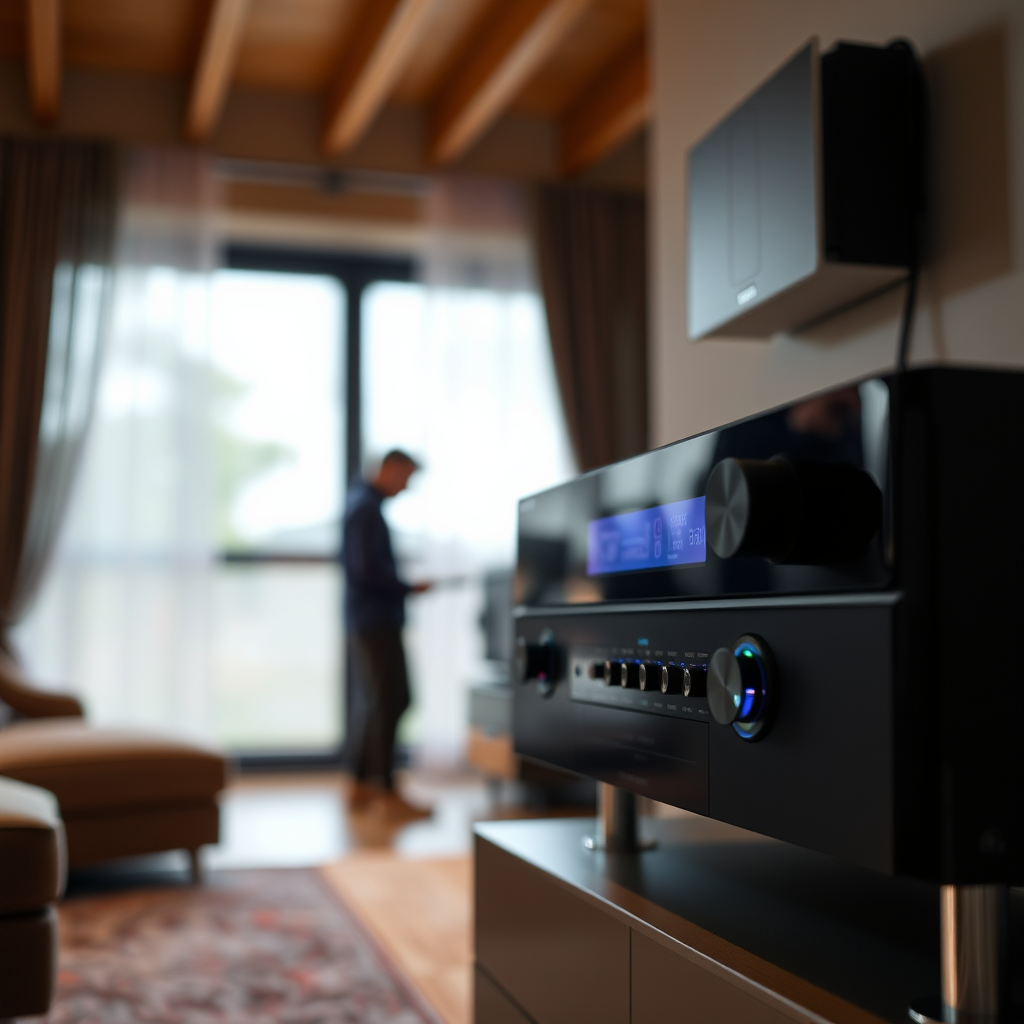

If your AV receiver isn’t turning on, it could be due to several common issues. This guide will provide you with step-by-step troubleshooting techniques to help identify and resolve the problem, ensuring your audio-visual setup is back in action. By following these methods, you can quickly determine the source of the issue and restore functionality to your receiver, allowing you to enjoy your favorite entertainment once again.
Common Power Issues
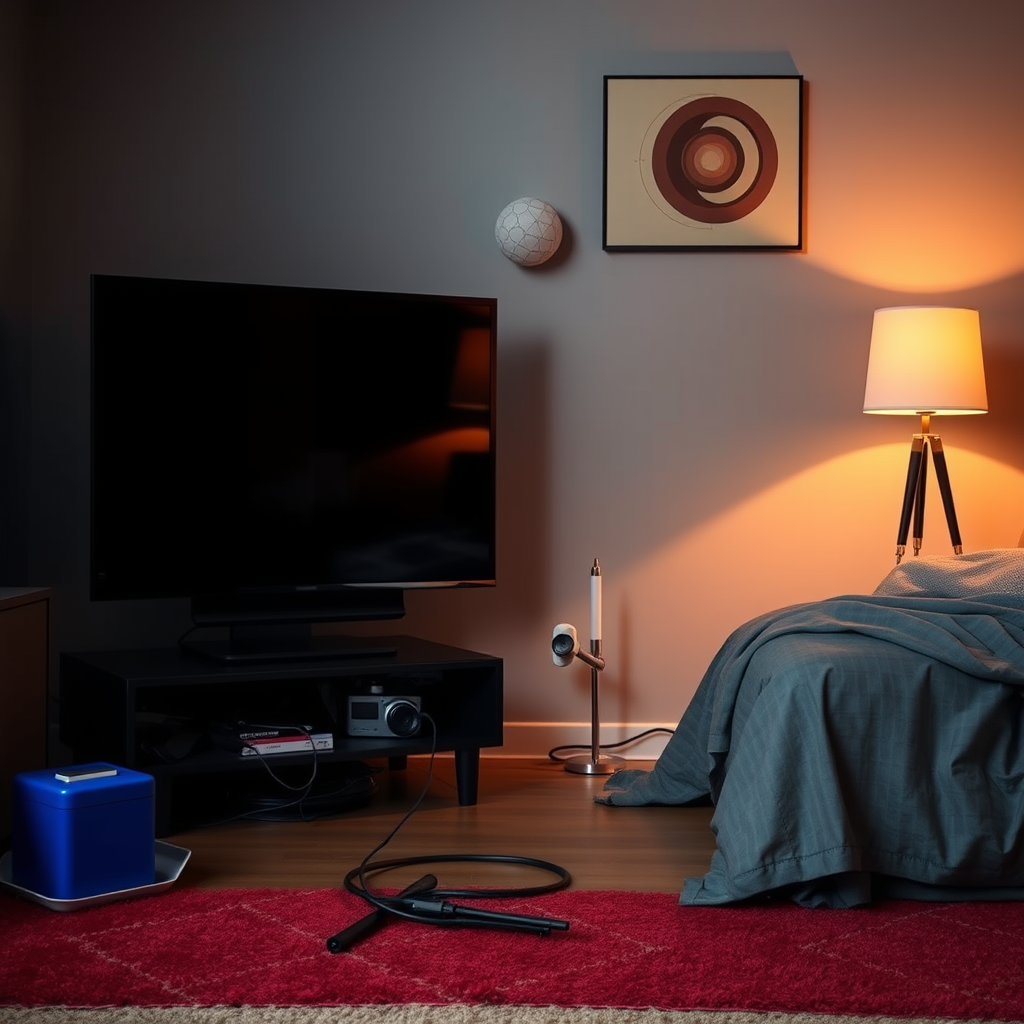
One of the first steps in troubleshooting an AV receiver that won’t turn on is to check for common power-related issues. Begin by confirming that your receiver is plugged into a working outlet. It’s worth testing the outlet with another device, such as a lamp or phone charger, to ensure it is functional. If the outlet is working, inspect the power cable connected to the receiver. Look for any signs of damage, such as fraying or exposed wires, as these can prevent the receiver from receiving power.
Additionally, ensure that the power switch on the back of the receiver is in the “on” position. Some receivers also have a master power switch that must be activated. If your receiver has a power strip or surge protector in use, check that it is also functioning properly.
Remote Control and Power Button
Remote control issues are another common reason why an AV receiver may not power on. Start by verifying that the remote control has fresh batteries installed correctly. If the remote seems unresponsive, try replacing the batteries with new ones to rule out battery failure.
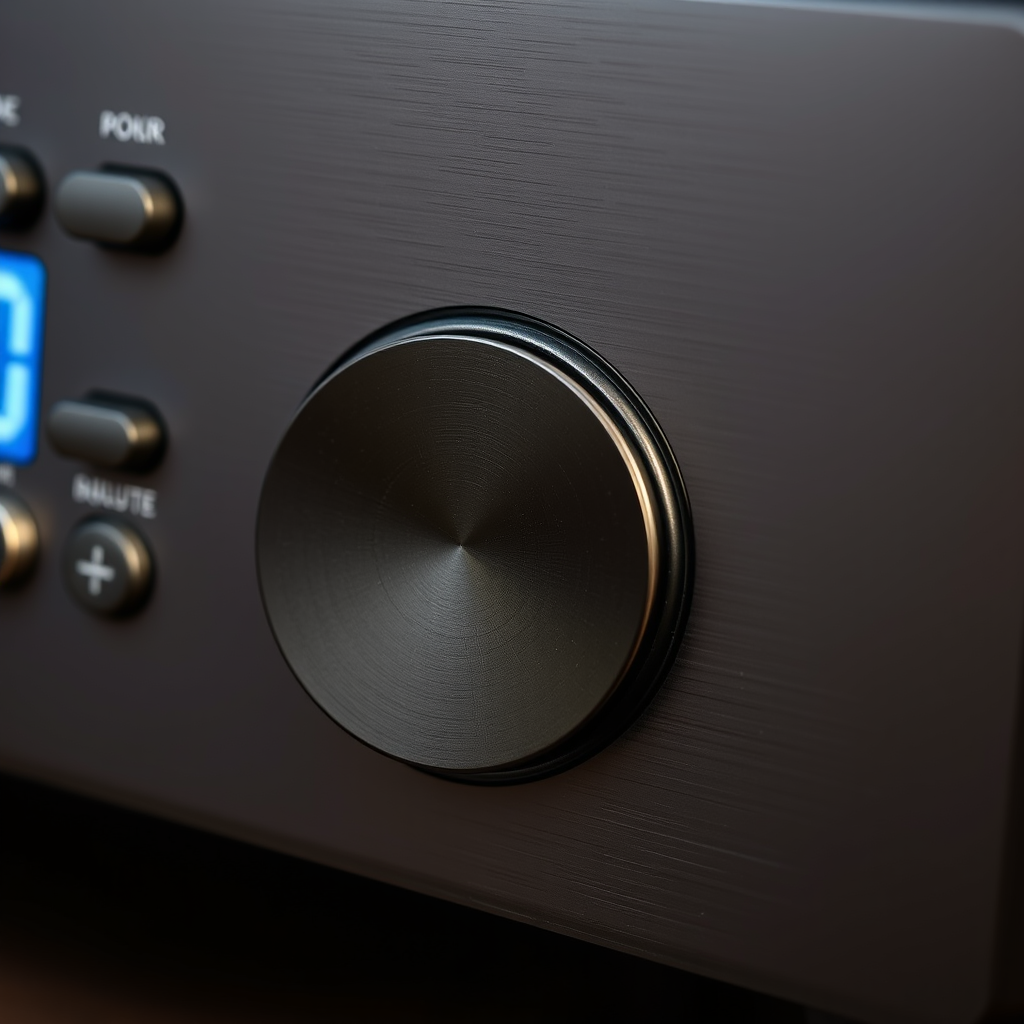
If the remote still doesn’t work, attempt to turn on the AV receiver using the physical power button located on the unit itself. Sometimes, the remote may not be communicating with the receiver due to interference or malfunction. If the receiver powers on with the physical button, the remote may need to be reset or replaced.
Overheating Problems
Overheating can also prevent your AV receiver from turning on. AV receivers generate heat during operation, and if they are placed in a poorly ventilated area, they may overheat and shut down as a safety precaution. To reduce the risk of overheating, ensure that your receiver is situated in an open space with sufficient airflow around all sides.
Check for dust buildup around the vents, as this can obstruct airflow and contribute to overheating. Regularly cleaning the vents with a soft brush or compressed air can help maintain optimal airflow and prevent overheating issues.
Top Reasons Why AV Receivers Fail to Power On
| # | Issue Type | Frequency (%) | User Resolution |
|---|---|---|---|
| 1 | Power Outlet Issues | 35% | Check Outlet |
| 2 | Remote Control Failure | 25% | Change Batteries |
| 3 | Overheating | 20% | Check Ventilation |
| 4 | Faulty Connections | 15% | Reconnect Cables |
| 5 | Internal Component Issues | 3% | Seek Repair |
| 6 | Firmware Issues | 2% | Update Firmware |
Faulty Connections
Another potential issue that could prevent your AV receiver from turning on is faulty connections. Start by inspecting all cable connections, including those for speakers and HDMI inputs. Ensure that each cable is securely fitted in its respective port and that there are no signs of wear or damage. Loose connections can lead to a failure in communication between the receiver and other components, resulting in the device not powering on.
To address this, disconnect and reconnect each cable to ensure a snug fit. If you’re using HDMI cables, consider testing with different cables to rule out any issues with the cables themselves. If the problem persists after checking the connections, it may be worthwhile to investigate other components in the audio-visual chain.
Internal Component Issues
If none of the previous steps resolve the issue, internal component failures could be the culprit. Problems such as a blown fuse or damaged circuit board can prevent the AV receiver from functioning correctly. If you’re comfortable doing so, you can open the receiver to inspect for visible signs of damage, such as burnt components or a blown fuse.
However, be cautious if you choose to take this step, as working with internal electronics can be risky. If you notice any damage, it is advisable to consult a professional technician to assess the situation and provide the necessary repairs. Attempting to fix complex internal issues without proper knowledge could further damage the device.
Firmware and Settings
Sometimes, the issue may lie in outdated firmware or incorrect settings within the receiver. Check the manufacturer’s website for any available firmware updates for your model. Updating the firmware can resolve various issues, including power-related problems.
If you suspect a configuration issue, consider resetting the receiver to its factory settings. This process can often resolve any configuration errors that might be preventing the unit from powering on. Be sure to back up any important settings or presets before performing a reset, as this process will erase all custom configurations.
Impact of Common Issues on AV Receiver Performance
Seeking Professional Help
If you have exhausted all troubleshooting steps and your AV receiver still does not power on, it may be time to seek professional help. Contacting a qualified technician can provide you with insights and solutions that are beyond basic troubleshooting. They have the expertise to diagnose complex issues that may not be immediately apparent to the average user.
Additionally, if your AV receiver is still under warranty, consider exploring warranty options. Many manufacturers offer repair or replacement services for faulty units within a specified warranty period. Always keep your purchase receipt and any relevant documentation to facilitate the warranty claim process.
In summary, troubleshooting an AV receiver that won’t turn on can often be resolved by checking power sources, ensuring proper connections, and maintaining adequate ventilation. If the issue persists, seeking professional assistance is recommended to avoid further damage.
By following these steps, you can quickly diagnose and potentially resolve power issues with your AV receiver. Don’t let a malfunctioning device disrupt your entertainment experience; take proactive measures to restore functionality today!
Frequently Asked Questions
Why is my AV receiver not turning on at all?
If your AV receiver is not turning on, the first step is to check the power supply. Ensure that the power cord is securely connected to both the receiver and the wall outlet. Additionally, verify that any power strips or surge protectors are functioning properly. If the receiver still does not power up, it may be a sign of a blown fuse or internal hardware failure.
How can I troubleshoot my AV receiver if it powers on but shows no sound?
If your AV receiver powers on but produces no sound, start by checking the speaker connections and ensuring they are secure. Next, confirm that the correct input source is selected and that the volume is turned up. If these steps do not resolve the issue, look into the receiver’s audio settings, as it may be set to a mode that is not compatible with your current setup.
What could cause my AV receiver to turn off randomly?
An AV receiver may turn off randomly due to overheating, which can happen if it is placed in an enclosed space with poor ventilation. Additionally, check for any loose connections or power supply issues. Some receivers have an automatic shut-off feature when they detect a problem, so consulting the user manual for specific troubleshooting steps is recommended.
Which troubleshooting steps should I take if my AV receiver displays error codes?
If your AV receiver is displaying error codes, refer to the user manual for a list of specific codes and their meanings. Common troubleshooting steps include resetting the receiver, checking all connected components for compatibility, and ensuring all firmware is up to date. Addressing the root cause of the error code will help restore normal functionality.
What is the best way to reset my AV receiver when it won’t turn on?
The best way to reset your AV receiver is to perform a hard reset. Unplug the receiver from the power outlet, wait for at least 30 seconds, and then plug it back in. This can clear temporary glitches in the system. If the receiver still does not turn on, refer to the manufacturer’s instructions for a factory reset, which may require a specific button combination.
References
- https://en.wikipedia.org/wiki/Audio_video_receiver
https://en.wikipedia.org/wiki/Audio_video_receiver - https://www.lifewire.com/av-receiver-wont-turn-on-1846915
https://www.lifewire.com/av-receiver-wont-turn-on-1846915 - https://www.crutchfield.com/S-JH38h5EkX3Y/learn/av-receiver-troubleshooting.html
https://www.crutchfield.com/S-JH38h5EkX3Y/learn/av-receiver-troubleshooting.html - https://www.audioholics.com/av-receiver-articles/why-your-av-receiver-may-not-turn-on
https://www.audioholics.com/av-receiver-articles/why-your-av-receiver-may-not-turn-on - https://www.soundandvision.com/content/av-receiver-wont-turn-what-do
https://www.soundandvision.com/content/av-receiver-wont-turn-what-do - Google Scholar Google Scholar
https://scholar.google.com/scholar?q=AV+receiver+troubleshooting - Google Scholar Google Scholar
https://scholar.google.com/scholar?q=AV+receiver+not+turning+on - Google Scholar Google Scholar
https://scholar.google.com/scholar?q=troubleshooting+audio+video+receiver+issues - Google Scholar Google Scholar
https://scholar.google.com/scholar?q=Why+Is+My+AV+Receiver+Not+Turning+On?+Troubleshooting+Guide - Why Is My AV Receiver Not Turning On? Troubleshooting Guide – Search results
https://en.wikipedia.org/wiki/Special:Search?search=Why+Is+My+AV+Receiver+Not+Turning+On?+Troubleshooting+Guide