
Optimizing your sound system for movie watching enhances the overall cinematic experience, allowing you to immerse yourself in the action and sound design. By carefully adjusting your audio settings, speaker placement, and room acoustics, you can significantly improve sound quality. In this article, you’ll discover essential tips and techniques to create the best sound environment for your home theater.
Understand Your Sound System
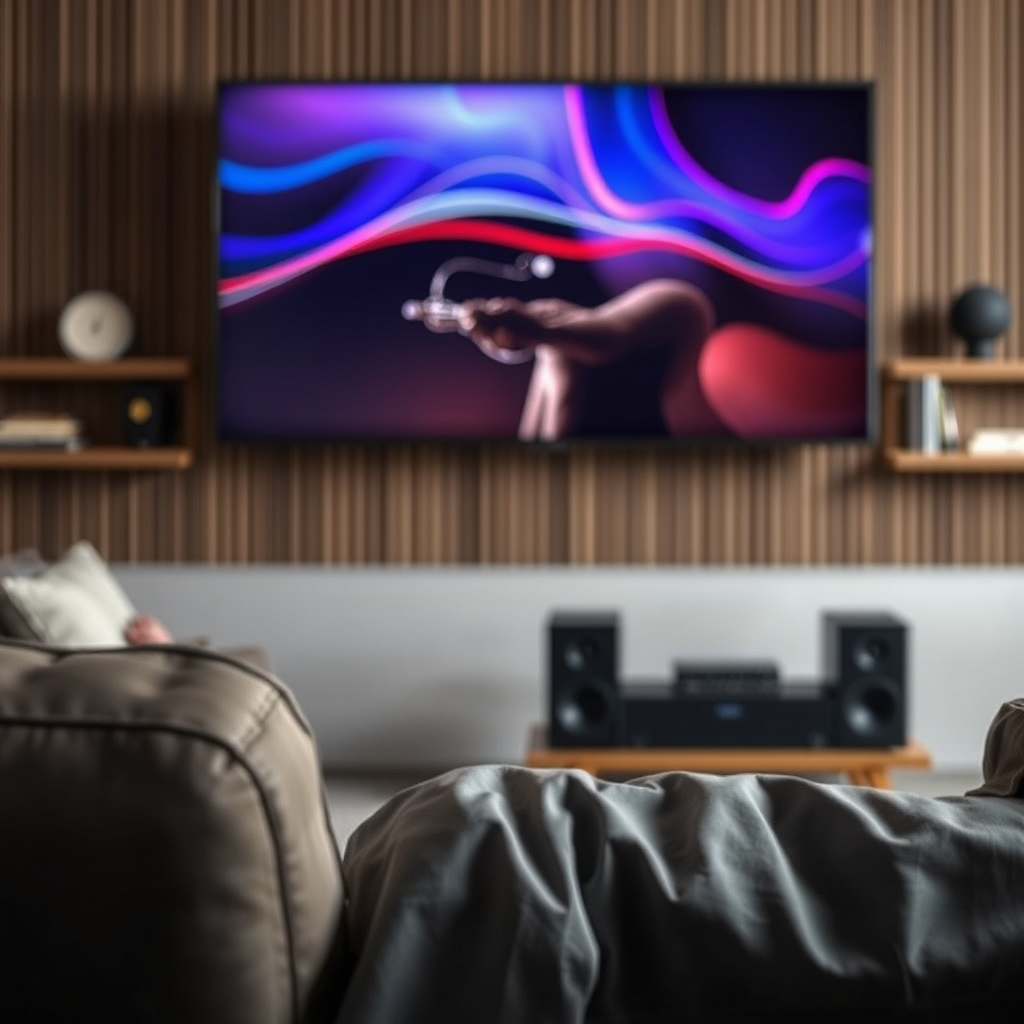
To achieve optimal audio quality, it is crucial to familiarize yourself with your sound system. This includes understanding the various components such as speakers, receivers, and the different sound formats available. Most modern home audio systems support various surround sound formats, including Dolby Atmos, DTS:X, and traditional 5.1 or 7.1 surround sound.
Knowing the specifications and capabilities of your system is equally important. For instance, if your receiver supports 4K passthrough and HDR, integrating these features can help you achieve a more immersive visual experience alongside enhanced audio. Additionally, recognizing the impedance and power requirements of your speakers will ensure that you are not pushing your system beyond its limits, which could lead to distortion and damage.
Speaker Placement Strategies
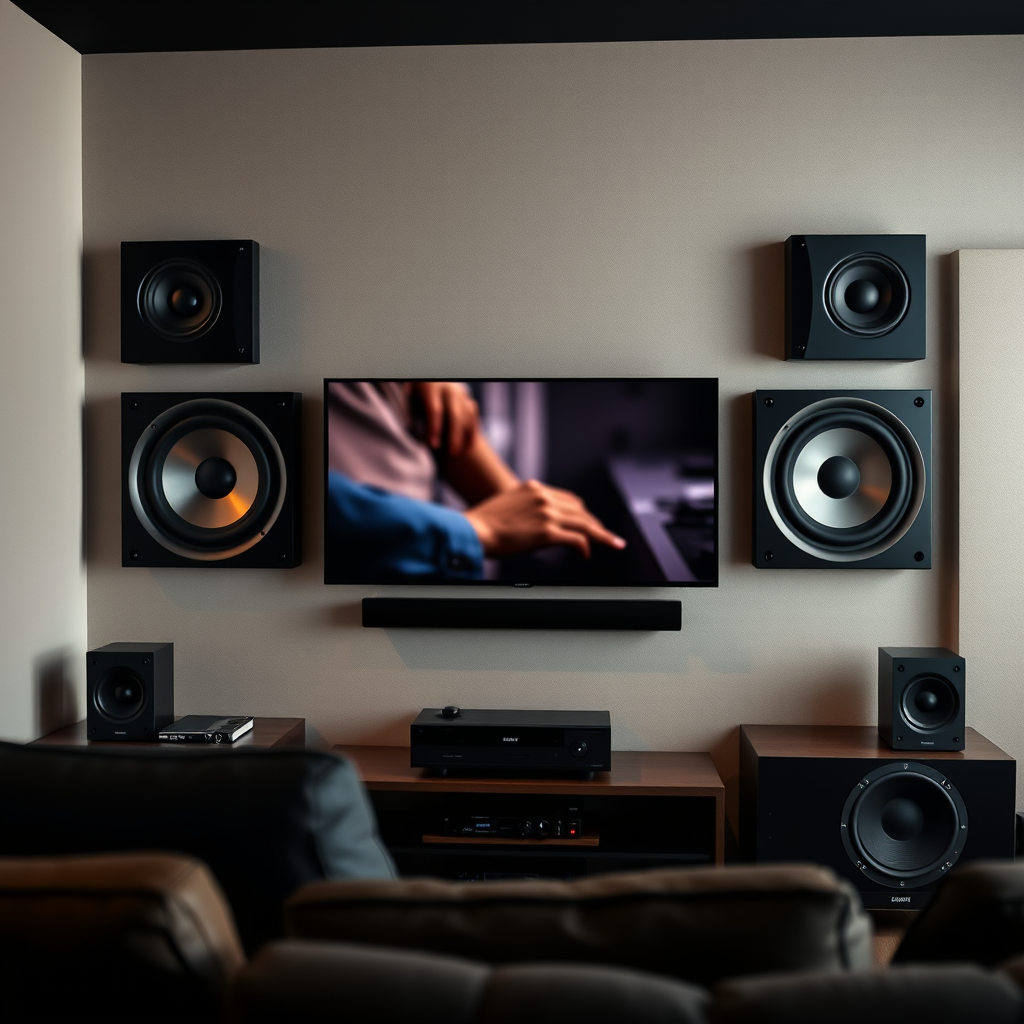
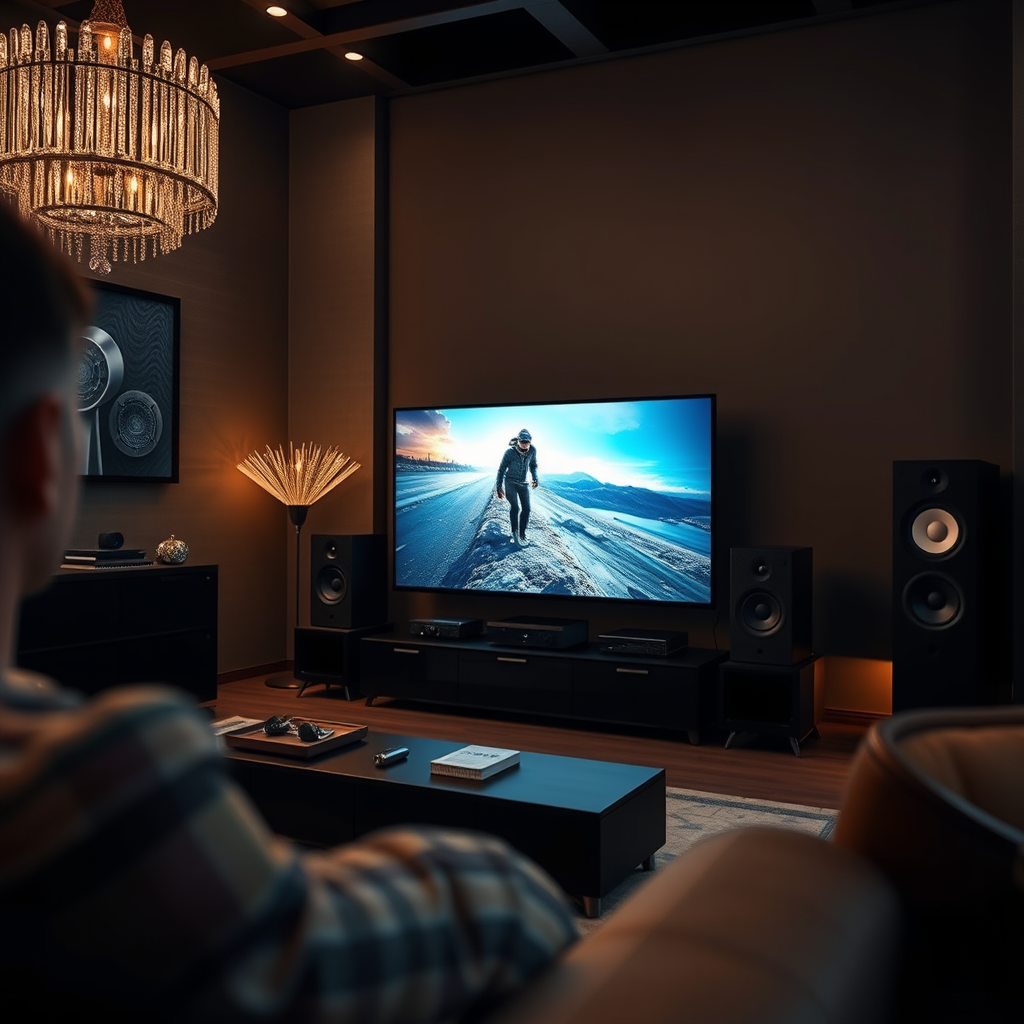
For surround sound setups, the positioning of surround speakers is vital. In a standard 5.1 setup, place the rear speakers slightly above ear level and angled towards the listening position to create an enveloping sound field. For a 7.1 setup, ensure that the additional speakers are placed to the sides, creating a more immersive experience. Room dimensions and seating arrangement should also influence your speaker setup to avoid any sound dead spots.
Calibration Techniques
Calibration is an essential step in optimizing your sound system. Many modern receivers come equipped with built-in calibration tools that use microphones to assess your room’s acoustics and automatically adjust settings. This feature can save time and ensure a balanced sound.
However, for those who wish to have more control, manual calibration can be beneficial. Start by adjusting the levels of each speaker to ensure they are balanced; this means that no single speaker overpowers others. Utilize test tones or calibration discs to fine-tune the output. Additionally, consider adjusting the crossover frequency for your subwoofer, which can significantly enhance bass performance without muddying the overall sound.
Top Home Theater Receivers (2024)
| # | Receiver Model | Channels | DTS Support | Price |
|---|---|---|---|---|
| 1 | Denon AVR-X3700H | 9.2 | Yes | $1,299 |
| 2 | Yamaha RX-A2080 | 9.2 | Yes | $1,399 |
| 3 | Onkyo TX-RZ840 | 9.2 | Yes | $1,199 |
| 4 | Marantz SR6015 | 9.2 | Yes | $1,499 |
| 5 | Sony STR-DN1080 | 7.2 | Yes | $599 |
| 6 | Pioneer VSX-LX503 | 9.2 | Yes | $1,099 |
Room Acoustics and Treatment
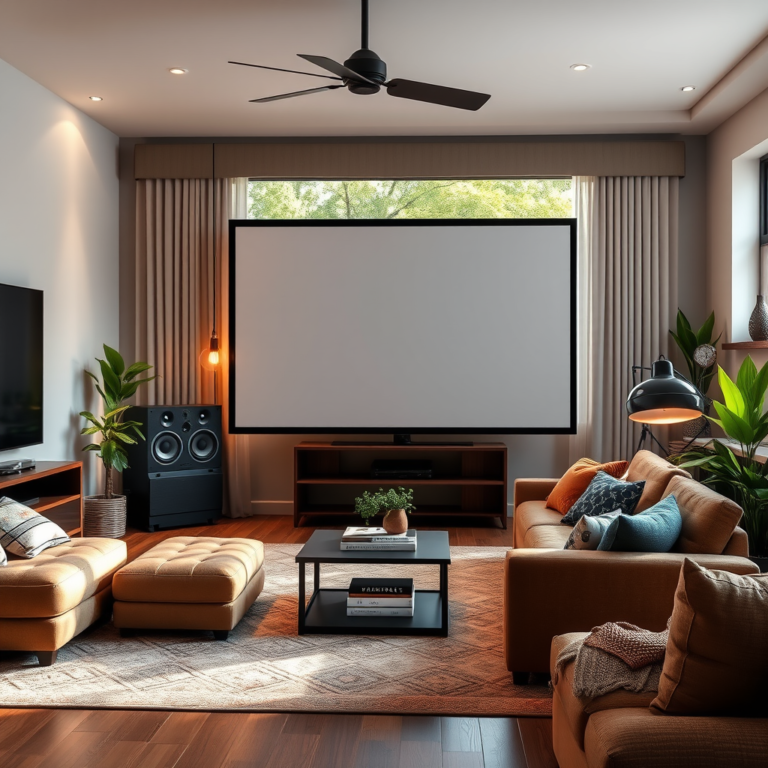
The acoustics of your room play a significant role in sound quality. Hard surfaces such as walls, floors, and furniture can lead to sound reflections that muddle audio clarity. To improve sound quality, consider the impact of your room’s furnishings and layout.
Incorporating soft furnishings such as carpets, curtains, and upholstered furniture can help absorb sound and reduce echo. Acoustic panels can also be strategically placed on walls to minimize sound reflection, allowing for clearer audio reproduction. If your room has a lot of glass or hard surfaces, consider using bass traps in the corners to control low frequencies and prevent boominess.
Optimal Settings for Movie Watching
To truly enhance your movie-watching experience, adjusting your audio settings is essential. Start by exploring the equalization settings on your receiver, adjusting the bass and treble to suit your preferences. For action films, boosting the bass might enhance the experience, while dialogue-heavy movies may benefit from a more balanced setting.
Additionally, enabling surround sound modes or specific audio profiles designed for cinematic experiences can dramatically improve immersion. Many receivers offer movie-specific sound modes that optimize audio for dialogue clarity and sound effects, enhancing the overall enjoyment of your viewing experience.
Audio Settings for Different Movie Genres
Testing and Tweaking
An essential part of optimizing your audio experience is to test and tweak your setup. After making adjustments to your sound system, play a variety of movie genres to assess different audio aspects. For example, test action films with explosive sound effects and dialogue-heavy dramas to ensure that your settings remain effective across all types.
Make incremental adjustments based on your observations, and keep notes on what works best for specific content. This process will help you refine your audio settings and ensure that your system delivers the best performance tailored to your preferences.
Maintenance and Upgrades
To keep your sound system performing at its best, regular maintenance is essential. This includes cleaning components, checking connections, and ensuring that firmware is up to date. Over time, speaker connections can become loose, and dust can accumulate in sensitive areas, leading to suboptimal performance.
Consider upgrading components such as speakers or receivers when necessary. Newer models often come with advanced audio processing features and better efficiency, which can provide a significant enhancement to your home theater experience. Assess your needs and budget, and invest in high-quality components that will elevate your sound system to new heights.
By following these strategies, you can create an immersive sound environment that enhances your movie watching. Implementing these adjustments will not only improve your audio experience but also elevate your enjoyment of cinema at home. Start by assessing your current setup and apply these tips to see immediate improvements.
Frequently Asked Questions
What are the best speaker placements for optimizing sound in a home theater?
For optimal sound in a home theater, place your front speakers at ear level, angled towards the listening area. The center channel should be directly above or below the screen, while surround speakers should be positioned slightly above ear level, ideally at a 90 to 110-degree angle from the viewer. This arrangement enhances soundstage and immersion for movie watching.
How can I improve the acoustics of my room for better movie sound?
Improving room acoustics can significantly enhance your sound system’s performance. Use soft furnishings, such as rugs and curtains, to absorb sound reflections and minimize echo. Adding acoustic panels to walls and ensuring proper speaker placement based on room geometry can also help create a more balanced sound environment for movie watching.
Why is a subwoofer important for movie watching, and how do I position it?
A subwoofer is crucial for delivering deep bass sounds that can enhance the overall movie experience, making action scenes more impactful. Ideally, position your subwoofer in a corner or along a wall to amplify its output. Experiment with placement by using the “subwoofer crawl” method to find the spot that provides the best bass response in your room.
Which sound formats should I use for an optimal movie-watching experience?
For the best movie-watching experience, opt for advanced sound formats like Dolby Atmos or DTS:X, as they provide immersive, three-dimensional audio. Ensure your sound system and media player support these formats, and stream or play movies that are encoded with high-quality audio tracks to take full advantage of your optimized sound system.
What equipment upgrades can enhance my sound system for watching movies?
Upgrading to a high-quality AV receiver with advanced audio processing capabilities can significantly improve your movie-watching experience. Additionally, investing in better speakers, particularly surround and subwoofer options, will provide clearer and more dynamic sound. Consider also incorporating a soundbar for a simpler setup that still delivers rich audio for movies.
References
- Home cinema
https://en.wikipedia.org/wiki/Home_theater - https://www.sciencedirect.com/science/article/pii/S1877050921001958
https://www.sciencedirect.com/science/article/pii/S1877050921001958 - https://www.bbc.com/future/article/20200130-how-to-make-the-most-of-your-home-cinema
https://www.bbc.com/future/article/20200130-how-to-make-the-most-of-your-home-cinema - https://www.nytimes.com/2021/12/10/style/home-theater-setup.html
https://www.nytimes.com/2021/12/10/style/home-theater-setup.html - https://www.nature.com/articles/s41598-019-49851-3
https://www.nature.com/articles/s41598-019-49851-3 - Google Scholar Google Scholar
https://scholar.google.com/scholar?q=optimize+sound+system+for+movie+watching - Google Scholar Google Scholar
https://scholar.google.com/scholar?q=home+theater+sound+system+optimization - Google Scholar Google Scholar
https://scholar.google.com/scholar?q=improving+audio+quality+home+cinema - https://www.mayoclinic.org/healthy-lifestyle/adult-health/in-depth/healthy-home-theater-system/art-20460175
https://www.mayoclinic.org/healthy-lifestyle/adult-health/in-depth/healthy-home-theater-system/art-20460175 - Google Scholar Google Scholar
https://scholar.google.com/scholar?q=How+to+Optimize+Your+Sound+System+for+Movie+Watching