
Soundproofing your car is essential for a quieter, more comfortable ride, and the best materials for this task can significantly reduce road noise. By utilizing effective soundproofing materials, you can transform your driving experience, making it more enjoyable and less stressful. In this article, you’ll discover various soundproofing options, their effectiveness, and how to implement them in your vehicle, ensuring you can cruise in peace.



Understanding Road Noise

Road noise refers to the sound generated from the interaction between tires and the road surface, as well as wind noise and engine sounds. Major sources of road noise include uneven road surfaces, tire tread patterns, and wind resistance, all of which can combine to create an unpleasant cacophony within your vehicle. This noise can not only be irritating but can also detract from your overall driving experience, making conversations difficult, increasing fatigue, and reducing the enjoyment of your favorite tunes. By understanding road noise and its sources, you can appreciate the importance of soundproofing your vehicle for a more serene driving atmosphere.
Types of Soundproofing Materials

When it comes to soundproofing your car, various materials can help you achieve a quieter ride.
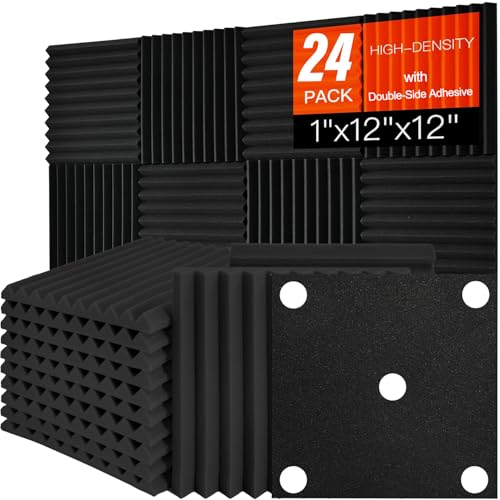
– Acoustic Mats: These dense materials are designed to absorb sound waves, significantly reducing noise levels inside your vehicle. They are often made from a mix of foam and rubber, providing excellent sound-dampening properties. Acoustic mats can be applied to various surfaces, including the floor, doors, and the trunk. A popular choice among DIY enthusiasts, these mats are relatively easy to handle and can conform to different shapes and sizes.
– Mass-Loaded Vinyl (MLV): MLV is a heavy, flexible material that can effectively block noise from entering your vehicle. It is thick and dense, making it an excellent option for areas that experience high levels of noise, such as the wheel wells or the undercarriage. MLV can be installed in layers for enhanced soundproofing and is particularly effective at reducing low-frequency sounds that are often troublesome during long drives.
Installation Techniques
Installing soundproofing materials can be a rewarding DIY project, but it requires some preparation and patience.
– DIY Methods: For those who enjoy hands-on projects, soundproofing your car can be a fulfilling endeavor. Start by cleaning the surfaces where you plan to apply the materials to ensure good adhesion. Measure the areas carefully and cut the acoustic mats or MLV to size. Apply a strong adhesive or double-sided tape for secure installation. Be sure to cover all potential entry points for noise, including the doors, floor, and trunk.
– Professional Installation: If you’re not comfortable tackling this project on your own or if your vehicle requires more extensive soundproofing, consider hiring a professional. An expert can assess your vehicle’s specific needs and ensure the materials are installed correctly for maximum effectiveness. Professional installation may also come with warranties, offering added peace of mind.
Cost Considerations
When planning your soundproofing project, it’s essential to consider your budget.
– Budget-Friendly Options: Many effective soundproofing materials are available at various price points. Acoustic mats can often be found at reasonable prices, especially if you opt for generic brands. Similarly, MLV can be purchased in bulk, allowing you to save on costs while still achieving high-quality soundproofing.
– Investment vs. Long-Term Benefits: While it may be tempting to cut corners by choosing cheaper materials, investing in high-quality soundproofing can pay off in the long run. A quieter ride can lead to less fatigue, improved focus, and an overall more pleasant driving experience. Additionally, reducing road noise can help preserve the longevity of your vehicle’s interior and audio system.
Performance Comparison
Understanding how different soundproofing materials perform can help you make informed decisions.
– Effectiveness of Different Materials: Acoustic mats are generally effective at absorbing higher frequency sounds, while MLV excels at blocking lower frequencies. When combined, they can provide comprehensive soundproofing for your vehicle. Some users have reported significant reductions in noise levels after applying these materials, noting a more comfortable ride, especially during highway travel.
– Real-World Tests and User Reviews: Many car enthusiasts and everyday drivers have shared their experiences with soundproofing materials. Reviews often highlight the noticeable difference in cabin noise after installation, with many praising the performance of acoustic mats and MLV together. Before making a choice, researching user testimonials can provide valuable insight into the effectiveness of various options.
Maintenance of Soundproofing Materials
To keep your soundproofing materials performing optimally, regular maintenance is essential.
– Tips for Ensuring Longevity and Effectiveness: Periodically check the condition of your soundproofing materials, ensuring they remain securely adhered and free from damage. If you notice any peeling or wear, consider reapplying adhesive or replacing sections as needed. Additionally, keep the interior of your vehicle clean, as dirt and debris can compromise the effectiveness of the soundproofing.
– Signs That Soundproofing May Need Repair or Replacement: If you begin to notice an increase in noise levels within your vehicle, it could be a sign that your soundproofing materials require attention. Unusual vibrations or rattling sounds may also indicate that the materials are no longer effectively dampening noise. Regularly assessing your soundproofing will help maintain a quiet and comfortable ride.
Additional Tips for Reducing Noise
In addition to soundproofing materials, several other modifications can help minimize noise in your vehicle.
– Other Modifications: Consider upgrading to quieter tires, as the type of tire can significantly impact road noise. Additionally, insulating the engine compartment and using sound-deadening spray in critical areas can further enhance your vehicle’s soundproofing.
– Importance of Regular Vehicle Maintenance: Regular maintenance, such as ensuring your windows and doors seal properly, can also help reduce noise. Addressing any mechanical issues promptly can prevent additional noise from entering the cabin, maintaining a serene driving environment.
By selecting the right soundproofing materials and employing effective installation techniques, you can dramatically improve your driving experience by minimizing road noise. Whether you choose to do it yourself or enlist professional help, the benefits of a quieter ride are well worth the effort. Start planning your soundproofing project today and enjoy a more peaceful journey.
Frequently Asked Questions
What are the best car soundproofing materials to reduce road noise?
The best car soundproofing materials include mass loaded vinyl (MLV), acoustic foam, and rubber mats. MLV is effective due to its density, providing excellent sound dampening. Acoustic foam works well for absorbing high-frequency noise, while rubber mats can help with vibrations and road noise. Combining these materials can significantly enhance the soundproofing of your vehicle.
How do I install soundproofing materials in my car?
To install soundproofing materials in your car, first, remove the interior panels in areas like the doors, floor, and trunk. Clean the surface thoroughly to ensure proper adhesion. Cut the soundproofing material to fit each section and apply it according to the manufacturer’s instructions, often using adhesive or double-sided tape. Reassemble the panels once the material is securely in place.
Why is soundproofing my car important?
Soundproofing your car is important because it enhances driving comfort by reducing road noise, engine sounds, and vibrations. A quieter cabin not only makes for a more enjoyable driving experience but can also improve focus and reduce fatigue during long trips. Additionally, soundproofing can help protect the audio quality of your car’s sound system, allowing for clearer sound reproduction.
Which areas of my car should I focus on when soundproofing?
When soundproofing your car, focus on high-impact areas such as the floor, doors, wheel wells, and the trunk. The floor is crucial since it absorbs a lot of noise from the road, while doors can block wind and engine noise. Treating wheel wells and the trunk also contributes to a quieter ride, as these areas are prone to outside noise infiltration.
What is the cost of soundproofing materials for a car?
The cost of soundproofing materials for a car can vary widely depending on the type and quality of materials used. On average, you might spend between $100 to $500 for adequate soundproofing supplies. Mass loaded vinyl and high-quality foam can be on the higher end of the spectrum, but investing in soundproofing can lead to a significantly more comfortable driving experience and potential long-term benefits for your vehicle’s resale value.
References
- Soundproofing
- https://www.sciencedirect.com/science/article/pii/S2351978920313000
- https://www.ncbi.nlm.nih.gov/pmc/articles/PMC5562669/
- https://www.acoustics.org/press/151st/roadnoises.html
- https://www.nhtsa.gov/equipment-research/noise
- https://www.epa.gov/noise
- https://www.asa.org/asa/education/faq/faq-soundproofing.html




2 thoughts on “Best Car Soundproofing Materials to Minimize Road Noise”