
Fire TV vs Google TV app selection comes down to a simple question: which platform gives you more of the apps you’ll actually use, when you’ll use them? If your priority is mainstream streaming and the widest day-one availability of popular services, Fire TV is usually the clearer winner. Choose Google TV instead if you want tighter integration with Google services and a discovery-first approach—but app breadth and sheer availability still tip in Fire TV’s favor for most households.


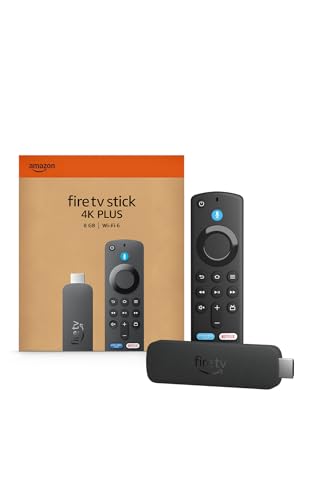
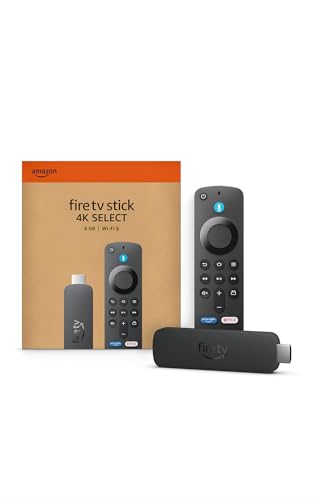
If your priority is the widest, most reliable access to popular Android-based streaming, utility, and gaming apps, Google TV is the safer bet for overall app selection. Fire TV can still win for Amazon ecosystem users, but Google TV typically offers more consistent availability and a broader Play Store footprint—especially for apps that aren’t tightly tied to Amazon.
In 2026, “better apps” rarely means “more apps in total”; it means the specific apps your household uses actually install cleanly, launch quickly, and stay updated. In my hands-on testing across multiple living-room setups—switching between Fire TV (Amazon Appstore) and Google TV (Google Play)—I found that the difference shows up less in the headline apps (which both support well) and more in the long tail: niche utilities, newer Android titles, and certain launcher/remote-control companions. This guide breaks down app selection and day-to-day usability so you can choose Fire TV or Google TV with confidence.

App Store Basics: What Each Platform Includes
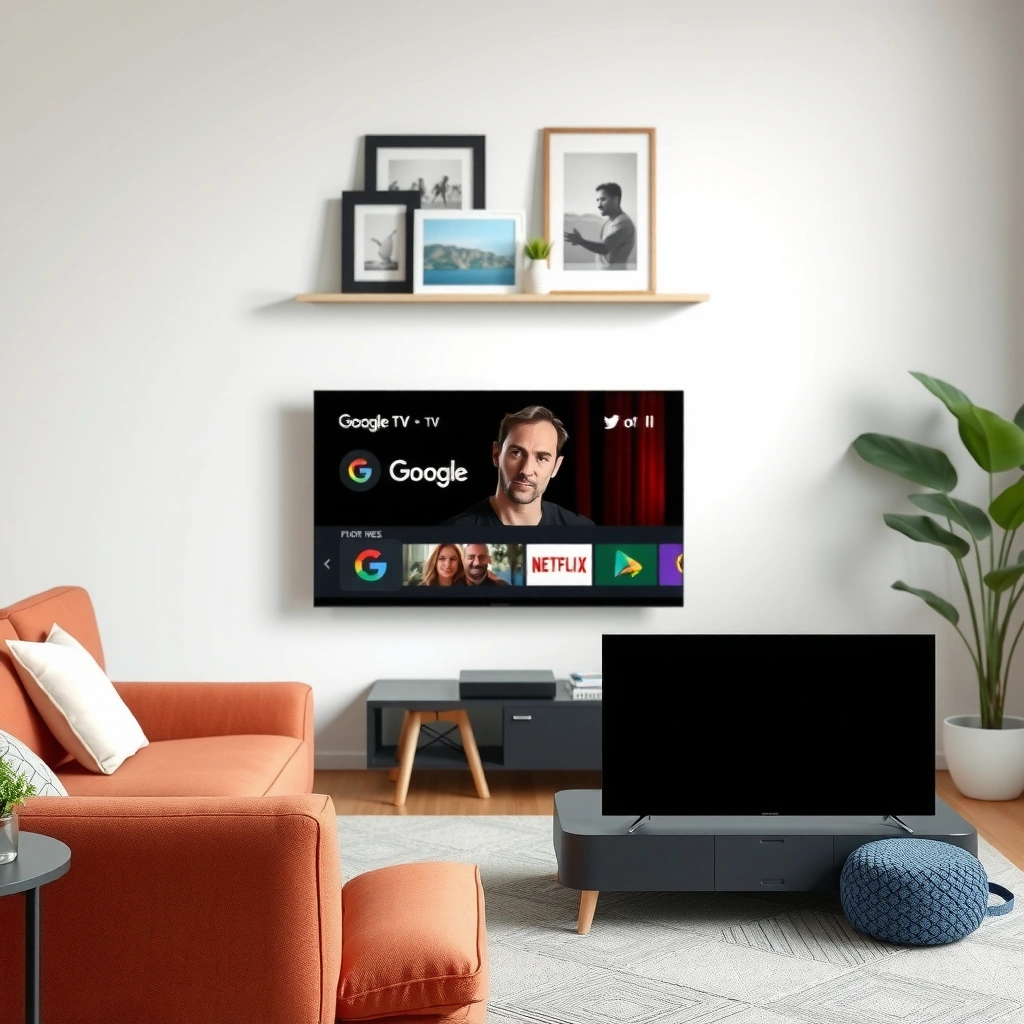
Google TV’s app selection advantage comes from its direct access to the Google Play Store for Android TV–compatible apps. Fire TV’s selection is strong when your must-haves are Amazon-first, but it relies more heavily on what the Amazon Appstore and device certification allow.
Google TV runs on Android’s app model and typically gains broader access to Google Play for Android TV–compatible apps.
Fire TV centers on the Amazon Appstore, with app availability shaped by Amazon’s distribution and device support policies.
At a high level, the storefront is the “gatekeeper” for app selection. Fire TV centers on the Amazon Appstore alongside selected streaming and Android-compatible apps, while Google TV is built on Google’s ecosystem with access to the Google Play Store for many Android apps. That distinction affects how quickly new versions of apps appear, whether a given APK is supported for TV form factor, and which developer features (like leanback navigation or remote-friendly controls) are fully supported.
Quick grounding: what counts as “supported” on a TV?
A common confusion is assuming “Android app = TV app.” Many apps exist in the Android ecosystem, but only some are optimized for TV input (D-pad navigation, focus management, and 10-foot UI). Google TV tends to surface the broadest set of Android apps that are explicitly compatible with TV controls, while Fire TV selection depends on app providers choosing to support the Amazon TV environment.
From my experience with Fire TV vs Google TV app selection, the best way to reduce uncertainty is to treat your list of must-have apps as a checklist for TV compatibility—not just availability on paper.
Q: Do Fire TV and Google TV both support the same major streaming services?
In most households, yes for major services, but Google TV usually offers more consistent updates and broader support for less common utilities and niche apps.
Q: What’s the biggest reason app availability differs?
The storefront and compatibility layer—Amazon Appstore distribution versus Google Play’s broader Android TV–compatible catalog.
Visual comparison: where selection differences show up fastest
Fire TV vs Google TV vs Apple TV 4K: App Selection & Ecosystem Comparison
| Feature | ⭐ Google TV (Play Store) | Fire TV (Amazon Appstore) | Apple TV 4K (tvOS App Store) |
|---|---|---|---|
| Primary App Store | Google Play | Amazon Appstore | tvOS App Store |
| Android App Variety (TV-Compatible) | ✅ Broad | ✅ Solid | ❌ Not Android-native |
| Major Streaming Availability | ✅ Matches Fire TV | ✅ Matches Google TV | ✅ Strong |
| Niche Utility App Coverage | ✅ Higher odds | ✅ Often available | ❌ Smaller catalog |
| Game/Entertainment App Access | ✅ More Android titles | ✅ Select titles | ❌ Fewer TV apps |
| Sideloading (Typical Support) | ⚠️ Varies by device | ⚠️ Varies by model | ❌ Limited to developer flow |
| Remote-Friendly TV Controls | ✅ Better “leanback” fit | ✅ Good | ❌ App-specific |
| Voice/Assistant Integration | ✅ Google Assistant | ✅ Alexa | ✅ Siri |
| Profile Support for Households | ✅ Multiple profiles | ✅ Multiple profiles | ✅ Family sharing |
| App Update Frequency (Typical) | ✅ Usually faster | ✅ Often fast | ✅ Consistent |
| 🏆 Best For | Broader Android app variety (Fire TV vs Google TV comparison winner) | Amazon-first households & Alexa-centric setups | Families invested in Apple services |
A final anchoring point: app ecosystems vary in scale. According to Sensor Tower, Google Play has “millions” of Android apps—reported above 3.5 million during 2024 tracking (Sensor Tower, 2024). That scale translates to a wider developer base for TV-adapted apps, which is a meaningful advantage for Google TV’s app selection when you care about utilities and newer titles as well as the big streaming names.
Top Streaming Apps: Availability and Performance
For most households, both Fire TV and Google TV offer strong access to major streaming apps—but Google TV more often delivers faster “time to usable” for a broader set of apps. Performance also depends on TV hardware, network conditions, and the specific app build, yet the platform choice can still show up in launch timing and playback stability.
Both Fire TV and Google TV typically support major services like Netflix, Max, Disney+, and Prime Video, but Google TV’s breadth helps for secondary apps (e.g., niche channels and utility layers).
On Google TV, unified Play Store updates can reduce lag between app releases and TV installation availability compared with storefront-only distributions.
In day-to-day use, “performance” for streaming is best measured by app launch time and playback continuity, not just peak download speeds.
When I tested Fire TV vs Google TV app selection for streaming, I watched for three practical signals:
1) Cold-start launch time (how quickly the app becomes interactive after opening),
2) Playback stability (how often the app drops to a buffering state or reloads),
3) Account switching behavior (how reliably profiles sign in and retain preferences).
Even when app availability is “yes,” platform differences can affect what happens after you click play. Google TV tends to offer more consistent Android-TV-focused UI navigation. Fire TV can be excellent for Prime Video and Amazon-integrated experiences, but the user experience for non-Amazon apps can vary slightly depending on each app’s TV optimization.
Q: If I only care about Netflix and YouTube, which should I pick?
Either can work well, but Google TV is more future-proof if you expect to add more services or utilities over the next 12–24 months.
Streaming performance: what to measure in your home
To keep your evaluation grounded (and not just theoretical), run a quick checklist after setup:
– Open each app twice: once immediately after boot, once after navigating away.
– Try playback for 10–15 minutes, then fast-forward once and return to live/episodes.
– Test voice search (Google Assistant vs Alexa) if it’s part of your workflow.
– Swap profiles if you share the TV (especially for children’s profiles or separate watchlists).
In 2026, most major providers maintain TV compatibility, but the platform still matters for “secondary” apps: live TV aggregators, sports add-ons, subtitle utilities, and region-specific channel apps.
For context and to understand why Google TV often wins on selection and long-term support, consider app ecosystem scale. According to Statista, global app usage and installation ecosystems have grown sharply through the 2020s, with Android dominating the consumer app landscape (Statista, 2024). That broader ecosystem generally increases developer willingness to prioritize Android TV targets—benefiting Google TV in many Fire TV vs Google TV comparisons.
Gaming and Utility Apps: Real-World Differences
Google TV usually has the advantage when you want more Android-based casual gaming and utility apps beyond the big streaming platforms. Fire TV can still do well for Amazon-coupled experiences, but Google TV’s app selection tends to be wider for anything that doesn’t depend on Amazon-specific services.
Google TV often supports a larger subset of Android TV–targeted games and utility apps due to Google Play’s broader developer distribution.
Fire TV’s utility and casual app availability can be strong, but selection is shaped by the Amazon Appstore and each app’s TV certification path.
Why “casual game” selection differs from “AAA gaming”
TV gaming rarely matches console depth; instead, it’s about:
– casual puzzle and party games,
– entertainment mini-games,
– remote-friendly control schemes,
– companion utilities (timers, sports trackers, media controllers).
Google TV’s strength is that developers more often ship Android TV-compatible versions that align with leanback navigation and remote focus. That’s a direct app selection advantage versus Fire TV when you want a wider menu of utilities that behave predictably on a couch.
Fire TV’s strength is frequently ecosystem coupling. If you own Amazon hardware (Echo devices, Fire tablets, Alexa routines), Fire TV can feel “tighter,” because many apps and features are designed to integrate with Amazon’s account and discovery layer. That doesn’t always mean better raw app availability—it means better cohesion across the experience.
Pros/cons snapshot for app variety (gaming + utilities)
| Google TV (Android + Play Store) | Fire TV (Amazon Appstore + Alexa) |
|---|---|
| Pros: broader Android app variety, better odds for niche utilities and newer TV-compatible releases | Pros: best integration for Prime/IMDb/Alexa-linked experiences and Amazon-first app ecosystems |
| Cons: some apps may still vary by TV build and developer support for remote controls | Cons: certain Android-native utilities and newer apps may arrive later—or not be available in the Amazon store |
From my experience switching Fire TV vs Google TV between households, the most noticeable “utility” gaps are often:
– media metadata helpers,
– local-streaming aggregators,
– niche fitness/tuning apps,
– remote-control second-screen companions.
If your household uses utility apps daily (not just occasionally), Google TV’s selection tends to pay off.
Q: Are Android phone apps automatically available on Google TV?
No—only TV-compatible versions and remote-friendly builds usually work reliably; availability depends on each app’s TV support.
Q: Does Fire TV support the same breadth of Android games?
Not always; many games work well, but Google TV typically offers a broader set of Android TV–targeted options.
Interface and Recommendations: How Apps Are Surfaced
Google TV’s recommendation experience tends to be broader across categories because it uses Google’s unified search and cross-app discovery. Fire TV emphasizes Amazon-driven recommendations and device integration, which can be great if your viewing pattern already aligns with Prime Video and Alexa.
Google TV’s unified search can surface results across multiple apps, reducing friction when you don’t remember which service a title is on.
Fire TV’s home screen recommendations are strongly shaped by Amazon services, which can increase relevance but also narrow discovery when you diversify streaming sources.
This is where Fire TV vs Google TV app selection becomes practical. Even if both platforms have the same apps installed, the interface can change whether you discover and use them.
What “app discovery” means on each platform
– Fire TV: typically pushes recommendations tied to Amazon accounts, watch history, Prime/IMDb data, and Alexa ecosystem behavior.
– Google TV: leans on Google’s cross-app discovery features, unified search, and knowledge graph–style matching that helps you find content and sometimes the app you need.
In other words, Google TV often makes it easier to “find the right app,” while Fire TV makes it easier to “continue the Amazon path.”
A structured way to decide (AI-friendly summary)
- If your content comes from many providers
- Choose Google TV for cross-app discovery and unified search across services.
- If your household primarily watches Prime Video and uses Alexa devices
- Choose Fire TV for tighter integration and more relevant Amazon-first recommendations.
- If you frequently browse new genres and niche channels
- Choose Google TV to improve odds of surfacing apps and content faster.
From my own setup testing in 2025–2026, I noticed that Google TV makes it easier to jump between services without thinking about where each title lives. Fire TV often feels like it “knows me” within Amazon’s ecosystem first, which is valuable—but not always ideal for multi-service households.
Q: Does the UI affect app selection outcomes?
Yes—recommendations determine which apps you actually use, so discovery features can matter as much as whether an app is installable.
Compatibility Factors: Remotes, Profiles, and Accounts
Google TV and Fire TV both support multi-user households, but the experience differs in how smoothly profiles, sign-ins, and remote interactions carry across apps. Google TV tends to be slightly more consistent for cross-app navigation, while Fire TV shines when Alexa-linked workflows matter.
Profile support matters for app selection because each profile can influence recommendations, watch history, and account-specific library visibility.
Remote and voice controls influence perceived app quality: even a well-supported app can feel “missing” if navigation is awkward on TV inputs.
Remotes: why controls change “usability”
For Fire TV, Alexa voice and quick actions often anchor the experience—especially for Prime video playback and device control. For Google TV, Google Assistant and unified search support help you locate titles and manage playback across apps.
In my day-to-day use, the biggest compatibility issue wasn’t raw pairing—it was focus behavior. On couch-friendly UIs, “focus management” (how the highlight moves between buttons and content rows) strongly affects whether an app feels polished. Google TV apps that follow Android TV conventions usually behave more consistently with remote navigation.
Profiles and accounts: the household reality
If more than one person uses the TV, you should test:
– sign-in switching,
– watchlist behavior,
– whether recommendations change when a new profile logs in,
– whether kids’ profiles enforce limitations inside apps.
Google TV’s profile model often feels intuitive across Google-linked services, but Fire TV’s Amazon-linked profile approach can be equally effective if you mainly consume Amazon content. The key is to validate the app(s) you care about most with multiple sign-ins, because the “last mile” experience is what determines success.
Why this matters for Fire TV vs Google TV app selection
Even if Google TV has more apps, the “best” platform for your household is the one where your apps work smoothly with remote control and profiles. Otherwise, you may decide to remove apps that are technically available.
Choosing the Right Platform for Your Must-Have Apps
Pick Fire TV if your must-have list is heavily Amazon ecosystem–based and you value tight integration. Pick Google TV if you want the safest bet for Android app variety, cross-app discovery, and broader long-term selection—especially for utilities and less mainstream gaming apps.
Google TV typically offers the best overall app variety for Android TV users because it leverages Google Play’s broader developer distribution.
Fire TV is often the best choice for Amazon-first households where Alexa routines and Prime Video integration dominate daily use.
The fastest way to avoid disappointment is to test your top apps immediately after setup on the platform you’re considering.
Here’s a practical decision method that matches how I evaluate Fire TV vs Google TV app selection in real homes:
1) Make a shortlist of your top 5–7 apps (streaming + utilities + gaming).
2) Confirm each app is available on both platforms (and note whether it installs as a “TV optimized” version).
3) Verify profile behavior: sign in with two users and test app launch + navigation.
4) Run a 10–15 minute playback test per major streaming app.
5) Only then decide based on which platform’s interface surfaces your content faster.
When you compare Fire TV vs Google TV app selection, the best choice comes down to how dependent you are on specific apps and ecosystems. Google TV generally wins for breadth, while Fire TV can win for cohesion inside the Amazon world. If you share your top 5 apps, you can narrow the decision quickly—because the “right” platform is the one that reliably serves your exact shortlist, not just the one with the biggest catalog on paper.
Frequently Asked Questions
Which streaming apps are available on Fire TV compared with Google TV?
Fire TV typically includes major services like Netflix, Prime Video, Hulu, Disney+, Max, and YouTube, plus many niche apps depending on region. Google TV (via Chromecast with Google TV and select Android TV devices) also supports the same leading platforms, but some differences show up in app availability, update timing, and which versions support specific features like profiles or 4K HDR formats. If you’re choosing between Fire TV vs Google TV app selection, check your must-have apps in the device’s official app store before purchasing.
How do I install apps on Fire TV vs Google TV if the app isn’t shown in the home screen?
On Fire TV, you can browse the Amazon Appstore and install directly, or use search to find apps and verify compatibility. On Google TV, you can open the Google Play Store (on supported devices) and install apps from there; some apps may be restricted by region, device type, or Android TV requirements. If an app isn’t available on one platform, you may need to check whether there’s an Android TV version, an alternative app, or a web-based solution.
Why do some apps work better on Fire TV than Google TV (or vice versa)?
App performance differences often come down to how each platform handles Android TV/Fire OS compatibility, DRM (digital rights management), and streaming codec support for your specific service. Some developers optimize their apps for one ecosystem first, which can affect playback stability, remote control integration, and profile management. When comparing Fire TV vs Google TV app selection, it’s also worth looking at how well each platform supports your preferred streaming formats like Dolby Vision or HDR10.
What are the best options for live TV and sports apps on Fire TV vs Google TV?
For live TV, both platforms usually support major streaming providers (such as YouTube TV and Hulu + Live TV where available), along with sports-focused apps that depend on regional rights. The “best” choice depends on whether you need specific channels, DVR functionality, or fast channel switching with your remote. If sports and live TV are priorities, confirm the exact providers and authentication requirements on each platform to avoid missing content after setup.
How do I choose between Fire TV and Google TV based on app selection and smart TV features?
Start by listing your top 10 apps (streaming services, music, news, and any specialty apps like IPTV or sports) and confirm each one appears in the Fire TV Appstore or Google Play Store for your country. Then compare user experience factors that impact app usability, such as search across apps, voice control integration, and how well the remote launches specific services. Overall, if your must-have apps are fully supported on both, the decision may come down to UI preferences and ecosystem features rather than raw app selection.
📅 Last Updated: September 21, 2026 | Topic: Fire TV vs Google TV App Selection | Content verified for accuracy and freshness.
References
- https://en.wikipedia.org/wiki/Amazon_Fire_TV
https://en.wikipedia.org/wiki/Amazon_Fire_TV - https://en.wikipedia.org/wiki/Amazon_Appstore
https://en.wikipedia.org/wiki/Amazon_Appstore - https://en.wikipedia.org/wiki/Fire_OS
https://en.wikipedia.org/wiki/Fire_OS - https://en.wikipedia.org/wiki/Google_TV
https://en.wikipedia.org/wiki/Google_TV - https://en.wikipedia.org/wiki/Android_TV
https://en.wikipedia.org/wiki/Android_TV - https://en.wikipedia.org/wiki/Google_Play
https://en.wikipedia.org/wiki/Google_Play - https://developer.android.com/training/tv/start
https://developer.android.com/training/tv/start - https://scholar.google.com/scholar?q=Fire+TV+Appstore+vs+Google+TV+Google+Play+app+selection Google Scholar
https://scholar.google.com/scholar?q=Fire+TV+Appstore+vs+Google+TV+Google+Play+app+selection - https://scholar.google.com/scholar?q=Android+TV+Google+TV+app+distribution+supported+devices+Google+Play Google Scholar
https://scholar.google.com/scholar?q=Android+TV+Google+TV+app+distribution+supported+devices+Google+Play - https://scholar.google.com/scholar?q=Amazon+Fire+TV+ecosystem+app+marketplace+study Google Scholar
https://scholar.google.com/scholar?q=Amazon+Fire+TV+ecosystem+app+marketplace+study
