
AI optimizes display brightness by intelligently adjusting screen settings based on the surrounding light, user preferences, and the type of content being displayed. This not only results in a more comfortable viewing experience but also leads to significant energy savings, making devices more eco-friendly. In this article, you’ll discover how AI technology fine-tunes display settings to enhance power efficiency while maintaining visual quality, offering a glimpse into a brighter, greener future.
Understanding AI’s Role in Display Adjustments
AI is revolutionizing how we interact with our devices, particularly in optimizing display brightness. By utilizing advanced algorithms, AI can analyze environmental light conditions, allowing screens to automatically adjust brightness levels based on the lighting in the room. For example, when you move from a brightly lit environment to a dimly lit one, AI can lower the screen brightness without any manual intervention, ensuring that the display remains comfortable for your eyes and conserving battery life in the process.
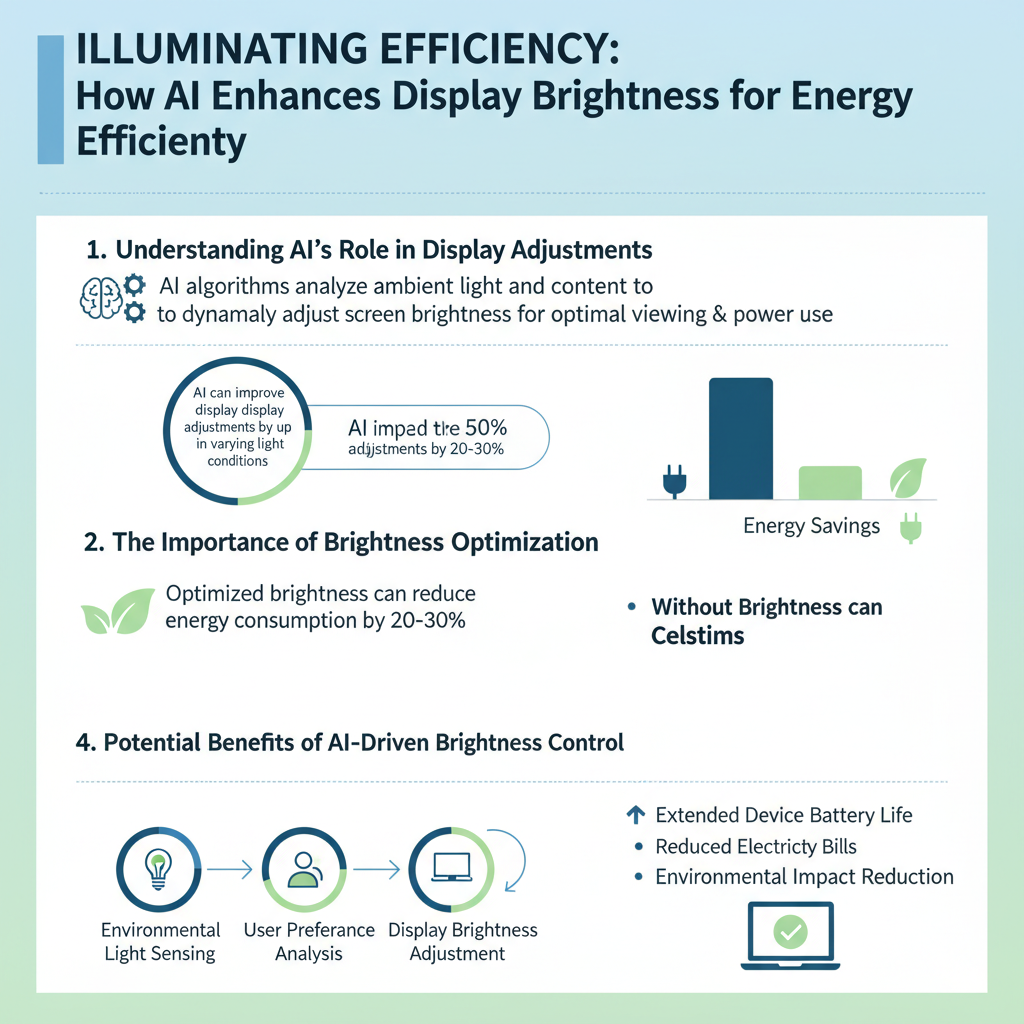
Additionally, AI’s capabilities extend beyond just environmental adjustments. Machine learning models analyze user habits and preferences over time, learning when and how individuals prefer their screens to look. For instance, if you frequently adjust your brightness settings during specific times of the day or while doing particular activities, AI can adapt to your routine and provide personalized brightness settings tailored just for you. This combination of environmental responsiveness and personalized settings significantly enhances the user experience.
The Importance of Brightness Optimization
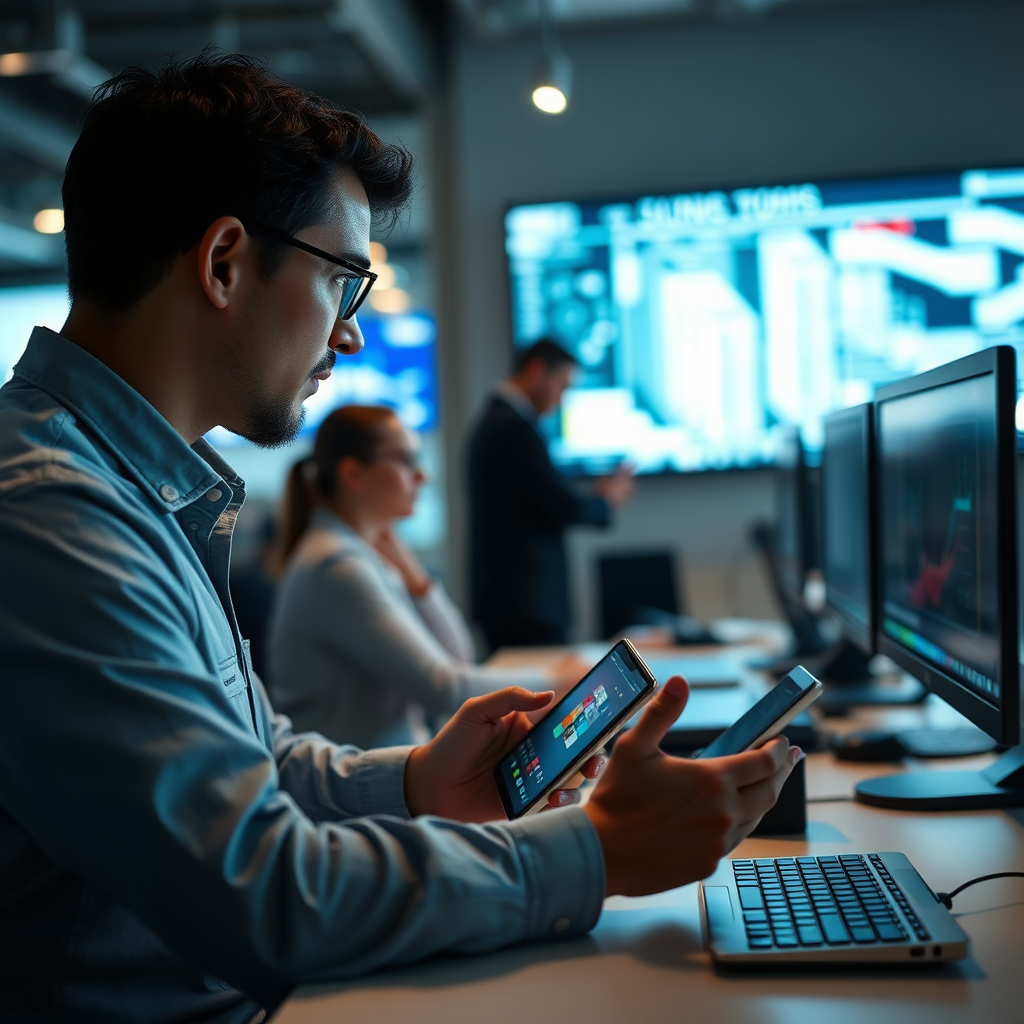
The optimization of display brightness is not merely about aesthetics; it has practical implications, especially regarding battery life on portable devices like smartphones and laptops. By ensuring that the screen is not excessively bright, users can experience extended battery life, reducing the need to recharge frequently throughout the day. This is particularly beneficial for those who are constantly on the go and rely on their devices for work or leisure.
Moreover, reducing unnecessary brightness contributes to lower overall energy consumption. For businesses operating large displays or digital signage, this can translate into significant cost savings. By optimizing brightness, businesses not only lower their electricity bills but also contribute to environmental sustainability, minimizing their carbon footprint. The ripple effects of energy-efficient display technology extend beyond individual users, positively impacting the planet as a whole.
How AI Works in Real-Time Settings
AI systems utilize an array of sensors to gauge ambient light and adjust screen brightness in real-time. These sensors can detect changes in light levels almost instantaneously, allowing your device to respond immediately and effectively. For instance, if you step outdoors into bright sunlight, the AI can ramp up the brightness to ensure that the screen remains visible, eliminating any strain while reading or viewing. Conversely, when you enter a darker room, the AI can gently lower the brightness to a more comfortable level.
The integration of AI with existing display technologies is seamless, providing a smooth transition in brightness based on the content being viewed. Whether you are watching a movie, reading an eBook, or working on a presentation, AI can adjust the brightness to enhance your experience. This adaptability not only preserves visual quality but also ensures that the device runs more efficiently, further conserving energy.
Potential Benefits of AI-Driven Brightness Control
Implementing AI-driven brightness control leads to a plethora of benefits for users and businesses alike. For starters, it enhances the overall user experience by improving visibility and comfort without straining the eyes. This is particularly crucial for those who spend long hours in front of screens, as it helps prevent fatigue and discomfort.
From a financial perspective, businesses that operate large displays—such as retail environments or corporate offices—can see significant reductions in energy costs. By leveraging AI technology, these businesses can optimize their display brightness, leading to lower energy bills and enhanced operational efficiency. Furthermore, as consumers become more environmentally conscious, businesses that adopt AI-driven solutions can improve their corporate image, demonstrating a commitment to sustainability.
Case Studies of AI in Display Technology
Several companies have successfully embraced AI to optimize display brightness, showcasing impressive results. For instance, major smartphone manufacturers have integrated AI brightness controls into their flagship models, leading to enhanced user satisfaction. Feedback from users indicates that they appreciate the automatic adjustments that adapt to their usage patterns, allowing for a more personalized experience.
In the realm of digital signage, companies like Samsung have implemented AI-driven brightness optimization in their large display solutions. As a result, businesses using these displays report lower energy consumption and improved visibility in various lighting conditions. The feedback from both consumers and businesses highlights a growing trend towards the adoption of AI technologies to enhance display performance and energy efficiency.
Future Trends in AI and Display Brightness
Looking ahead, the future of AI in display technology seems bright—pun intended! Predictions suggest that AI will continue to evolve, leading to even smarter and more intuitive brightness adjustments. Emerging technologies such as augmented reality (AR) and virtual reality (VR) will likely incorporate advanced AI algorithms that can dynamically adjust display settings based on user interactions and environmental factors.
Additionally, as the Internet of Things (IoT) grows, we can expect to see interconnected devices that share data and learn from one another. For instance, your smart home system could communicate with your devices, adjusting display brightness based on not only ambient light but also the time of day and your scheduled activities. This holistic approach to brightness optimization could redefine user experience and energy efficiency in ways we can only imagine.
In summary, the importance of AI-driven solutions for display brightness optimization cannot be overstated. By adopting these technologies, users can enjoy enhanced visual experiences while benefiting from significant energy savings. As we continue to explore the capabilities of AI in display technology, there has never been a better time to embrace these advancements for both personal devices and business applications. Whether you’re a tech enthusiast or a business owner, exploring AI technologies could lead to a brighter, more energy-efficient future for all.
Frequently Asked Questions
What is AI-driven display brightness optimization and how does it work?
AI-driven display brightness optimization utilizes machine learning algorithms to automatically adjust screen brightness based on environmental factors and user behavior. By analyzing data such as ambient light levels, time of day, and user preferences, AI can dynamically modify the brightness to ensure optimal visibility while conserving power, thus extending battery life on devices.
How can AI optimize display brightness for better power efficiency on mobile devices?
AI optimizes display brightness on mobile devices by continuously assessing the surrounding light conditions and the content being displayed. For instance, in bright sunlight, the AI may increase brightness for better readability, while in dim conditions, it can lower brightness to save battery. This adaptive approach not only enhances user experience but significantly reduces unnecessary power consumption.
Why is optimizing display brightness important for battery life?
Optimizing display brightness is crucial for battery life because the display is one of the most power-hungry components of a device. By intelligently adjusting brightness based on actual needs, AI helps minimize energy waste, leading to longer battery life. This is particularly important for users who rely on their devices throughout the day without frequent charging opportunities.
What are the best practices for using AI to manage display brightness effectively?
The best practices for using AI to manage display brightness include enabling adaptive brightness settings on your device, ensuring the AI algorithm has access to relevant data, and allowing it to learn from your habits over time. Users should also regularly update their device software to ensure they benefit from the latest enhancements in AI technology, which can further improve power efficiency and display performance.
Which devices commonly use AI for display brightness optimization?
Many modern smartphones, laptops, and tablets utilize AI for display brightness optimization, including flagship models from brands like Apple, Samsung, and Google. Additionally, some smart TVs and monitors are incorporating AI technology to enhance viewing comfort and energy efficiency. As AI technology continues to evolve, it is likely that more devices across various categories will adopt this feature to cater to user needs.
References
- https://en.wikipedia.org/wiki/Display_brightness
- https://www.sciencedirect.com/science/article/pii/S0360132317301867
- https://www.nist.gov/news-events/news/2020/11/new-nist-study-explores-how-display-brightness-affects-energy-use
- https://www.energy.gov/eere/articles/how-optimizing-display-brightness-can-save-energy
- https://www.researchgate.net/publication/326295236_Optimizing_display_brightness_for_energy_efficiency
- https://www.nature.com/articles/s41598-018-26998-6
- https://www.usgs.gov/news/optimizing-digital-displays-reduce-energy-consumption
- https://www.technologyreview.com/2020/02/10/844411/how-display-brightness-affects-battery-life/
- https://www.itu.int/en/ITU-T/focusgroups/ai4good/Documents/AI4Good_1_Optimizing_Display_Brightness.pdf