
Eliminating audio delay in your home theater can be achieved through a few simple adjustments to your setup. By ensuring proper synchronization between your audio and video components, you can enjoy a seamless viewing experience. In this article, you will learn effective strategies to address audio lag and enhance your home theater performance.




Understanding Audio Delay
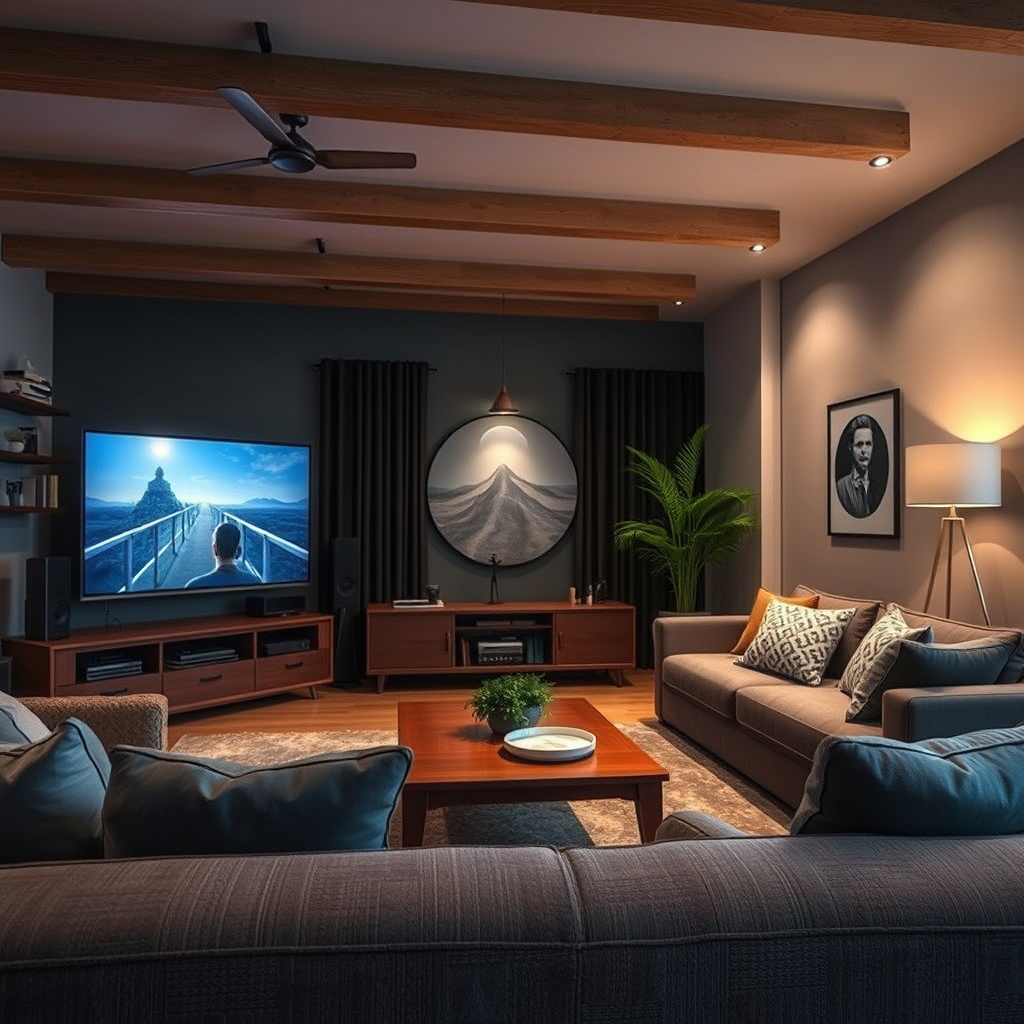
Audio delay, often referred to as audio lag, is the noticeable difference in timing between the video image displayed on your screen and the sound you hear through your speakers. This discrepancy can stem from a variety of sources, including the type of connection used, the processing speed of your devices, and even the distance between components. Common causes of audio delay include using older audio equipment, wireless connections, or even a mismatch in the settings between your video and audio devices.
Synchronization between audio and video is crucial for an optimal viewing experience. Imagine watching your favorite action movie where the sound of a gunshot lags behind the visual explosion on screen; it can be jarring and detract from the overall enjoyment. Achieving perfect sync not only enhances your experience but also allows you to fully immerse yourself in the story without distractions.
Check Your Connection Types
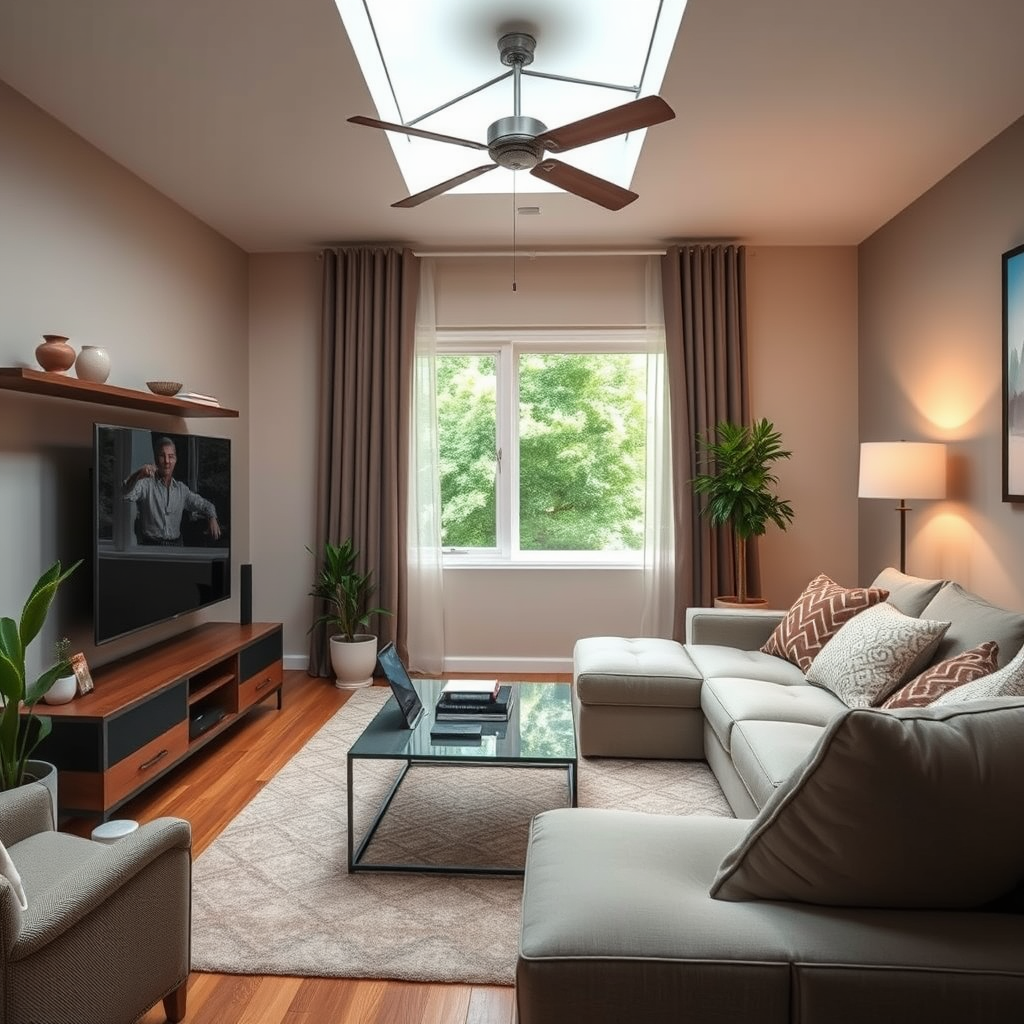
One of the simplest yet most effective ways to minimize audio delay is by ensuring you’re using the best connection types for your devices. HDMI cables are particularly beneficial because they carry both audio and video signals in one cable, reducing the chance for lag compared to older methods like RCA or optical cables. If you’re using multiple devices, make sure each one is connected via HDMI to your TV or receiver.
Furthermore, while wireless connections offer convenience, they can often introduce latency due to signal interference or weak connections. If possible, opt for wired connections, especially for critical components like your sound system and video source. A solid Ethernet connection for streaming devices can also help improve performance, providing a more stable and faster data transfer.
Adjust Audio Settings on Your Devices
Most modern TVs and receivers come equipped with audio sync settings that allow you to adjust the timing of your sound output. These settings can usually be found in the audio or sound settings menu of your device. Depending on the brand, you might find options labeled as “lip sync,” “audio delay,” or “av sync.”
In addition to your TV, if you’re using a soundbar or external speakers, check their respective settings as well. Many soundbars have specific delay adjustments that let you fine-tune the synchronization between what you see and hear. For example, if you notice that dialogue is lagging behind the visuals, you can typically increase the audio delay setting to match the timing of the video.
Update Your Firmware and Software
Keeping your devices updated is essential for ensuring optimal performance and fixing known issues, including audio delay. Manufacturers regularly release firmware updates to improve the functionality of their devices. To check for updates, navigate to the settings menu of your TV or receiver, where you’ll often find an option for system updates.
For streaming devices, the process may vary slightly, but there’s usually a similar option in the settings menu. Regularly updating your devices can help eliminate bugs that may be causing audio lag and ensure compatibility with new formats and technologies.
Use Audio Delay Compensation Features
Many AV receivers and sound systems come with built-in audio delay compensation features designed to help users manage sync issues. These features allow you to manually adjust the audio output to match the video display more accurately.
To effectively utilize these features, start by playing a scene with clear dialogue. Adjust the delay compensation until the audio aligns perfectly with the lip movements on screen. This process may take some trial and error, but it can significantly enhance your viewing experience. If your receiver has different profiles for various sources (like gaming versus movie watching), consider saving different settings for each to quickly switch based on what you’re watching.
Optimize Your Network for Streaming Devices
If you’re using streaming devices to enjoy your home theater, optimizing your network is crucial for reducing audio lag. A strong and stable Wi-Fi signal is essential for streaming content without interruptions. Consider positioning your router as close to your streaming devices as possible, or invest in a Wi-Fi range extender if your home layout causes weak signals.
For the best performance, use Ethernet connections whenever possible, especially for devices that support it. Wired connections provide a more reliable and faster connection than Wi-Fi, significantly reducing the chances of audio lag caused by buffering or signal drops.
Test and Fine-Tune Your Setup
After making adjustments to your home theater setup, it’s important to test the audio and video synchronization. A simple method is to watch a scene with clear dialogue and visual cues, such as a person speaking or clapping. Pay close attention to whether the sound matches the actions on screen.
Make incremental adjustments to your audio delay settings, testing after each change to see if you’ve improved sync. You might also consider using apps designed to test audio and video synchronization, which can help simplify the process and provide a more precise measurement of any delays.
By systematically testing and fine-tuning your setup, you can achieve the best possible synchronization between your audio and video components.
In summary, eliminating audio delay in your home theater system is achievable through a combination of the right connections, device settings, regular updates, and careful testing. By paying attention to these details and making necessary adjustments, you can significantly enhance your viewing experience. Remember to keep your devices updated and consider consulting a professional if issues persist. Enjoy your newly synchronized home theater experience!
Frequently Asked Questions
What causes audio delay in my home theater system?
Audio delay in a home theater system often arises from the processing time required by various devices, such as TVs, soundbars, and receivers. This delay can be due to video processing features, digital signal processing (DSP) in audio equipment, or even issues with wireless connections. Identifying the source of the delay can help you troubleshoot and find the right solutions to synchronize audio and video.
How can I reduce audio delay in my home theater setup?
To reduce audio delay in your home theater setup, start by using a wired connection instead of wireless for audio devices, as wireless connections can introduce latency. Additionally, check the audio settings on your TV and receiver; disabling any unnecessary audio processing features can help. Lastly, adjusting the audio delay settings in your receiver or soundbar can provide a manual fix to ensure perfect sync with your video.
Why is my soundbar out of sync with my TV?
A soundbar can be out of sync with your TV due to various factors, including different processing times between the devices or the use of certain audio output modes. If you’re using HDMI ARC, make sure both devices support it properly, as compatibility issues can cause delays. Also, check if your soundbar has an audio delay adjustment feature, which allows you to fine-tune the synchronization for a seamless viewing experience.
What is the best way to troubleshoot audio delay issues?
The best way to troubleshoot audio delay issues is to isolate each component in your home theater system. Start by connecting the TV directly to the audio source (like a Blu-ray player) to see if the issue persists. If the audio is in sync, gradually reintroduce other devices while checking for delays. Additionally, ensure that your firmware is up to date on all devices, as updates often include performance improvements.
Which audio settings should I adjust to fix latency problems in my home theater?
To fix latency problems in your home theater, focus on adjusting settings such as the audio delay or lip-sync settings in your receiver or soundbar. You can also experiment with different audio output formats, such as PCM or Bitstream, to see which provides the best synchronization. Lastly, disabling advanced audio features, such as surround sound processing or virtual surround modes, may also help reduce any noticeable delay.
References
- https://en.wikipedia.org/wiki/Audio_delay
- https://www.cnet.com/home/theater/how-to-fix-audio-delay-in-your-home-theater/
- https://www.lifewire.com/how-to-fix-audio-sync-issues-1846285
- https://www.techhive.com/article/3256284/how-to-fix-audio-sync-issues-with-your-tv.html
- https://www.reddit.com/r/hometheater/comments/l1y9x1/how_to_fix_audio_delay_on_your_home_theater/
- https://www.hdmi.org/manufacturer/hdmi_2_1/index.aspx

1 Comment