
To achieve the best sound experience with Dolby Atmos overhead speakers, they should be placed directly above the listening area, ideally at a height of 7 to 9 feet. This positioning allows sound to accurately reflect and create an immersive audio environment. In this article, we’ll explore optimal placement strategies, key considerations, and tips for enhancing your home theater setup.



Understanding Dolby Atmos Technology
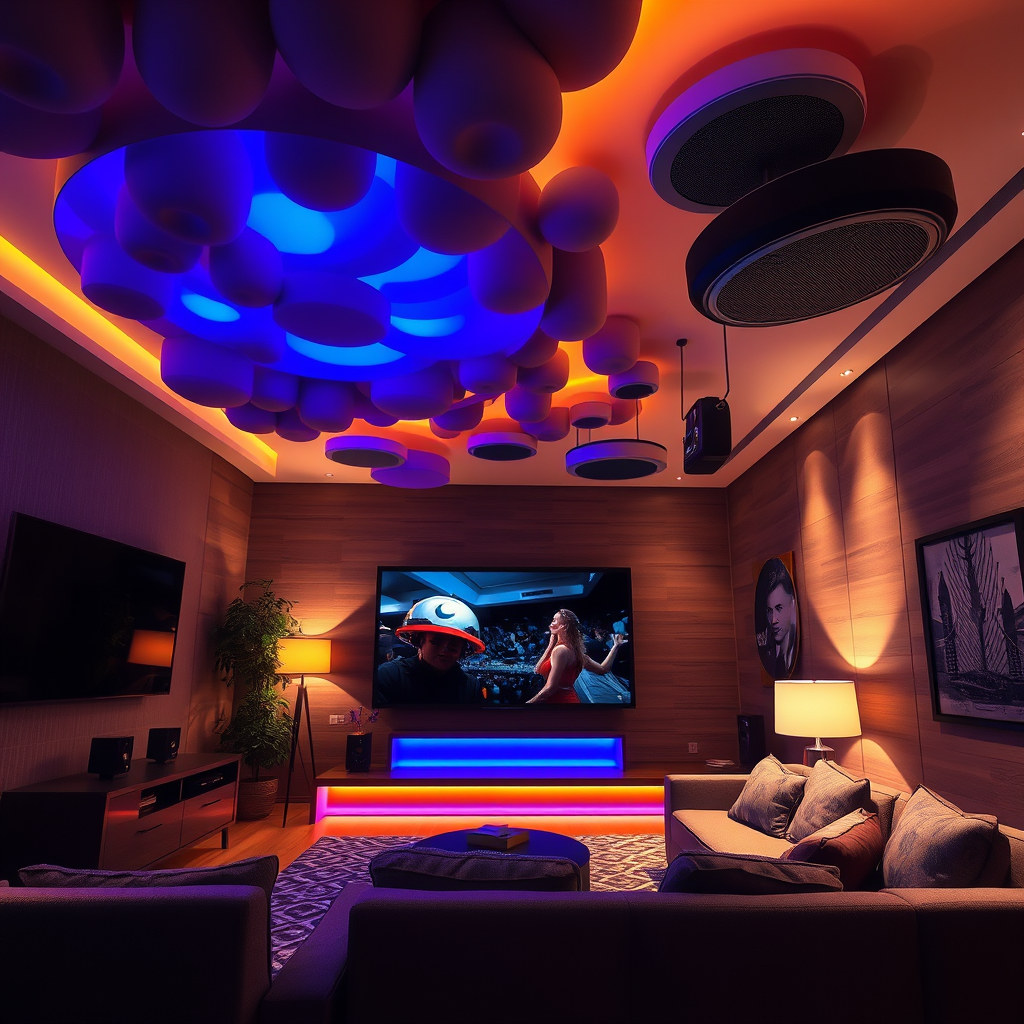
Dolby Atmos is a revolutionary audio technology that transforms your listening experience by creating a three-dimensional sound environment. Unlike traditional surround sound systems, which confine audio to channels, Dolby Atmos allows sound to move freely within a three-dimensional space. This is accomplished through the strategic placement of overhead speakers that simulate sound coming from above, enveloping the listener in a rich audio tapestry. Imagine the thrill of hearing a helicopter fly overhead or a rainstorm that seems to come from the ceiling — that’s the magic of Dolby Atmos!
The key to this immersive experience lies in understanding how sound travels and how it interacts with your listening environment. Dolby Atmos decodes audio in a way that allows it to be positioned anywhere in a three-dimensional space, providing a depth and realism that traditional formats simply can’t achieve. When you align your home theater setup with the principles of Dolby Atmos, you elevate your movie nights and music sessions to an entirely new level.
Ideal Height for Overhead Speakers
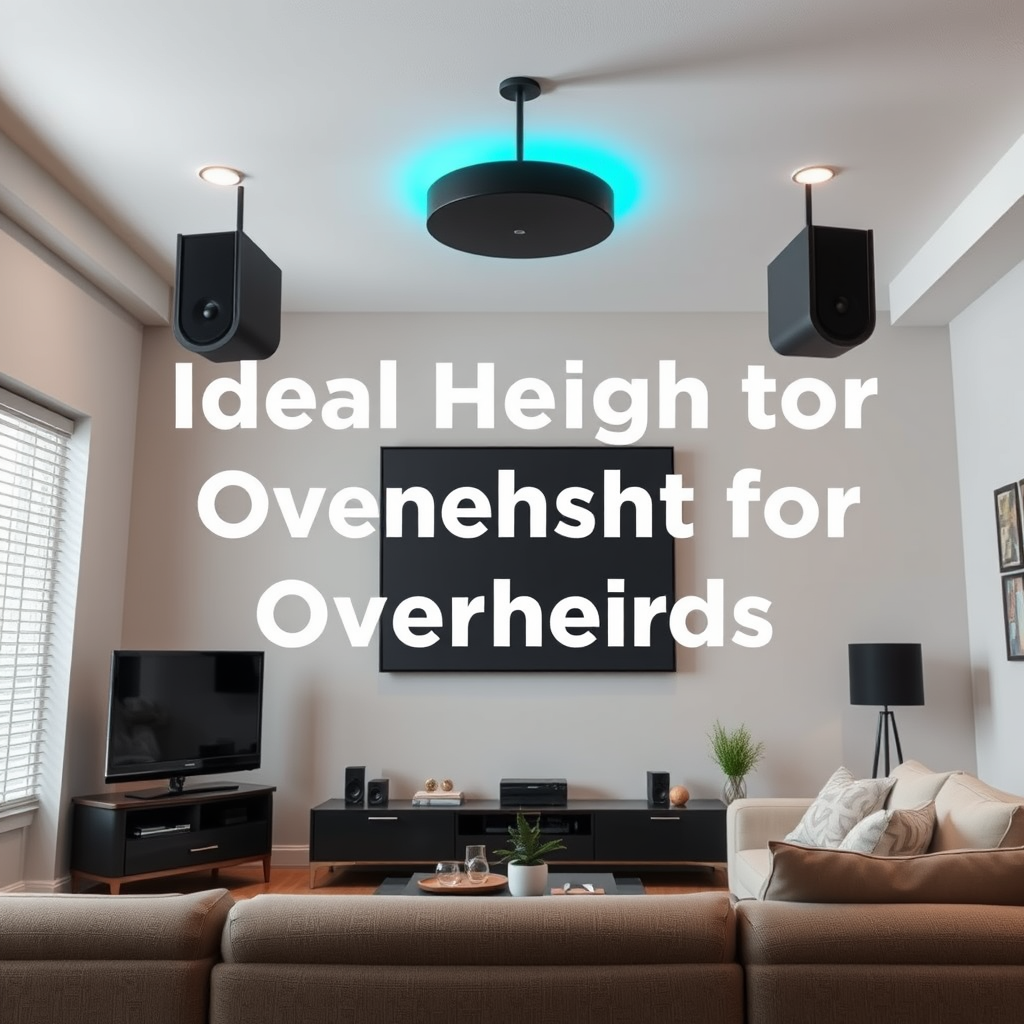
When it comes to the placement of your overhead speakers, height is everything! For optimal sound dispersion, positioning your speakers at a height of 7 to 9 feet is generally recommended. This range is ideal for most standard ceiling heights, allowing the sound to travel unobstructed to your listening area. However, every room is unique, and factors such as ceiling height and room size can influence this ideal.
For example, if you have higher ceilings, you might want to adjust the placement slightly higher to maintain the immersive experience, while in rooms with lower ceilings, you might find that a lower placement still yields excellent results. Always remember the goal: to create a balanced sound stage where audio feels like it’s coming from multiple directions, including above you.
Speaker Placement Options
There are several practical options for placing your Dolby Atmos overhead speakers, each with its own benefits.
– Ceiling-mounted speakers: This is the gold standard for overhead sound. Directly installing speakers in the ceiling provides a clean, unobtrusive look and allows for the best sound quality. These speakers can be flush-mounted, making them virtually invisible and contributing to a sleek aesthetic in your home theater.
– Up-firing speakers: If ceiling installation isn’t feasible, up-firing speakers are an excellent alternative. These speakers are designed to reflect sound off the ceiling, creating the illusion of overhead sound. While they may not provide the same direct sound as ceiling-mounted options, they can still deliver a satisfying Atmos experience when positioned correctly.
Choosing between these options will largely depend on your room’s architecture and your personal preferences. If you’re a DIY enthusiast, ceiling-mounted speakers may be an exciting project. However, if you prefer a less invasive setup, up-firing speakers can integrate seamlessly into your existing system.
Room Layout Considerations
The layout of your room plays a crucial role in the effectiveness of your Dolby Atmos setup. To ensure the best audio experience, position your speakers in line with the primary seating area. This alignment ensures that sound waves reach your ears as intended, fostering a more immersive experience.
Avoid placing any obstacles, such as furniture or decor, between the speakers and the listening area. These obstructions can muffle sound or cause reflections that disrupt the clarity of audio. Additionally, consider the shape of your room; irregularly shaped rooms may require more thoughtful speaker placement to achieve an evenly distributed sound field.
For example, if you have a long, narrow room, you might want to experiment with angling your speakers slightly towards the seating area. This adjustment can help focus the sound and enhance the immersive qualities of your audio experience.
Calibration and Testing
Once you have your speakers positioned, the next step is calibration. Properly calibrating your Dolby Atmos system is essential for achieving optimal performance. Many modern AV receivers come equipped with built-in calibration tools, which use microphones to measure sound and adjust speaker levels accordingly. These tools can help ensure that every speaker in your setup is balanced and working in harmony.
Additionally, consider using apps designed to help calibrate your home theater system. These apps often provide a more detailed analysis and allow for fine-tuning based on your specific room conditions. Don’t hesitate to test different configurations and placements. Even small adjustments can have a significant impact on sound quality.
Listening to a variety of content — from movies to music — during the calibration process will help you gauge the effectiveness of your setup. Pay attention to how sound feels; if it seems to envelop you without any specific direction, congratulations, you’ve got it right!
Additional Tips for Enhancing Sound Quality
To further enhance the sound quality of your Dolby Atmos setup, consider incorporating acoustic treatments into your home theater. These treatments can help reduce sound reflections, improve clarity, and create a more enjoyable listening environment. Options include wall panels, bass traps, and ceiling tiles designed to absorb sound and minimize echo.
Another excellent way to refine your audio experience is by experimenting with speaker angles. Slightly angling your overhead speakers can maximize sound directionality and further immerse you in the audio. Small tweaks can make a big difference, so don’t be afraid to get hands-on and find the perfect angle for your space.
Finally, ensure that your audio source is high-quality. Streaming services and Blu-ray discs that support Dolby Atmos will provide the best experience, as they are designed to take full advantage of the technology.
The best placement for Dolby Atmos overhead speakers is crucial for a stunning audio experience. By adhering to recommended heights, considering room layout, and calibrating your system, you can create an immersive home theater that brings movies and music to life. For further enhancement, explore acoustic treatments and speaker adjustments to refine your setup. Start optimizing your audio experience today!
Frequently Asked Questions
What is the best height for Dolby Atmos overhead speakers?
The optimal height for Dolby Atmos overhead speakers is typically between 7.1 to 9 feet above the listening area. This height allows sound to effectively reflect off the ceiling, creating an immersive 3D audio experience. It’s important to ensure that the speakers are angled correctly to direct sound towards the listening position for the best results.
How should I position my Dolby Atmos overhead speakers for optimal sound?
For optimal sound, Dolby Atmos overhead speakers should be placed directly above the main listening area, ideally spaced apart to create a balanced sound field. A recommended configuration is to position them in a 30-degree angle from the front and back speakers. If you have a flat ceiling, aim to mount them at least 2 feet away from the walls to minimize sound reflections that could disrupt the audio experience.
Why do I need to use overhead speakers for Dolby Atmos?
Overhead speakers are essential for Dolby Atmos because they add a vertical dimension to the soundstage, allowing for a more immersive experience. Traditional surround sound systems only provide audio in horizontal planes, while overhead speakers enable sound to come from above, simulating effects like raindrops or helicopters flying overhead. This creates a more realistic and engaging environment for movies, gaming, and music.
Which type of speaker is best for Dolby Atmos overhead installation?
The best type of speaker for Dolby Atmos overhead installation includes in-ceiling speakers or upward-firing speakers, which can bounce sound off the ceiling. In-ceiling speakers provide a clean look and can be positioned flush with the ceiling for a seamless aesthetic. Upward-firing speakers are ideal for setups where ceiling installation is not feasible, as they reflect sound to simulate overhead audio without extensive modifications.
What are common mistakes to avoid when installing Dolby Atmos overhead speakers?
Common mistakes to avoid when installing Dolby Atmos overhead speakers include improper speaker height, incorrect angling, and placement too close to walls. Mounting the speakers too low can diminish the immersive experience, while incorrect angling may result in sound not reaching the listening position effectively. Additionally, ensuring a proper distance from walls helps to prevent unwanted sound reflections that could muddy the audio quality.
References
- Dolby Atmos
- https://www.soundonsound.com/techniques/dolby-atmos-setup-guide
- https://www.techhive.com/article/3251087/how-to-set-up-a-dolby-atmos-home-theater.html
- https://www.crutchfield.com/S-vKZxBlN7H5/learn/how-to-set-up-a-dolby-atmos-system.html
- https://www.avsforum.com/threads/dolby-atmos-installation-guide.2201714/
