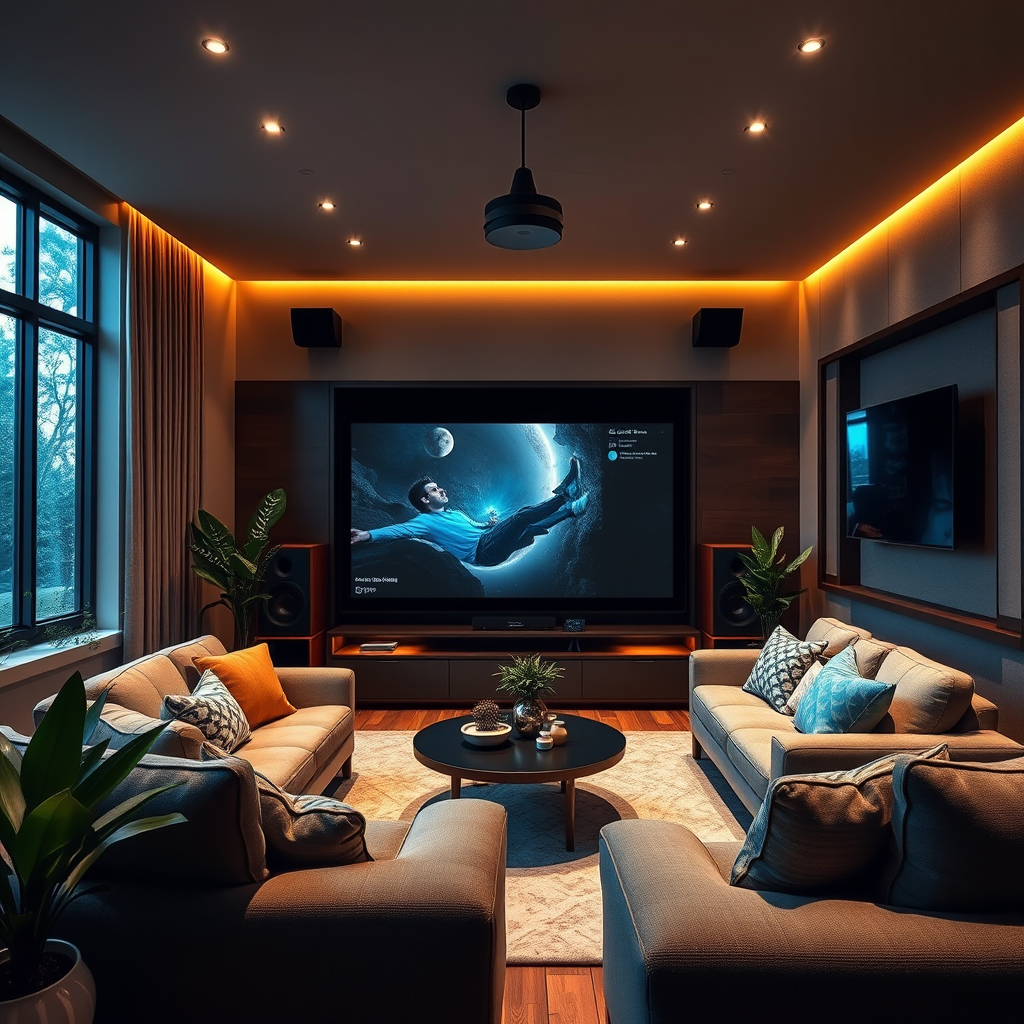
To achieve acoustic perfection in your home theater, focus on soundproofing, speaker placement, and room acoustics. By implementing strategic changes and utilizing the right materials, you can significantly enhance your listening experience. This guide will walk you through essential steps to create an immersive sound environment that transforms your movie nights into a cinematic delight.




Assess Your Room’s Acoustics
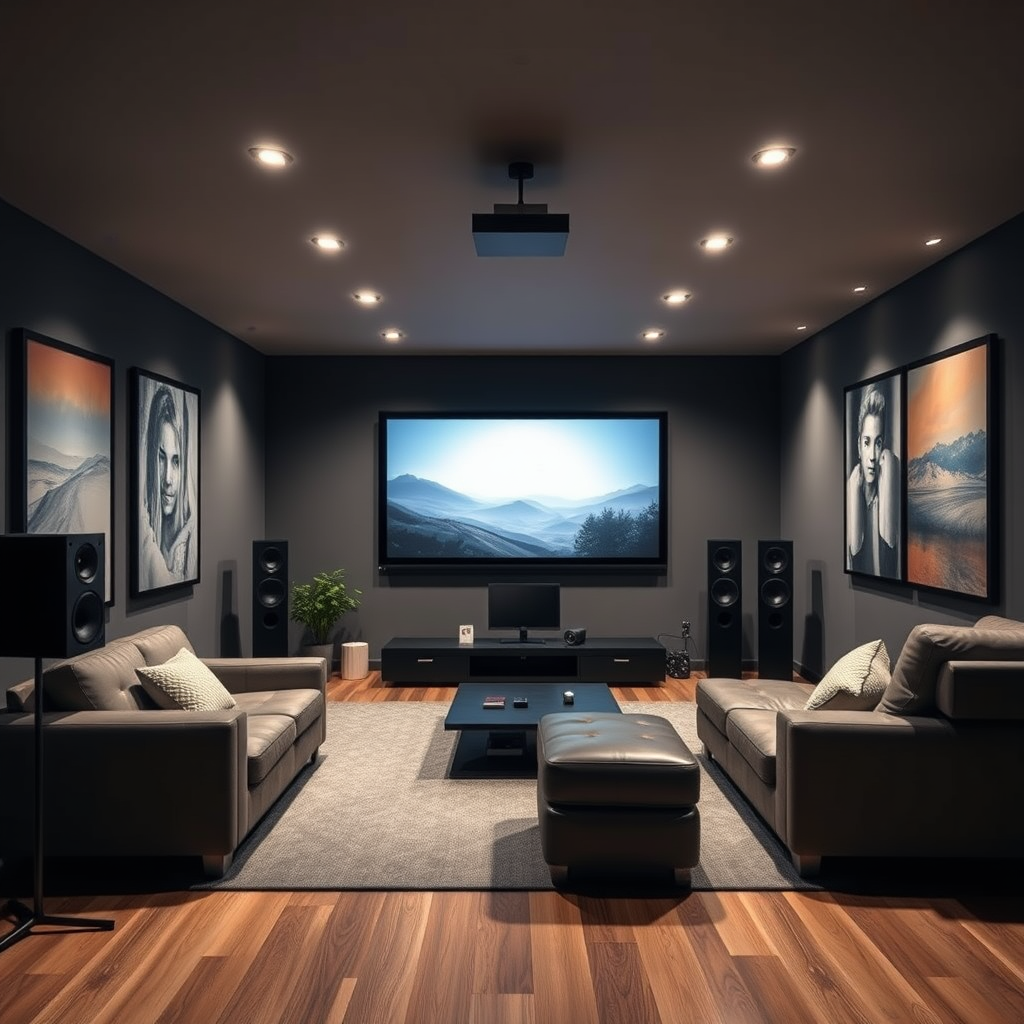
The first step in optimizing your home theater’s acoustics is to evaluate the shape and size of your room. Different room dimensions can greatly affect how sound waves travel. For instance, a square room may create standing waves that can muddy the sound, while a rectangular room might offer a more balanced acoustic profile. Pay attention to materials as well; hard surfaces like hardwood floors and glass windows can reflect sound waves, while soft materials such as carpets and curtains can absorb them.
Next, you should identify areas where sound may reflect or absorb. Walk around your room while clapping or speaking at a normal volume. Notice where the sound feels clear and where it may bounce back, creating unwanted echoes. Consider using a measurement app or sound level meter to analyze the acoustics more objectively. By understanding your room’s characteristics, you’ll be better equipped to make informed adjustments.
Soundproofing Techniques
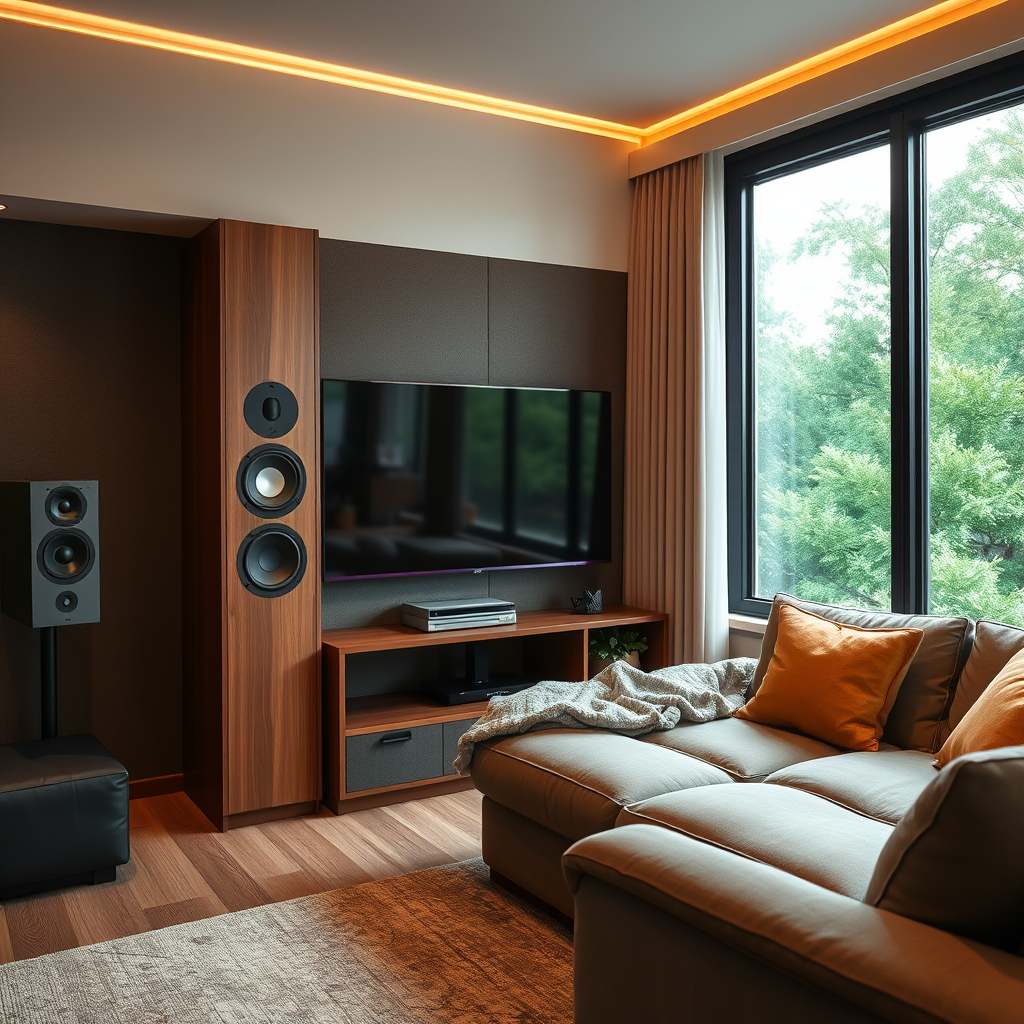
Soundproofing is crucial for minimizing external noise and maximizing your home theater experience. Start by using acoustic panels, which are designed to absorb sound and reduce echo. These panels can be mounted on walls or ceilings and come in various styles to match your decor. Additionally, soundproof curtains can be a fantastic investment; they not only block outside noise but also help in managing light, enhancing your viewing experience.
Don’t forget to seal gaps in windows and doors. Simple weather stripping can work wonders to prevent sound leakage. If you’re serious about soundproofing, consider adding mass to your walls with soundproof drywall or using mass-loaded vinyl. These materials can significantly reduce sound transmission, ensuring that your movie marathon remains undisturbed by the outside world.
Speaker Placement Strategies
Once your room is assessed and soundproofed, the next step is speaker placement. Positioning your speakers at ear level is essential for optimal sound delivery. If your speakers are too high or too low, you may miss out on the richness of the audio experience. Ideally, your front speakers should be aligned with your seated ear height, typically between 36 to 48 inches from the floor.
For surround sound setups, follow the “equilateral triangle” rule. This means placing your speakers so that they form an equilateral triangle with your main listening position. Each speaker should be equidistant from the listener, creating a balanced sound stage. Additionally, consider angling your speakers slightly towards the listening area to enhance clarity and directionality.
Optimize Furniture and Décor
Your furniture and decor play a significant role in shaping your home theater’s acoustics. Opt for plush, soft furniture that absorbs sound rather than reflecting it. A thick, comfortable sofa or armchair can help dampen sound waves, while a large area rug can minimize echoes from hard floors.
When arranging your décor, think strategically. Bookshelves filled with books, fabric wall hangings, and even strategically placed plants can all help break up sound waves, reducing reverberation. If you have hard surfaces, consider adding decor that absorbs sound, such as wall art made from textiles or sound-absorbing acoustic panels designed to look like art.
Calibration and Equipment Setup
Investing in a quality receiver is crucial for getting the best sound from your home theater system. Follow the manufacturer’s guidelines for setup and calibration, as many modern receivers come with built-in calibration systems that can automatically adjust settings based on the acoustics of your room.
Using sound measurement tools or apps can further fine-tune your speaker placement and settings. For instance, the popular app “Room EQ Wizard” can help analyze room acoustics and provide suggestions for optimization. This step is often overlooked but can greatly enhance your overall listening experience, ensuring that you get every ounce of quality from your audio equipment.
Maintenance and Upgrades
Regular maintenance is essential for optimal performance in your home theater. Periodically check and update your equipment to ensure everything is working correctly. Dust can accumulate in speakers and connections, leading to sound quality deterioration. Clean your devices and check connections regularly to prevent issues.
As your budget allows, consider upgrading to higher-quality speakers or subwoofers. Investing in better equipment can provide noticeable improvements in sound clarity and depth. Many enthusiasts find that even a modest upgrade can breathe new life into their audio experience.
By following these steps, you can transform your home theater into an acoustic haven. Embrace the art of sound optimization, and enjoy a cinematic experience like never before. With careful attention to room acoustics, soundproofing, speaker placement, and regular maintenance, you’ll create an inviting space that captivates your senses and brings your favorite films to life.
Frequently Asked Questions
What are the key factors to consider for optimizing my home theater’s acoustics?
When optimizing your home theater’s acoustics, consider factors such as room shape, size, and materials. Focus on minimizing sound reflections by using acoustic panels, carpets, and furniture that absorb sound. Additionally, place speakers at the correct height and distance from seating areas to ensure optimal sound distribution and clarity.
How can I reduce unwanted noise in my home theater?
To reduce unwanted noise, start by sealing gaps in windows and doors to prevent outside noise from entering. Implement soundproofing techniques like adding thick curtains, using soundproof drywall, and insulating walls. Additionally, consider using acoustic foam panels to dampen sound within the room, creating a quieter environment for an immersive viewing experience.
Why is speaker placement important in a home theater setup?
Speaker placement is crucial in a home theater setup because it directly affects sound quality and the overall listening experience. Properly positioned speakers create a more immersive soundstage, ensuring that dialogue, music, and sound effects are clear and well-balanced. For the best results, follow the recommended distances and angles for your specific speaker type and layout.
What are the best materials for soundproofing a home theater?
The best materials for soundproofing a home theater include acoustic panels, mass-loaded vinyl, and soundproof drywall. Acoustic panels absorb sound waves, reducing echo, while mass-loaded vinyl adds density to walls, preventing sound transmission. Additionally, carpets and area rugs can help minimize sound reflections, making them ideal for flooring in a home theater.
Which acoustic treatments are most effective for improving sound quality in a home theater?
The most effective acoustic treatments for improving sound quality in a home theater include bass traps, diffusers, and acoustic panels. Bass traps help control low-frequency sounds, while diffusers scatter sound waves to create a more balanced sound environment. Using a combination of these treatments strategically throughout your room will enhance clarity and provide a richer audio experience.
References
- Home cinema
- https://www.techhive.com/article/261651/how-to-set-up-a-home-theater-sound-system.html
- https://www.soundandvision.com/content/how-optimize-your-home-theater-acoustics
- https://www.npr.org/sections/monkeysee/2011/12/20/144192473/how-to-build-the-ultimate-home-theater
- https://www.acoustics.com.au/optimizing-your-home-theater-acoustics/
- https://www.asa.org/ASA/ACOUSTICS/How_to_Design_a_Home_Theater.aspx
- https://www.edn.com/home-theater-acoustics-and-soundproofing/
- https://www.hgtv.com/design/remodel/how-to-create-a-home-theater-room
- https://www.sciencedirect.com/science/article/pii/S2210670717316631