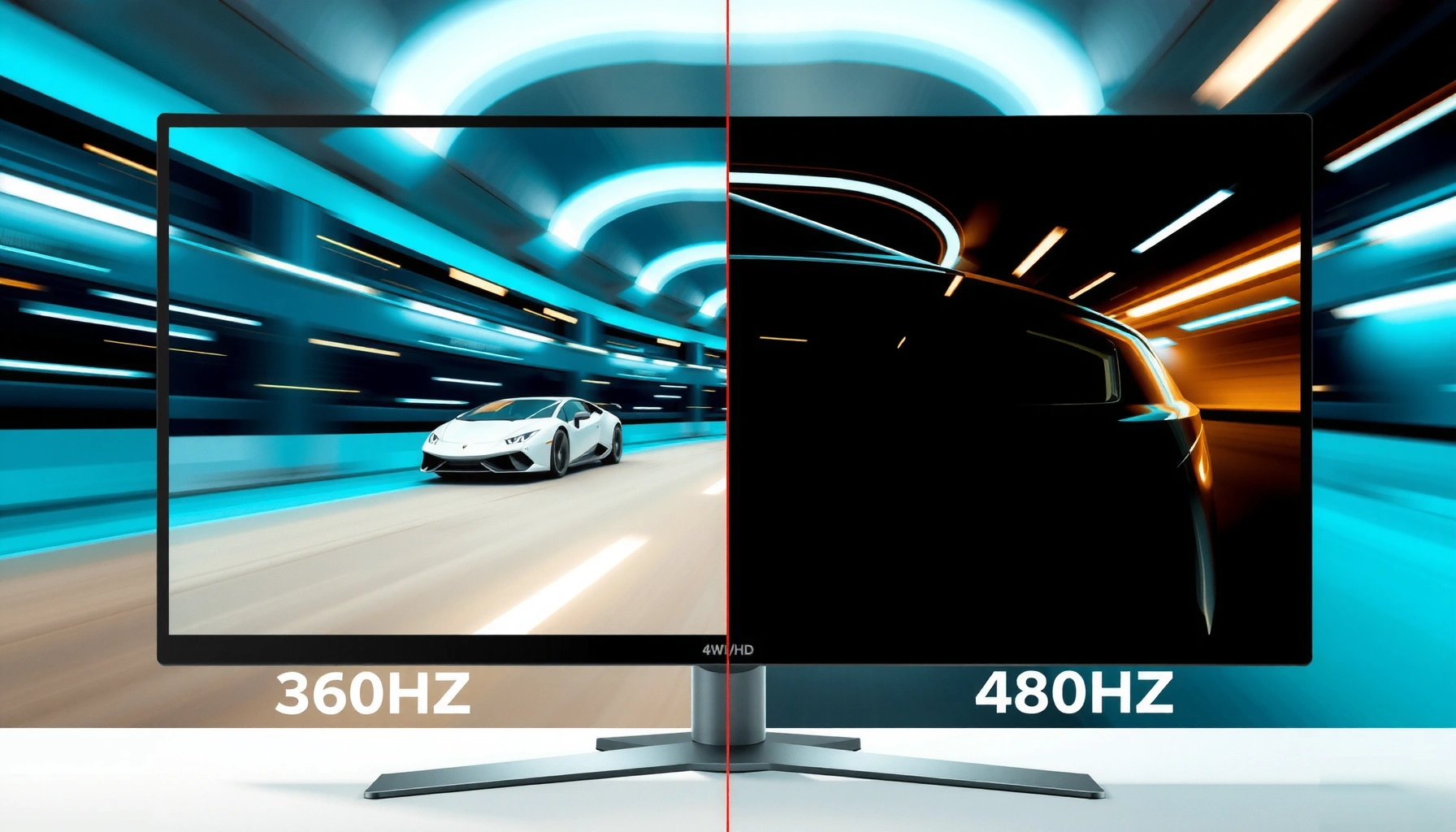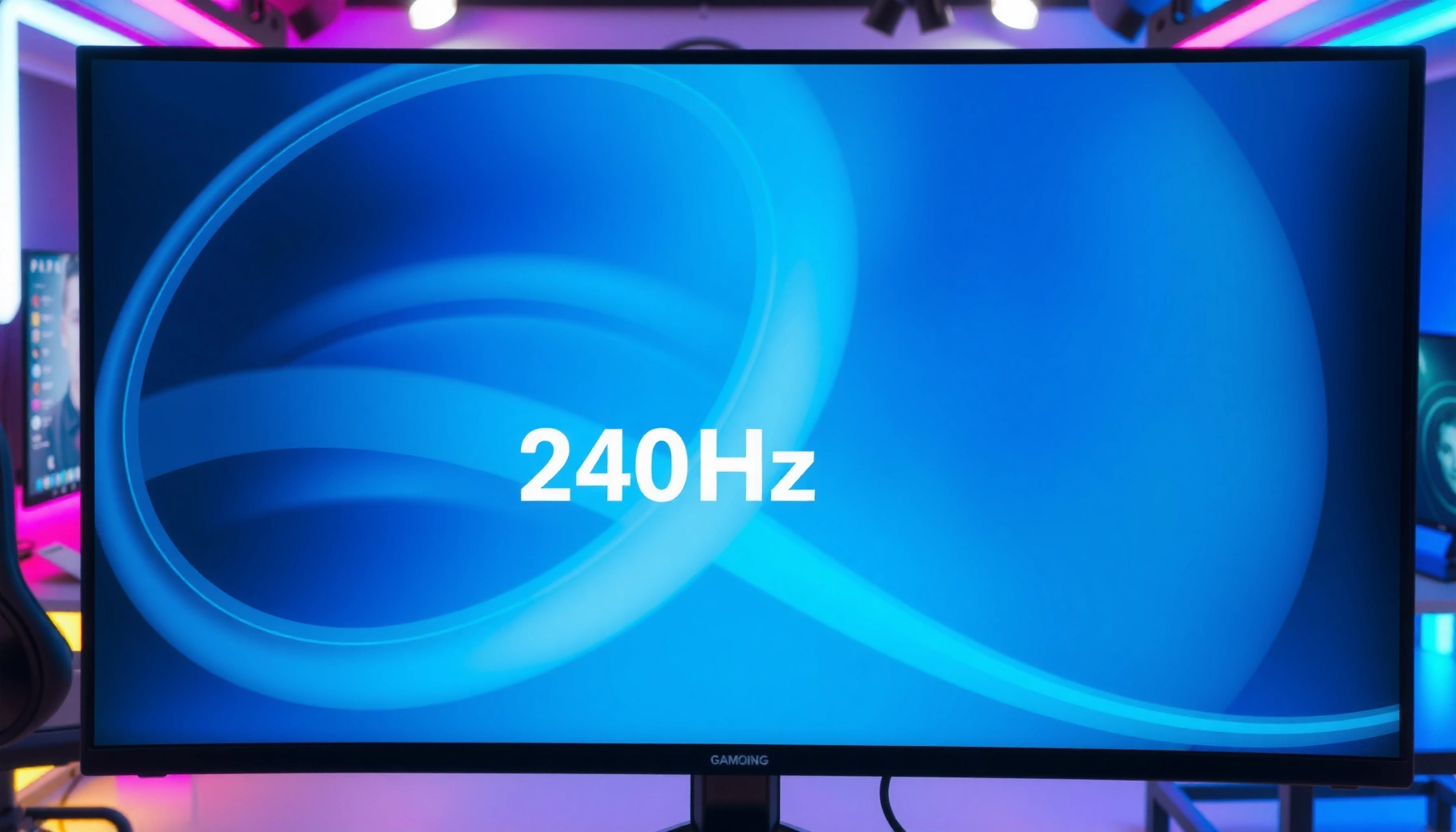
Comparison of 360Hz and 480Hz motion clarity in gaming displays

360Hz vs 480Hz Motion Clarity: Which Looks Sharper?

If you’re choosing between 360Hz and 480Hz for motion clarity, the sharper option is 480Hz—especially for fast-moving content where reduced sample-and-hold blur makes every frame read cleaner. This answer depends on your setup, but under typical high-refresh gaming conditions, 480Hz produces the most noticeable improvement when motion is the limiting factor. Next, we’ll pinpoint when…

Read Full News
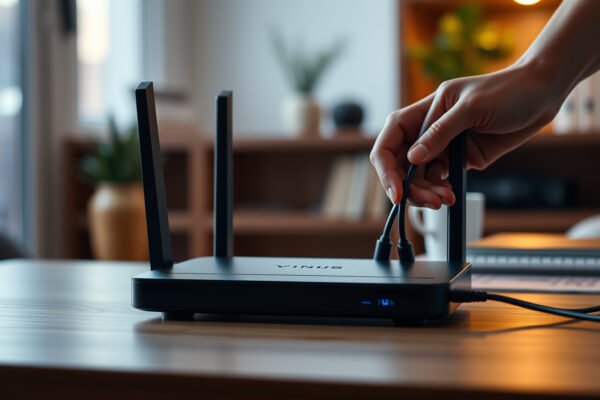
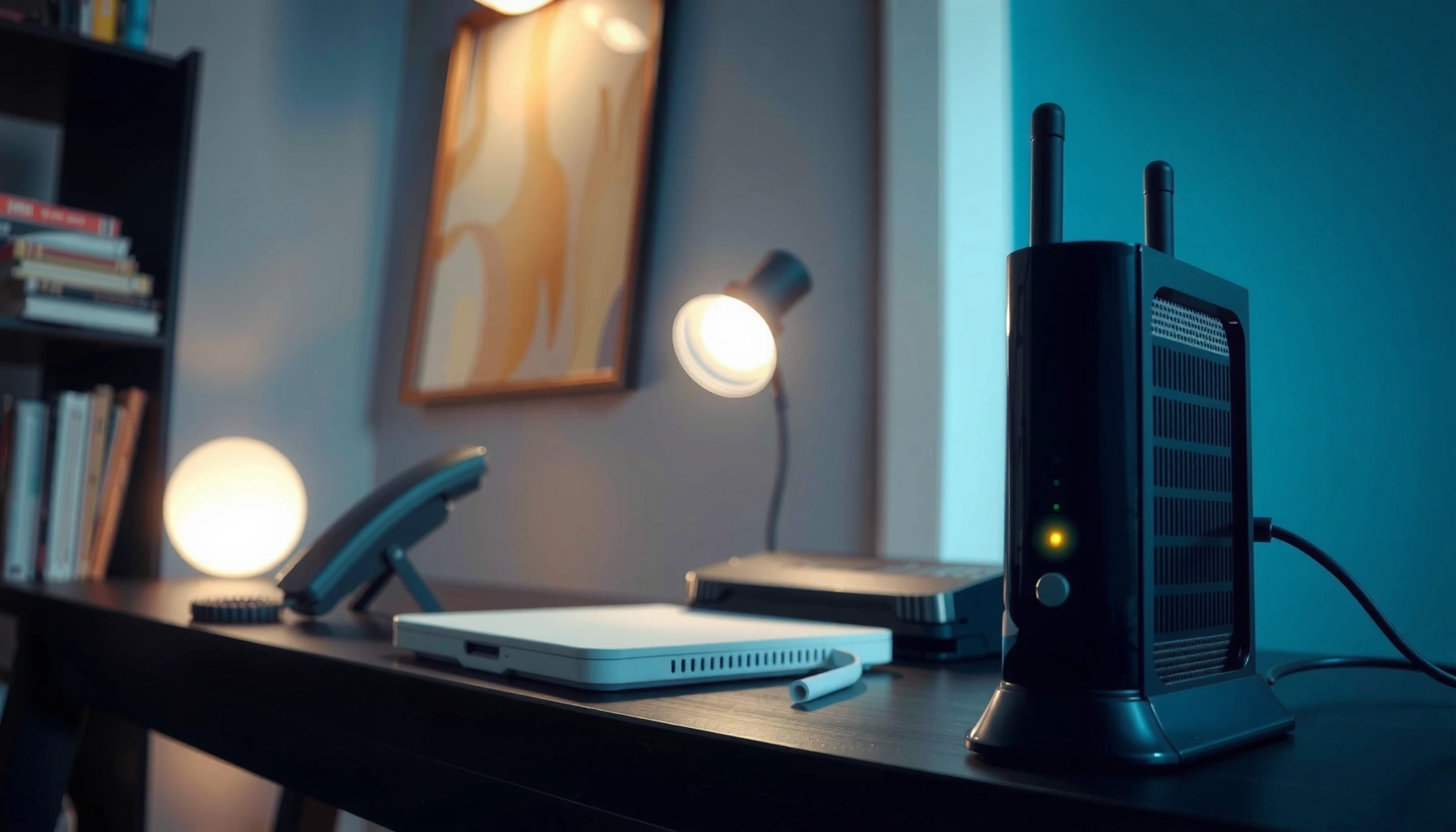
A modern office setup with Wi-Fi routers and devices, illustrating practical fixes to enhance Wi-Fi connectivity.

How to Improve Wi-Fi in Offices: Practical Fixes That Work

Fixing office Wi‑Fi starts with one decisive question: why your signal drops and your speeds crawl—and what to do that actually works. This guide delivers practical, tested improvements, from relocating access points and correcting channel interference to upgrading hardware where it matters. Follow these fixes and you’ll get steadier coverage, faster connections, and fewer “it’s…

Read Full News
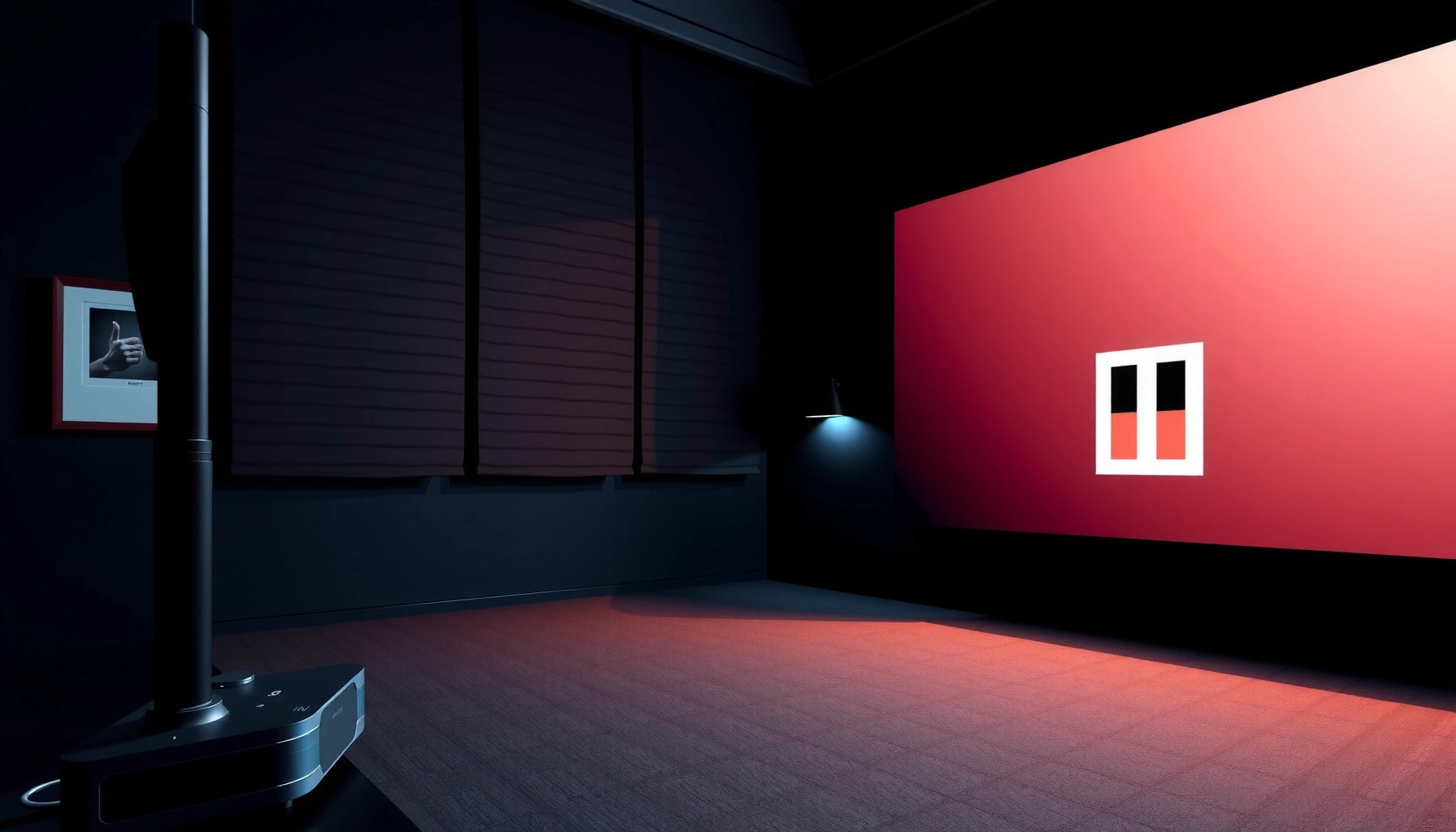
Illustration of common projector aspect ratio problems and solutions for better image display.

Common Projector Aspect Ratio Problems and How to Solve Them

Struggling with common projector aspect ratio problems? This guide delivers the direct fixes—whether your image looks stretched, squished, cropped, or letterboxed—by matching the projector’s aspect ratio to the screen and the source signal. You’ll learn exactly how to choose the right settings and resolution so the picture fills the frame correctly every time. Most projector…

Read Full News