
The integration of AI technology is revolutionizing the battle against unauthorized video sharing, providing powerful tools to detect and prevent copyright infringement. By leveraging advanced algorithms, AI can identify unauthorized content, protect intellectual property, and ensure compliance with copyright laws, making it easier for content creators to safeguard their work. Let’s dive deeper into how AI is transforming this crucial aspect of digital media.
Understanding Unauthorized Video Sharing
Unauthorized video sharing refers to the distribution of video content without the permission of the content owner. This can occur through various channels, including social media platforms, file-sharing sites, and even direct downloads. The implications for content creators are significant; they not only lose potential revenue but also see their work devalued in the eyes of the public. Unauthorized sharing undermines the hard work and creativity that goes into producing original content, leading to a more challenging environment for creators to thrive.
Common platforms where unauthorized sharing occurs include popular social media sites like YouTube, Facebook, and Instagram, as well as file-sharing networks such as Pirate Bay or BitTorrent. These platforms can make it easy for users to share videos, but without proper oversight, they also facilitate the rampant distribution of copyrighted material. As a result, content creators often find themselves fighting an uphill battle against unauthorized use of their works.
How AI Technology Works in Detection
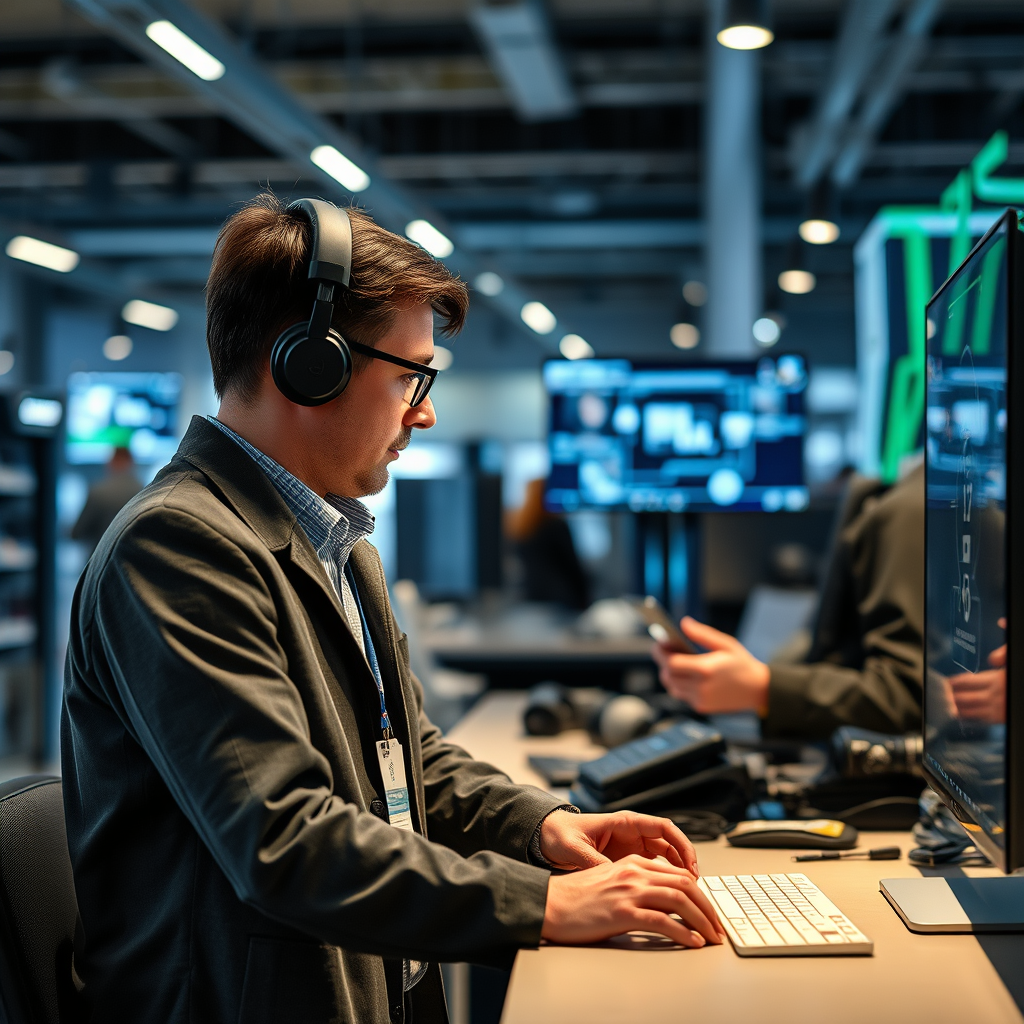
AI technology utilizes sophisticated algorithms designed for content recognition, primarily through image and audio analysis. These algorithms scan videos for recognizable patterns, such as specific frames, audio tracks, or even unique visual elements associated with copyrighted content. For instance, platforms like YouTube employ Content ID, an AI-driven system that analyzes uploaded videos against a database of copyrighted material to identify potential infringements.
Furthermore, machine learning models enhance detection accuracy over time. These models learn from previous cases, continually refining their ability to recognize unauthorized content. As they process more data, they become increasingly adept at distinguishing between original and unauthorized material, significantly improving the chances of properly enforcing copyright laws. This adaptability is one of the key strengths of AI in the fight against unauthorized video sharing.
Benefits of AI in Copyright Protection
One of the most significant advantages of AI in copyright protection is its enhanced speed and efficiency. Manual methods of tracking unauthorized content can be time-consuming and labor-intensive, requiring significant human resources. In contrast, AI can quickly analyze vast amounts of data and identify potential infringements in real time. This rapid response is crucial for minimizing damage and protecting the interests of content creators.
Moreover, proactive measures facilitated by AI can lead to a substantial reduction in revenue loss for creators and companies. By identifying and addressing unauthorized sharing at an early stage, content owners can mitigate the financial impact of copyright infringement. For example, when a video is flagged by an AI system, the content owner can take swift action, such as issuing a takedown notice or negotiating licensing agreements, thereby preserving their revenue streams.
Case Studies of AI in Action
Several major streaming platforms have successfully implemented AI technologies to combat unauthorized video sharing. One prominent example is Netflix, which uses advanced machine learning algorithms to detect and respond to unauthorized uploads on various platforms. By continually updating its database with new content and patterns of infringement, Netflix has significantly improved its ability to enforce copyright and protect its original programming.
Another successful case is that of Facebook, which has deployed AI systems to monitor videos shared across its platform. By utilizing audio and visual recognition technology, Facebook can identify copyrighted material and automatically flag or remove unauthorized content. This proactive approach has resulted in a noticeable decrease in the prevalence of copyright infringement on the platform, benefiting both creators and the community.
Challenges and Limitations of AI Solutions
Despite the advantages of AI in copyright protection, there are challenges and limitations that must be acknowledged. One significant concern is the potential for false positives, where legitimate content is mistakenly flagged as unauthorized. This can lead to frustration for content creators who may find their work unfairly removed or restricted. As a result, human oversight remains essential to ensure fairness and accuracy in enforcement.
Additionally, privacy concerns and ethical considerations arise when implementing AI monitoring. The use of AI to track video sharing raises questions about surveillance and the potential infringement on users’ rights. It is vital for companies to balance effective copyright enforcement with respect for individual privacy. Establishing clear guidelines and ethical standards for AI use in this context is crucial for maintaining trust among users and creators alike.
Future Trends in AI and Video Sharing
Looking ahead, advancements in AI technology will likely continue to shape the landscape of copyright enforcement and unauthorized video sharing. As AI algorithms become more sophisticated, we can expect improvements in detection accuracy, enabling even more effective monitoring of content across various platforms. Additionally, the integration of AI with blockchain technology could offer new methods for verifying ownership and licensing, further protecting creators’ rights.
Legislation and policy will also play a crucial role in shaping the effectiveness of AI in this area. As governments and regulatory bodies develop new laws to address digital copyright issues, they will need to consider the implications of AI technology. Striking a balance between protecting intellectual property and fostering innovation will be essential for creating a fair environment for all stakeholders.
In summary, the role of AI in preventing unauthorized video sharing is increasingly critical as digital content continues to proliferate. By understanding its capabilities and limitations, content creators can better navigate the complexities of copyright enforcement in the digital age. Staying informed about AI developments and considering protective measures can help safeguard valuable creative works from unauthorized distribution.
As we move forward, it’s essential for creators to remain vigilant about protecting their content while embracing the advancements that AI offers. Stay engaged with industry trends, explore the tools available to you, and don’t hesitate to utilize AI-driven solutions to protect your intellectual property against unauthorized sharing.
Frequently Asked Questions
What is the role of AI in preventing unauthorized video sharing?
AI plays a crucial role in preventing unauthorized video sharing by employing advanced algorithms to detect, track, and manage copyrighted content across various platforms. Utilizing machine learning and computer vision, AI systems can analyze video files, identify unique visual and audio signatures, and flag any instances of unauthorized distribution. This proactive approach helps content creators protect their intellectual property and maintain control over their digital assets.
How does AI detect unauthorized video content online?
AI detects unauthorized video content through several techniques, including content recognition, fingerprinting, and metadata analysis. By creating unique digital fingerprints of original videos, AI tools can scan platforms for duplicates or altered versions. Additionally, machine learning models can analyze patterns of user behavior and video sharing to identify potential infringements, providing a comprehensive solution for monitoring video content across the internet.
Why is AI important for content creators in protecting their videos?
AI is essential for content creators in protecting their videos because it enhances the efficiency and accuracy of monitoring unauthorized sharing. Manual tracking is time-consuming and often ineffective, but AI can process vast amounts of data quickly, allowing creators to address infringements in real-time. This not only helps in safeguarding their work but also reinforces their revenue streams by ensuring that legitimate views and interactions are not diluted by unauthorized copies.
What are the best AI tools available for preventing unauthorized video sharing?
Some of the best AI tools for preventing unauthorized video sharing include Content ID by YouTube, which allows creators to identify and manage copyrighted content, and services like Pex and Audiam that provide comprehensive content detection and monetization solutions. Additionally, platforms like ViacomCBS’s Video Intelligence and IBM Watson offer advanced video recognition capabilities that empower creators to enforce copyright and protect their intellectual property effectively.
Which industries benefit the most from AI in preventing unauthorized video sharing?
Industries that benefit the most from AI in preventing unauthorized video sharing include entertainment, education, and advertising. In the entertainment sector, filmmakers and musicians rely on AI to safeguard their creative works from piracy. Educational institutions use AI to protect instructional videos, while advertisers leverage it to ensure that promotional content is not misused or distributed without consent, thereby maintaining brand integrity and revenue.
References
- Online video platform
- https://www.bbc.com/news/technology-56887613
- https://www.nature.com/articles/s41599-021-00722-3
- https://www.researchgate.net/publication/341815788_Artificial_Intelligence_in_Digital_Content_Protection
- https://www.nist.gov/news-events/news/2020/09/nist-research-could-help-protect-against-illegal-video-sharing
- https://www.aaai.org/ojs/index.php/aimagazine/article/view/2020-2-7
- https://www.sciencedirect.com/science/article/pii/S0167739X21000489
- https://www.igi-global.com/chapter/ai-based-approaches-for-digital-rights-management/230884