
AI plays a critical role in protecting display systems from hacking by enhancing security measures and detecting vulnerabilities in real-time. As technology continues to evolve, so do the tactics used by cybercriminals, making it essential to adopt advanced solutions like artificial intelligence. This article will explore how AI technologies, such as machine learning and predictive analytics, are being utilized to create robust defenses for display systems, ensuring their integrity and reliability.




Understanding Display Systems and Their Vulnerabilities
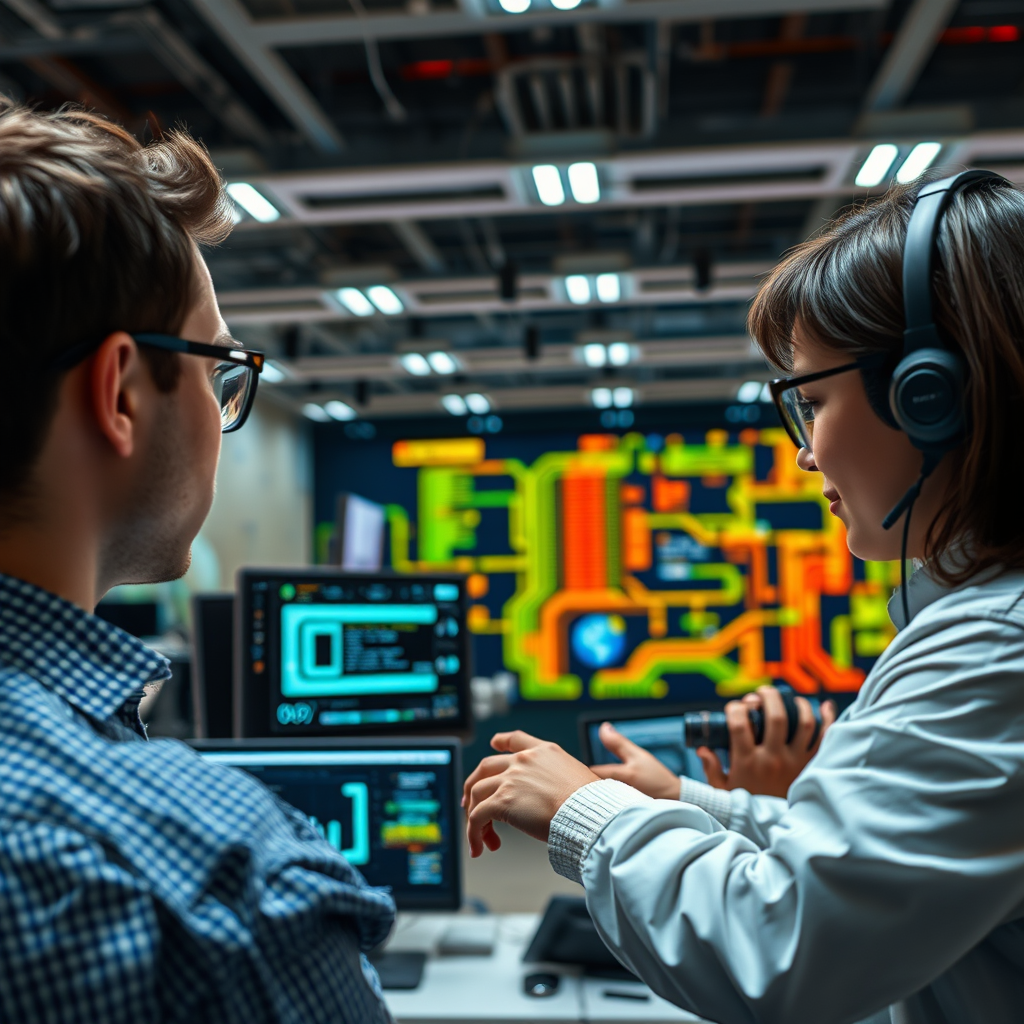
Display systems are integral to various industries, including retail, transportation, education, and entertainment. From digital signage that engages customers in retail spaces to real-time information displays in airports, these systems play a crucial role in communication and information dissemination. However, with their growing reliance on network connectivity and the internet, display systems are becoming increasingly vulnerable to hacking attempts.
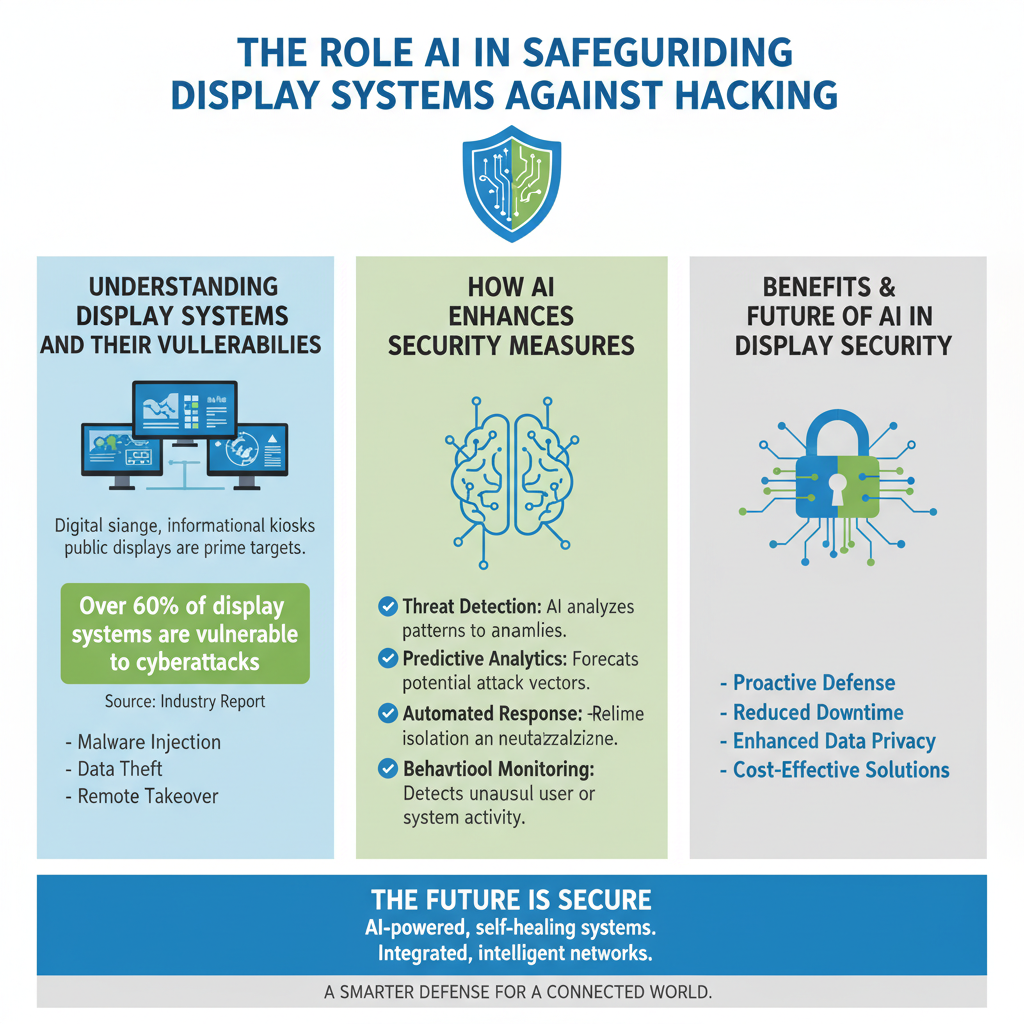
Common vulnerabilities that make display systems prime targets include outdated software, weak authentication processes, and lack of encryption. For instance, many display systems rely on default passwords or have not been updated with the latest security patches, making them susceptible to unauthorized access. Additionally, physical vulnerabilities, such as unsecured access points, can also be exploited by hackers to gain control over these systems. Understanding these vulnerabilities is the first step toward implementing effective safeguards.
How AI Enhances Security Measures
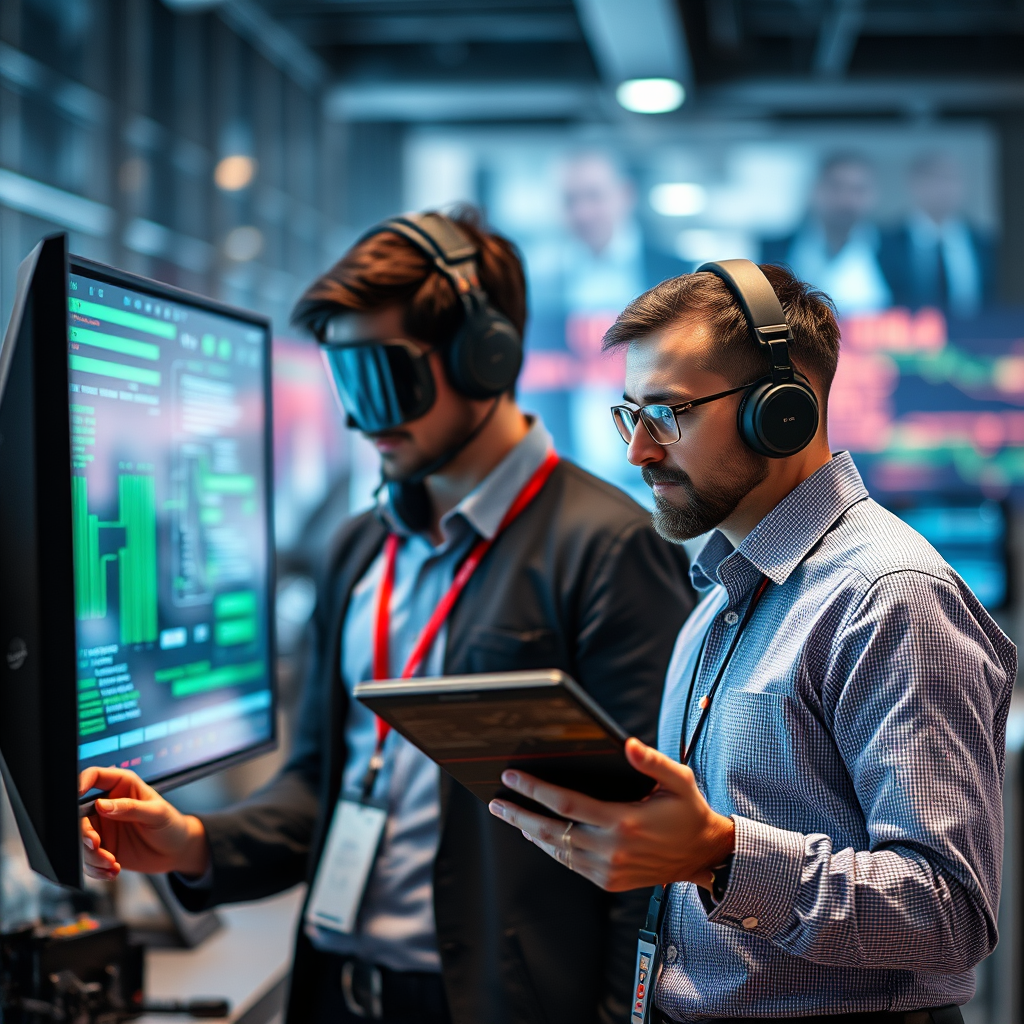
Artificial intelligence enhances security measures in display systems primarily through the implementation of machine learning algorithms. These algorithms are designed to learn from historical data patterns and identify anomalies that may indicate a potential threat. For example, if a display system usually operates within a certain network bandwidth and suddenly spikes, AI can flag this unusual behavior for further investigation.
Moreover, AI automates security protocols and responses, allowing for quicker and more effective mitigation of threats. With AI-driven systems, organizations can set predefined responses for specific incidents, ensuring that when a potential threat is detected, the system can automatically initiate countermeasures, such as isolating affected components or alerting security personnel. This automation not only improves response times but also reduces the workload on IT teams, allowing them to focus on more strategic initiatives.
Real-Time Monitoring and Threat Detection
One of the standout capabilities of AI is its role in continuous monitoring of display systems for unusual activities. AI systems can analyze vast amounts of data in real-time, providing a level of vigilance that manual monitoring simply cannot achieve. This constant scrutiny means that potential breaches or suspicious activities can be detected almost instantaneously.
Consider the case of a large retail chain that implemented AI-driven monitoring for its digital signage. By using AI algorithms to analyze traffic patterns and user interactions with their displays, the company was able to identify a series of unauthorized access attempts that would have otherwise gone unnoticed. Thanks to the timely detection, they were able to enhance their security protocols and prevent a significant data breach. Such case studies highlight the efficacy of AI in providing a robust defense against hacking attempts.
Predictive Analytics for Proactive Defense
Predictive analytics is another powerful tool in the AI arsenal, allowing organizations to forecast potential security breaches before they occur. By analyzing historical data and identifying patterns associated with previous attacks, AI can help predict when and where a vulnerability might be exploited next. This proactive defense strategy enables organizations to strengthen their security measures in anticipation of potential threats.
The benefits of leveraging historical data extend beyond mere predictions. It allows organizations to refine their security strategies based on real-world scenarios. For instance, if a specific type of attack has been prevalent in the industry, organizations can focus their resources on fortifying those areas, rather than adopting a one-size-fits-all approach. This targeted strategy not only improves security but also optimizes resource allocation, making it a smart investment for businesses.
Integrating AI with Existing Security Frameworks
Integrating AI tools into current security infrastructures can greatly enhance the defenses of display systems. However, this process must be approached strategically. Organizations should start by conducting a thorough assessment of their existing security measures to identify gaps that AI can fill. This may involve upgrading outdated systems, implementing AI-driven threat detection tools, and ensuring that all components of the display systems are compatible with new technology.
Challenges do exist when combining AI with traditional security measures. For example, there may be resistance from staff who are accustomed to existing protocols or concerns about the cost of implementation. To overcome these hurdles, organizations should provide training and education about the benefits of AI, ensuring that all team members are on board with the transition. Ultimately, a collaborative approach will yield the best results, enhancing security without disrupting operations.
Future Trends in AI Security for Display Systems
As technology continues to advance, several emerging technologies in AI are expected to further enhance security for display systems. For instance, the development of more sophisticated neural networks and deep learning models will allow for even greater accuracy in threat detection. Additionally, the integration of AI with blockchain technology could lead to more secure and tamper-proof data management systems.
Looking ahead, we can predict that display system security will evolve to include more automated responses, reducing the need for human intervention in routine monitoring. Furthermore, as cyber threats grow in complexity, AI will likely adapt by using advanced threat intelligence to stay one step ahead of hackers. Organizations that embrace these trends will be better positioned to protect their display systems and maintain customer trust.
AI is revolutionizing the way we protect display systems from hacking by providing innovative solutions and proactive measures. By enhancing security through machine learning, real-time monitoring, and predictive analytics, AI is paving the way for a more secure future. As we continue to advance in technology, integrating AI into security frameworks will be essential for safeguarding these systems against evolving threats. Stay informed and consider implementing AI-driven security solutions to enhance your display systems’ resilience.
Frequently Asked Questions
What are the main ways AI protects display systems from hacking?
AI protects display systems from hacking through various techniques, including real-time threat detection, behavior analysis, and automated response systems. By continuously monitoring network traffic and user behavior, AI can identify anomalies that suggest a potential breach. Additionally, machine learning algorithms can adaptively learn from past attacks, improving the system’s defenses over time and providing a robust layer of security against evolving threats.
How does AI enhance the security of digital signage systems?
AI enhances the security of digital signage systems by employing advanced algorithms that analyze data patterns for unusual activity. For instance, AI can detect unauthorized access attempts and automatically lock down systems to prevent further intrusion. Furthermore, AI-driven analytics can provide insights into system vulnerabilities, enabling businesses to proactively address security gaps before they can be exploited by hackers.
Why is traditional security insufficient for protecting display systems?
Traditional security measures, such as firewalls and antivirus software, often lack the real-time responsiveness required to thwart sophisticated hacking attempts targeting display systems. These conventional methods can be ineffective against advanced persistent threats, which are designed to evade basic security protocols. AI offers a dynamic approach by continuously learning from new threats and adapting defenses, making it a vital component of modern cybersecurity strategies for display systems.
What are the best AI tools for safeguarding display systems from cyber threats?
Some of the best AI tools for safeguarding display systems include IBM Watson for Cyber Security, Darktrace, and CrowdStrike. These tools leverage machine learning and AI to analyze vast amounts of data, detect anomalies, and provide predictive insights into potential vulnerabilities. By implementing these advanced tools, organizations can significantly enhance their protection against cyber threats targeting display systems.
Which industries benefit most from AI-driven security for display systems?
Industries such as retail, healthcare, transportation, and education significantly benefit from AI-driven security for display systems. In retail, for instance, protecting digital signage from hacking is essential to safeguard customer data and maintain brand reputation. Similarly, in healthcare, securing display systems is critical to protect sensitive patient information, while in transportation, it ensures the integrity of information shared with the public, making AI a crucial ally in these sectors.
References
- Artificial intelligence
- https://www.nist.gov/publications/guide-using-artificial-intelligence-cybersecurity
- https://www.cisa.gov/news-events/featured-stories/2020/08/11/ai-cybersecurity
- https://www.forbes.com/sites/bernardmarr/2021/06/07/how-ai-is-changing-the-cybersecurity-game/
- https://www.sciencedirect.com/science/article/abs/pii/S1361372321000159
- https://www.bbc.com/news/technology-56395846
- https://www.nytimes.com/2021/10/12/technology/cybersecurity-ai.html
- https://www.owasp.org/index.php/Artificial_Intelligence_in_Cybersecurity
- https://cybersecurityventures.com/cybersecurity-and-artificial-intelligence/
