
Sound staging is all about how your audio system creates a vivid sense of space, allowing you to pinpoint where each instrument and vocal sits within a three-dimensional soundscape. This capability significantly enhances your listening experience by making music feel more immersive and realistic. In this article, we’ll dive deeper into what sound staging is, how it influences audio quality, the various factors that contribute to it, and practical tips for enhancing your own sound staging setup at home or in a professional environment.


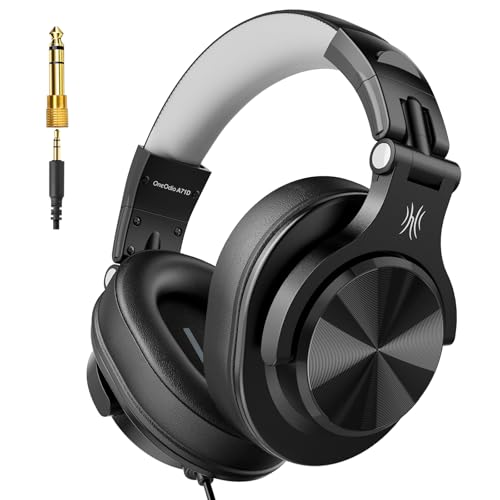

Understanding Sound Staging

– Definition: Sound staging refers to the perceived spatial arrangement of sound sources within a listening environment. This involves not just left and right placement, but also height and depth, giving you the sensation of being surrounded by the music or sound effects. Think of it like a virtual concert where you can feel the distance between the lead singer and the back-up musicians.
– Importance: The importance of sound staging cannot be overstated. It enhances the realism and immersion of audio experiences, making music and soundtracks more engaging. When sound staging is done well, you can hear the subtle nuances of a live performance—like the way a guitar riff might resonate from one side of the stage while a vocalist stands front and center. This spatial clarity allows for a richer emotional experience, making you feel like you are part of the performance rather than just a distant observer.

Factors Influencing Sound Staging

– Speaker Placement: The positioning of your speakers is one of the most critical factors influencing how sound is perceived. For instance, if your speakers are too close to a wall, the sound can become muddled, losing its clarity and depth. Placing them at ear level and at an equal distance from your listening position can create a more balanced sound stage. Experimenting with angles—like toeing in the speakers slightly toward the listener—can also enhance the perceived width and depth of the sound.
– Room Acoustics: The room where you listen plays a significant role in sound staging. Factors such as wall materials, room dimensions, and furniture can all affect how sound waves behave. For example, hardwood floors can reflect sound differently than carpets, which absorb sound. If your room has a lot of hard surfaces, it can lead to echoes and a less defined sound stage. Conversely, a room with soft furnishings can help to absorb excess sound and create a clearer audio experience. Investing in acoustic panels or bass traps can significantly improve your room’s acoustics and, consequently, your sound staging.
Types of Sound Staging
– Stereo Sound Staging: This is the most common form of sound staging, utilizing two speakers to create a left and right sound field. In a well-set-up stereo environment, you should be able to localize sounds within that field. For instance, a well-mixed song will allow you to hear a guitar on the left, a vocal in the center, and a keyboard on the right, giving you a sense of width.
– Surround Sound Staging: For a more immersive experience, surround sound staging employs multiple speakers placed around the listener, often used in home theaters. This type of setup allows you to experience sound from all directions, which is particularly effective for movies and gaming. Imagine watching an action movie where explosions seem to come from behind you or a gentle rain that sounds like it’s falling all around you; that’s the magic of surround sound staging.
Measuring Sound Staging Quality
– Listening Tests: Subjective assessments by listeners are one way to gauge sound staging quality. This involves sitting in your listening position and evaluating how well you can detect the placement of various sound sources. You might listen to your favorite tracks and pay attention to whether instruments sound positioned correctly in the stereo field.
– Technical Measurements: While subjective tests are valuable, technical measurements can provide an objective evaluation of sound staging performance. Tools like acoustic analysis software can help visualize the frequency response of your audio setup. These measurements can reveal issues in your sound staging that you might not perceive with your ears alone, such as frequency dips or peaks that disrupt the sound field.
Enhancing Your Sound Staging Experience
– Upgrading Equipment: Investing in high-quality speakers and audio interfaces can drastically improve sound clarity and staging. Brands like KEF, Bowers & Wilkins, and Klipsch offer offerings that are designed to create a more accurate sound stage. You might also consider upgrading your amplifier or DAC (Digital-to-Analog Converter) to ensure that the signal to your speakers is as clean and powerful as possible.
– Room Treatments: To minimize unwanted reflections and improve overall sound quality, consider incorporating acoustic panels and bass traps into your listening space. These treatments can help absorb excess sound and control reverberations, leading to a clearer sound stage. You can find DIY options or purchase pre-made panels that blend aesthetically with your decor.
Common Myths About Sound Staging
– Myth 1: Bigger speakers always provide better sound staging. While larger speakers can deliver more volume and deeper bass, it’s not always the case that they produce a better sound stage. It’s more about the quality and design of the speaker than its size. A well-engineered smaller speaker can outperform a larger one in terms of sound clarity and staging.
– Myth 2: Sound staging is solely dependent on the equipment used. While high-quality equipment is essential, sound staging is a combination of various factors, including room acoustics and speaker placement. You can achieve a satisfying sound stage with modest equipment if you pay attention to these other elements.
In summary, sound staging is a crucial aspect of audio quality that affects how we perceive music and sound. By understanding its components and implementing strategies to enhance it, you can significantly improve your listening experience. Consider experimenting with your setup or investing in acoustic treatments to achieve a more immersive sound. The journey to better sound staging can transform your audio enjoyment from ordinary to extraordinary, making every listening session a memorable one.
Frequently Asked Questions
What is sound staging in audio and why is it important?
Sound staging refers to the perceived spatial arrangement of sound in a three-dimensional space during audio playback. It is important because it enhances the listening experience by allowing listeners to identify the location of different instruments and vocals within a mix. A well-defined sound stage can create a more immersive experience, making music and audio content feel more realistic and engaging.
How does sound staging affect the quality of music and audio playback?
Sound staging significantly affects the quality of music and audio playback by influencing how well listeners can distinguish between various elements in a recording. A good sound stage allows for clear separation and positioning of instruments and voices, which can improve clarity and depth. Conversely, a poorly defined sound stage can result in a congested audio experience where sounds blend together, diminishing overall enjoyment and emotional impact.
Why do some headphones provide better sound staging than others?
Some headphones provide better sound staging due to factors such as design, driver technology, and ear cup shape. Open-back headphones, for example, typically offer a wider sound stage compared to closed-back models because they allow sound waves to interact with the environment, creating a more natural listening experience. Additionally, the quality and size of the drivers in headphones can also impact sound staging, affecting how accurately sound is reproduced in a spatial context.
What are the best practices for achieving an optimal sound stage in audio production?
To achieve an optimal sound stage in audio production, it is essential to use proper panning techniques, equalization, and reverb. Panning instruments across the stereo field can create a sense of width, while equalization helps to avoid frequency overlap that can muddy the mix. Additionally, using reverb strategically can add depth and dimension, enhancing the overall spatial quality of the audio, which is crucial for an engaging listening experience.
Which audio equipment is best for enhancing sound staging and why?
High-quality speakers and headphones designed for accurate sound reproduction are best for enhancing sound staging. Brands known for their high-fidelity audio equipment, such as Sennheiser, Audio-Technica, and Bowers & Wilkins, often utilize advanced driver technology and design principles that improve spatial clarity. Investing in a good digital-to-analog converter (DAC) can also make a significant difference, as it helps deliver clearer audio signals, further enhancing the overall sound staging experience.
References
- Sound stage
- https://www.izotope.com/en/learn/soundstage.html
- https://www.psaudio.com/pauls-posts/soundstage/
- https://www.soundonsound.com/techniques/understanding-soundstage
- https://www.earbuds4music.com/soundstage-in-music/
- https://www.cambridgeaudio.com/usa/en/blog/what-soundstage-and-how-it-affects-your-music
- https://www.audioholics.com/audio-articles/soundstage-explained
- https://www.researchgate.net/publication/325695190_Sound_stage_and_spatial_perception_in_music_listening
