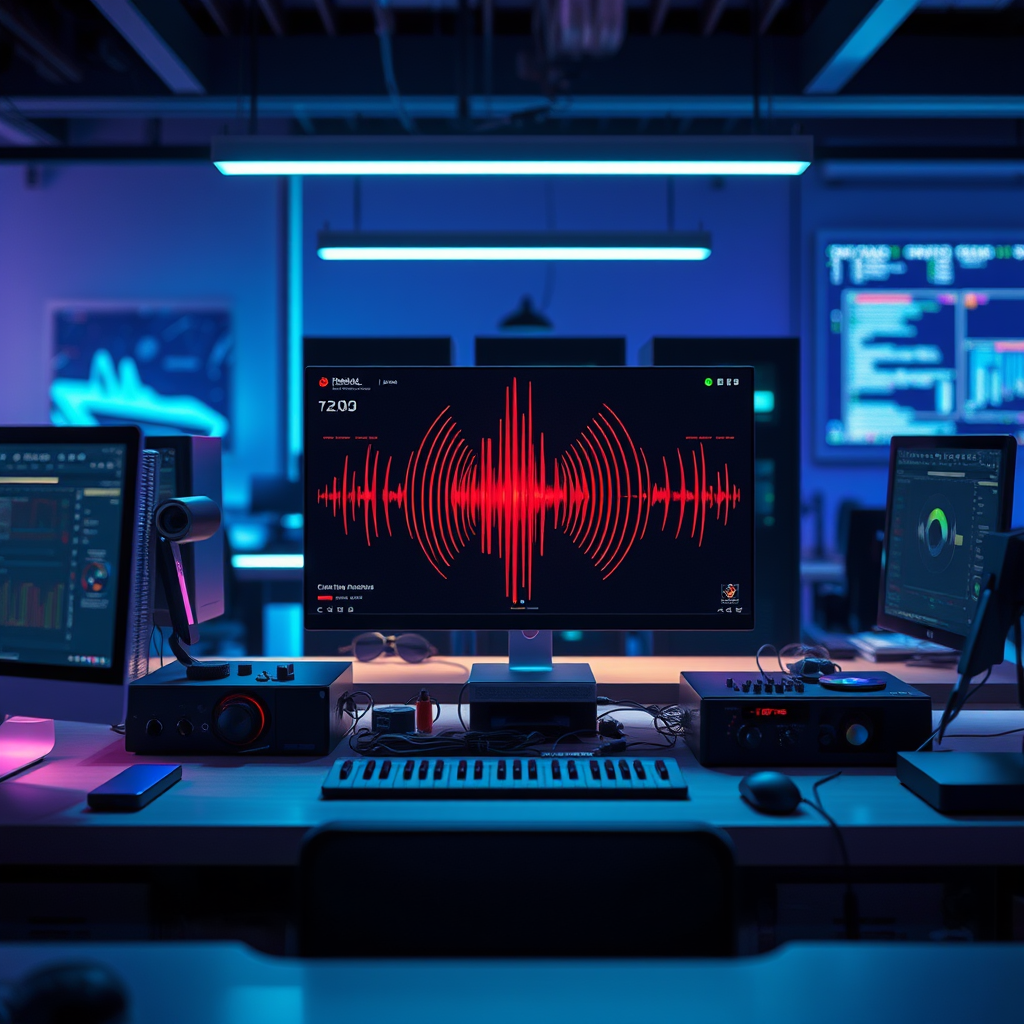
Overheating in sound systems can often be attributed to inadequate ventilation, excessive volume levels, or malfunctioning components. Recognizing these factors is crucial for effective troubleshooting and ensuring the longevity of your audio equipment. In this article, we will explore the common causes behind overheating and provide actionable insights to help you address these issues effectively.

- Quiet Operation: Engineered for tranquil environments, the 19-decibel sound level fades into the background, making it ideal for open-plan offices, beverage counters, or home use.
- High-Efficiency : Rapidly expels up to 18 liters per hour, confidently managing the discharge from high-output commercial ice makers, AC units, and dehumidifiers during demand.
- Stable & Durable Performance: A thermal venting system actively dissipates motor heat to prevent overload, while shock-absorbing feet isolate vibration for secure, non-slip positioning.

Inadequate Ventilation
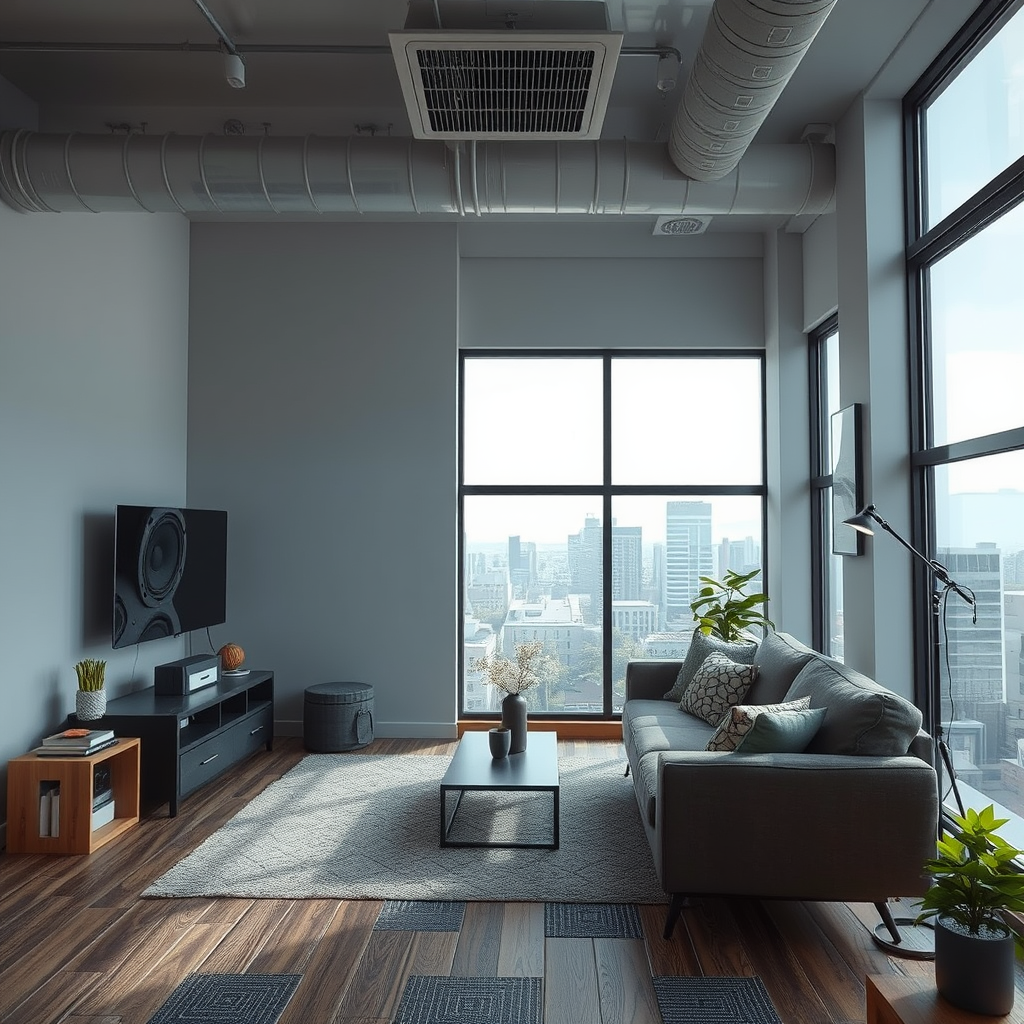
One of the primary reasons for overheating in sound systems is inadequate ventilation. Sound systems, especially amplifiers and receivers, generate significant heat during operation. If they are placed in confined spaces or surrounded by other electronic devices, the airflow can become restricted, leading to heat buildup.
To mitigate this risk, ensure that your sound system is positioned in an open space with sufficient clearance around it. Ideally, there should be at least a few inches of space on all sides to allow for proper airflow. Additionally, consider using cooling solutions such as fans or cooling pads, particularly during prolonged use or in warmer climates. These measures can significantly enhance airflow and help dissipate heat, maintaining optimal operating temperatures.
Excessive Volume Levels

Running your sound system at high volumes for extended periods can also contribute to overheating. When sound systems operate at elevated levels, the components, particularly amplifiers, work harder to produce sound, generating excess heat in the process. This strain can lead to thermal overload, which not only affects performance but can also shorten the lifespan of the equipment.
To avoid damaging your sound system, it is crucial to monitor volume levels. Aim to keep the sound at a comfortable level and take regular breaks during long listening sessions. This allows the system to cool down and reduces the chances of overheating. Additionally, utilizing sound limiters or volume controls can help manage output levels and protect your equipment from excessive strain.
Faulty Components
Malfunctioning components within your sound system can be a significant source of overheating. Parts such as amplifiers, power supplies, or even speakers can develop faults over time, leading to inefficient operation and increased heat generation. Symptoms of faulty components may include distorted sound, unexpected shutdowns, or a burning smell.
Regular inspection and maintenance of your sound system are essential to identify any damaged parts early on. If you notice any signs of malfunction, it is advisable to consult a professional technician for diagnosis and repair. Timely intervention can prevent further damage and overheating issues, ensuring that your sound system remains in excellent working condition.
| # | Component | Common Issue | Signs of Overheating | Recommended Action |
|---|---|---|---|---|
| 1 | Amplifier | Overload | Distortion, shutdown | Inspect and replace |
| 2 | Power Supply | Failure | Flickering lights, noise | Replace as needed |
| 3 | Speakers | Damage | Burning smell, crackling | Check connections |
| 4 | Cables | Wear and tear | Intermittent sound | Replace damaged cables |
| 5 | Cooling System | Malfunction | Overheating | Service or replace |
| 6 | Output Transistors | Damage | Distorted sound | Replace faulty parts |
| 7 | Heat Sinks | Inefficiency | Excessive heat | Clean and maintain |
Poor Quality Cables and Connections
Another often-overlooked cause of overheating in sound systems is the use of poor quality cables and connections. Low-quality or damaged cables can lead to poor electrical connections, resulting in increased resistance and heat generation. This can create a vicious cycle where the system works harder to push sound through faulty cables, resulting in further overheating.
Investing in high-quality cables is essential for maintaining the efficiency of your sound system. Look for cables that are well-shielded and have good connectors to ensure a secure connection. Additionally, regularly inspect all connections for any signs of wear or damage, and replace any faulty cables promptly. This simple step can significantly reduce the risk of overheating and improve overall sound quality.
Environmental Factors
The environment in which your sound system operates can significantly impact its performance and heat levels. High ambient temperatures and humidity can exacerbate overheating issues. When the surrounding air is hot, it becomes more challenging for the system to dissipate heat, leading to potential overheating and performance degradation.
To optimize your sound system‘s performance, keep it in a climate-controlled environment, if possible. Avoid placing your equipment in direct sunlight or near heat sources such as radiators or heaters. Additionally, using dehumidifiers in particularly humid environments can help maintain optimal operating conditions and protect your equipment from overheating.
Overloading the System
Overloading your sound system by connecting too many speakers or devices can lead to overheating. Each component in your sound system has specific power ratings, and exceeding these can cause the system to operate inefficiently, generating excess heat.
To prevent overloading, ensure that your setup aligns with the specifications of your sound system. This includes not only the number of speakers but also the impedance ratings. If you are in doubt, refer to the user manual for guidelines on how many devices your sound system can handle safely. Additionally, consider using impedance matching devices to ensure that all components work harmoniously without straining the system.
Lack of Regular Maintenance
Regular maintenance is crucial for the longevity and performance of your sound system. Dust and debris can accumulate inside the equipment, impeding airflow and causing overheating. Furthermore, neglected equipment can develop issues that may not be immediately visible but can lead to overheating over time.
To maintain optimal performance, implement a regular cleaning schedule for your sound system. Dust the exterior and use compressed air to clean out any accumulated dust from vents and internal components. Schedule periodic maintenance checks to identify and address any potential issues before they escalate. This proactive approach will help keep your sound system running efficiently and reduce the risk of overheating.
Common Causes of Sound System Overheating
Maintaining your sound system’s optimal performance is crucial to prevent overheating. By ensuring proper ventilation, monitoring volume levels, replacing faulty components, and conducting regular maintenance, you can minimize the risk of overheating. If you find that issues persist despite your efforts, consider consulting a professional technician for further assistance. This proactive approach will help safeguard your investment and enhance your listening experience.
Frequently Asked Questions
Why is my sound system overheating during use?
Your sound system may be overheating due to several factors, including poor ventilation, excessive volume levels, or using the system beyond its specified capacity. When components are unable to dissipate heat effectively, they can overheat, leading to potential damage. Ensuring adequate airflow and not pushing the system too hard can help prevent this issue.
How can I prevent my sound system from overheating?
To prevent your sound system from overheating, make sure it has proper ventilation by placing it in a well-ventilated area and avoiding enclosed spaces. Additionally, consider lowering the volume levels and ensuring that you are not overloading the system with too many connected devices, which can strain the components and cause overheating.
What are the signs that my sound system is overheating?
Signs that your sound system is overheating include distortion in sound quality, the unit shutting down unexpectedly, or a noticeable increase in temperature on the device’s surface. If you notice these symptoms, it’s essential to turn off the system and allow it to cool down before further use to avoid long-term damage.
Which components of my sound system are most likely to overheat?
The components most likely to overheat in your sound system include the amplifier, power supply, and internal circuitry. Amplifiers, in particular, generate significant heat when driving high power levels, making them susceptible to overheating. Regular maintenance and ensuring proper airflow around these components can help mitigate this risk.
What should I do if my sound system continues to overheat despite taking precautions?
If your sound system continues to overheat despite preventive measures, it might be time to consult a professional technician. They can diagnose underlying issues such as faulty parts or insufficient cooling systems. Additionally, consider upgrading to a higher-quality sound system designed with better thermal management features to improve performance and reliability.
References
- Audio power amplifier
https://en.wikipedia.org/wiki/Audio_amplifier - https://www.sciencedirect.com/topics/engineering/audio-amplifier
https://www.sciencedirect.com/topics/engineering/audio-amplifier - https://www.nature.com/articles/s41598-017-01979-3
https://www.nature.com/articles/s41598-017-01979-3 - https://pubmed.ncbi.nlm.nih.gov/19790606/
https://pubmed.ncbi.nlm.nih.gov/19790606/ - https://www.bbc.com/future/article/20210120-why-sound-systems-need-to-be-kept-cool
https://www.bbc.com/future/article/20210120-why-sound-systems-need-to-be-kept-cool - https://www.researchgate.net/publication/327034879_Audio_Amplifier_Overheating_Issues_and_Solutions
https://www.researchgate.net/publication/327034879_Audio_Amplifier_Overheating_Issues_and_Solutions - Google Scholar Google Scholar
https://scholar.google.com/scholar?q=sound+system+overheating - Google Scholar Google Scholar
https://scholar.google.com/scholar?q=audio+amplifier+heat+management - Google Scholar Google Scholar
https://scholar.google.com/scholar?q=overheating+in+sound+systems - https://www.mayoclinic.org/diseases-conditions/hyperthermia/symptoms-causes/syc-20355254
https://www.mayoclinic.org/diseases-conditions/hyperthermia/symptoms-causes/syc-20355254