3D audio technology significantly enhances the immersive experience in home theaters by providing sound that seems to come from all around you, rather than just from the front speakers. This technology creates a multi-dimensional auditory experience, making viewers feel as though they are part of the action, rather than mere spectators. In this article, we’ll explore how 3D audio works, its benefits, and the different formats available, helping you create a captivating home theater experience.




How 3D Audio Technology Works
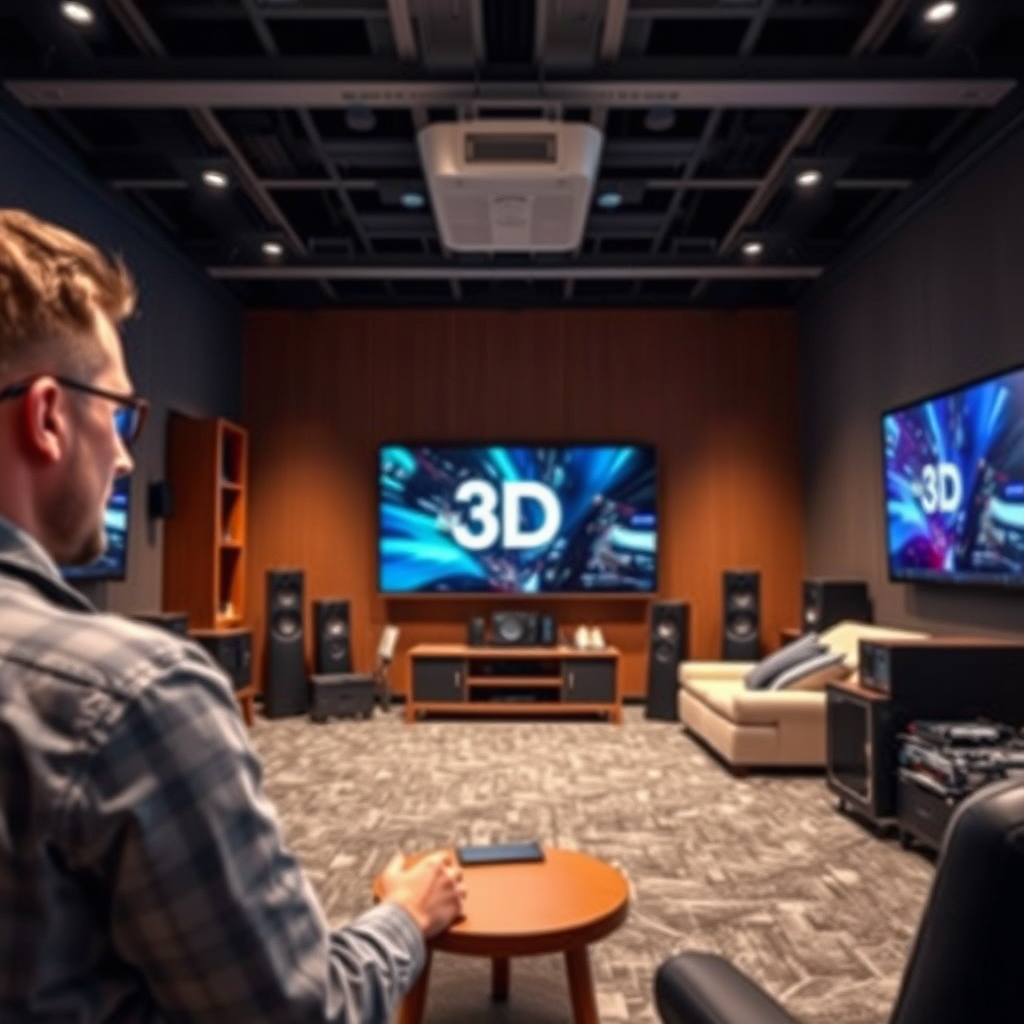
3D audio utilizes spatial audio techniques to create a multi-dimensional sound field, which is a fundamental departure from traditional stereo or surround sound systems. At its core, 3D audio combines two primary methodologies: binaural audio and object-based sound.
Binaural audio mimics the way human ears perceive sound, capturing audio with a pair of microphones positioned in a way that emulates the human head. This technique allows audio to be recorded with depth and directionality, making sounds seem more realistic. Object-based sound, on the other hand, allows audio engineers to place individual sound elements in a three-dimensional space rather than being confined to specific channels. This means that sound can be positioned, moved, and changed dynamically, creating a more engaging listening environment.
When combined, these techniques effectively simulate real-life environments, allowing viewers to experience sound as if it is coming from all around them, not just from speakers positioned in front of them. This immersive audio experience is what elevates the home theater experience to new heights.
Benefits of 3D Audio in Home Theater
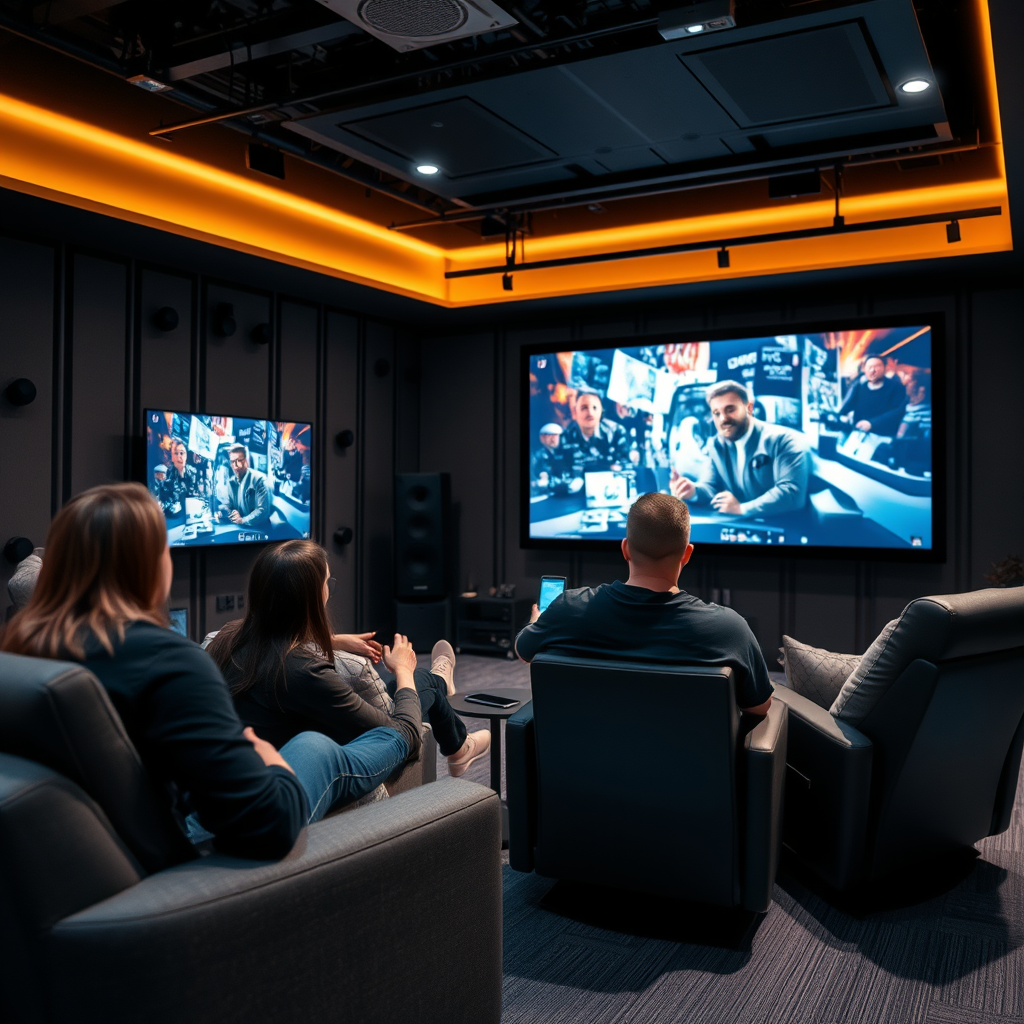
The advantages of integrating 3D audio technology into home theater systems are compelling and multifaceted:
– Enhanced Immersion: 3D audio envelops listeners in sound from all directions, creating a sense of presence that makes them feel as though they are part of the cinematic experience. Whether it’s the rustling of leaves in a forest or the roar of an explosion, the realism of sound enhances emotional engagement with the content.
– Improved Audio Clarity: With the ability to place distinct sounds in specific directions, 3D audio enhances overall audio clarity. Dialogue can be heard more clearly, and background sounds can be differentiated more effectively, preventing clutter and enhancing the narrative experience.
– Increased Engagement: The added dimension of sound keeps audiences more engaged. This is particularly beneficial for genres like action, horror, or documentaries where sound plays a crucial role in storytelling.
– Adaptability: 3D audio technology is adaptable to various environments and speaker configurations, allowing for a tailored experience that meets the unique acoustics of any room.
Popular Formats of 3D Audio
Several leading formats have emerged in the 3D audio landscape, each offering unique features and capabilities:
– Dolby Atmos: One of the most well-known formats, Dolby Atmos, incorporates overhead speakers to add a vertical dimension to sound. This format allows sound elements to move freely in a three-dimensional space, creating a more immersive experience. It is widely supported across various platforms, including streaming services, Blu-ray, and gaming consoles.
– DTS:X: Similar to Dolby Atmos, DTS:X focuses on flexibility in speaker placement. It allows users to place their speakers in any configuration, whether it’s a traditional surround setup or a more unconventional arrangement, adapting to the room’s acoustics for optimal performance.
– Auro 3D: This format emphasizes vertical sound placement and is often used in commercial cinema applications. Auro 3D offers a unique immersive experience by adding a layer of sound above the listener, creating a full sound sphere.
Here’s a comparison of these popular formats:
Comparison of 3D Audio Formats
| # | Format | Overhead Sound | Flexibility | Supported Media |
|---|---|---|---|---|
| 1 | Dolby Atmos | Yes | Moderate | Streaming, Blu-ray |
| 2 | DTS:X | Yes | High | Streaming, Blu-ray |
| 3 | Auro 3D | Yes | Limited | Blu-ray |
Essential Equipment for 3D Audio Setup
To effectively implement 3D audio technology in your home theater, certain equipment is essential:
– Compatible AV Receiver: A high-quality AV receiver that supports 3D audio formats like Dolby Atmos or DTS:X is crucial. Look for models that offer multiple HDMI inputs and outputs, as well as support for high-resolution audio formats.
– Quality Speakers: Investing in surround and overhead speakers will significantly enhance performance. A well-balanced setup typically includes front, center, and surround speakers, along with ceiling or upward-firing speakers to create the overhead sound experience.
– Subwoofer: A quality subwoofer is essential to reproduce low-frequency sounds, adding depth to your audio experience. It should be capable of handling the dynamic range of sound that 3D audio systems often produce.
– Speaker Placement: Proper placement of speakers is key to achieving the immersive sound field that 3D audio promises. Follow manufacturer guidelines for speaker positioning and consider room acoustics for optimal results.
Setting Up Your Home Theater for 3D Audio
Creating a captivating home theater environment for 3D audio involves several critical steps:
– Room Acoustics: Consider soundproofing to minimize external noise interference. The placement of furniture can also affect acoustics, so aim for a layout that enhances sound reflection and absorption.
– Speaker Positioning: Follow recommended configurations for your chosen audio format. For example, Dolby Atmos recommends placing overhead speakers directly above the listening area or using upward-firing speakers that bounce sound off the ceiling.
– Calibration: Most modern AV receivers come equipped with automatic calibration tools that analyze the room’s acoustics and adjust sound settings accordingly. Take advantage of these features to ensure your system is optimized for your specific environment.
Common Misconceptions About 3D Audio
Despite its growing popularity, several misconceptions about 3D audio technology persist:
– 3D Audio is Only for Movie Theaters: Many people believe that 3D audio technology can only be effectively implemented in commercial cinemas. However, advancements in consumer technology have made it accessible for home settings, allowing individuals to replicate the cinematic experience at home.
– Requires Expensive Equipment: While high-end systems can be costly, there are numerous budget-friendly options available that still deliver quality 3D audio performance. Entry-level receivers and speakers can provide a satisfactory experience without breaking the bank.
– Complex Setup: Some may feel intimidated by the perceived complexity of setting up a 3D audio system. In reality, with the right equipment and careful planning, creating an effective 3D audio setup can be straightforward.
Here’s a bar chart demonstrating the popularity of different 3D audio formats among users:
Popularity of 3D Audio Formats Among Users (2024)
3D audio technology offers an unparalleled listening experience that can transform your home theater into an immersive environment. By understanding its workings and benefits, you can make informed decisions about the equipment and setup needed for the best experience. Explore the various formats available, invest in quality equipment, and embrace the future of audio technology to start enhancing your entertainment space today!
Frequently Asked Questions
What is 3D audio technology and how does it work in home theater systems?
3D audio technology creates an immersive sound experience by simulating three-dimensional sound environments. It works by using advanced audio processing techniques to position sounds in a 360-degree space, enabling users to hear audio from above, below, and around them, thus enhancing the realism of movies and games in home theater systems.
How can I set up 3D audio in my existing home theater system?
To set up 3D audio in your home theater, ensure your audio receiver supports formats like Dolby Atmos or DTS:X. You will need to connect compatible speakers, including overhead or upward-firing units, and configure your audio settings to optimize the spatial sound experience for movies and gaming.
Why should I invest in 3D audio technology for my home theater?
Investing in 3D audio technology significantly enhances your home theater experience by providing a more immersive sound environment. It allows for precise sound localization, making action scenes and sound effects more engaging, which can greatly elevate your movie nights or gaming sessions.
What are the best 3D audio formats available for home theater systems?
The best 3D audio formats for home theater systems are Dolby Atmos, DTS:X, and Auro-3D. Each format offers unique features, such as object-based audio in Dolby Atmos, which allows sounds to be treated as individual entities in a 3D space, enhancing the overall auditory experience.
Which speakers are recommended for achieving optimal 3D audio in a home theater?
For optimal 3D audio, it’s recommended to use a combination of traditional surround speakers, overhead speakers, and upward-firing speakers that reflect sound off the ceiling. Brands like Klipsch, Sonos, and Bose offer excellent options designed specifically for 3D audio formats, ensuring you get the best immersive sound experience possible.
References
- 3D audio effect
https://en.wikipedia.org/wiki/3D_audio - https://www.sciencedirect.com/topics/engineering/3d-audio
https://www.sciencedirect.com/topics/engineering/3d-audio - Google Scholar Google Scholar
https://scholar.google.com/scholar?q=3D+Audio+Technology+Home+Theater - https://www.nature.com/articles/s41598-020-76694-9
https://www.nature.com/articles/s41598-020-76694-9 - https://pubmed.ncbi.nlm.nih.gov/29627485/
https://pubmed.ncbi.nlm.nih.gov/29627485/ - https://www.bbc.com/future/article/20200203-how-audio-technology-is-changing-the-way-we-listen
https://www.bbc.com/future/article/20200203-how-audio-technology-is-changing-the-way-we-listen - https://www.theguardian.com/media/2021/jul/07/soundscapes-3d-audio-technology-is-revolutionising-music
https://www.theguardian.com/media/2021/jul/07/soundscapes-3d-audio-technology-is-revolutionising-music - https://www.nih.gov/news-events/news-releases/3d-audio-technology-could-help-people-hear-better
https://www.nih.gov/news-events/news-releases/3d-audio-technology-could-help-people-hear-better - Google Scholar Google Scholar
https://scholar.google.com/scholar?q=benefits+of+3D+audio+in+home+theater - https://www.cdc.gov/nceh/airpollution/3d_audio.html
https://www.cdc.gov/nceh/airpollution/3d_audio.html