
Creating a high-end audio system that incorporates 4K and HDR features involves careful selection of components, meticulous setup, and ongoing maintenance. This guide will provide you with the essential knowledge to assemble a system that delivers exceptional sound and high-definition video, ensuring an immersive audio-visual experience for movies, music, and gaming.




Understanding Audio System Components
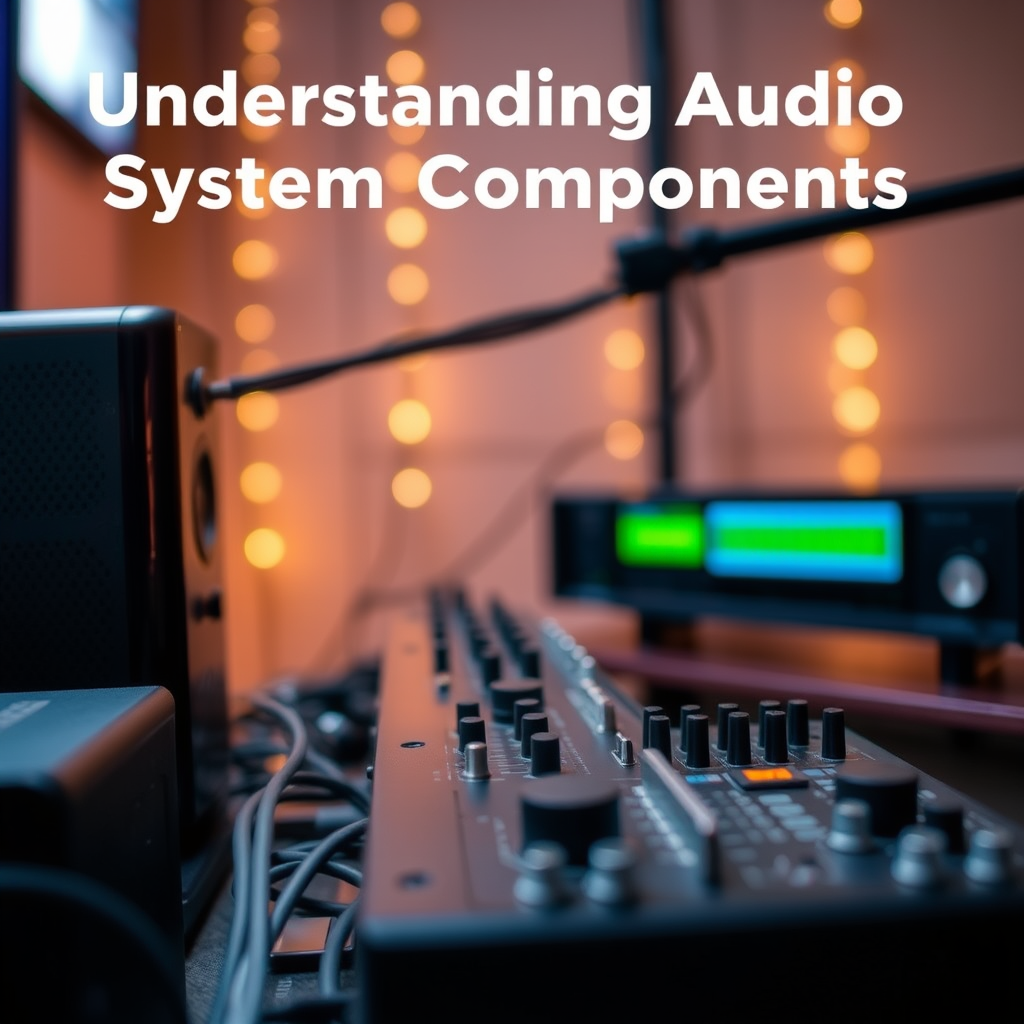
To build an exceptional audio system, it’s crucial to understand the various components involved. The foundational elements include speakers, amplifiers, AV receivers, and source devices.
– Speakers are responsible for sound output and come in various forms, including floor-standing, bookshelf, and in-wall options. Each type has its unique characteristics and suitability for different room sizes and preferences.

– Amplifiers enhance audio signals to drive the speakers effectively, providing the necessary power for high-quality sound reproduction.
– AV Receivers act as the hub of your audio system, managing audio and video signals from various sources. They decode audio formats and route sound to the appropriate speakers.
– Source Devices include Blu-ray players, gaming consoles, and streaming devices that provide the content for your system.
When considering audio systems, you also need to explore the differences between stereo and surround sound systems. Stereo systems typically consist of two speakers, providing a more straightforward audio experience suitable for music. In contrast, surround sound systems can include multiple speakers placed around the room for a more immersive experience, ideal for movies and gaming.
Selecting High-Quality Speakers
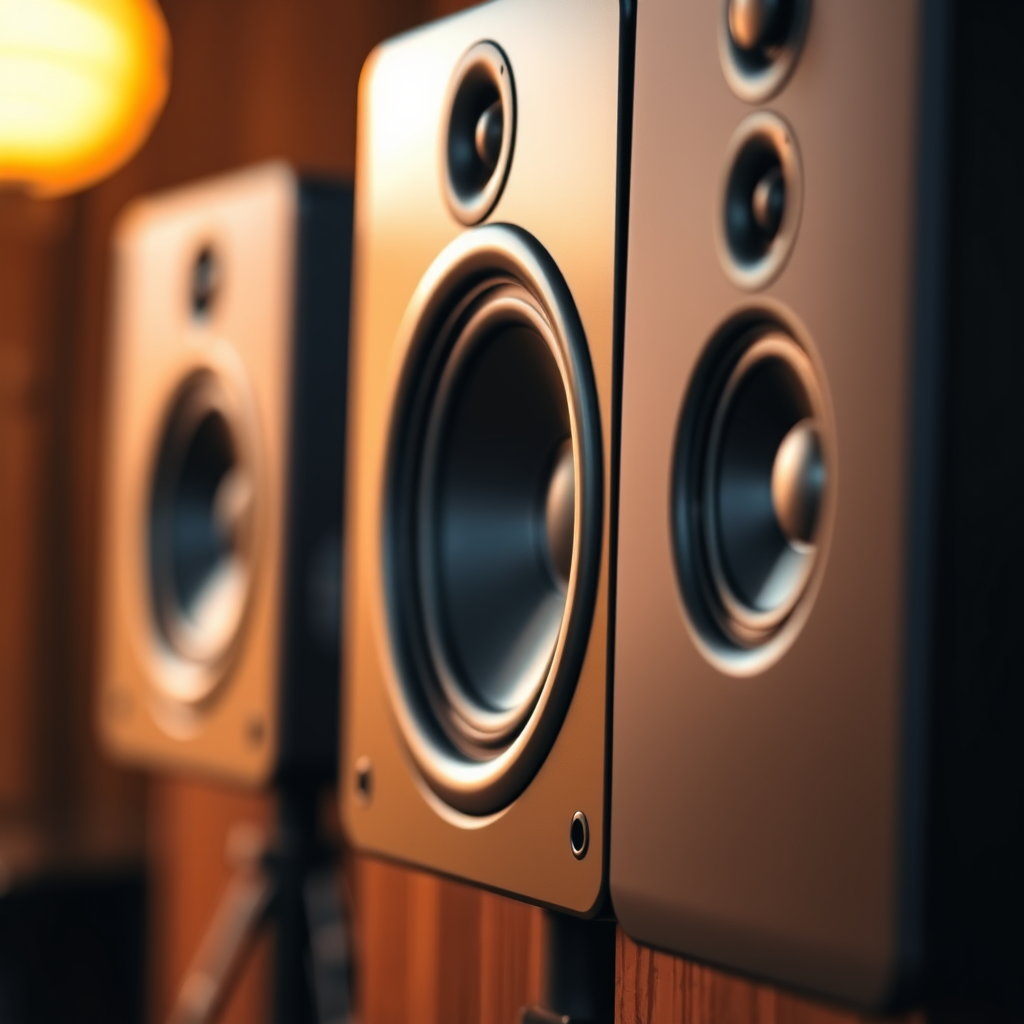
When selecting speakers for your high-end audio system, focus on specifications that support the latest 4K and HDR formats. Look for speakers that offer a frequency response range that suits your listening preferences and the type of content you’ll be consuming.
– Floor-standing speakers are ideal for larger rooms, providing powerful bass and a wide soundstage.
– Bookshelf speakers are compact and versatile, suitable for smaller spaces while still delivering excellent sound quality.
– In-wall speakers can be integrated into your home for a more discreet setup, minimizing visual clutter while maximizing audio performance.
It’s also essential to consider the speaker’s sensitivity rating, impedance, and power handling capabilities to ensure they match well with your selected amplifier and AV receiver. Brands such as Klipsch, Bowers & Wilkins, and KEF are renowned for offering high-quality options across these categories.
Choosing the Right AV Receiver
Selecting an AV receiver that is compatible with 4K and HDR video formats is crucial for your audio system. Ensure that the receiver supports the latest HDMI standards, such as HDMI 2.0 or HDMI 2.1, to take full advantage of high-definition video and enhanced audio formats like Dolby Atmos.
When evaluating AV receivers, consider the following features:
– Power Output: Look for a receiver that offers sufficient wattage to drive your speakers effectively.
– Number of Channels: Depending on your desired sound setup, choose a receiver with enough channels to support stereo or surround sound configurations.
– Streaming Capabilities: Many modern receivers offer built-in streaming services and compatibility with music apps, enhancing your listening options.
Brands such as Denon, Yamaha, and Onkyo consistently rank among the top choices for high-end AV receivers, offering a balance of performance, features, and user-friendly interfaces.
Integrating Sources for Audio and Video
Choosing the right source devices is essential for maximizing your audio-visual experience. Popular options include:
– Blu-ray Players: Ensure they support 4K Ultra HD and HDR formats to deliver high-quality video.
– Gaming Consoles: Platforms like PlayStation 5 and Xbox Series X provide immersive audio experiences alongside stunning visuals.
– Streaming Devices: Devices such as Apple TV 4K or Roku Ultra can stream content in 4K HDR, making them excellent additions to your system.
It’s important to understand HDMI standards, as they play a critical role in delivering high-quality audio and video. HDMI 2.1, for example, supports features like enhanced audio return channel (eARC) and variable refresh rate (VRR), which can significantly enhance your viewing and listening experience.
Setting Up Your Space for Optimal Performance
The layout and acoustics of your room significantly affect the performance of your audio system. When setting up your space, consider the following:
– Room Layout: Position your speakers to create an optimal soundstage. Typically, the primary listening position should form an equilateral triangle with the left and right speakers.
– Acoustics: Use soft furnishings, carpets, and curtains to reduce sound reflections that can distort audio quality. Acoustic panels can also be installed to absorb excessive sound reflections.
Speaker placement is critical; for surround sound systems, place surround speakers at ear level for the best effect. Additionally, subwoofers can be placed strategically to enhance bass response, often in a corner for maximum effect.
Fine-Tuning Your System
Once your system is set up, fine-tuning is essential for achieving optimal performance. Calibration tools, such as built-in room calibration systems found in many AV receivers, can automatically adjust settings based on your room’s acoustics.
For manual adjustments, consider the following:
– Audio Settings: Adjust speaker levels, distances, and crossover frequencies to ensure a balanced sound.
– Video Settings: Calibrate brightness, contrast, and color settings on your display to suit your viewing preferences.
Regularly updating your software and firmware for both your AV receiver and source devices will ensure you benefit from the latest features and improvements.
Staying Updated with Technology Trends
The world of audio and video technology is ever-evolving, with new standards and products continually emerging. Stay informed about the latest trends in audio formats, such as Dolby Atmos and DTS:X, which enhance sound immersion.
Participating in audio forums and communities can also provide invaluable insights from other enthusiasts. Sites like AVS Forum and Reddit’s audio threads are great resources for sharing experiences and discovering new products.
Top 7 High-End Speakers for 4K and HDR Systems (2024)
| # | Speaker Model | Type | Price ($) | Rating |
|---|---|---|---|---|
| 1 | Klipsch RP-8000F | Floor-standing | 1,299 | ★★★★☆ |
| 2 | Bowers & Wilkins 603 | Floor-standing | 1,999 | ★★★★★ |
| 3 | KEF Q350 | Bookshelf | 749 | ★★★★☆ |
| 4 | Focal Chorus 726 | Floor-standing | 2,199 | ★★★★☆ |
| 5 | Sonos One | Bookshelf | 199 | ★★★★☆ |
| 6 | Polk Audio T50 | Floor-standing | 498 | ★★★★☆ |
| 7 | Monitor Audio Bronze 2 | Bookshelf | 599 | ★★★★☆ |
Top 6 AV Receivers for 4K and HDR Systems (2024)
By following these guidelines, you can create a high-end audio system that delivers outstanding sound quality and seamlessly integrates with the latest 4K and HDR technology. Start by evaluating your current setup and considering investments in new components that can significantly enhance your audio and visual experience. As you continue to evolve your system, staying informed about new technology trends will keep your setup ahead of the curve.
Frequently Asked Questions
What components do I need to build a high-end audio system with 4K and HDR capabilities?
To build a high-end audio system with 4K and HDR capabilities, you’ll need a 4K HDR television or projector, a high-quality AV receiver that supports both formats, and compatible speakers for immersive sound. Additionally, consider including a 4K Blu-ray player or streaming device that can handle HDR content to fully utilize your system’s potential.
How can I ensure that my audio system delivers optimal sound quality while using 4K and HDR?
To ensure optimal sound quality, choose an AV receiver with advanced audio processing features like Dolby Atmos or DTS:X, which enhances surround sound experiences. Additionally, invest in high-quality speakers and cables, and properly calibrate your system using room correction software to accommodate your space’s acoustics.
Why is it important to match my audio system components for a high-end setup?
Matching your audio system components is crucial because it ensures compatibility and maximizes performance across the entire system. When components are designed to work together, such as the AV receiver and speakers, you’ll experience better sound quality and a more cohesive audio experience, especially with 4K and HDR content.
What is the best way to connect my high-end audio system to a 4K HDR TV?
The best way to connect your high-end audio system to a 4K HDR TV is to use HDMI cables, specifically HDMI 2.0 or higher, which support both audio and video transmission without quality loss. Make sure to connect your devices through the AV receiver, which will handle the signal processing and ensure that HDR content is displayed correctly.
Which brands are known for high-quality audio systems that support 4K and HDR features?
Several brands are renowned for high-quality audio systems that support 4K and HDR features, including Sony, Yamaha, Denon, and Onkyo. These manufacturers offer AV receivers and speakers that are optimized for high-resolution audio and video formats, ensuring a premium listening and viewing experience.
References
- High fidelity
https://en.wikipedia.org/wiki/High-fidelity_audio - https://www.bbc.com/future/article/20220315-how-to-build-the-perfect-home-cinema
https://www.bbc.com/future/article/20220315-how-to-build-the-perfect-home-cinema - https://www.nytimes.com/guides/technology/how-to-set-up-a-home-theater
https://www.nytimes.com/guides/technology/how-to-set-up-a-home-theater - https://www.sciencedirect.com/topics/engineering/audio-engineering
https://www.sciencedirect.com/topics/engineering/audio-engineering - Google Scholar Google Scholar
https://scholar.google.com/scholar?q=building+high-end+audio+system+4K+HDR - Google Scholar Google Scholar
https://scholar.google.com/scholar?q=advanced+features+in+audio+systems - Google Scholar Google Scholar
https://scholar.google.com/scholar?q=high-fidelity+home+theater+setup - Google Scholar Google Scholar
https://scholar.google.com/scholar?q=How+to+Build+a+High-End+Audio+System+with+Advanced+Features+Like+4K+and+HDR - How to Build a High-End Audio System with Advanced Features Like 4K and HDR – Search results
https://en.wikipedia.org/wiki/Special:Search?search=How+to+Build+a+High-End+Audio+System+with+Advanced+Features+Like+4K+and+HDR - https://www.ncbi.nlm.nih.gov/search/research-articles/?term=How+to+Build+a+High-End+Audio+System+with+Advanced+Features+Like+4K+and+HDR
https://www.ncbi.nlm.nih.gov/search/research-articles/?term=How+to+Build+a+High-End+Audio+System+with+Advanced+Features+Like+4K+and+HDR

4 Comments