
To achieve optimal surround sound, proper speaker placement is essential. Positioning your speakers at the correct angles and distances will significantly enhance your audio experience, whether you’re watching movies or listening to music. This guide will provide you with the necessary tips and techniques to set up your speakers effectively in your home theater or sound system.
Understanding Surround Sound Basics

At the core of immersive audio, surround sound systems typically consist of multiple speakers, including front, center, and rear speakers, each serving a distinct purpose. The front speakers are responsible for delivering the primary audio signals, while the center speaker is crucial for dialogue clarity. The rear speakers add depth and a sense of space, providing an enveloping sound experience.
To achieve the best results, it is essential to familiarize yourself with various sound formats like Dolby Atmos, DTS:X, and traditional 5.1 or 7.1 surround sound systems. These formats dictate specific placement requirements to optimize your listening experience. For instance, Dolby Atmos introduces height speakers to create a three-dimensional audio space, requiring careful placement for the best effect.
Room Dimensions and Acoustics

Before diving into speaker placement, measuring your room size is vital. The dimensions of your space will dictate the optimal placement and distances of your speakers in relation to your listening positions. For example, larger rooms may require more powerful speakers or additional units to fill the space adequately.
Equally important are the room’s acoustics. The materials used in walls, floors, and furniture can significantly affect sound quality. Hard surfaces tend to reflect sound, while soft furnishings can absorb it. To optimize acoustics, consider using rugs, curtains, and wall treatments to minimize echo and enhance sound clarity.
Speaker Placement Guidelines
The placement of your speakers is critical to achieving a balanced and immersive sound experience. Here are some essential guidelines to follow:
– Front Speakers: Position your left and right speakers at ear level, equidistant from the center channel, forming an equilateral triangle with your listening position. This configuration ensures that sound from both speakers arrives at your ears simultaneously, creating a cohesive soundstage.
– Center Speaker: Place the center speaker directly above or below your display. It should align with the front speakers to provide clear dialogue and anchor the sound to the screen.
– Rear Speakers: Ideally, rear speakers should be placed above ear level, angled down towards the listening area. This placement enhances immersion by creating a surround effect, making sound more dynamic and engaging.
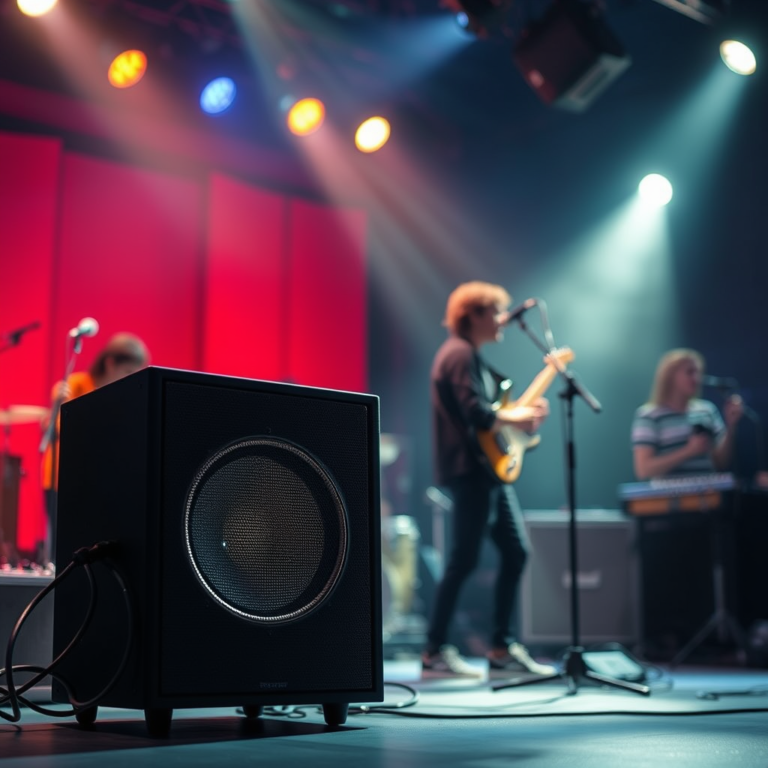
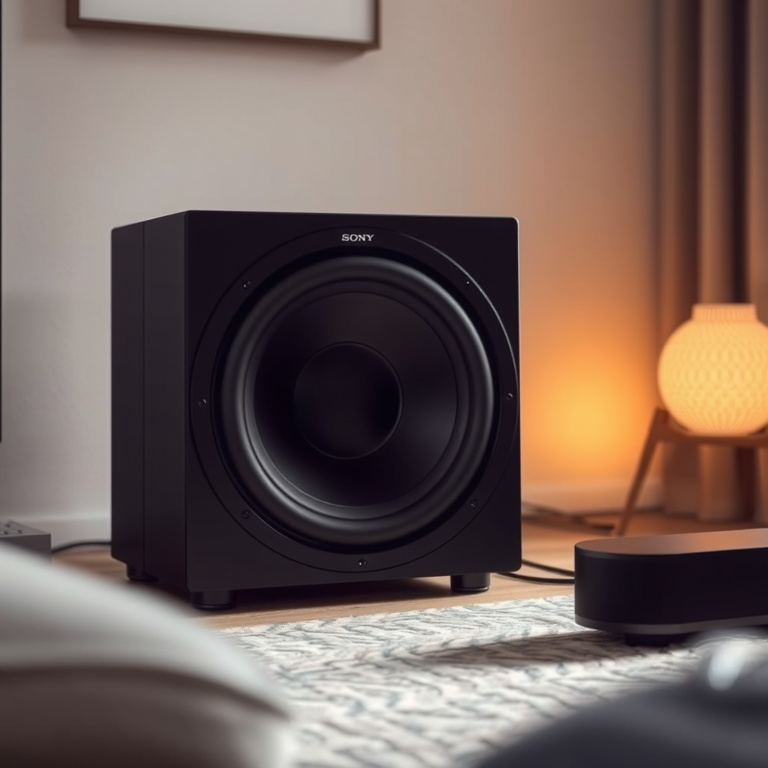
– Subwoofer: The subwoofer can be placed in various locations, but it often performs best near a wall or corner to amplify bass response. Experiment with its position to find the sweet spot where low frequencies are balanced and free from distortion.
Here’s a visual representation of optimal speaker placement:
Speaker Placement Zones for Surround Sound
| # | Speaker Type | Ideal Height | Distance from Listener |
|---|---|---|---|
| 1 | Front Left/Right | Ear Level | 6-10 ft |
| 2 | Center | Ear Level | Directly in front |
| 3 | Surround Left/Right | Above Ear Level | 5-7 ft |
| 4 | Subwoofer | Floor Level | Varies |
| 5 | Height Speakers | Above Head Level | Directly Above |
Using Calibration Tools
Once your speakers are in place, it’s crucial to fine-tune their settings for optimal performance. Many modern AV receivers come equipped with built-in calibration tools that can automatically adjust speaker levels and distances based on your room’s acoustics. These tools utilize microphones to analyze sound characteristics and make necessary adjustments, ensuring an ideal sound experience.
In addition to built-in tools, consider using sound level meters or smartphone apps to manually measure sound levels at your listening position. This method allows for precise adjustments, particularly if you prefer a specific sound profile for different types of content—whether movies, music, or gaming.
Common Mistakes to Avoid
Achieving optimal surround sound is often hindered by common mistakes. Here are a few pitfalls to avoid:
– Close Proximity to Walls: Placing speakers too close to walls or corners can cause unwanted sound reflections, leading to muddied audio. Aim for at least a foot of space between your speakers and any walls.
– Neglecting the Center Channel: The center channel speaker is essential for ensuring dialogue clarity. Its placement should not be overlooked; positioning it correctly is crucial for effective sound staging.
– Ignoring Room Acoustics: Failing to consider the room’s acoustics can drastically affect sound quality. Always assess how furniture placement and wall materials might impact sound reflection and absorption.
Testing and Fine-tuning Your Setup
After setting up and calibrating your speakers, it’s essential to conduct listening tests. Play a variety of audio content to evaluate sound quality and identify areas needing adjustment. Pay attention to how sound transitions between speakers and whether any frequency ranges feel overpowering or lacking.
Experimenting with speaker angles and distances can lead to significant improvements. For instance, slightly adjusting the angle of your surround speakers may enhance immersion. Document your changes and listen to the effects, allowing you to find the perfect configuration for your space.
Maintenance Tips for Optimal Sound
To ensure your surround sound system continues to perform at its best, regular maintenance is key. Here are some tips to keep in mind:
– Check Speaker Connections: Regularly inspect speaker wires and connections for any signs of wear or damage. Poor connections can lead to audio dropouts or degradation in sound quality.
– Reassess Speaker Placement: If you change the room layout or add new furniture, reassess your speaker placement. Even minor changes can affect acoustics, so taking the time to adjust can lead to significant improvements.
– Update Audio Equipment: As technology evolves, consider upgrading firmware or replacing older components to keep your sound system current. Newer equipment often has enhanced capabilities that can further improve sound quality.
By following these guidelines for speaker placement and maintenance, you can create an optimal surround sound environment that enhances your audio enjoyment. Whether you are indulging in a cinematic experience or enjoying your favorite music, the right setup can transform your listening experience.
Common Mistakes in Speaker Placement
By implementing the tips outlined in this guide, you can ensure your speakers are placed correctly, maximizing your surround sound experience. With a well-thought-out setup, you will transform any space into a captivating audio environment that enhances your enjoyment of movies, music, and more.
Frequently Asked Questions
What is the ideal distance between surround sound speakers for optimal audio performance?
The ideal distance between surround sound speakers typically ranges from 6 to 10 feet apart, depending on the size of your room. For a more immersive experience, position your speakers at ear level when seated, and ensure they form a proper surround sound triangle with your main listening position.
How should I position my subwoofer for the best bass response in my surround sound setup?
To achieve the best bass response, place your subwoofer in a corner or along a wall to enhance low-frequency output. However, experiment with different locations, as subwoofers can produce varying sound depending on room acoustics; using the “subwoofer crawl” method can help you find the optimal spot.
Why is speaker height important for maximizing surround sound effects?
Speaker height is crucial because it affects how sound waves travel and reach your ears. For surround sound systems, front speakers should ideally be at ear level, while surround speakers should be placed slightly above ear level, around 1 to 2 feet higher, to create a more immersive surround experience.
What are the best practices for placing rear speakers in a home theater system?
The best practice for rear speaker placement is to position them at least 1 to 2 feet above ear level and angled towards the listening area. Additionally, place them 2 to 4 feet behind the main seating area to enhance the surround sound effect and ensure immersive audio without overwhelming the listener.
Which room layout is most effective for setting up a surround sound system?
An effective room layout for a surround sound system typically involves a rectangular space where the seating area is positioned away from walls, allowing for optimal sound dispersion. Ideally, arrange the speakers to form a circle or rectangle around the listener, ensuring no obstacles block the sound path for the best audio experience.
References
- Surround sound
https://en.wikipedia.org/wiki/Surround_sound - https://www.sciencedirect.com/topics/engineering/surround-sound
https://www.sciencedirect.com/topics/engineering/surround-sound - https://www.britannica.com/topic/surround-sound
https://www.britannica.com/topic/surround-sound - EPICS – Purdue University
https://www.purdue.edu/epics/epics/epics-resources/epics-technical-resources/sound-in-the-environment/sound-in-the-environment.html - https://www.theguardian.com/technology/2020/dec/09/how-to-set-up-a-surround-sound-system
https://www.theguardian.com/technology/2020/dec/09/how-to-set-up-a-surround-sound-system - https://www.cdc.gov/nceh/lead/advisory/sound.html
https://www.cdc.gov/nceh/lead/advisory/sound.html - https://pubmed.ncbi.nlm.nih.gov/?term=surround+sound+placement
https://pubmed.ncbi.nlm.nih.gov/?term=surround+sound+placement - Google Scholar Google Scholar
https://scholar.google.com/scholar?q=surround+sound+speaker+placement - Google Scholar Google Scholar
https://scholar.google.com/scholar?q=maximize+surround+sound+effect - Google Scholar Google Scholar
https://scholar.google.com/scholar?q=How+to+Ensure+Proper+Speaker+Placement+for+Maximum+Surround+Sound+Effect