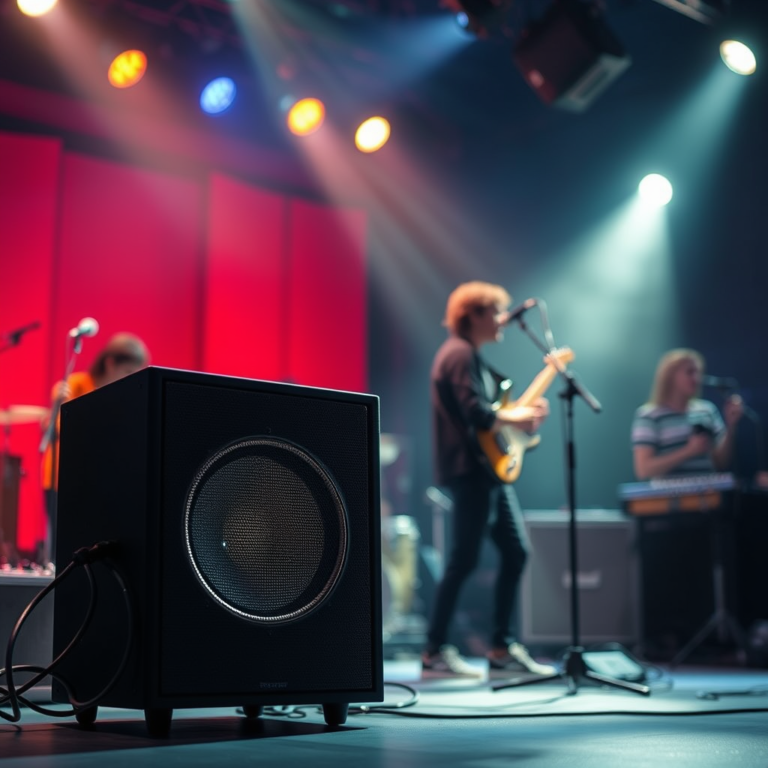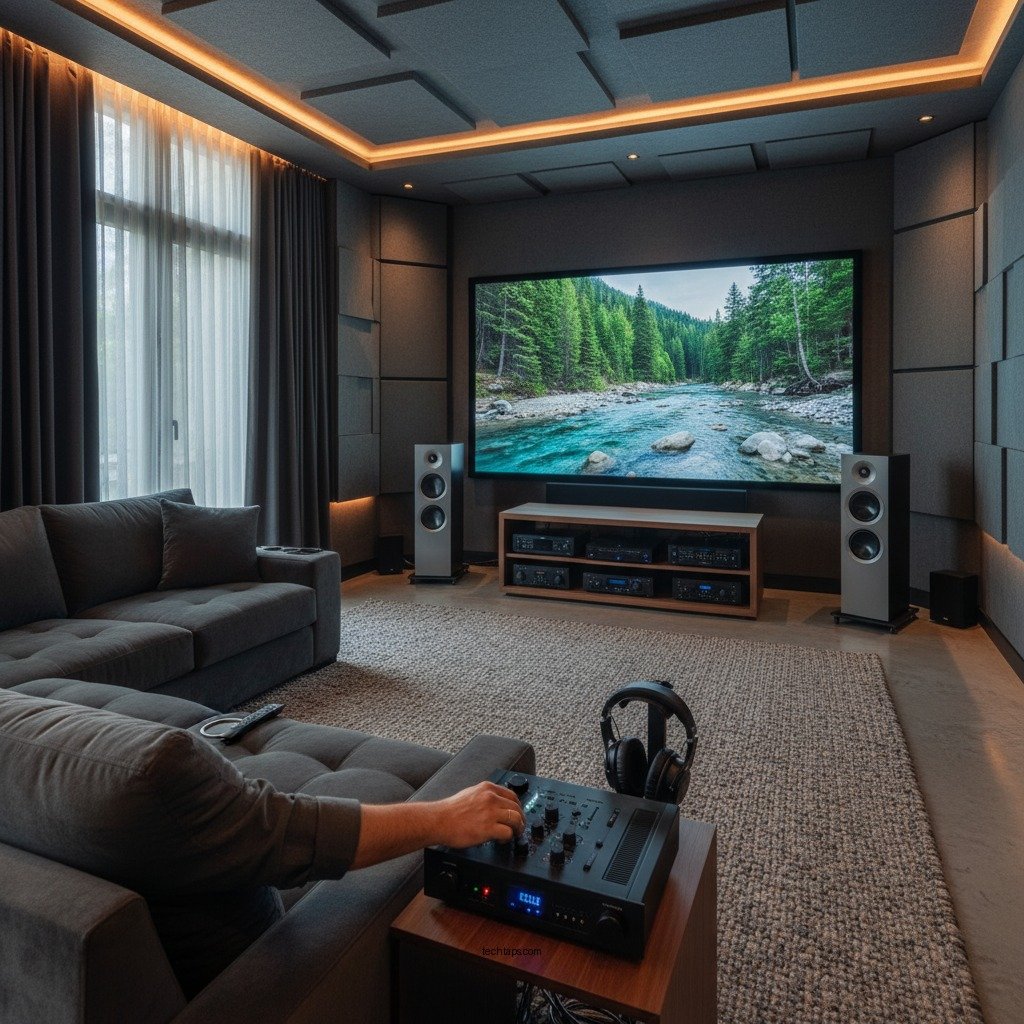

Achieving professional-level sound in your home theater requires meticulous planning and the right equipment. By focusing on speaker placement, soundproofing, and high-quality audio components, you can create an immersive audio experience that rivals commercial cinemas. In this article, you’ll discover essential tips to transform your home theater into a sound haven, ensuring that every movie night is a memorable one.
Optimal Speaker Placement
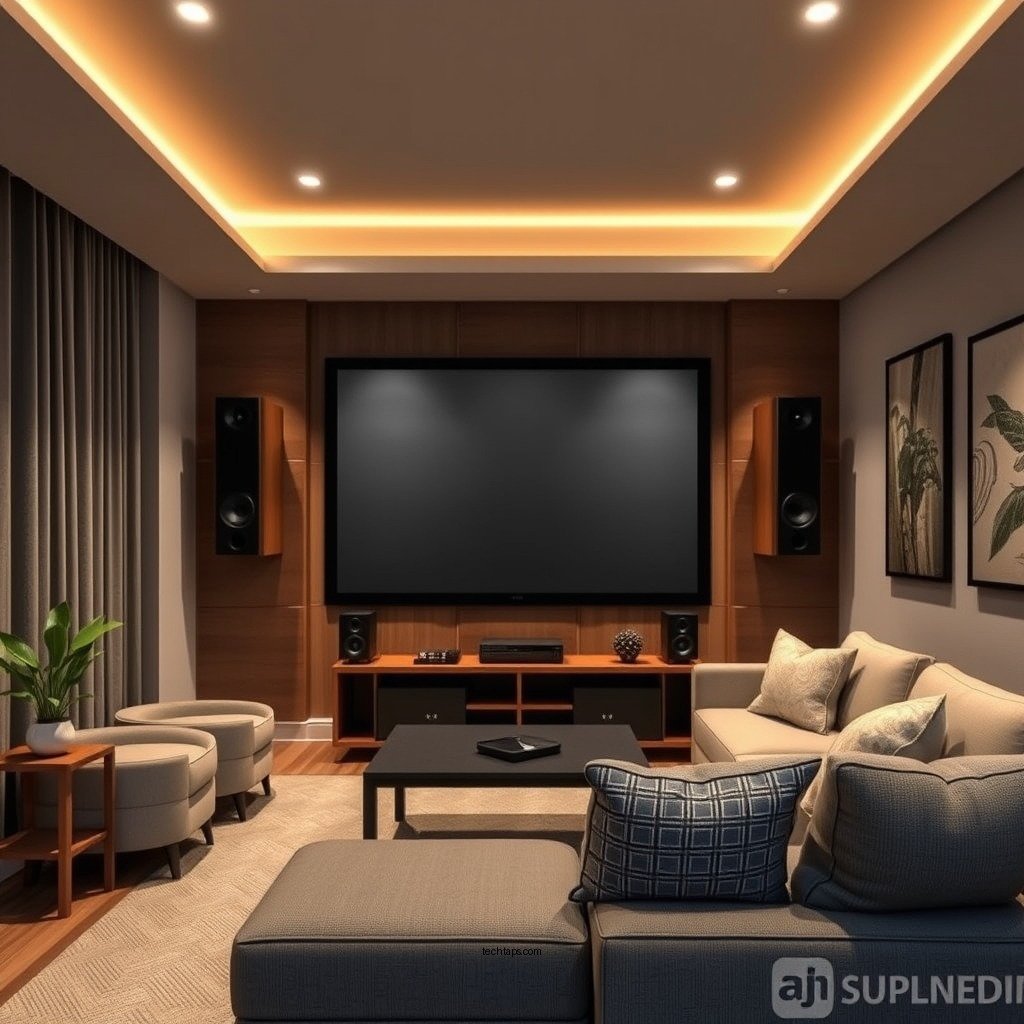
One of the most crucial aspects of achieving professional-level sound is speaker placement. Positioning your speakers correctly can significantly enhance sound clarity and create a more immersive environment. Here are some guidelines to consider:
– Ear Level Positioning: For the best sound clarity, position your speakers at ear level when seated. This ensures that the audio is directed straight towards the listener, minimizing distortion and maximizing clarity.
– Surround Sound Setup: Implementing a surround sound system can revolutionize your audio experience. A 5.1 or 7.1 system—featuring front left, front right, center, rear left, rear right, and a subwoofer—creates a three-dimensional audio experience that immerses you in the action. Ensure that your surround speakers are positioned to the sides and slightly behind the main seating area for optimal effects.
– Adjusting Angles: When placing your speakers, angle them towards the listening area. This helps to direct the sound effectively and can enhance the audio experience, particularly for dialogue and surround effects.
Soundproofing Your Space
Soundproofing is essential to achieving a professional-level audio experience in your home theater. Not only does it improve sound quality by minimizing echo, but it also helps to block external noise, allowing for a more focused listening environment.
– Acoustic Panels: Installing acoustic panels on the walls can significantly reduce echo and reverberation. These panels absorb sound waves, preventing them from bouncing around the room and distorting audio quality. Consider utilizing a mix of panel types, including bass traps and diffusers, to optimize sound absorption across different frequencies.
– Heavy Curtains and Rugs: Utilize heavy curtains to block outside noise, particularly if your home theater is located near a busy street. Additionally, adding thick rugs to the floor helps to dampen sound reflections, further improving the acoustic environment.
– Sealing Gaps: Ensure that all gaps around doors and windows are sealed to prevent sound leakage. Weather stripping or acoustic caulk can be effective solutions for this issue.
Selecting Quality Audio Equipment
Investing in quality audio equipment is fundamental to achieving professional-level sound in your home theater. The right components can make a significant difference in your audio experience.
– High-Quality Speakers: Choose speakers that match the size of your room. Larger rooms may require floor-standing speakers, while smaller spaces might be better suited for bookshelf speakers. Look for brands known for their audio fidelity, such as Klipsch, Bowers & Wilkins, or KEF.
– Receiver Compatibility: Your audio receiver should be compatible with your speaker setup and room size. A good receiver will provide the necessary power and features to drive your speakers effectively, including support for surround sound formats and calibration features.
– Subwoofer for Depth: Incorporating a subwoofer is crucial for achieving a fuller sound range. A well-placed subwoofer enhances bass response, adding depth to music and sound effects. Look for models that offer adjustable crossover settings, allowing you to fine-tune performance based on your room’s acoustics.
Top 7 Home Theater Audio Brands (2024)
| # | Brand | Speaker Type | Price Range | Customer Rating |
|---|---|---|---|---|
| 1 | Klipsch | Floor-standing | $900 – $4,500 | ★★★★☆ |
| 2 | Bowers & Wilkins | Bookshelf | $700 – $3,000 | ★★★★★ |
| 3 | KEF | In-wall | $800 – $5,000 | ★★★★☆ |
| 4 | SVS | Subwoofer | $600 – $2,500 | ★★★★☆ |
| 5 | Yamaha | Receiver | $400 – $1,500 | ★★★★☆ |
| 6 | Denon | Receiver | $500 – $1,800 | ★★★★☆ |
| 7 | Sonos | Wireless | $300 – $1,200 | ★★★★☆ |
Calibration and Tuning
Once you have your speakers and equipment set up, the next step is calibration and tuning. This process is essential to ensure that all components work harmoniously and deliver the best sound quality possible.
– Audio Calibration Tools: Utilize an audio calibration tool, such as a microphone and calibration software, to adjust your speaker settings. Many modern receivers come with built-in calibration systems that automatically tune your speakers based on the room’s acoustics.
– Manual Adjustments: After automated calibration, consider performing manual adjustments. Fine-tune levels, distances, and crossover settings to perfect the sound according to your preferences.
– Regular Testing: Regularly test and tweak your audio settings, especially when switching between different media types such as movies, music, or gaming. Different formats might require different settings for optimal sound.
Room Layout and Design
The layout and design of your home theater play a significant role in sound quality. A well-thought-out design can enhance the overall experience.
– Seating Arrangement: Arrange seating to optimize sound distribution and viewing angles. Ideally, the primary seating area should be positioned in the “sweet spot,” which is usually located at a distance of 1.5 to 2.5 times the screen size for optimal viewing and listening.
– Avoiding Obstructions: Ensure there are no obstructions between the speakers and seating areas. Items such as furniture can interfere with sound waves, leading to a degraded audio experience.
– Room Shape and Size: Consider the dimensions and shape of your room when planning your setup. Rectangular rooms generally provide better acoustics for home theaters than square ones, as they minimize standing waves.
Maintaining Your Equipment
Finally, maintaining your audio equipment is vital to sustaining its performance over time. Regular upkeep can help prevent sound distortion and prolong the life of your gear.
– Cleaning: Keep your audio equipment clean and dust-free. Dust can accumulate on speakers, receivers, and cables, leading to potential sound distortion. Use a soft, dry cloth to wipe down surfaces and avoid using harsh chemicals.
– Software Updates: Regularly check for software updates on your receivers and other equipment. Manufacturers often release updates that can improve performance, fix bugs, and enhance audio quality.
– Periodic Inspections: Schedule periodic inspections of your equipment to ensure everything is functioning correctly. This proactive approach can identify issues before they impact your listening experience.
To achieve professional-level sound in your home theater, focus on speaker placement, soundproofing, and quality gear. By following these tips, you can significantly enhance your audio experience and elevate movie nights to a whole new level. Start implementing these strategies today and transform your space into a sound sanctuary!
Frequently Asked Questions
What are the essential components needed for achieving professional-level sound in a home theater?
To achieve professional-level sound in a home theater, you need a quality AV receiver, surround sound speakers, a subwoofer, and a high-definition display. Additionally, consider investing in acoustic treatment materials, such as sound-absorbing panels and bass traps, to enhance sound clarity and reduce echo.
How can I properly position my speakers for optimal sound in my home theater?
For optimal sound, position your front speakers at ear level when seated, with the center speaker directly above or below your screen. Surround speakers should be placed to the sides or slightly behind the listening area, while the subwoofer can be positioned in a corner or along the front wall to enhance bass response.
Why is acoustic treatment important for achieving professional sound in a home theater?
Acoustic treatment is crucial because it minimizes sound reflections and echoes, which can muddy audio clarity and interfere with the listening experience. By using sound-absorbing materials, you can create a more balanced sound environment that allows for better dialogue intelligibility and a richer overall audio experience.
What is the best way to calibrate my home theater audio system?
The best way to calibrate your home theater audio system is by using an SPL meter or a calibration microphone that comes with your AV receiver. Follow the automatic calibration process, which adjusts speaker levels, distances, and crossover settings, ensuring a balanced sound stage tailored to your room’s acoustics.
Which formats and sources provide the best audio quality for home theater systems?
For the best audio quality in your home theater, look for high-resolution audio formats such as Dolby Atmos, DTS:X, or lossless audio codecs like FLAC. Streaming services that offer surround sound options, Blu-ray discs, and high-quality digital downloads are excellent choices for maximizing your audio experience.
References
- Home cinema
https://en.wikipedia.org/wiki/Home_theater - https://www.audioholics.com/home-theater-101/home-theater-guide
https://www.audioholics.com/home-theater-101/home-theater-guide - https://www.avsforum.com/forum/90-receivers-amps-processors/
https://www.avsforum.com/forum/90-receivers-amps-processors/ - https://www.soundandvision.com/content/home-theater-setup-guide
https://www.soundandvision.com/content/home-theater-setup-guide - Google Scholar Google Scholar
https://scholar.google.com/scholar?q=Tips+for+Achieving+Professional-Level+Sound+in+a+Home+Theater - Google Scholar Google Scholar
https://scholar.google.com/scholar?q=Home+Theater+Sound+Quality - Google Scholar Google Scholar
https://scholar.google.com/scholar?q=Home+Theater+Setup+Tips - Tips for Achieving Professional-Level Sound in a Home Theater – Search results
https://en.wikipedia.org/wiki/Special:Search?search=Tips+for+Achieving+Professional-Level+Sound+in+a+Home+Theater - https://www.ncbi.nlm.nih.gov/search/research-articles/?term=Tips+for+Achieving+Professional-Level+Sound+in+a+Home+Theater
https://www.ncbi.nlm.nih.gov/search/research-articles/?term=Tips+for+Achieving+Professional-Level+Sound+in+a+Home+Theater