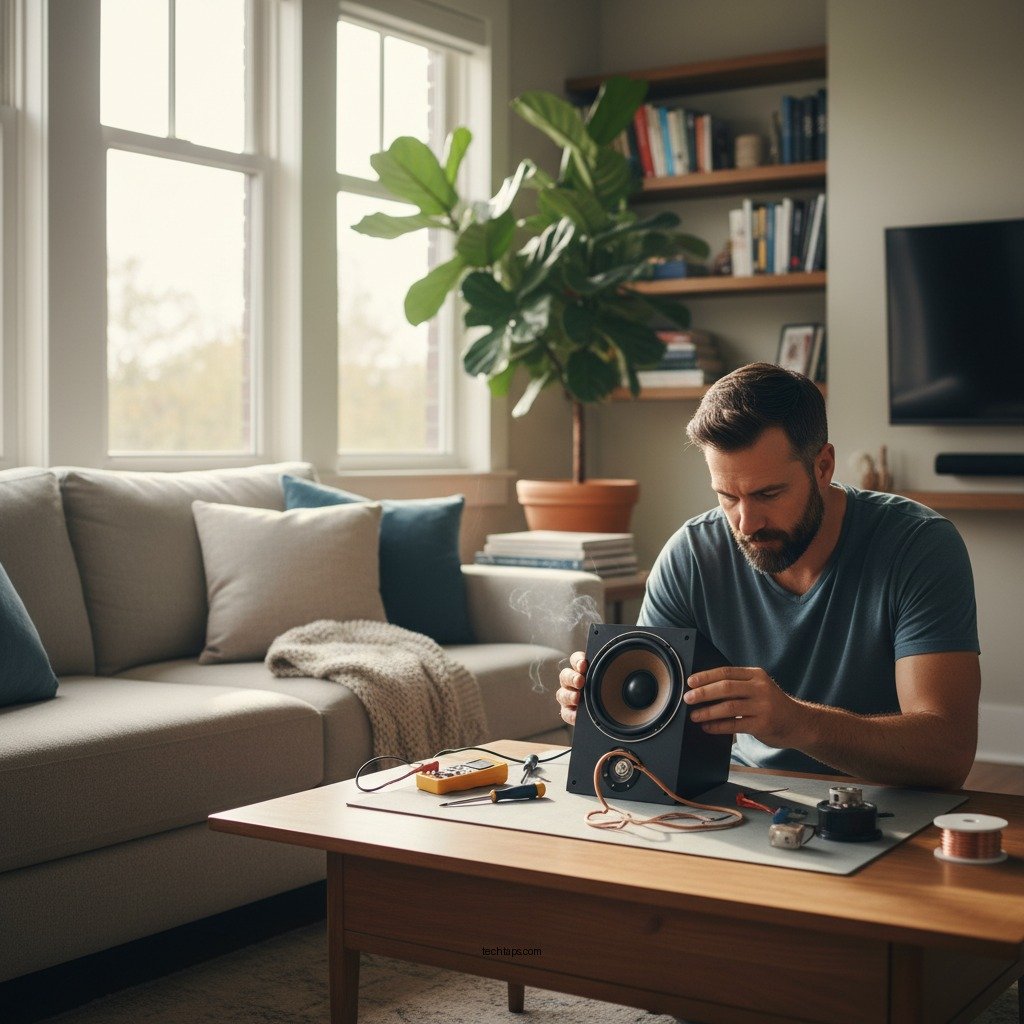

Fixing a blown speaker in your home audio system can often be done with a few simple steps. To start, it’s crucial to accurately diagnose the problem to confirm that the speaker is indeed blown. Once you’ve established that, you can choose between repairs or replacements. This article will guide you through identifying the issue, the tools you’ll need for repairs, DIY repair options, when to consider replacing a speaker, and how to know when it’s best to seek professional help.
Identifying a Blown Speaker
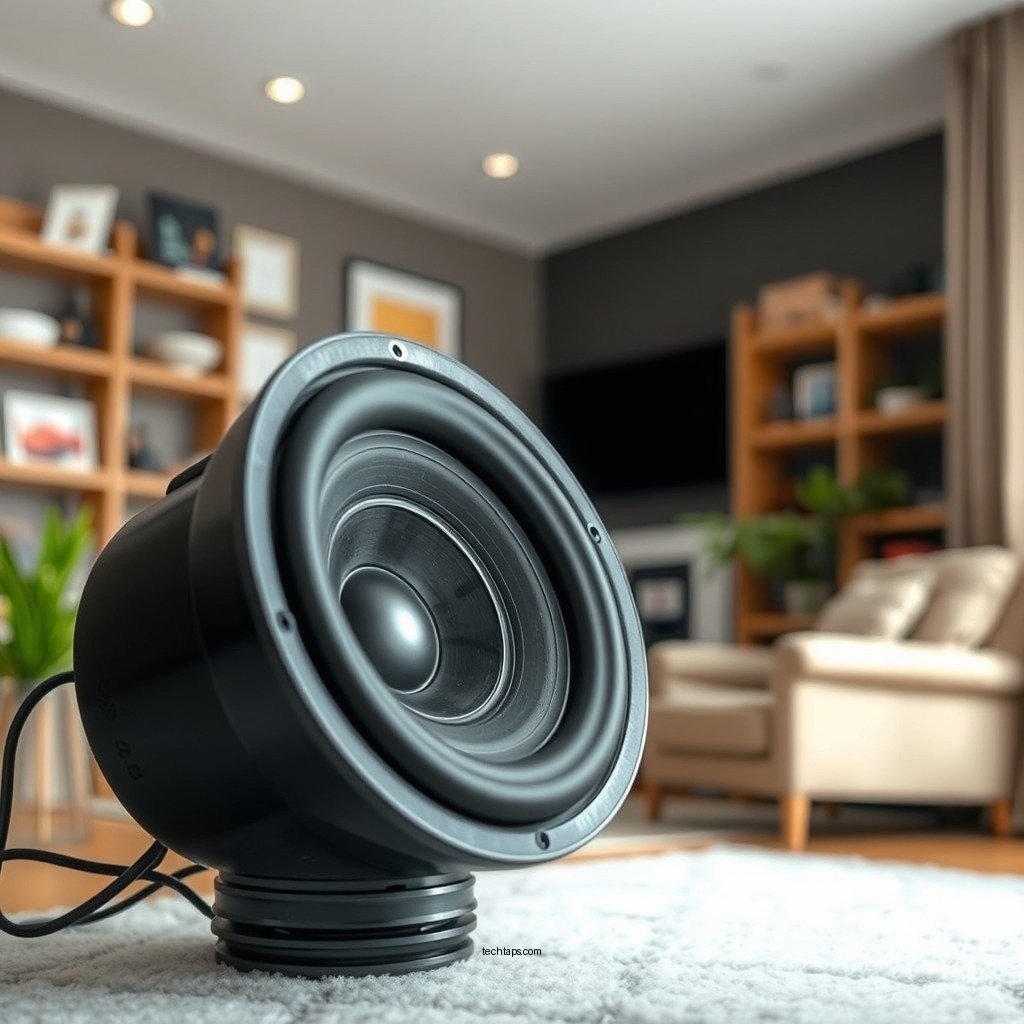
The first step in addressing a blown speaker is to identify the symptoms. Listen closely for distortion, which often manifests as crackling or muffled sounds, or, in some cases, no sound at all. If you hear these issues, it’s a strong indication that your speaker may be damaged.
Next, examine the speaker visually. Look for physical signs of damage such as tears or holes in the speaker cone, which can severely affect sound quality. Additionally, check for loose or frayed wires, particularly at the connection points. If the speaker appears intact but still doesn’t function properly, it may be the internal components like the voice coil or crossover circuitry that are damaged.
Tools You’ll Need
To effectively diagnose and repair a blown speaker, you will require several essential tools:
– Multimeter: This device is crucial for testing the speaker’s resistance. A functioning speaker typically has a resistance of 4, 6, or 8 ohms. If the multimeter shows an open circuit (infinity), the speaker is likely blown.
– Basic Hand Tools: You’ll need screwdrivers, pliers, and possibly a utility knife for disassembly. These tools will help you access the internal components of the speaker.
– Replacement Parts: If you decide to repair the speaker, having replacement parts such as a new cone or foam surround will be necessary. Depending on the speaker model, these can often be sourced online or from audio repair shops.
DIY Repair Options
For those inclined to tackle repairs themselves, there are two primary methods to restore a blown speaker: re-coning and refoaming.
Re-coning
Re-coning involves removing the damaged cone of the speaker and replacing it with a new one. This process requires careful disassembly and reassembly and is suitable for speakers where the cone is damaged but the voice coil remains intact. There are kits available that include all necessary components, making this a feasible DIY project.
Refoaming
If the foam surround of the speaker has deteriorated, refoaming is a practical solution. This process involves removing the old foam and gluing a new surround onto the speaker cone. Although it may seem daunting, many audio enthusiasts find this task rewarding and it can significantly extend the life of your speakers.
For both methods, online tutorials and videos can provide step-by-step guidance, making it easier to navigate the repair process.
Common Speaker Repair Techniques and Their Effectiveness
| # | Repair Technique | Effectiveness | Cost | Difficulty |
|---|---|---|---|---|
| 1 | Re-coning | High | $20-$50 | Medium |
| 2 | Refoaming | High | $15-$30 | Low |
| 3 | Soldering Connections | Medium | $5-$10 | Medium |
| 4 | Replacing the Voice Coil | High | $30-$80 | High |
| 5 | Full Speaker Replacement | Very High | $100-$500 | Medium |
| 6 | Testing Internal Components | Medium | $0 | Low |
| 7 | Cleaning Speaker Components | Medium | $0-$10 | Low |
When to Replace a Speaker
At times, the extent of damage may warrant a complete speaker replacement rather than repair. To assess this, consider the cost-effectiveness of the repair. If the total cost of parts and labor approaches or exceeds the price of a new, similar speaker, replacement may be the better option.
Additionally, ensure compatibility with your existing audio system. If your speaker is part of a surround sound setup, for instance, look for specifications that match the required impedance and sensitivity levels to maintain sound quality.
Seeking Professional Help
While many speaker repairs can be executed as DIY projects, some issues may be complex, requiring professional intervention. If you identify problems with the crossover network or if the speaker’s voice coil is damaged, it’s often best to consult an audio technician.
When seeking professional help, consider the potential costs involved. Labor rates vary widely, and sometimes the expense of professional repairs can surpass the cost of purchasing a new speaker. However, professional repairs can offer peace of mind, ensuring the job is done correctly and safely.
Preventing Future Speaker Issues
To prolong the life of your speakers and prevent future issues, regular maintenance is key. Dust and debris can accumulate over time, so clean your speakers gently and regularly. Additionally, ensure that your audio system is not pushed beyond its limits. Overdriving speakers can lead to blowouts, so monitor volume levels and avoid sudden spikes in sound.
Investing in quality audio equipment is another proactive measure. Higher-quality speakers are often designed to handle more power and provide better sound fidelity, thereby reducing the risk of damage over time.
In conclusion, addressing a blown speaker in your home audio system involves careful diagnosis and consideration of repair or replacement options. By equipping yourself with the right tools and knowledge, you can tackle this issue effectively. Remember to maintain your speakers regularly to prevent future problems, and when in doubt, consult a professional for assistance. With the right approach, your audio experience can remain enjoyable and uninterrupted for years to come.
Frequently Asked Questions
What are the signs that indicate a speaker has blown in my home audio system?
Common signs of a blown speaker include distorted sound, a lack of sound from one or more speakers, and unusual popping or crackling noises. If you notice that your audio system isn’t producing clear or balanced sound, it’s likely a speaker issue that needs to be addressed.
How can I diagnose if my speaker is truly blown?
To diagnose a blown speaker, start by checking the connections to ensure they are secure. Then, listen for any irregular sounds when playing music at low and high volumes. You can also test the speaker with a different audio source to confirm whether the problem lies with the speaker or the audio source itself.
Why do speakers blow in a home audio system?
Speakers can blow due to a variety of reasons, including over-exposure to high volumes, inadequate power handling, or physical damage. Additionally, using a low-quality amplifier or connecting speakers with mismatched impedance can lead to blown speakers, compromising your home audio experience.
What is the best way to fix a blown speaker in my home audio system?
The best way to fix a blown speaker is to replace the damaged components, such as the voice coil or cone, or to replace the entire speaker if the damage is extensive. For minor issues, you can often repair the speaker with adhesive or by re-soldering connections, but if you lack experience, consulting a professional is recommended.
Which tools do I need to repair a blown speaker effectively?
To repair a blown speaker, you will typically need tools such as a screwdriver, soldering iron, adhesive or sealant, and a multimeter for testing electrical connections. Additionally, having replacement parts on hand, like a new speaker cone or voice coil, will make the repair process more efficient and effective.
References
- Loudspeaker
https://en.wikipedia.org/wiki/Loudspeaker - https://www.audioholics.com/how-to-articles/how-to-fix-your-blown-speaker
https://www.audioholics.com/how-to-articles/how-to-fix-your-blown-speaker - https://www.audioengineusa.com/blogs/education/how-to-fix-a-blown-speaker
https://www.audioengineusa.com/blogs/education/how-to-fix-a-blown-speaker - Google Scholar Google Scholar
https://scholar.google.com/scholar?q=fix+blown+speaker+home+audio+system - Google Scholar Google Scholar
https://scholar.google.com/scholar?q=speaker+repair+techniques - Google Scholar Google Scholar
https://scholar.google.com/scholar?q=speaker+maintenance - https://www.bbc.com/future/article/20201021-how-to-fix-something-you-love
https://www.bbc.com/future/article/20201021-how-to-fix-something-you-love - Google Scholar Google Scholar
https://scholar.google.com/scholar?q=How+to+Fix+a+Blown+Speaker+in+Your+Home+Audio+System - How to Fix a Blown Speaker in Your Home Audio System – Search results
https://en.wikipedia.org/wiki/Special:Search?search=How+to+Fix+a+Blown+Speaker+in+Your+Home+Audio+System - https://www.ncbi.nlm.nih.gov/search/research-articles/?term=How+to+Fix+a+Blown+Speaker+in+Your+Home+Audio+System
https://www.ncbi.nlm.nih.gov/search/research-articles/?term=How+to+Fix+a+Blown+Speaker+in+Your+Home+Audio+System