
Choosing between Wi-Fi and Bluetooth speakers ultimately depends on your specific needs. If you prioritize sound quality and multi-room capabilities, Wi-Fi speakers are the way to go. However, if portability and ease of use are more important, Bluetooth speakers may be your best option. This article will explore the key differences, advantages, and considerations for both types of speakers, helping you make an informed decision that aligns with your lifestyle and listening habits.



Understanding the Basics of Wi-Fi Speakers
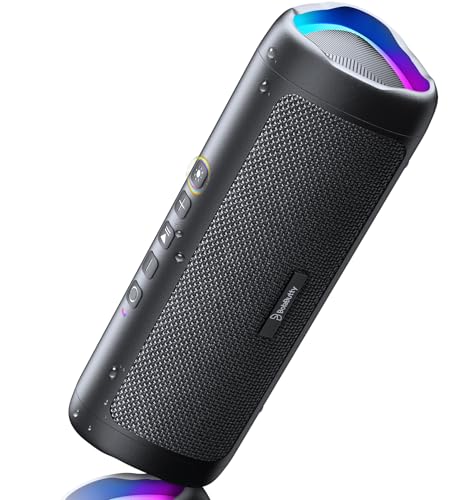
Wi-Fi speakers connect to your home network, allowing for higher audio quality and streaming capabilities. Unlike Bluetooth speakers that rely on direct pairing with a device, Wi-Fi speakers utilize your existing internet connection. This means you can stream music from various sources, including popular platforms like Spotify, Apple Music, and even internet radio stations, without needing to connect your phone or tablet.
One of the standout features of Wi-Fi speakers is their support for multi-room audio. This allows you to play music simultaneously in different rooms, creating a seamless sound experience throughout your home. Brands like Sonos and Google Nest Audio have mastered this technology, enabling you to control music in various rooms, adjust volume levels, and even group speakers for synchronized playback. This multi-room capability can transform your home into a mini concert hall, making it perfect for entertaining guests or simply enjoying your favorite tunes throughout the day.
Understanding the Basics of Bluetooth Speakers
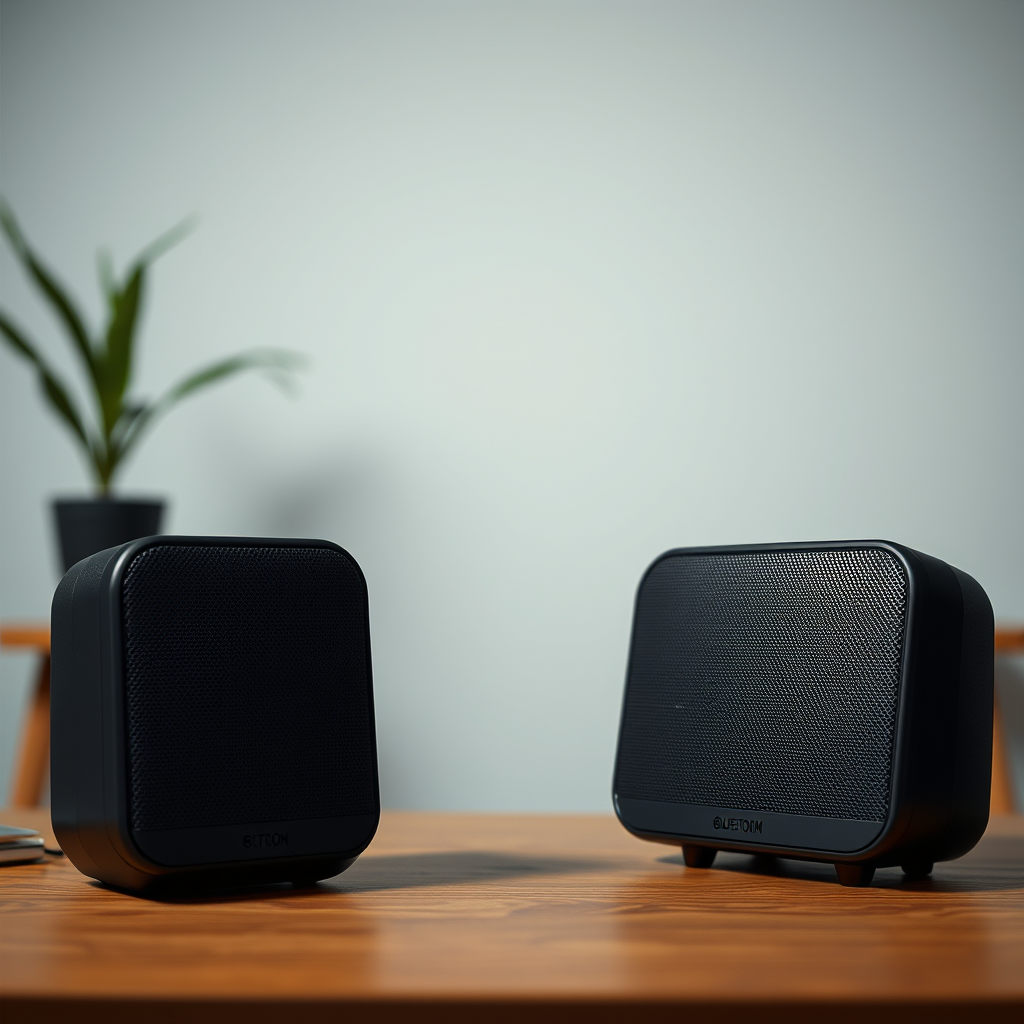
Bluetooth speakers connect directly to your devices without the need for a Wi-Fi network, making them highly portable and user-friendly. This convenience is one of the key reasons why Bluetooth speakers have become a popular choice for casual listeners and on-the-go music lovers. With a Bluetooth speaker, you can easily pair your phone, tablet, or laptop with just a few clicks, allowing you to enjoy your music anywhere you go, from outdoor picnics to a day at the beach.
Moreover, Bluetooth speakers are generally easier to set up and use. Most models come with a simple button interface and voice prompts to guide you through the pairing process. This simplicity makes them an excellent option for those who may not be tech-savvy or who prefer a hassle-free listening experience. Brands like JBL and Bose have released a range of Bluetooth options that cater to various needs, from small portable speakers to larger, more powerful models that still maintain easy connectivity.
Sound Quality Comparison

When it comes to sound quality, Wi-Fi speakers typically offer superior audio performance due to their higher bandwidth and capabilities. The ability to stream music at higher resolutions means that you can experience richer bass, clearer vocals, and a more immersive soundstage. For audiophiles, this aspect is crucial, as they seek out the best possible listening experience.
On the other hand, Bluetooth speakers may have limitations in sound clarity, especially at higher volumes. The compression involved in Bluetooth transmission can result in a loss of audio fidelity, which may be noticeable to discerning ears. However, many Bluetooth speakers have made significant advancements in sound quality, with brands like Ultimate Ears and Anker offering models that deliver quite impressive audio. If you’re using a Bluetooth speaker for casual listening, you might not notice these differences as clearly.
Range and Connectivity Differences
Wi-Fi speakers boast a broader range and can connect to devices further away from the source, thanks to their ability to use your home’s internet connection. This means that as long as you’re within range of your network, you can stream music from your device without any lag or interruptions. Some Wi-Fi speakers even allow for control through smartphone apps, enabling you to adjust settings from anywhere in your home.
In contrast, Bluetooth speakers are limited in range, usually around 30 feet, which can restrict usage in larger spaces. If you move too far from the speaker, you may experience dropouts or disconnections. However, this limitation also has its perks; it means you can easily connect your speaker to your device without worrying about the complexities of network settings. For smaller gatherings or outdoor activities, this range is often sufficient.
Power Consumption and Battery Life
Wi-Fi speakers often require constant power, which can limit portability but provide uninterrupted playback. They are typically plugged into a power source, ensuring that you can enjoy your music without worrying about battery life. This makes them ideal for home use, where you can set them up and forget about them while you enjoy music throughout the day.
Bluetooth speakers usually come with rechargeable batteries, offering flexibility for outdoor or travel use. Many models boast impressive battery life, with some lasting up to 20 hours on a single charge. This portability allows you to take your music wherever you go, whether it’s a camping trip, a day at the park, or just to a friend’s house. However, you will need to remember to charge your Bluetooth speaker before heading out, which can be a slight inconvenience.
Price Considerations
When it comes to price, Wi-Fi speakers tend to be more expensive due to their advanced technology and features. The high-end models that offer exceptional sound quality and multi-room capabilities can range from a few hundred to over a thousand dollars. However, investing in a Wi-Fi speaker can be worthwhile for serious music enthusiasts who prioritize audio fidelity and versatility.
On the other hand, Bluetooth speakers offer a range of budget-friendly options, making them accessible for casual listeners. You can find decent-quality Bluetooth speakers for as low as $30, while high-end models can reach up to $300 or more. This affordability allows more people to enjoy quality sound without breaking the bank, making Bluetooth speakers an excellent choice for those who want an easy, enjoyable listening experience without the complexity of Wi-Fi connectivity.
Use Cases and Recommendations
Wi-Fi speakers are ideal for home use, especially for audiophiles who enjoy high-quality sound and multi-room setups. If you love hosting parties or simply enjoy having music playing in the background while you work, investing in a Wi-Fi speaker system could greatly enhance your experience. Brands like Sonos have created ecosystems that allow you to expand your audio setup over time, making it easy to integrate new devices as your needs evolve.
Conversely, Bluetooth speakers are perfect for those who want convenience and portability for casual listening in various environments. If you’re someone who enjoys music during your commute, at the gym, or during outdoor activities, a Bluetooth speaker is your best bet. Look for models that are rugged and waterproof, like those offered by JBL or Ultimate Ears, to ensure they can withstand your active lifestyle.
Summarizing the differences between Wi-Fi and Bluetooth speakers is essential for making an informed decision. If sound quality and multi-room capabilities are your priority, opt for Wi-Fi speakers. If you prefer portability and ease of use, go for Bluetooth speakers. Consider your lifestyle and listening habits as you make your choice, and take the next step to enhance your audio experience today!
Frequently Asked Questions
What are the main differences between Wi-Fi and Bluetooth speakers?
The primary differences between Wi-Fi and Bluetooth speakers lie in their connectivity and sound quality. Wi-Fi speakers typically use a home network to stream audio, allowing for higher quality sound and multi-room functionality. In contrast, Bluetooth speakers connect directly to devices like smartphones or tablets, making them more portable but often limiting range and sound fidelity.
How do I choose between a Wi-Fi and a Bluetooth speaker for my needs?
Choosing between a Wi-Fi and a Bluetooth speaker depends on your specific needs and usage scenarios. If you prioritize sound quality, multi-room listening, and seamless integration with smart home systems, a Wi-Fi speaker is ideal. However, if portability and ease of use are more important, especially for outdoor activities, a Bluetooth speaker would be a better choice.
Why do Wi-Fi speakers generally offer better sound quality than Bluetooth speakers?
Wi-Fi speakers typically deliver better sound quality due to their ability to transmit audio over a more stable connection with higher bandwidth. This allows for lossless audio streaming and supports higher resolution audio files, which can enhance the overall listening experience. Bluetooth, while convenient, often compresses audio to fit within its lower bandwidth, leading to a potential loss in sound detail.
What are the best use cases for Wi-Fi speakers compared to Bluetooth speakers?
The best use cases for Wi-Fi speakers include home audio systems where you want to stream music from various services, play high-quality audio throughout multiple rooms, or integrate with smart home technology. On the other hand, Bluetooth speakers are perfect for on-the-go scenarios, such as taking music to the beach, traveling, or casual gatherings where quick connectivity is essential.
Which type of speaker is more secure: Wi-Fi or Bluetooth?
Wi-Fi speakers can be more vulnerable to hacking if not secured properly, especially if connected to an open network. However, they also allow for more robust security protocols compared to Bluetooth, which is generally more secure in close-range connections. Both types have their security measures, but it’s essential to regularly update firmware and follow best practices to ensure your devices remain secure.
References
- Wi-Fi
- Bluetooth
- https://www.howtogeek.com/677436/wifi-vs-bluetooth-which-is-better-for-wireless-audio/
- https://www.cnet.com/home/speakers/wifi-vs-bluetooth-speakers-which-is-best-for-you/
- https://www.techradar.com/news/wifi-vs-bluetooth-which-is-best-for-your-wireless-speakers
- https://www.npr.org/2020/07/01/884383083/whats-the-difference-between-wi-fi-and-bluetooth
- https://www.lifewire.com/wifi-vs-bluetooth-2483392
- https://www.pcmag.com/news/bluetooth-vs-wi-fi-which-is-better-for-your-wireless-speaker
