Setting up a high-end audio system for ultimate performance requires meticulous attention to detail, knowledge of acoustics, and an understanding of equipment placement and calibration. By following the right tips and techniques, you can significantly enhance sound quality and create an immersive listening experience. This article will guide you through essential strategies that ensure your audio system functions at its best.




Understanding Your Equipment
To achieve optimal performance from your high-end audio system, it is vital to familiarize yourself with each component. This includes receivers, speakers, subwoofers, and sources like CD players, turntables, or streaming devices. Knowing the specifications of your equipment—such as wattage, frequency response, and impedance—enables you to utilize them effectively. For example, matching the impedance of your speakers with your amplifier can prevent distortion and damage to components.
Additionally, understanding the features of your audio system can greatly influence your listening experience. Features such as Dolby Atmos support, Bluetooth connectivity, and dedicated EQ settings allow you to customize audio output to your preferences. Whether your focus is on music, movies, or gaming, knowing your gear will help you optimize its performance.
Room Acoustics and Treatment
Room acoustics play a significant role in sound quality. The shape, size, and materials of your room can create various acoustic challenges, such as echoes and sound reflections. Assess your room to identify potential issues, and consider solutions to enhance acoustics.
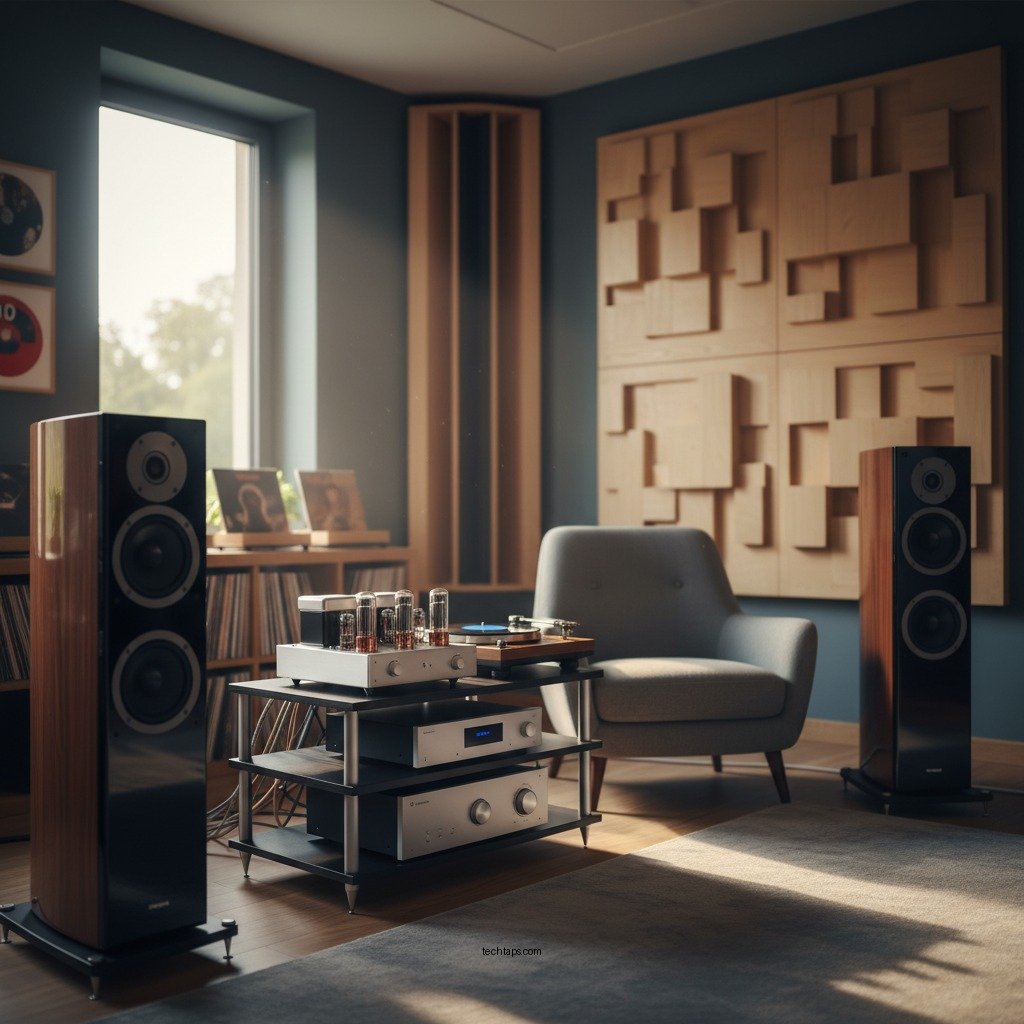
Adding acoustic panels to walls can absorb sound waves and reduce echo, while rugs and carpets can soften hard surfaces that might reflect sound. Bookshelves filled with books also serve as diffusers, breaking up sound waves and preventing standing waves. Additionally, placing furniture strategically can help improve sound dispersion.
Consider using a room analysis tool or software to get an accurate assessment of your space’s acoustic properties. This data can guide you in making necessary adjustments for optimal sound performance.
Speaker Placement
Proper speaker placement is crucial for achieving balanced audio. Ideally, speakers should be positioned at ear level when seated. This positioning maximizes the clarity of high frequencies, ensuring that vocals and instruments are heard with precision.Equidistance from seating areas is also essential; speakers should form an equilateral triangle with the listening position. Experimenting with different placements can help you discover the “sweet spot” where sound is optimally balanced. The following table outlines recommended speaker placements for various setups:
Recommended Speaker Placement for Different Setups
| # | Setup Type | Speaker Height | Ideal Distance | Angle |
|---|---|---|---|---|
| 1 | Stereo | Ear Level | 8-10 ft | 30° |
| 2 | 5.1 Surround | Ear Level | 6-8 ft | 22° |
| 3 | 7.1 Surround | Ear Level | 8-10 ft | 22° |
| 4 | Home Theater | Ear Level | 10-12 ft | 30° |
| 5 | Desktop | Ear Level | 2-4 ft | 0° |
| 6 | Mobile | Ear Level | 3-5 ft | 0° |
| 7 | Portable | Ear Level | 1-2 ft | 0° |
Cable Management and Upgrades
The cables you use for your audio system can significantly impact sound quality. High-quality cables help prevent signal loss and interference, ensuring that you receive the best possible sound. Invest in premium speaker wires, interconnects, and power cables that match the specifications of your components, particularly if you have a high-end setup.
Proper cable management is equally important. Disorganized cables can lead to interference and clutter, detracting from both the aesthetics of your setup and potentially affecting performance. Use cable ties, clips, or sleeves to keep cables tidy and organized. Consider running cables along walls or under carpets to minimize their visibility and reduce potential trip hazards.In addition to cable quality, periodically upgrading your cables can yield significant improvements in sound quality, especially when moving to higher-end components.
Calibration and Tuning
Calibration is a vital step in optimizing your audio system’s performance. Many high-end receivers come with built-in calibration tools that can analyze your room and automatically adjust settings for better sound. For more granular control, consider using dedicated software and measurement microphones.
Room calibration adjusts settings such as speaker distances, levels, and equalization to compensate for acoustic anomalies in your space. Regularly checking and tuning these settings is essential, especially after making changes to your room layout or upgrading equipment.
Moreover, manual tuning can be beneficial. Experiment with different equalizer settings to find the sound profile that appeals to you most. The goal is to create a sound that feels natural and immersive, tailored to your specific listening preferences.
Listening Environment
Creating an optimal listening environment is crucial for enjoying your high-end audio system. A dedicated space that minimizes distractions can enhance your experience significantly. Consider furnishings that promote comfort and focus, such as dedicated seating that supports long listening sessions.
Light control is also important; consider dimmable lights or blackout curtains to reduce glare on screens and to create a more immersive atmosphere. The arrangement of your seating should promote a direct line of sight to speakers, which can enhance the overall experience.
Also, consider the impact of ambient noise. If your listening space is prone to interruptions, soundproofing measures may be worth the investment. This can include adding insulation to walls or using heavy curtains to block outside noise.
Maintenance and Upkeep
Regular maintenance is key to ensuring the longevity and performance of your audio equipment. Dust and debris can accumulate on speakers, receivers, and other components, potentially affecting sound output. Clean your equipment gently with appropriate tools, such as microfiber cloths and air dusters.
Staying updated on firmware and software updates for your devices is equally important. Manufacturers often release updates that fix bugs, improve performance, or introduce new features. Regularly check for these updates to ensure that your system operates at its peak.
In addition, keep an eye on the physical condition of your cables and connections. Frayed wires or loose connections can lead to performance issues, so make replacements as necessary.
By implementing these tips, you can significantly enhance the performance of your high-end audio system, leading to an immersive listening experience. Start by evaluating your current setup and making necessary adjustments to enjoy superior sound quality and clarity. With a focus on equipment understanding, room acoustics, speaker placement, and ongoing maintenance, you will be well on your way to achieving audio excellence.
Frequently Asked Questions
What are the key components of a high-end audio system setup?
A high-end audio system typically includes a quality source component (like a CD player or streaming device), an amplifier, and speakers that match your listening needs. Additionally, integrating a digital-to-analog converter (DAC) can enhance sound quality, while high-quality cables and accessories contribute to overall performance. Proper component synergy is crucial for achieving the best audio results.
How should I position my speakers for optimal sound quality?
For optimal sound quality, position your speakers at ear level when seated, forming an equilateral triangle with your listening position. Avoid placing them too close to walls or corners to minimize bass buildup and reflections. Experimenting with speaker placement can lead to significant improvements in soundstage and clarity.
Why is room acoustics important in a high-end audio setup?
Room acoustics play a vital role in how sound waves interact within your listening environment, greatly affecting clarity and tonal balance. Hard surfaces can cause reflections and echoes, while soft furnishings can help absorb sound. Investing in acoustic treatments, such as panels or bass traps, can dramatically enhance your high-end audio system’s performance.
What are the best cables to use for my high-end audio system?
The best cables for your high-end audio system are those designed with high-quality materials that minimize signal loss and interference. Look for oxygen-free copper or silver cables, and consider shielded options to reduce noise. While price can be a factor, prioritize cables that suit your specific setup and ensure compatibility with your components.
Which accessories are essential for enhancing my high-end audio experience?
Essential accessories for enhancing your high-end audio experience include isolation pads or stands for speakers, power conditioners to reduce electrical noise, and high-quality interconnects for signal transfer. Additionally, a good surge protector can protect your equipment, while a dedicated listening chair can improve comfort during long listening sessions.
References
- Sound system
https://en.wikipedia.org/wiki/Audio_system - https://www.sciencedirect.com/topics/engineering/audio-systems
https://www.sciencedirect.com/topics/engineering/audio-systems - https://www.bbc.com/future/article/20201026-how-to-set-up-an-audio-system-for-optimal-sound
https://www.bbc.com/future/article/20201026-how-to-set-up-an-audio-system-for-optimal-sound - https://www.nature.com/articles/s41598-020-70671-3
https://www.nature.com/articles/s41598-020-70671-3 - Google Scholar Google Scholar
https://scholar.google.com/scholar?q=High-End+Audio+System+Setup+Tips - Google Scholar Google Scholar
https://scholar.google.com/scholar?q=Audio+System+Performance+Optimization - https://www.acoustics.org/press/175th/abstracts/1017.html
https://www.acoustics.org/press/175th/abstracts/1017.html - https://www.reuters.com/article/us-technology-audio-idUSKBN2A20OS
https://www.reuters.com/article/us-technology-audio-idUSKBN2A20OS - https://www.theguardian.com/music/2020/oct/20/how-to-set-up-the-perfect-home-audio-system
https://www.theguardian.com/music/2020/oct/20/how-to-set-up-the-perfect-home-audio-system - https://www.pubmed.ncbi.nlm.nih.gov/32803829/
https://www.pubmed.ncbi.nlm.nih.gov/32803829/