
When it comes to choosing between wireless and wired speakers, the right choice depends on your priorities—convenience or sound quality. Wireless speakers offer the freedom of mobility and easy integration with smart devices, while wired speakers provide superior audio fidelity and reliability. This article will delve into the key advantages and disadvantages of both types of speakers, helping you make an informed choice based on your audio needs and preferences.
The Convenience of Wireless Speakers
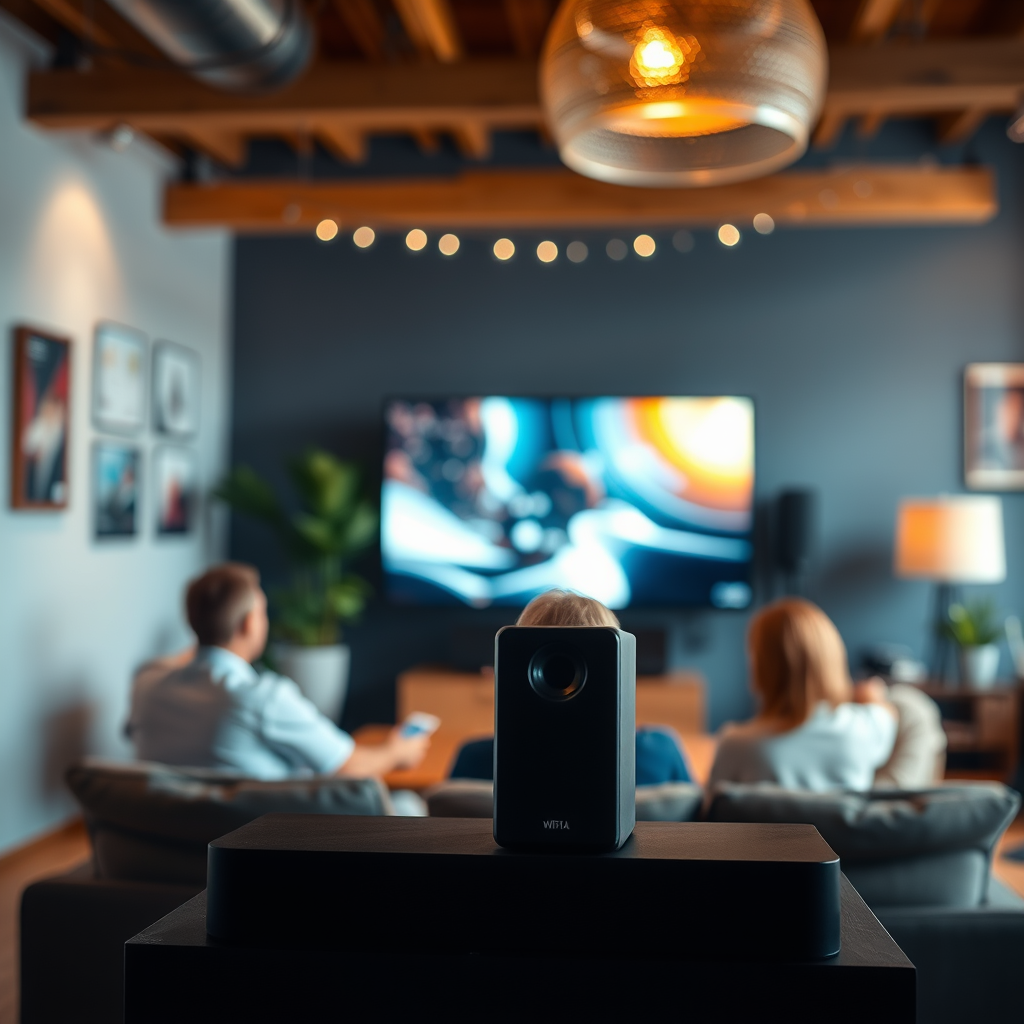
Wireless speakers revolutionize how we listen to music by eliminating the hassle of cables. Imagine being able to set up your sound system anywhere in your home or even outdoors without worrying about finding an outlet or managing tangled wires. This freedom allows for easy placement in different rooms or even taking your audio experience outside for a picnic or a barbecue. Many modern wireless models also integrate effortlessly with smart home systems and mobile devices, allowing you to control your music with a simple voice command or a few taps on your smartphone. Popular brands like Sonos and Bose have made it even easier to connect multiple speakers throughout your home, creating a truly immersive sound experience without the mess of wires.
Advantages of Wired Speakers

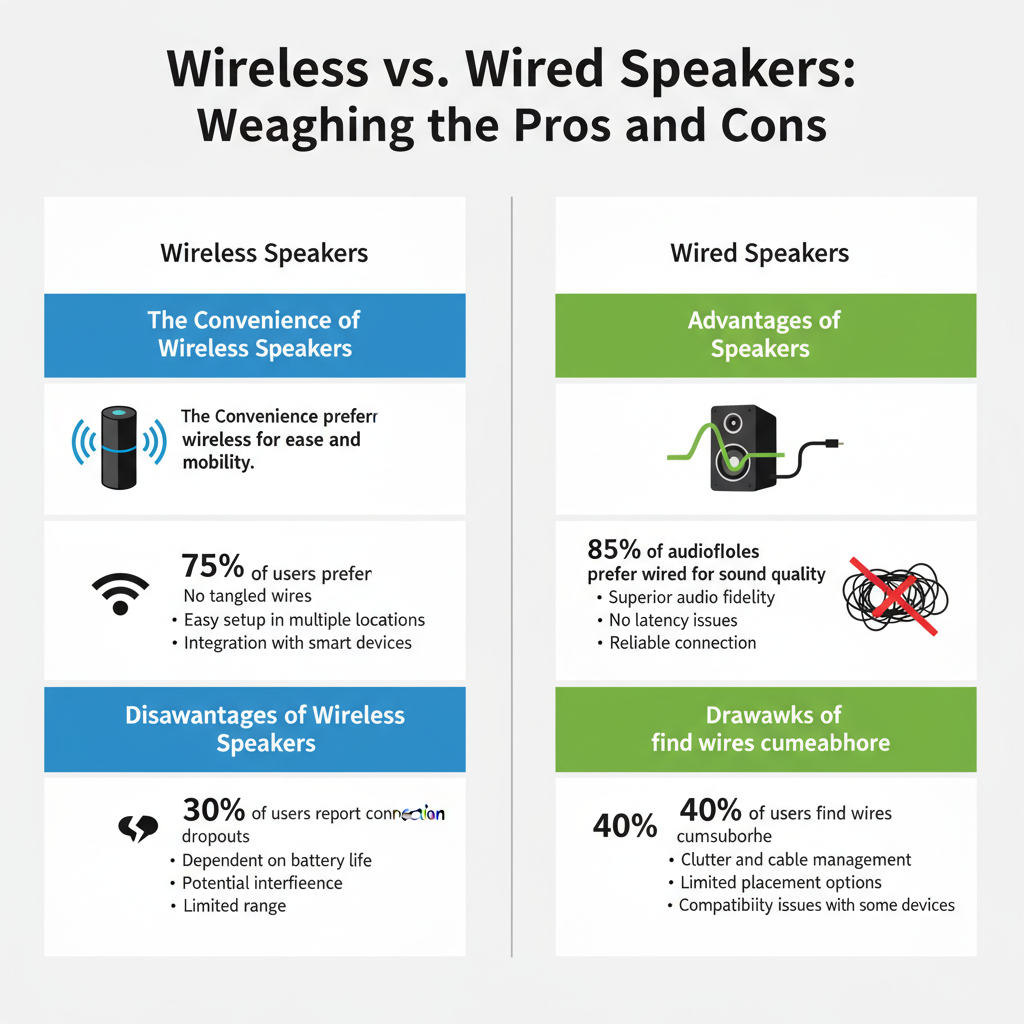
Despite the growing popularity of wireless technology, wired speakers remain a strong contender, especially when it comes to sound quality. Generally, wired speakers deliver better fidelity, offering clearer and more dynamic audio reproduction. This is largely due to the direct connection, which minimizes latency and signal interference that can plague wireless systems. For audiophiles and music lovers, this means enjoying your favorite tracks as the artist intended, with rich bass and crisp highs.
Wired speakers also provide a more reliable connection. You won’t have to worry about interruptions caused by weak signals or interference from other devices, which can be particularly frustrating during a long listening session. Additionally, there are no concerns about battery life; once you’ve set up your wired speakers, you can enjoy uninterrupted music without the anxiety of needing to recharge.
Disadvantages of Wireless Speakers
While wireless speakers boast impressive convenience, they do come with notable drawbacks. One of the primary concerns is the potential for signal interference and dropouts, especially in crowded environments. For instance, if you’re at a lively party or in a bustling apartment complex, the chances of encountering interruptions increase, which can detract from your listening experience.
Another significant downside is the battery life limitation. While many wireless speakers can last several hours on a single charge, they eventually require recharging, which can disrupt continuous use. For users who plan to enjoy music for extended periods, this could be a frustrating inconvenience, demanding thoughtful planning around charging schedules.
Drawbacks of Wired Speakers
On the flip side, wired speakers come with their own set of challenges. The installation process can be cumbersome and may require a bit of technical know-how, especially if you’re setting up a surround sound system. The need for cables and connections can limit your placement options, making it harder to achieve that perfect sound setup without visible wires cluttering your space.
Moreover, once wired speakers are installed, they offer less flexibility for moving them around. If you decide to rearrange your living room or move to a new home, you’ll need to deal with the hassle of disconnecting and reconnecting cables, which can be a tedious task. This lack of adaptability can be a significant downside for those who frequently change their home decor or want the freedom to reposition their audio setup.
Ideal Use Cases for Wireless Speakers
Wireless speakers shine in casual listening scenarios. They are the perfect companions for outdoor gatherings, where you might need to move the sound system around to accommodate guests or shift locations. Their portability allows you to take them from room to room effortlessly, making them ideal for people with active lifestyles or those who love hosting.
Additionally, wireless speakers are great for users who prefer a clutter-free environment. If you enjoy streaming music from various devices—be it your smartphone, tablet, or laptop—wireless speakers make it easy to connect and switch between devices without the hassle of plugging and unplugging cables. Brands like JBL and Ultimate Ears offer durable and portable options, perfect for on-the-go music lovers.
When to Choose Wired Speakers
If you are an audiophile or someone who appreciates the nuances of high-quality sound, wired speakers are likely the better choice for you. They excel in home theater setups where sound fidelity is essential. Whether you’re watching a movie or listening to your favorite symphony, wired speakers will provide the rich audio experience that enhances your enjoyment.
Wired speakers are also ideal for permanent installations. If you have a dedicated media room or a setup where audio quality and reliability are top priorities, investing in wired speakers will pay off in the long run. Brands like Klipsch and Bowers & Wilkins are renowned for their high-end wired options that deliver exceptional sound quality, ensuring that you enjoy every note and nuance.
Making Your Decision
Ultimately, choosing between wireless and wired speakers hinges on your specific needs and preferences. Consider your main usage scenarios: If you value mobility and convenience, go for wireless speakers. If you prioritize sound quality and reliability, wired speakers will likely meet your expectations.
Additionally, think about your budget. While there are great options available for both types, wired speakers generally require a larger initial investment for quality models. Evaluate the spaces where you’ll use the speakers, as this can help you determine which type will best fit your lifestyle. Whether you’re setting up a cozy listening nook or a full-fledged home theater, understanding your priorities will guide you toward the right choice.
Summarizing the pros and cons of wireless and wired speakers helps clarify your options. Whether you prioritize convenience or sound quality, understanding these differences will guide you to the right choice for your audio needs. Take some time to assess your listening habits and explore options that align with your lifestyle. Ultimately, the best speaker for you is the one that fits seamlessly into your routine, enhancing your music experience for years to come.
Frequently Asked Questions
What are the main advantages of wireless speakers compared to wired speakers?
Wireless speakers offer several compelling advantages, including convenience and flexibility. They eliminate the need for cumbersome cables, making them easier to place in various locations without worrying about outlet proximity. Additionally, wireless speakers often support Bluetooth and Wi-Fi connectivity, allowing for seamless streaming from multiple devices, which enhances user experience and accessibility.
How do wired speakers outperform wireless speakers in terms of sound quality?
Wired speakers generally provide superior sound quality due to their direct connection to the audio source, which can result in less interference and better fidelity. The analog signal transmitted through wires typically allows for a richer and more dynamic audio experience, especially in high-end systems. For audiophiles or anyone seeking the best possible sound output, wired speakers are often seen as the preferred choice.
Why might someone choose wired speakers over wireless speakers for their home audio setup?
Individuals might choose wired speakers for several reasons, including reliability and sound performance. Wired connections are not subject to potential wireless interference or latency issues, which can affect audio quality during playback. Furthermore, for users who have a dedicated space for their audio setup, wired speakers can create a more stable and high-fidelity listening experience, making them a worthwhile investment.
Which type of speaker is best for outdoor use: wireless or wired?
For outdoor use, wireless speakers are typically the best option due to their portability and ease of setup. They can be easily moved around to accommodate different outdoor spaces without the hassle of running extension cords or finding nearby power outlets. Additionally, many wireless outdoor speakers are designed to be weather-resistant, further enhancing their suitability for outdoor environments.
What are the potential drawbacks of using wireless speakers compared to wired speakers?
While wireless speakers offer convenience, they can have drawbacks such as latency issues and dependence on battery life. Audio delay can be noticeable when watching videos or playing games, which can detract from the overall experience. Moreover, wireless speakers require regular charging or battery replacements, and signal interference can occasionally disrupt audio quality, making wired speakers a more stable option for critical listening applications.
References
- Wireless speaker
- https://www.techhive.com/article/3547196/wireless-vs-wired-speakers-which-should-you-choose.html
- https://www.cnet.com/home/audio/wireless-vs-wired-speakers-which-should-you-choose/
- https://www.lifewire.com/wireless-vs-wired-speakers-1846740
- https://www.soundguys.com/wireless-vs-wired-speakers-201419/
- https://www.hifiengine.com/manuals/faq/wireless-vs-wired-speakers.html
- https://www.npr.org/2020/10/20/924674858/best-wireless-speakers-when-to-choose-wired-over-wireless
- https://www.digitaltrends.com/home-theater/wireless-vs-wired-speakers/