
AI-powered displays automatically adjust their brightness and color settings based on surrounding lighting conditions, providing optimal visibility and an enhanced user experience. This intelligent technology ensures that whether you’re outdoors in bright sunlight or indoors in a dimly lit room, your display remains clear and comfortable to use. In this article, we’ll delve into how these advanced displays work, their numerous benefits, and the cutting-edge technology that enables their adaptability.
How AI Enhances Display Performance
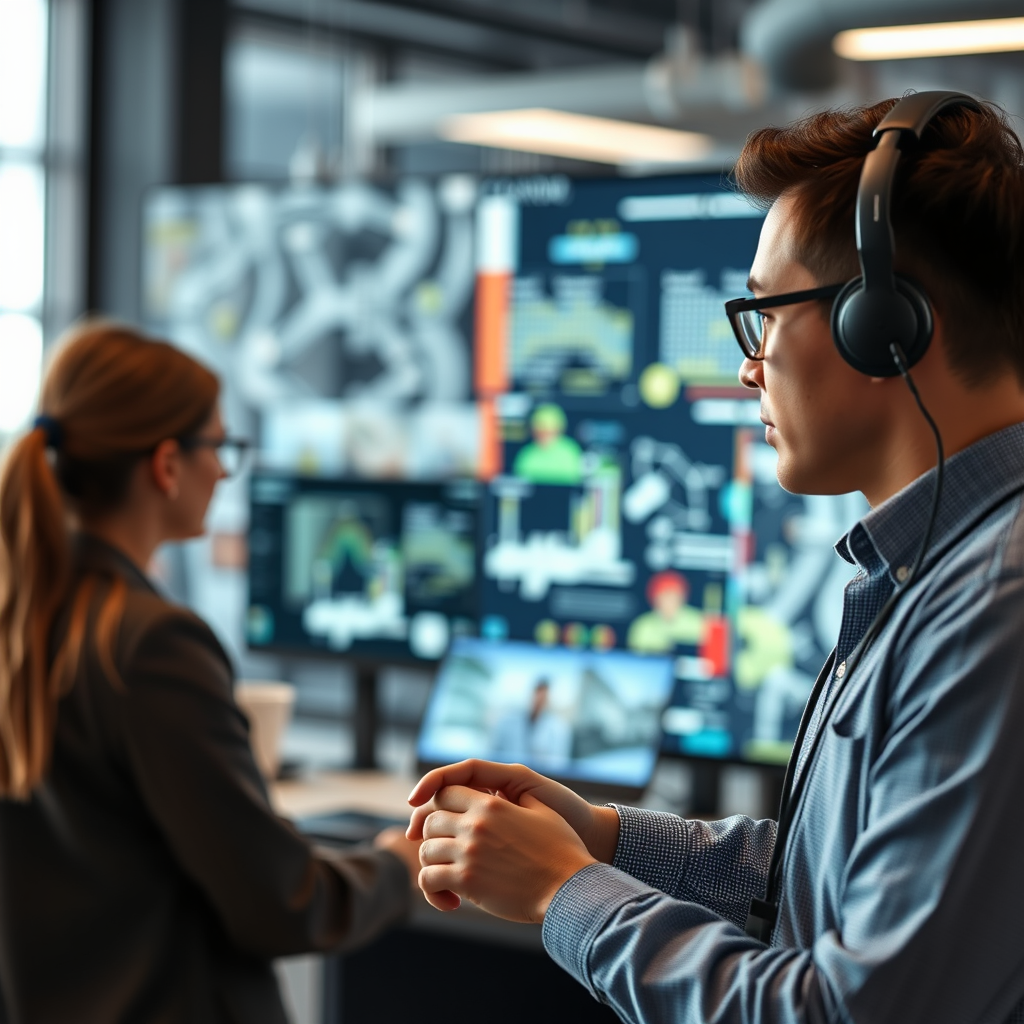
AI algorithms are at the heart of enhancing display performance. They continuously analyze ambient light levels in real-time, which allows the display to optimize its settings accordingly. For instance, if you step outside into bright sunlight, the AI can detect the increased brightness and adjust the screen’s brightness to ensure you can see the content clearly without straining your eyes. This process happens seamlessly, allowing users to focus on their tasks rather than fiddling with settings.
Moreover, machine learning plays a crucial role in this enhancement. As users interact with the display, the AI learns their preferences, such as preferred brightness levels and color contrasts in different environments. Over time, this personalized adaptation creates a more intuitive user experience. For example, if you frequently adjust your screen to a warmer tone during evening hours, the display may begin to preemptively adjust to that setting, enhancing comfort and reducing eye strain.
Types of AI-Powered Displays
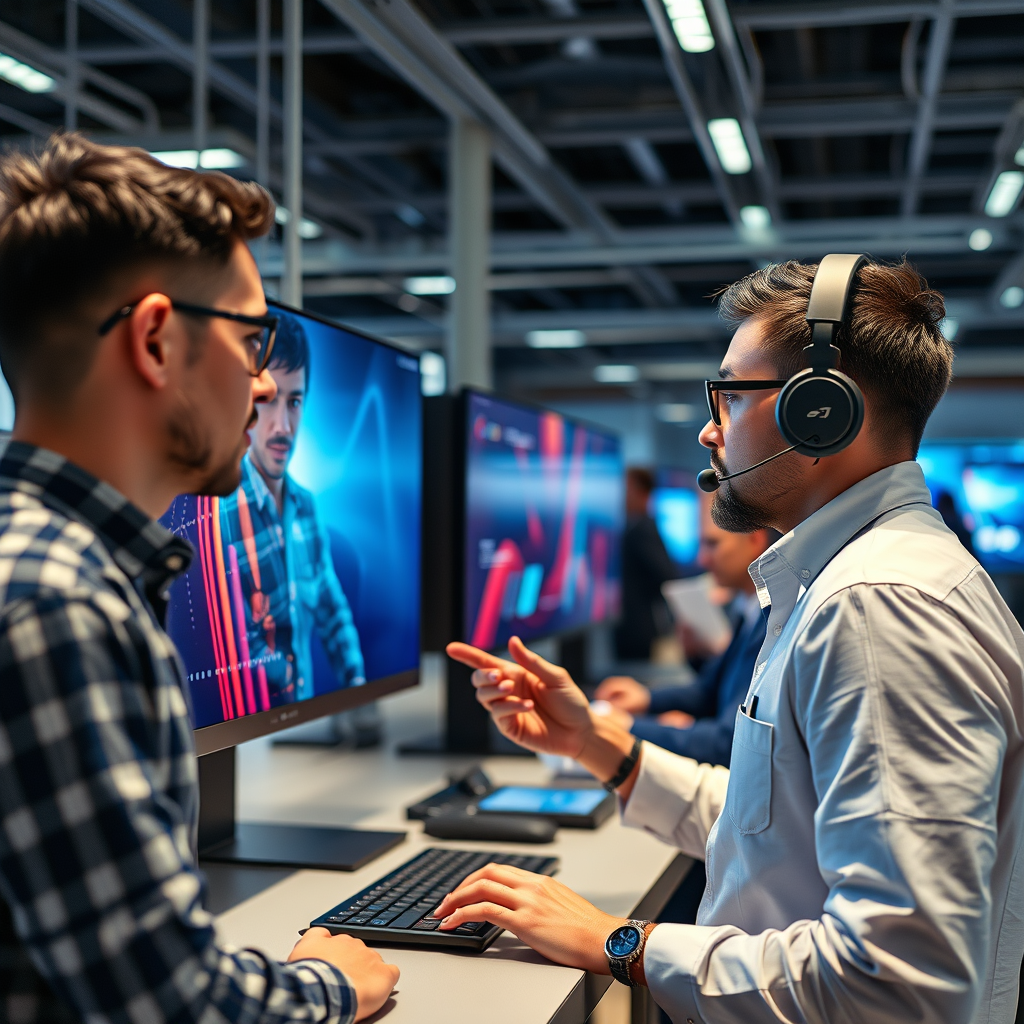
AI integration is becoming increasingly prevalent in various display technologies, particularly in OLED and LED formats. OLED displays, known for their vibrant colors and deep blacks, benefit significantly from AI because it can optimize the color calibration and brightness levels to enhance viewing experiences—especially in diverse lighting scenarios. LED displays, often used in televisions and monitors, also utilize AI for improved performance, ensuring that colors remain accurate and consistent, regardless of the lighting changes in the room.
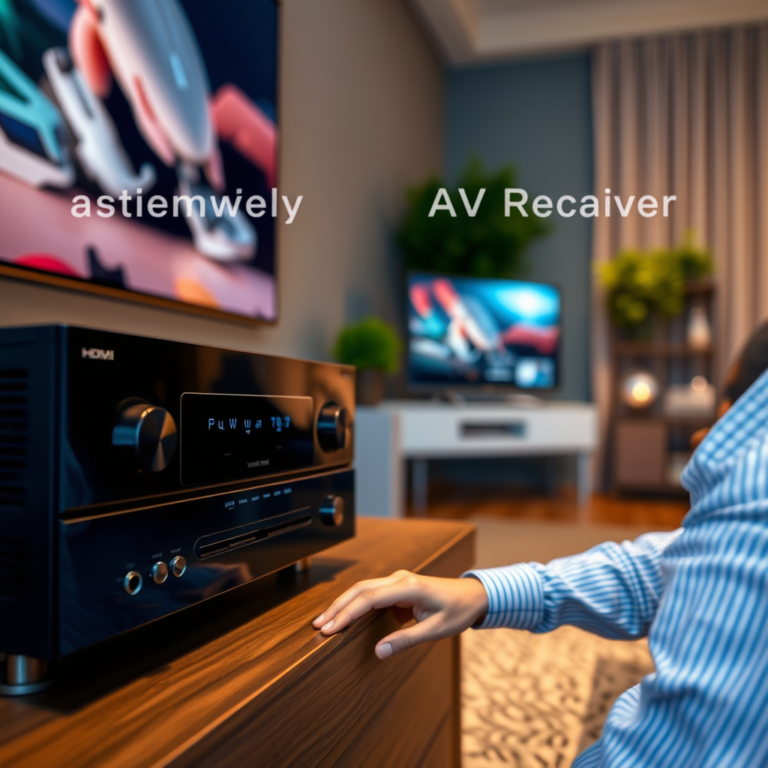
Smart devices like smartphones, tablets, and televisions are prime examples of AI-powered displays at work. For instance, many modern smartphones automatically adjust their brightness in response to outdoor light, ensuring that users can see their screens clearly while taking photos or reading messages. Smart TVs enhance movie-watching experiences by adjusting brightness and contrast based on ambient light, creating a more immersive viewing atmosphere.
Benefits of Adaptive Displays
The adaptive nature of AI-powered displays brings several noteworthy benefits. Firstly, they provide improved visibility across various lighting environments, making them suitable for outdoor use as well as in darker rooms. This adaptability is particularly valuable for mobile devices, where users often find themselves in different lighting conditions throughout the day.
In addition to visibility, these displays significantly enhance user comfort. By automatically adjusting brightness and color settings, AI-powered displays reduce eye strain, which is a common issue for individuals who spend long hours in front of screens. This is especially important in today’s world, where screen time continues to rise due to remote work and increased reliance on digital devices. The AI’s ability to deliver a comfortable viewing experience not only enhances productivity but also contributes to overall well-being.
The Technology Behind Adaptability
Behind the scenes, various technologies work together to enable the adaptability of AI-powered displays. Sensors and cameras are crucial components that detect lighting conditions. These devices measure the intensity of ambient light and relay this information to the processing unit, which runs AI algorithms to make necessary adjustments in real-time.
Advanced processing units are equipped with powerful AI algorithms that analyze data swiftly. This enables them to respond quickly to changes in lighting, ensuring that the user experience is not interrupted. For example, if you transition from a bright outdoor area to a dimly lit café, the AI can prompt the display to dim gradually, preventing sudden brightness changes that could strain your eyes.
Real-World Applications
AI-powered displays have found their way into various real-world applications, making technology more accessible and user-friendly. Smartphones, tablets, and laptops are prime examples where adaptive displays enhance usability, especially for outdoor tasks like reading emails or taking pictures. For instance, many flagship smartphones come equipped with adaptive brightness features that allow the screen to adjust based on current light conditions, ensuring users can see what they need without squinting.
Additionally, smart home devices are increasingly utilizing AI-powered displays to improve user interaction. For instance, smart home hubs with displays can adjust their brightness based on the time of day or the amount of natural light in a room. This not only enhances usability but also contributes to energy efficiency, as the display can dim when it’s not needed, saving power while still remaining functional.
The Future of AI in Display Technology
The future of AI in display technology holds exciting possibilities. Ongoing research is exploring multi-modal AI systems that promise even smarter adaptations. This could lead to displays that not only adjust to lighting conditions but also respond to user emotions or activities. For example, an AI display might recognize when a user is watching an action movie and enhance brightness and contrast for a more thrilling experience.
Moreover, the potential integration of AI with augmented and virtual reality environments presents a fascinating frontier. Imagine a VR headset that adapts its display settings in real time based on the virtual environment you’re in, enhancing immersion and reducing motion sickness. As technology continues to evolve, the possibilities for AI-powered displays are endless.
AI-powered displays are revolutionizing the way we interact with technology by providing tailored visual experiences based on our surroundings. As these technologies continue to evolve, they promise even greater benefits, making it essential to stay informed about the latest advancements. Whether you’re a tech enthusiast or just looking to enhance your daily interactions with devices, exploring AI-driven solutions can lead to an improved viewing experience that adapts to your needs.
Frequently Asked Questions
How do AI-powered displays adjust to different lighting conditions?
AI-powered displays utilize advanced sensors and algorithms to analyze ambient light levels in real-time. By measuring the intensity and color temperature of surrounding light, these displays can automatically adjust brightness, contrast, and color settings to ensure optimal visibility and image quality. This dynamic adaptation enhances user experience, especially in environments with fluctuating lighting conditions.
What are the benefits of AI-powered displays in varying light environments?
The primary benefits of AI-powered displays in different lighting environments include improved visibility, reduced eye strain, and enhanced energy efficiency. By automatically adjusting to ambient light, these displays ensure that content remains clear and vibrant, regardless of the lighting conditions. Additionally, they help conserve energy by lowering brightness in darker settings, which can lead to longer device lifespans and reduced power costs.
Why is automatic brightness adjustment important in AI displays?
Automatic brightness adjustment is crucial for maintaining optimal viewing experiences in diverse lighting environments. Inconsistent brightness can lead to eye fatigue and discomfort, especially for users who spend extended periods viewing screens. AI-powered displays mitigate this issue by continuously analyzing light conditions and adjusting brightness levels accordingly, thus enhancing comfort and usability in various settings, from bright offices to dimly lit rooms.
Which industries benefit the most from AI-powered displays adapting to lighting conditions?
Several industries benefit significantly from AI-powered displays, especially those that rely on visual content and require adaptability to lighting conditions. For instance, advertising and retail industries use these displays for dynamic signage that maintains visibility in storefronts. Similarly, healthcare facilities utilize AI displays for patient monitoring and imaging, ensuring clarity in different lighting scenarios. Additionally, the entertainment industry leverages these displays for immersive experiences in varying environments.
What features should I look for in an AI-powered display for optimal lighting adaptation?
When selecting an AI-powered display for optimal lighting adaptation, look for features such as adaptive brightness control, ambient light sensors, and color calibration technology. Displays that offer customizable settings and machine learning capabilities can further enhance performance by learning user preferences over time. Additionally, consider displays with high contrast ratios and wide color gamuts to ensure vibrant visuals in any lighting condition.
References
- Display device
- https://www.sciencedirect.com/science/article/abs/pii/S0360132321000584
- https://www.nature.com/articles/s41598-019-40117-2
- https://www.nytimes.com/2021/06/15/technology/ai-display.html
- https://www.techrepublic.com/article/how-ai-is-improving-display-technology/
- https://www.bbc.com/future/article/20210406-how-ai-is-changing-the-way-we-see-display-technology
- https://www.researchgate.net/publication/349785543_Adaptive_Display_Techniques_for_Light_Conditions
- https://www.nist.gov/news-events/news/2021/05/how-ai-can-help-displays-adapt-lighting-conditions