When selecting the right DJ speakers, prioritize sound quality, power handling, and portability to ensure an optimal performance. The perfect DJ speakers will not only enhance your sound but also elevate the entire atmosphere of your event. In this article, we’ll guide you through the essential factors to consider, helping you make an informed choice that suits your specific requirements, whether you’re spinning at a small party or a large venue.
Understanding Your Venue
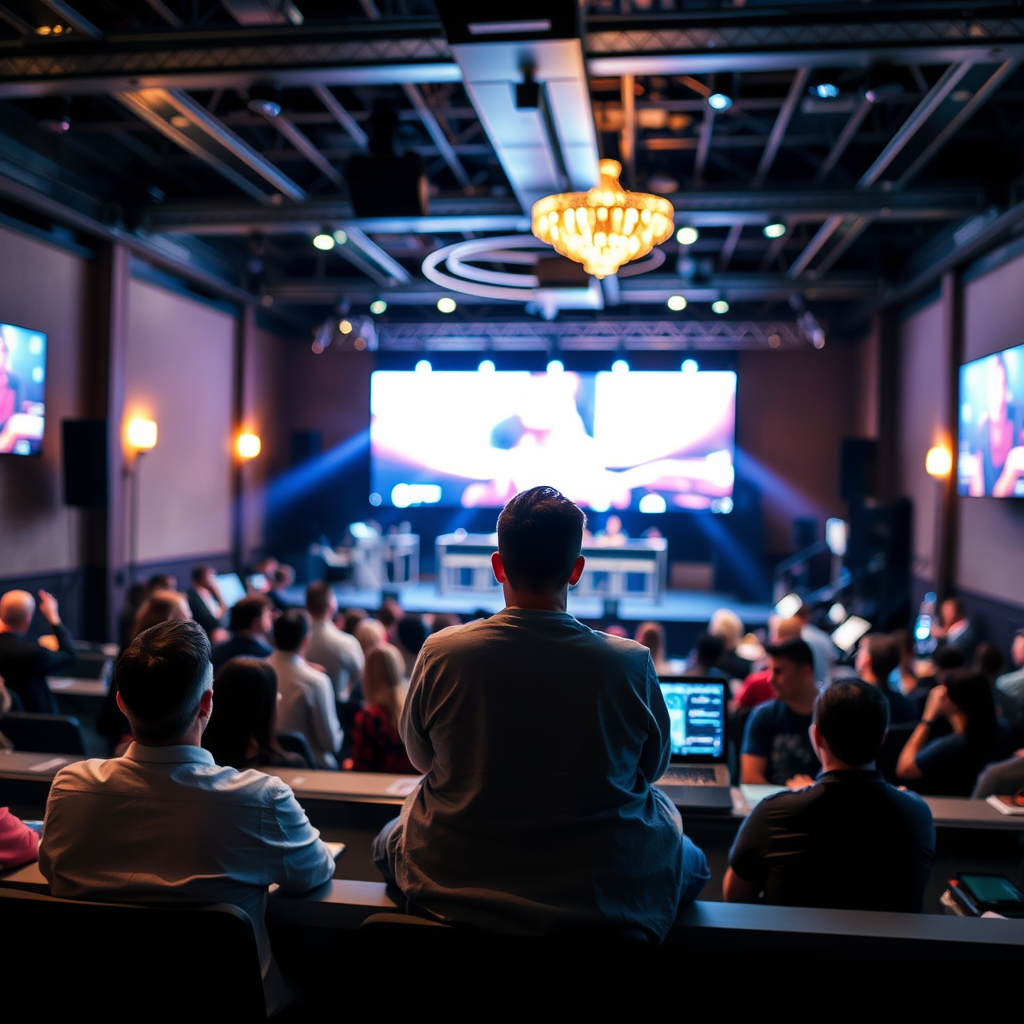
Before you make any decisions, it’s crucial to assess the size of the venue where you’ll be performing. Larger venues typically require speakers with higher power ratings to fill the space adequately. For instance, if you’re playing at a club or an outdoor festival, you might need speakers that can support 1000 watts or more to ensure your sound reaches every corner without distortion.
Equally important is the acoustics of the space. Hard surfaces like concrete and glass can create echoes, while softer materials like carpet and curtains can absorb sound. Consider using acoustic treatment options, such as foam panels or diffusers, to enhance the sound quality in the venue. Additionally, if you’re unsure about the acoustics, it may be beneficial to do a soundcheck before the event to fine-tune your setup.
Types of DJ Speakers
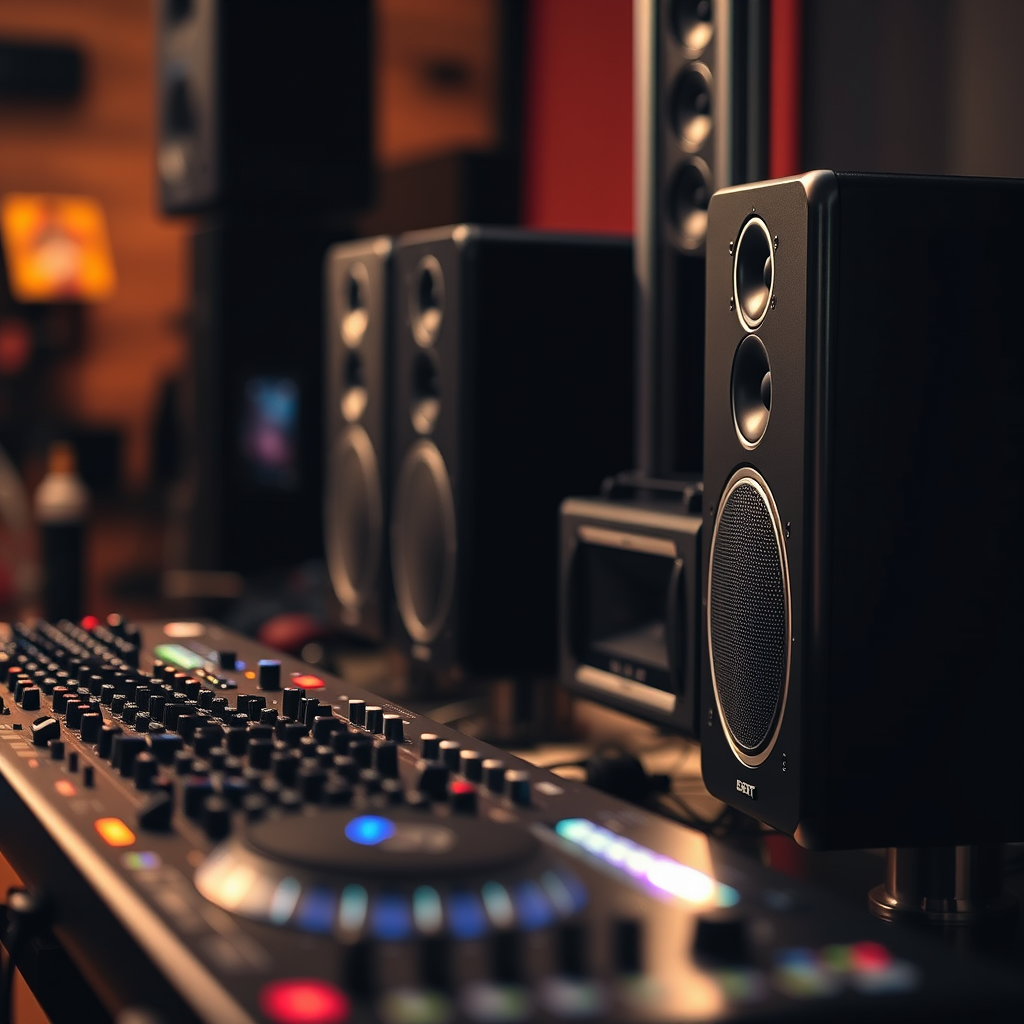
When exploring types of DJ speakers, you’ll encounter two main categories: passive and active speakers. Active speakers come with built-in amplifiers, making them easier to set up and use right away. They are often favored for mobile DJs due to their convenience, as you won’t need to carry around external amps. For example, brands like Yamaha and QSC offer fantastic active speaker options that deliver excellent sound quality with minimal fuss.
On the other hand, passive speakers require an external amplifier, which can allow for more customization in sound and power. This option may be better suited for stationary setups in clubs where you can invest in higher-grade amplifiers. It’s worth considering your typical DJ gigs and whether portability or sound customization is more important to you.
Sound Quality Considerations
Sound quality is paramount when choosing DJ speakers. One key specification to look for is frequency response, which indicates how well the speakers can reproduce various sound frequencies. A wider frequency response range, such as 20Hz to 20kHz, ensures that both deep bass notes and crisp treble sounds are delivered clearly.
Additionally, distortion levels at higher volumes are critical. A good speaker should maintain sound integrity without muddiness or harshness, even when cranked up. Look for speakers with low Total Harmonic Distortion (THD) ratings; ideally, you want them below 1% for optimal performance. You can often test this by listening to familiar tracks at high volumes in-store or during a demo session.
Power Requirements
Understanding wattage ratings is key to selecting the right DJ speakers. The wattage indicates how much power a speaker can handle, and this directly relates to its performance capabilities. A speaker with a higher wattage rating can typically produce louder sounds without distortion, which is vital during high-energy sets.
Another important aspect is the concept of headroom, which refers to the extra power a speaker can handle beyond its nominal rating. This allows for peak sound experiences without clipping or distortion. For example, if you plan to play electronic dance music (EDM) with heavy bass drops, look for speakers that offer at least 1.5 to 2 times the wattage you expect to use during regular play.
Budgeting for Your DJ Speakers
Budgeting is always a crucial step in any purchase decision, especially when it comes to DJ equipment. Setting a realistic budget that balances quality and affordability is essential. On average, a good pair of DJ speakers can range from a few hundred to several thousand dollars, depending on the brand and features.
Don’t shy away from exploring options within your budget, including both new and used speakers. Websites like Reverb and Facebook Marketplace can be great for finding quality used gear at a fraction of the original price. Just be sure to check the condition and specifications before making a decision.
Additional Features to Look For
When shopping for DJ speakers, consider additional features that can enhance your performance. Built-in EQ settings allow you to adjust the frequency response according to the acoustics of the venue, providing flexibility for different environments. Connectivity options, such as Bluetooth or multiple input jacks, can also be beneficial for modern setups.
Durability and build quality are crucial, especially if you plan to transport your speakers frequently. Look for models constructed from robust materials that can withstand the rigors of travel and performance. For instance, speakers with a metal grille and reinforced cabinets are less likely to suffer damage during transport.
Testing and Reviews
Before making a purchase, it’s wise to seek out user reviews and expert opinions. Platforms like Gearslutz and Reddit’s DJ forums can provide valuable insights from fellow DJs who have tested various speakers. Pay attention to comments regarding sound quality, reliability, and ease of use.
Whenever possible, visit a store to test speakers in person. Bring a few tracks you’re familiar with and evaluate how the speakers perform at different volume levels. This hands-on experience will help you gauge sound quality, clarity, and overall comfort with the equipment.
By focusing on these key factors, you can confidently choose DJ speakers that meet your performance needs. Remember that evaluating your unique situation and preferences is essential before making a final decision. Explore your options, test them out, and make the purchase that will elevate your DJ experience. With the right speakers in your arsenal, you’ll not only sound great but also leave a lasting impression on your audience.
Frequently Asked Questions
What are the key features to look for in DJ speakers?
When choosing DJ speakers, consider factors such as power output (measured in watts), speaker type (active vs. passive), frequency response range, and portability. Active speakers have built-in amplifiers, making them easier to set up, while passive speakers require an external amp. Additionally, ensure the speakers have a good frequency range (typically 20Hz to 20kHz) to deliver clear sound across all music genres.
How do I determine the right size of DJ speakers for my venue?
The size of DJ speakers you need primarily depends on the venue’s size and the number of guests. For smaller venues (up to 100 people), 8 to 10-inch speakers may suffice, while larger venues or outdoor events might require 12 to 15-inch speakers for adequate sound coverage. Always consider the speaker’s wattage and the venue’s acoustics to ensure the sound can fill the space without distortion.
Why is the power output of DJ speakers important?
The power output of DJ speakers is crucial because it determines how loud the speakers can go without distortion. Higher wattage allows for better sound clarity at louder volumes, which is essential for DJ performances in larger venues. Additionally, understanding the relationship between wattage, impedance, and sound levels can help you select speakers that meet your specific needs for different events.
What are the best brands for DJ speakers on the market?
Some of the best brands for DJ speakers include JBL, QSC, Yamaha, and Mackie, known for their reliability and sound quality. JBL is often favored for its robust performance and durability, while QSC offers excellent clarity and power handling. Researching reviews and comparing models within these brands can help you find the perfect fit for your DJ setup.
Which type of speaker is better for DJing: active or passive?
The choice between active and passive speakers largely depends on your setup and preferences. Active speakers are generally easier to manage since they have built-in amplifiers and require fewer components. On the other hand, passive speakers offer more flexibility in terms of sound customization, as you can pair them with different amplifiers. Evaluate your specific needs, including portability and sound control, to determine which type suits you best.
References
- https://en.wikipedia.org/wiki/DJ_equipment
- https://www.soundonsound.com/techniques/guide-buying-loudspeakers
- The Pennsylvania State University | Penn State
- NPR – Breaking News, Analysis, Music, Arts & Podcasts : NPR
- https://www.techhive.com/article/3291324/how-to-choose-the-best-speakers-for-your-home.html
- https://www.audioengineeringsociety.org/
- https://www.roland.com/us/blog/how-to-choose-the-right-speakers-for-your-dj-setup/
- Home – ProSoundWeb
- https://www.musictech.net/guides/buyers-guide/best-dj-speakers/