
Calibrating sound systems for large venues is crucial for ensuring crystal-clear audio and an unforgettable experience for your audience. To effectively calibrate your system, you’ll need to take into account room acoustics, speaker placement, and equalization settings. This guide will walk you through the essential steps to guarantee your sound system performs flawlessly, whether you’re hosting a concert, conference, or any other event.
Understanding Room Acoustics
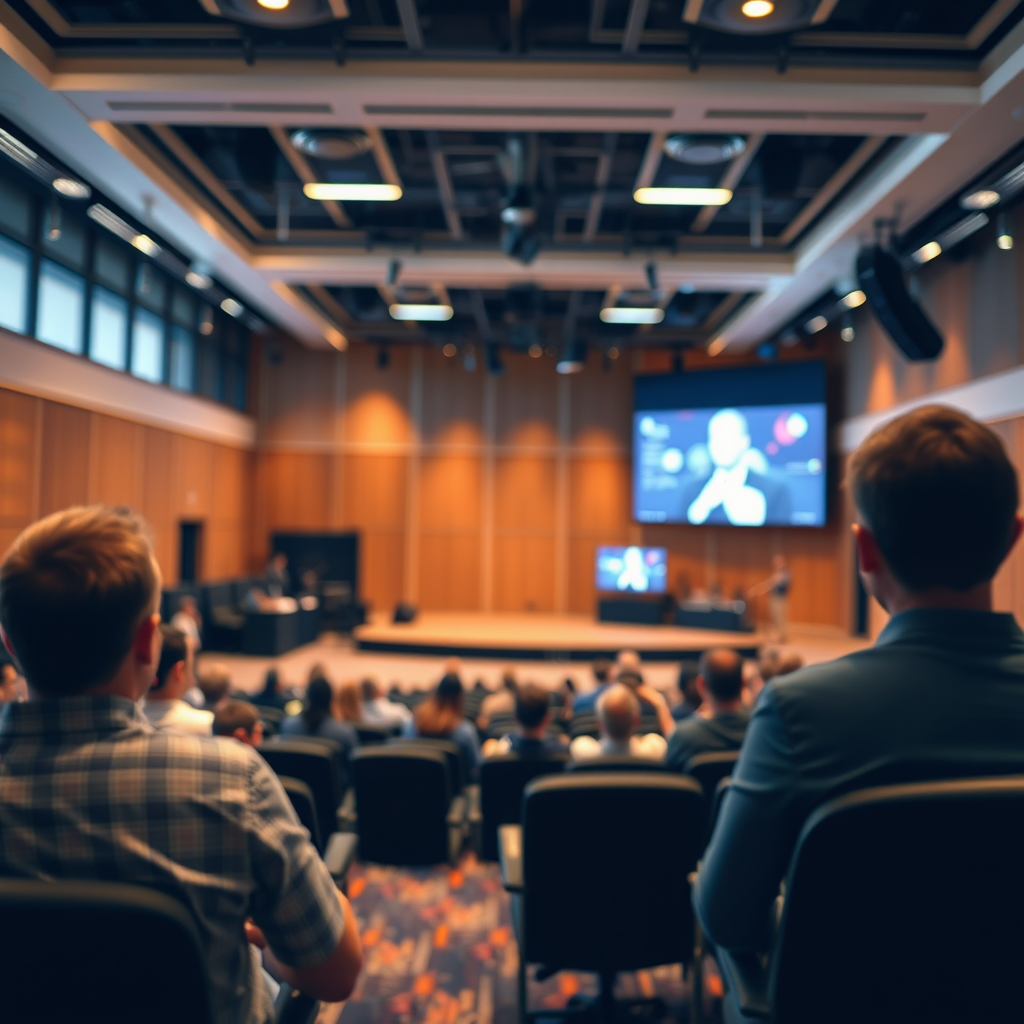
When it comes to sound, the physical characteristics of a venue can greatly influence audio quality. Sound reflections and absorption play a pivotal role in how audio is experienced. For instance, a space filled with hard surfaces like concrete or glass will reflect sound waves, potentially leading to echoes and reverberation. Conversely, areas with carpets, curtains, or acoustic panels can absorb sound, helping to create a warmer, more balanced audio environment.
To assess the acoustics of your venue, consider using tools like sound level meters and room analysis software. These tools can help you measure sound levels at various points throughout the space, identifying areas where sound may be overly loud or too quiet. By understanding how the venue’s materials impact sound, you can make informed decisions about speaker placement and equalization settings.
Choosing the Right Equipment
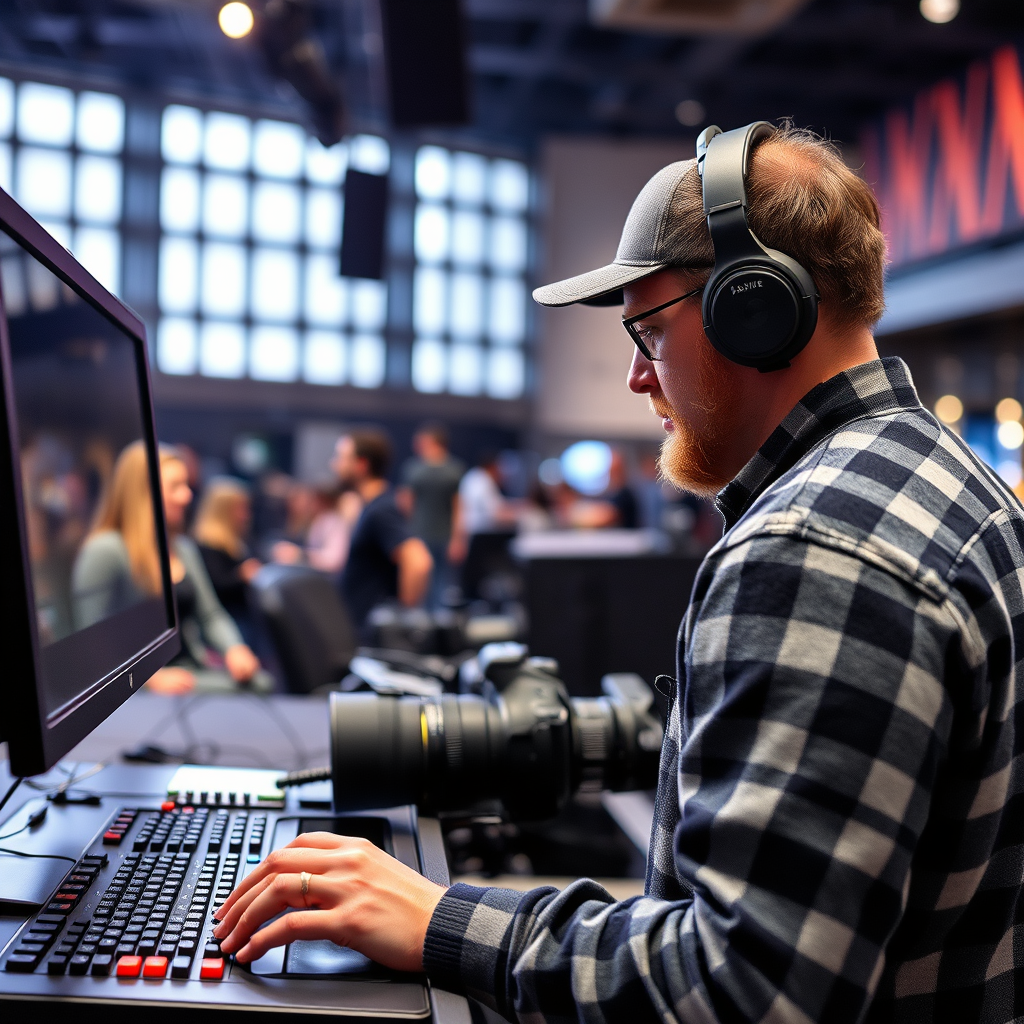
Selecting the right equipment is key to achieving optimal sound in large venues. Start with speaker selection; look for speakers specifically designed for expansive spaces. Line array speakers, for example, are excellent for covering large areas due to their ability to direct sound in a controlled manner. They ensure that sound reaches every corner of the venue without overwhelming certain areas.
Beyond speakers, consider additional gear such as mixers, amplifiers, and microphones. A high-quality mixer can help you balance levels and enhance sound clarity, while powerful amplifiers ensure that your speakers deliver consistent sound even at high volumes. Don’t forget to choose microphones suited for the environment; for instance, wireless microphones can provide flexibility during presentations and performances.
Effective Speaker Placement
Speaker placement is crucial for creating an immersive audio experience without dead zones or overly loud spots. Start by determining the coverage area of your venue. A good rule of thumb is to place speakers at equal distances and angles from the audience to ensure a balanced sound. Experiment with the positioning to find the optimal layout that covers the entire space effectively.
Height and angle are also critical factors in sound dispersion. Ideally, speakers should be elevated to minimize interference from audience members and to project sound over longer distances. Adjust the angle of the speakers to direct sound towards the audience rather than the ceiling or walls, which can cause reflections and muddiness in the audio.
Equalization Techniques
Using equalization (EQ) is essential for tailoring sound to suit the unique acoustics of your venue. Start by identifying problematic frequencies that may cause feedback or distortion. A graphic equalizer can help you visualize the frequency spectrum and make precise adjustments.
For instance, if you notice that certain bass frequencies are overpowering, you can reduce those specific bands while boosting others to enhance clarity. Regularly test sound quality and make real-time adjustments during events. This not only keeps the audio balanced but also allows you to respond to changes in the venue, such as audience size or the presence of additional equipment.
Sound Check Procedures
A thorough sound check is essential before any event to identify potential issues. Start with a pre-event check where you run through each component of your sound system, ensuring everything is working correctly. Test microphones, instruments, and playback devices, paying attention to levels and clarity.
Feedback can be one of the most frustrating issues during performances. To prevent and manage feedback, position microphones away from speakers and use directional microphones whenever possible. During sound checks, walk around the venue and listen for any feedback or distorted sounds, making adjustments as needed before the event begins.
Troubleshooting Common Issues
Even with careful planning, sound issues can arise during events. Common problems include distortion, uneven sound, and unexpected feedback. The first step in troubleshooting is identifying the source of the problem. Is it a specific microphone? A faulty cable?
Once you identify the issue, quick fixes can often resolve it on-the-fly. For example, if a speaker is distorting, try lowering the gain or EQ settings. If feedback occurs, immediately reposition the microphone or adjust the EQ to cut the problematic frequencies. Having a basic toolkit with spare cables, connectors, and tools can make it easier to handle these issues efficiently.
Maintenance and Upgrades
To keep your sound system in top shape, establish a routine for regular maintenance and calibration. This should include checking cables for wear and tear, cleaning equipment, and performing software updates for digital mixers. Regular checks can help you identify potential problems before they become significant issues.
Additionally, consider future-proofing your system by investing in upgrades. This might include higher-quality microphones, advanced mixing consoles, or improved speaker technology. By staying current with audio technology trends, you can enhance the longevity and performance of your system, ensuring it continues to deliver exceptional sound for all your events.
By following these steps, you can ensure that your sound system is calibrated to provide the best audio experience in large venues. Whether you’re managing concerts, conferences, or other events, applying these techniques will make a significant difference. Make sure to invest time in preparation and maintenance to keep your sound system in top shape, allowing you to focus on delivering an outstanding experience for your audience.
Frequently Asked Questions
What are the key steps to calibrate a sound system in a large venue?
Calibrating a sound system in a large venue involves several key steps: First, conduct an initial sound check to assess the venue’s acoustics. Next, use measurement microphones and audio analysis software to evaluate sound distribution and frequency response throughout the space. Adjust equalization settings on your mixer to compensate for any imbalances, and finally, fine-tune speaker placement and levels to ensure even coverage. Regularly monitoring and adjusting these settings will help maintain optimal sound quality during events.
How do I measure sound levels for calibration in large venues?
To measure sound levels for calibration in large venues, utilize a sound level meter or audio analysis software that can accurately capture decibel levels across different frequencies. Place the microphone at various locations throughout the venue to assess how sound propagates in different areas. This data will help you identify problem spots where sound may be too loud or too quiet, enabling you to make informed adjustments to speaker placement and equalization for a balanced audio experience.
Why is speaker placement crucial when calibrating sound systems for large venues?
Speaker placement is crucial in large venues because it directly affects sound distribution and clarity. Improperly positioned speakers can create dead spots with poor sound quality or overly loud areas that can overwhelm the audience. By strategically placing speakers to cover the entire audience area evenly, you reduce phase issues and ensure that every listener experiences a consistent audio experience, which is essential for successful events.
What tools are best for calibrating sound systems in large venues?
The best tools for calibrating sound systems in large venues include measurement microphones, audio analyzers, and digital signal processors (DSPs). Measurement microphones are used to capture sound data, while audio analyzers provide insights into frequency response and sound pressure levels. DSPs allow for precise adjustments to equalization, delay, and crossover settings, enabling you to optimize the sound system based on the unique characteristics of the venue.
Which common mistakes should I avoid when calibrating a sound system for a large venue?
Common mistakes to avoid when calibrating a sound system for a large venue include neglecting to conduct a thorough sound check before the event and failing to account for the venue’s acoustics. Additionally, over-equalizing or under-equalizing can lead to poor sound quality, as can ignoring feedback from audience members during the event. Always take the time to test different configurations and seek input from trusted audio professionals to ensure a well-calibrated system.
References
- Sound system
- https://www.audioengineering.org/
- https://www.ida.gov.au/technical-reports/guide-to-sound-system-design
- https://www.acoustics.org/press/2020/10/09/how-to-calculate-sound-systems-for-large-venues/
- https://www.nasa.gov/centers/langley/pdf/134019main_2004-03-001.pdf
- ITU-T Recommendations and other publications