
Calibrating your home audio system regularly is essential for achieving the best sound quality and optimal performance. Proper calibration ensures that your audio system is correctly set up to match your room’s unique acoustics, significantly enhancing your listening experience whether you’re watching movies or enjoying your favorite music. In this article, we will explore the key reasons for regular calibration and how it can dramatically improve your audio experience.



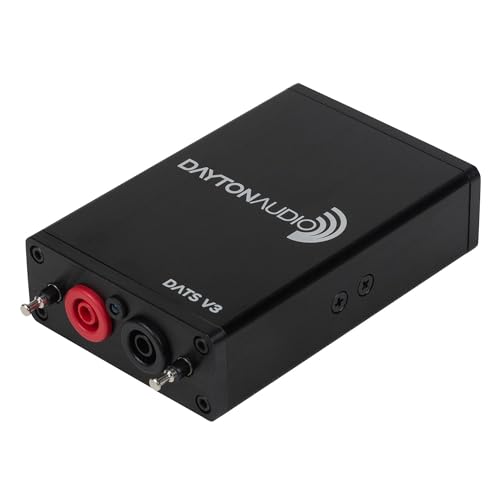
Understanding Audio Calibration
Audio calibration involves adjusting your sound system to suit the specific characteristics of your listening environment. Every room has unique acoustic properties, such as dimensions, wall materials, and furniture arrangements, which can greatly influence how sound behaves. Calibration ensures that sound levels are balanced across different speakers, enhancing clarity and depth. This process often includes adjusting volume levels, speaker distances, and equalization settings to ensure that all audio frequencies are reproduced accurately.
For instance, a well-calibrated system will produce a rich bass response without overwhelming mids and highs, ensuring that every sound, from the thumping of a drum to the subtle whispers in a movie, is heard with clarity. By understanding and implementing audio calibration, you can create a more immersive and enjoyable audio experience in your home.
Benefits of Regular Calibration
The benefits of regular calibration extend beyond just improved sound quality. Here are some key advantages:
– Consistent Audio Quality: Over time, changes in your environment, such as new furniture or alterations to the room’s layout, can affect your audio system’s performance. Regular calibration helps to maintain consistent audio quality, adapting to these changes effectively.
– Improved Soundstage: Calibration can enhance the soundstage, allowing for a more three-dimensional audio experience. You’ll be able to pinpoint the location of sounds more accurately, which is particularly beneficial when watching movies or playing video games.
– Accurate Reproduction of Audio Details: A properly calibrated audio system provides a clearer representation of audio details. This means you’ll be able to hear nuances in music and soundtracks that you might have missed otherwise, leading to a richer listening experience.
By investing time in regular calibration, you are optimizing the performance of your audio system and enhancing your overall enjoyment of media.
Frequency of Calibration
Determining how often to calibrate your home audio system can depend on several factors, such as how frequently you use the system and any changes in your living space.
– Recommended Calibration Intervals: Most experts recommend recalibrating your system every 6 to 12 months. Regularly scheduled calibrations help to maintain optimal sound quality as the acoustics of your room can change over time.
– Situations That Warrant Immediate Recalibration: Certain scenarios may require immediate recalibration. For example, moving furniture, adding new speakers, or even changes in wall décor can significantly affect sound quality. If you notice discrepancies in sound or the quality seems to diminish, it’s advisable to recalibrate your system immediately.
Maintaining a schedule for calibration ensures that your audio system is always performing at its best, giving you the best possible sound experience.
Tools and Techniques for Calibration
Several tools and techniques can assist you in the calibration process, ranging from DIY methods to professional services.
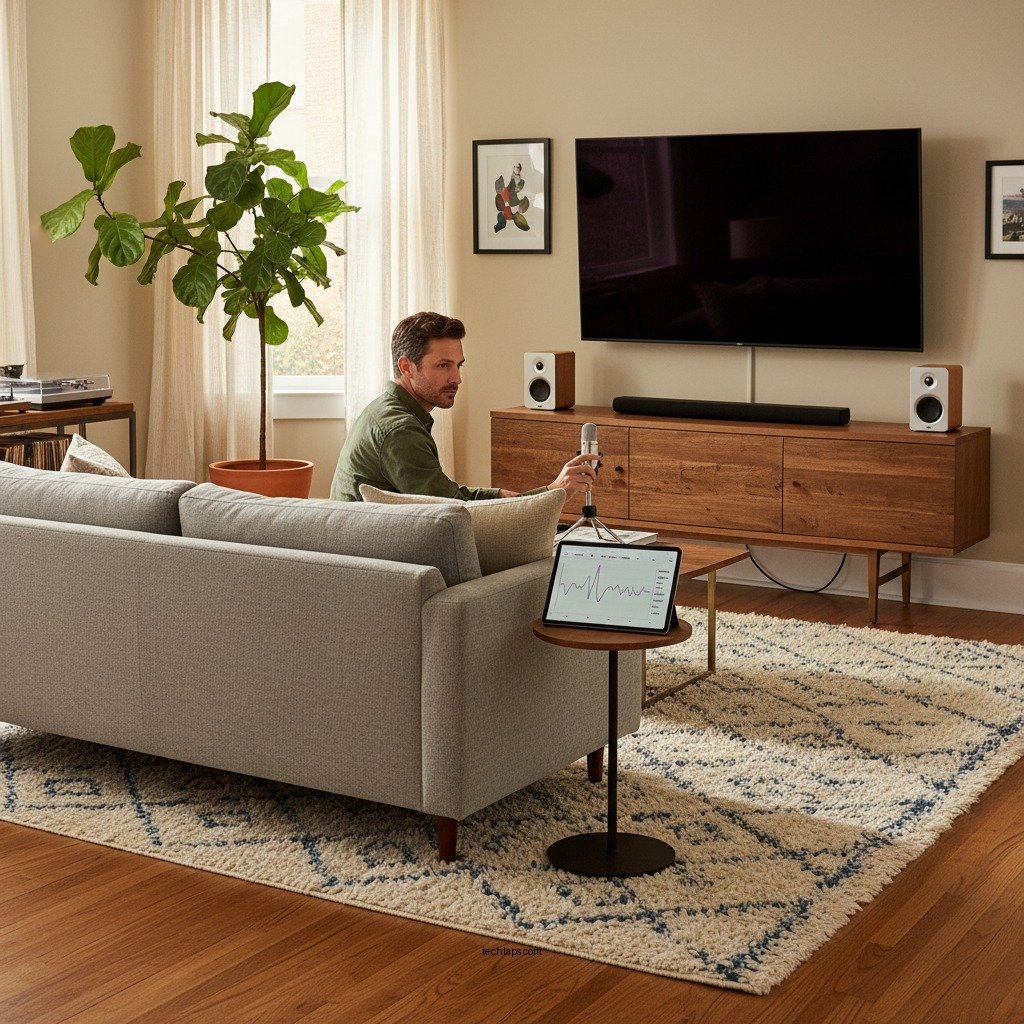
– Calibration Tools: Popular calibration tools include sound level meters and calibration microphones. These devices can help measure sound levels and frequencies, allowing for precise adjustments.
– DIY Calibration: Many modern audio receivers come equipped with automatic calibration features. These systems often use built-in microphones to analyze your room’s acoustics and adjust settings accordingly. Alternatively, you can perform manual calibration using a sound level meter to balance speaker levels and ensure proper distance settings.
– Professional Services: If you prefer a more hands-off approach, hiring a professional audio technician can provide expert calibration services. Professionals often bring specialized equipment and years of experience, ensuring that your system is tailored for your specific space.
By choosing the right tools and techniques, you can effectively calibrate your home audio system to achieve optimal sound quality.
Top 7 Home Audio Calibration Tools (2024)
| # | Tool | Type | Price | Ease of Use |
|---|---|---|---|---|
| 1 | Audyssey MultEQ | Software | $99 | ★ ★ ★ ★ ★ |
| 2 | Dirac Live | Software | $349 | ★ ★ ★ ★ ☆ |
| 3 | REW (Room EQ Wizard) | Freeware | $0 | ★ ★ ★ ★ ☆ |
| 4 | MiniDSP | Hardware | $199 | ★ ★ ★ ★ ★ |
| 5 | YPAO (Yamaha Parametric Room Acoustic Optimizer) | Software | Included | ★ ★ ★ ★ ☆ |
| 6 | MCACC (Multi-Channel Acoustic Calibration System) | Software | Included | ★ ★ ★ ★ ★ |
| 7 | Sonic Calibration | Hardware | $149 | ★ ★ ★ ★ ☆ |
Common Calibration Mistakes to Avoid
While calibrating your home audio system can lead to significant improvements, several common mistakes can undermine your efforts:
– Overlooking Speaker Placement: The placement of your speakers can drastically affect sound quality. Ensure that your speakers are positioned correctly, following recommended guidelines for distance and angle to the listening area.
– Neglecting Room Acoustics: Many individuals fail to consider how their room’s acoustics can impact sound quality. Hard surfaces can create reflections, while soft furnishings can absorb sound, leading to imbalances. A thorough understanding of your room’s acoustics is vital for effective calibration.
– Ignoring Updates After New Equipment Installation: Often, when new equipment is added to an audio system, the previous calibration settings may no longer be applicable. Always recalibrate your system after upgrading any components to ensure optimal performance.
By avoiding these common pitfalls, you can maximize the effectiveness of your calibration process and enjoy a superior audio experience.
Enhancing Your Home Audio Experience
In addition to regular calibration, there are several tips you can apply to further enhance your home audio experience:
– Maintain Your Audio Equipment: Regularly dust and clean your audio equipment, and ensure that connections are secure. This simple maintenance can prevent degradation of sound quality over time.
– Use Quality Cables: Invest in high-quality audio cables to ensure that your signal remains strong and clear. Poor-quality cables can introduce interference and negatively impact sound quality.
– Software and Apps for Calibration: Consider using software or apps designed for audio calibration. Tools like REW (Room EQ Wizard) or smartphone apps that offer sound level analysis can help you fine-tune your setup without needing extensive expertise.
By implementing these strategies in combination with regular calibration, you can significantly elevate your home audio experience, ensuring that it remains enjoyable and immersive.
By regularly calibrating your home audio system, you can ensure that you’re getting the most out of your investment, resulting in an immersive audio experience. Whether you choose to do it yourself or hire a professional, the improvements in sound quality will be well worth the effort. Take action now and schedule your next calibration to enjoy music and movies like never before!
Frequently Asked Questions
What is the importance of regularly calibrating my home audio system?
Regularly calibrating your home audio system is essential for optimal sound quality and performance. Calibration helps to adjust speaker levels, equalization, and timing, ensuring that you experience balanced audio across all frequencies. This not only enhances your listening experience but also prevents long-term damage to your speakers from improper settings.
How often should I calibrate my home audio system?
It’s recommended to calibrate your home audio system at least once a year or whenever you make significant changes to your setup, such as moving speakers or adding new equipment. Frequent calibration can also be beneficial if you notice changes in sound quality or after a major home renovation that might affect acoustics.
Why does my home audio system sound different in various rooms?
The sound quality of your home audio system can vary significantly between rooms due to factors like room size, shape, and furnishings, which affect acoustics. Regular calibration helps to account for these variables, optimizing your system’s performance in each specific environment and providing a consistent listening experience throughout your home.
What tools do I need to calibrate my home audio system effectively?
To effectively calibrate your home audio system, you can use a sound level meter, a calibration microphone, or specialized calibration software. Many AV receivers come with built-in calibration tools that simplify the process, allowing you to achieve precise adjustments without extensive technical knowledge.
Which common mistakes should I avoid when calibrating my home audio system?
Common mistakes to avoid during calibration include neglecting to adjust speaker placement and settings based on room acoustics, failing to use a reliable calibration tool, and not taking the time to listen critically after adjustments. It’s crucial to carefully follow calibration procedures and make incremental changes to ensure the best sound quality for your home audio system.
References
- Sound system
https://en.wikipedia.org/wiki/Audio_system - https://www.sciencedirect.com/topics/engineering/audio-calibration
https://www.sciencedirect.com/topics/engineering/audio-calibration - https://www.nature.com/articles/s41598-019-49111-3
https://www.nature.com/articles/s41598-019-49111-3 - https://www.bbc.com/future/article/20190222-how-to-get-the-best-sound-from-your-audio-system
https://www.bbc.com/future/article/20190222-how-to-get-the-best-sound-from-your-audio-system - https://www.nytimes.com/2017/12/18/technology/personaltech/how-to-set-up-your-home-audio-system.html
https://www.nytimes.com/2017/12/18/technology/personaltech/how-to-set-up-your-home-audio-system.html - Google Scholar Google Scholar
https://scholar.google.com/scholar?q=audio+system+calibration+importance - Google Scholar Google Scholar
https://scholar.google.com/scholar?q=home+audio+system+calibration+benefits - https://www.reuters.com/article/us-tech-audio-idUSKBN2B10Z3
https://www.reuters.com/article/us-tech-audio-idUSKBN2B10Z3 - https://www.acoustics.org/press/2020/08/06/importance-of-calibrating-home-audio-systems/
https://www.acoustics.org/press/2020/08/06/importance-of-calibrating-home-audio-systems/ - Google Scholar Google Scholar
https://scholar.google.com/scholar?q=Why+You+Should+Regularly+Calibrate+Your+Home+Audio+System
