
Replacing fuses in your sound system is an essential maintenance task that can quickly restore functionality and enhance performance. A blown fuse can disrupt your audio experience, but identifying and replacing it is a straightforward process. By following this guide, you will learn how to identify blown fuses, safely remove them, and install new ones, ensuring your sound system runs smoothly and efficiently.
Understanding Fuses in Your Sound System
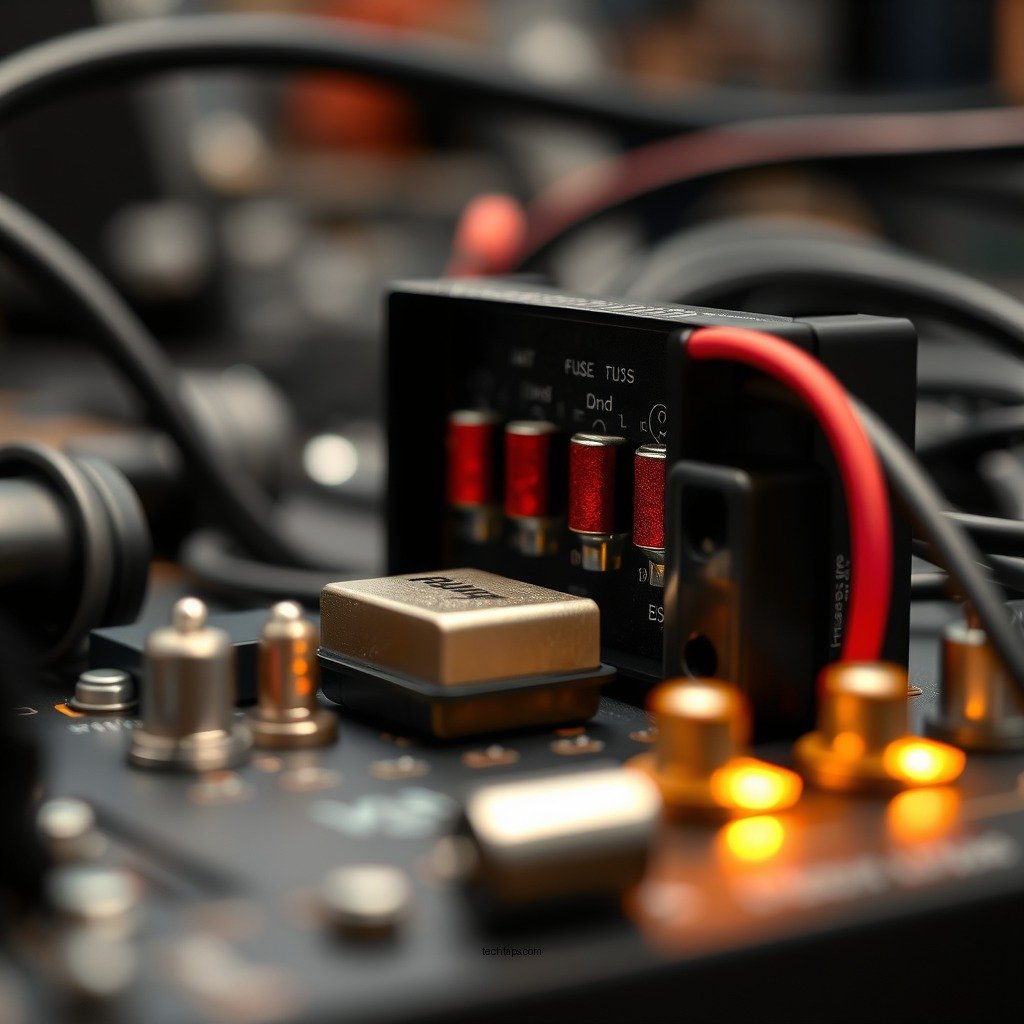
Fuses are critical components in your sound system, designed to protect electrical components from overloads and short circuits. They act as safety devices that interrupt the flow of electricity when they detect an excessive current, preventing potential damage to your sound equipment. Without fuses, the risk of overheating and component failure increases significantly, which can lead to costly repairs or replacements.
Common indicators of a blown fuse include complete power loss—where your system fails to turn on—or distorted audio output, which may manifest as crackling or intermittent sound. These symptoms often suggest that the fuse has failed to protect the system, necessitating immediate attention to restore functionality.
Preparing for the Replacement
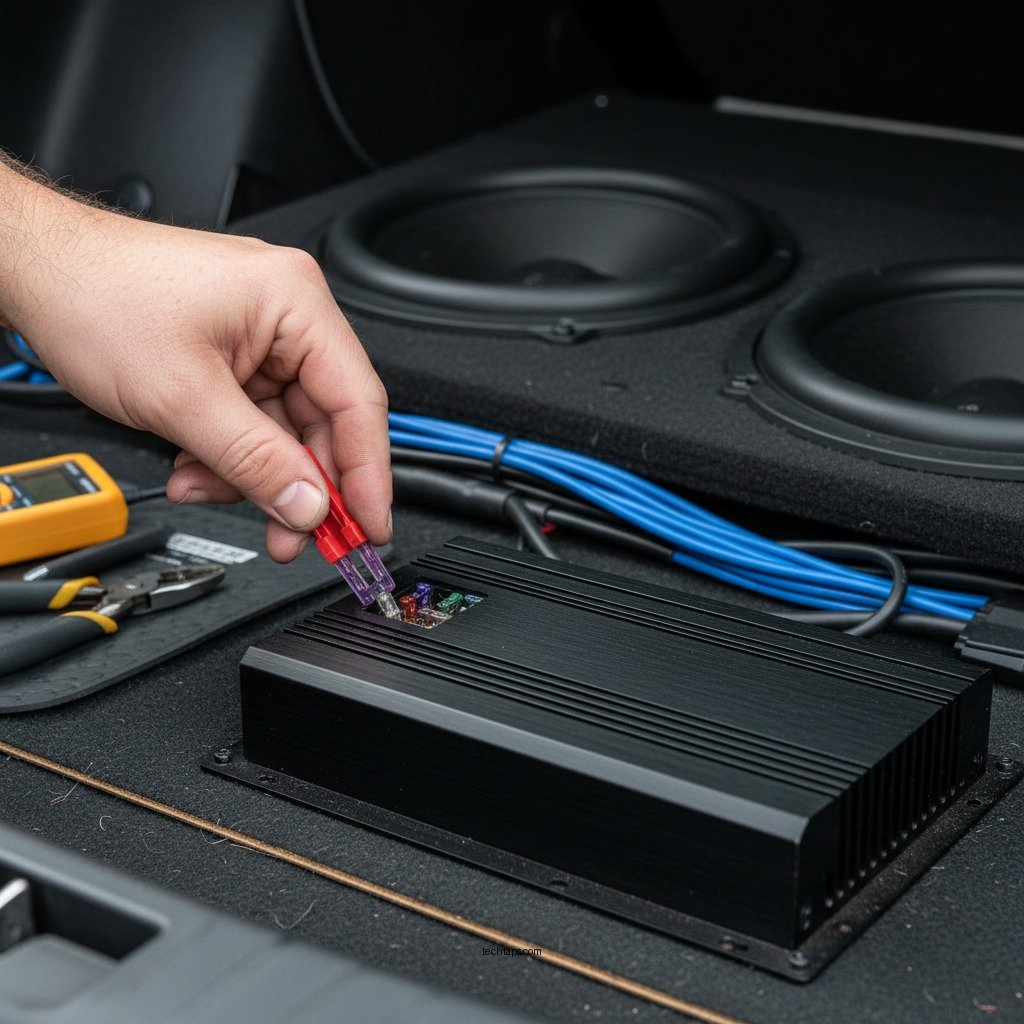
Before attempting to replace a fuse, it is crucial to gather the necessary tools for the job. You will need a multimeter to test the fuses, a screwdriver to access the fuse compartment, and possibly a pair of needle-nose pliers for easier handling of the fuses. Additionally, having a flashlight can help illuminate hard-to-see areas within your sound system.
Safety is paramount. Ensure your sound system is completely unplugged from any power source before beginning the replacement process. This step mitigates the risk of electrical shock and protects both you and the equipment from potential harm.
Locating the Fuse
Fuses can be located in various places within your sound system, depending on the model and design. Typically, they can be found in the power supply section, near the AC input, or within the amplifier section. To accurately identify their location, consult your user manual, which often contains diagrams indicating where fuses are housed. If the manual is not available, manufacturer’s websites frequently provide downloadable manuals or support documents that can guide you through the process.
Fuse Location Table
Common Sound System Models and Fuse Locations
| # | Model | Fuse Location | Fuse Type |
|---|---|---|---|
| 1 | Yamaha RX-V685 | Rear panel | 5A Slow Blow |
| 2 | Denon AVR-S960H | Bottom compartment | 10A Fast Blow |
| 3 | Onkyo TX-NR696 | Rear panel | 8A Slow Blow |
| 4 | Sony STR-DN1080 | Side panel | 10A Slow Blow |
| 5 | Pioneer VSX-LX504 | Inside chassis | 15A Fast Blow |
| 6 | Marantz SR5015 | Rear panel | 6A Slow Blow |
| 7 | NAD T 758 V3i | Bottom compartment | 8A Fast Blow |
Removing the Blown Fuse
Once you have located the fuse compartment, proceed by carefully opening it. Depending on the design, you may need to unscrew a panel or simply slide a cover off. Always handle the compartment with care to avoid damaging any surrounding components.
To remove the blown fuse, you can often do so by gently pulling it out. If it feels stuck, use a pair of needle-nose pliers to grip the fuse securely without applying excessive force, as this could damage the fuse holder. It is essential to inspect the fuse visually; a blown fuse typically has a broken filament or appears discolored.
Selecting the Right Replacement Fuse
Choosing the correct replacement fuse is crucial for maintaining the performance and safety of your sound system. Each fuse has a specific rating that includes both amperage and voltage, which must match those specified by the manufacturer. For example, if your system requires a 10A slow-blow fuse, using a higher-rated fuse can lead to further damage in case of an electrical fault.
When purchasing replacement fuses, it is advisable to buy from reputable brands to ensure reliability. Many electronic retailers and online platforms offer fuses that are specifically designed for audio equipment, which can help guarantee compatibility and safety.
Installing the New Fuse
Installing a new fuse is a straightforward task. Begin by inserting the new fuse into the holder, making sure it is oriented correctly. Fuses are typically designed to fit in only one direction, ensuring proper electrical connection. Once the fuse is in place, press it down gently until it is secured in the holder.
It is vital to ensure a snug fit, as a loose fuse can lead to intermittent power issues or even failure to power on. After installation, take a moment to inspect the fuse holder and surrounding components for any visible damage that might need attention.
Testing Your Sound System
After replacing the fuse, it is time to test your sound system. Reconnect the power supply and turn on the system carefully. Listen for any abnormalities during the startup process, such as unusual noises or failure to power on. If the system powers up without issues, proceed to test each component—speakers, subwoofers, and receivers—to ensure they are functioning correctly.
If you notice any problems, such as distortion or failure of specific components to operate, you may need to investigate further or consult a professional technician.
Replacing fuses in your sound system is a simple yet essential skill that can save you time and money. By following these steps, you can quickly restore your system’s performance. If you’re unsure or encounter persistent issues, consider consulting a professional technician for further assistance.
Frequently Asked Questions
What are the signs that I need to replace a fuse in my sound system?
Common signs that indicate you need to replace a fuse in your sound system include no sound output, intermittent audio, or the system not powering on at all. Additionally, if you notice a burning smell or visible damage to the fuse itself, it’s essential to replace it immediately to prevent further damage.
How do I locate the fuse in my sound system?
To locate the fuse in your sound system, first consult the user manual for specific guidance, as the location can vary by model. Generally, fuses are found near the power supply or within the amplifier section, usually housed in a small compartment that may require a screwdriver to open.
Why does my sound system keep blowing fuses?
Your sound system may keep blowing fuses due to a short circuit, an overloaded system, or faulty components such as speakers or amplifiers. It’s crucial to identify the root cause to prevent recurring issues, which may involve checking wiring, ensuring proper speaker impedance, and inspecting for any damaged parts.
What is the best type of fuse to use for my sound system?
The best type of fuse for your sound system depends on the system’s specifications, but generally, using an automotive blade fuse or a slow-blow fuse is recommended for better performance. Always refer to the user manual for the correct amperage rating to ensure optimal protection and functionality.
Which tools do I need to replace a fuse in my sound system?
To replace a fuse in your sound system, you will typically need a screwdriver to open the fuse compartment, a pair of pliers for handling the fuse, and a multimeter for testing the fuse and ensuring it’s blown. Having a replacement fuse on hand that matches the specifications in your manual is also essential for a successful replacement.
References
- https://en.wikipedia.org/wiki/Fuse_(electrical
https://en.wikipedia.org/wiki/Fuse_(electrical - https://www.sciencedirect.com/topics/engineering/fuse
https://www.sciencedirect.com/topics/engineering/fuse - https://www.bbc.com/future/article/20201217-the-history-of-the-fuse
https://www.bbc.com/future/article/20201217-the-history-of-the-fuse - https://www.nytimes.com/2020/01/14/technology/repairing-electronics.html
https://www.nytimes.com/2020/01/14/technology/repairing-electronics.html - https://pubmed.ncbi.nlm.nih.gov/22710355/
https://pubmed.ncbi.nlm.nih.gov/22710355/ - https://www.hindawi.com/journals/jece/2021/6618902/
https://www.hindawi.com/journals/jece/2021/6618902/ - Google Scholar Google Scholar
https://scholar.google.com/scholar?q=How+to+Replace+Fuses+in+Your+Sound+System - Google Scholar Google Scholar
https://scholar.google.com/scholar?q=Electrical+fuse+replacement+guide - Google Scholar Google Scholar
https://scholar.google.com/scholar?q=Sound+system+maintenance+fuses - How to Replace Fuses in Your Sound System – Search results
https://en.wikipedia.org/wiki/Special:Search?search=How+to+Replace+Fuses+in+Your+Sound+System
