Repairing a blown speaker at home is entirely possible with the right tools and techniques. You can often fix minor damage without needing professional help by following a few straightforward steps. Whether your favorite speaker has suddenly started sounding muffled or has gone eerily silent, don’t despair! This guide will walk you through identifying the problem, sourcing materials, and making effective repairs, so you can bring your audio equipment back to life and enjoy your music once again.



Identifying the Problem
The first step in repairing a blown speaker is to determine the type of damage your speaker has sustained. Common issues include a blown cone, which may appear torn or have visible punctures, and a burnt voice coil, often characterized by a burnt smell or a lack of sound altogether. To assess the extent of the issue, listen carefully for distortion, crackling sounds, or complete silence. If you hear distortion, it may be a sign of a damaged cone; if there’s no sound, the voice coil might be at fault. Understanding the specific problem will guide your repair efforts and help you decide if you can tackle the fix at home.
Gathering Necessary Tools and Materials
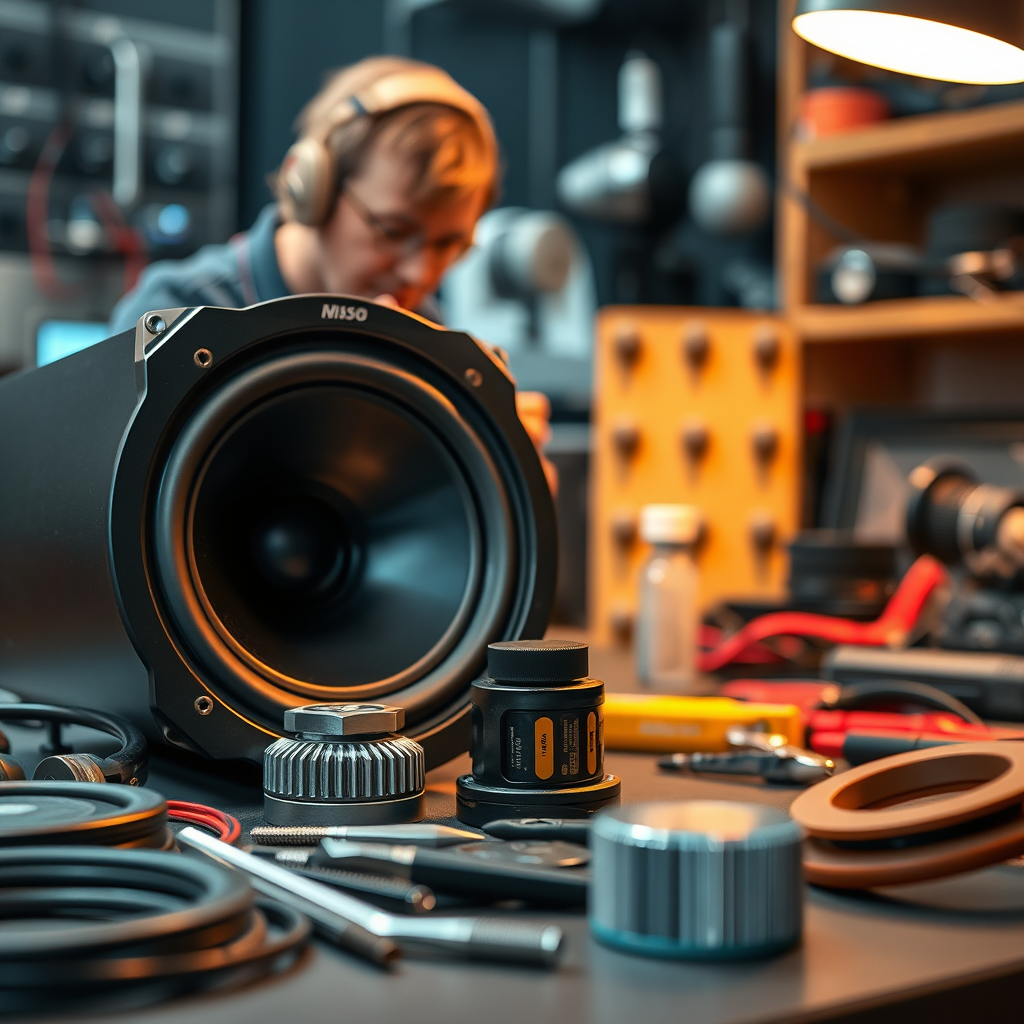
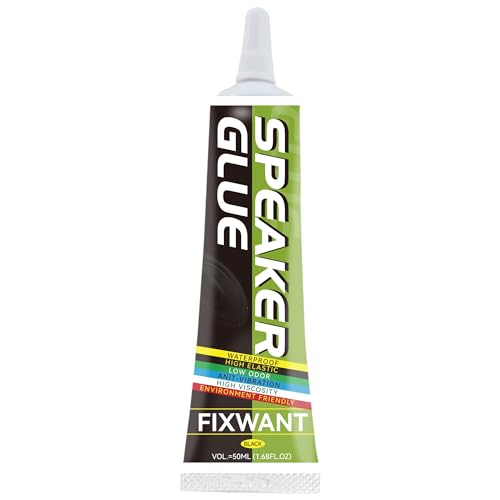
Before diving into repairs, it’s essential to gather all the necessary tools and materials. You’ll need a few basic tools like a screwdriver (preferably a Phillips head) for disassembling the speaker, a soldering iron for any electrical repairs, and strong adhesive or glue for mending parts. If your speaker cone or surround is damaged beyond repair, you may need to source replacement parts. Websites like eBay or parts manufacturers can be great places to find the exact components needed for your model. Having everything ready before you start will streamline the process and save you time.
Disassembling the Speaker
Now that you have your tools and materials, it’s time to carefully disassemble the speaker. Begin by removing it from its housing, taking care not to damage any surrounding components or wiring. Use your screwdriver to unscrew any screws holding the speaker in place. As you disassemble, take photos of each stage; this will be invaluable when you’re ready to reassemble the speaker. Documenting the arrangement of wires and components will ensure you don’t forget how everything fits together, making the reassembly process much easier.
Repairing the Speaker Cone
Once the speaker is disassembled, you can focus on repairing the speaker cone. If you find that the cone has a tear, use a suitable adhesive, such as a white craft glue or a specialized speaker cone repair adhesive. Apply a thin layer of glue on both sides of the tear, pressing them together firmly. Allow the glue to dry completely before testing the speaker. If the issue is with a burnt voice coil, you may need to replace it. This can involve desoldering the old coil and carefully soldering in a new one, ensuring you follow the manufacturer’s specifications for replacement parts to avoid further damage.
Reassembling the Speaker
With the repairs made, it’s time to reassemble the speaker. Refer to the photos you took during disassembly to guide you in putting everything back together. Make sure all connections are secure, and that components are correctly positioned to avoid rattling or further damage when the speaker is in use. Pay extra attention to reattaching any wires, ensuring they are firmly connected to their respective terminals. Take your time during this process, as a rushed assembly can lead to future issues.
Testing the Speaker
Once you have reassembled the speaker, it’s time for the moment of truth: testing! Reconnect the speaker to your audio system and start playing music at a low volume. Gradually increase the volume to check for sound clarity and balance. Listen closely for any distortion or rattling noises, which could indicate a problem with your repair. If everything sounds good, congratulations! You’ve successfully repaired your blown speaker and can now enjoy your favorite tunes without interruption.
Preventing Future Damage
Now that your speaker is back in action, it’s important to take steps to prevent future damage. Best practices for speaker maintenance include avoiding excessive volume levels, which can strain the speaker, and keeping your audio equipment in a safe, dry location to protect it from moisture and dust. Investing in a protective casing can also help shield your speakers from accidental drops or impacts. Regularly checking your speakers for any signs of wear and tear will allow you to catch potential issues early, making it easier to maintain their performance over time.
In summary, you can successfully repair a blown speaker at home with the right approach and tools. By following the steps outlined, you not only save money but also gain valuable skills in audio equipment maintenance. Don’t hesitate to tackle the repair yourself; your favorite music deserves to be heard clearly and beautifully! With patience and attention to detail, you’ll breathe new life into your audio experience and enjoy all the sounds you love once again.
Frequently Asked Questions
What are the signs that my speaker is blown?
Common signs of a blown speaker include distorted sound, a noticeable decrease in volume, or a buzzing noise when audio is played. Additionally, if you hear rattling or crackling sounds that weren’t present before, this may indicate damage to the speaker cone or voice coil. Identifying these signs early can help you assess whether a repair is possible or if replacement is necessary.
How can I test whether my speaker is truly blown?
To test if your speaker is blown, connect it to a different audio source to rule out issues with the amplifier or receiver. If the speaker still produces distorted or no sound, gently press the speaker cone to check for resistance—if it moves freely without any obstruction, it may be blown. Using a multimeter, you can also measure the resistance across the speaker terminals; a reading of zero or infinite resistance indicates a fault.
What tools and materials do I need to repair a blown speaker at home?
To repair a blown speaker at home, you’ll typically need tools such as a screwdriver, soldering iron, and utility knife. Additionally, materials like speaker glue, replacement cones, or voice coils may be necessary, depending on the type of damage. Always ensure you have the specific replacement parts that match your speaker model for the most effective repair.
Why should I attempt to repair my blown speaker instead of buying a new one?
Repairing a blown speaker can be a cost-effective solution, especially if the speaker is of high quality or has sentimental value. Additionally, DIY repairs allow you to learn more about audio equipment and potentially save money on labor costs associated with professional repairs. It can also be an environmentally friendly choice, as it reduces electronic waste.
What is the best way to prevent my speakers from blowing in the future?
To prevent your speakers from blowing, avoid pushing them beyond their power handling limits; always match the speaker’s wattage with your amplifier’s output. Additionally, regularly check and clean connections, and use a receiver with built-in protection circuitry. Keeping the volume at a moderate level and avoiding extreme bass boosts can also help maintain the longevity of your speakers.




One thought on “How to Repair a Blown Speaker at Home: A Step-by-Step Guide”