
Building a custom subwoofer box is the key to achieving deep, powerful bass in your audio system. A well-designed box enhances sound quality and ensures that your subwoofer performs at its best. In this guide, you’ll discover the step-by-step process of constructing a high-quality subwoofer box tailored to your specific needs, helping you enjoy music and movies like never before.




Understanding Subwoofer Box Types
When it comes to subwoofer boxes, the two primary types are sealed and ported boxes, each offering unique characteristics that affect sound quality and bass response.
Sealed Boxes: These are airtight enclosures that provide a tight, accurate bass response. They are typically smaller than ported boxes and offer a more controlled sound, making them ideal for genres like jazz and classical music where precision is key. However, they may not reach the extreme low frequencies that some listeners crave.
Ported Boxes: Ported enclosures feature a vent or port that allows air to escape, enhancing the bass output at specific frequencies. This design enables a louder and deeper bass response, making it perfect for genres like hip-hop and electronic music. However, the sound may be less precise than in sealed boxes, as the bass can sometimes feel boomy.
Understanding these differences will help you choose the right box type based on your listening preferences and the music genres you enjoy.
Choosing the Right Materials
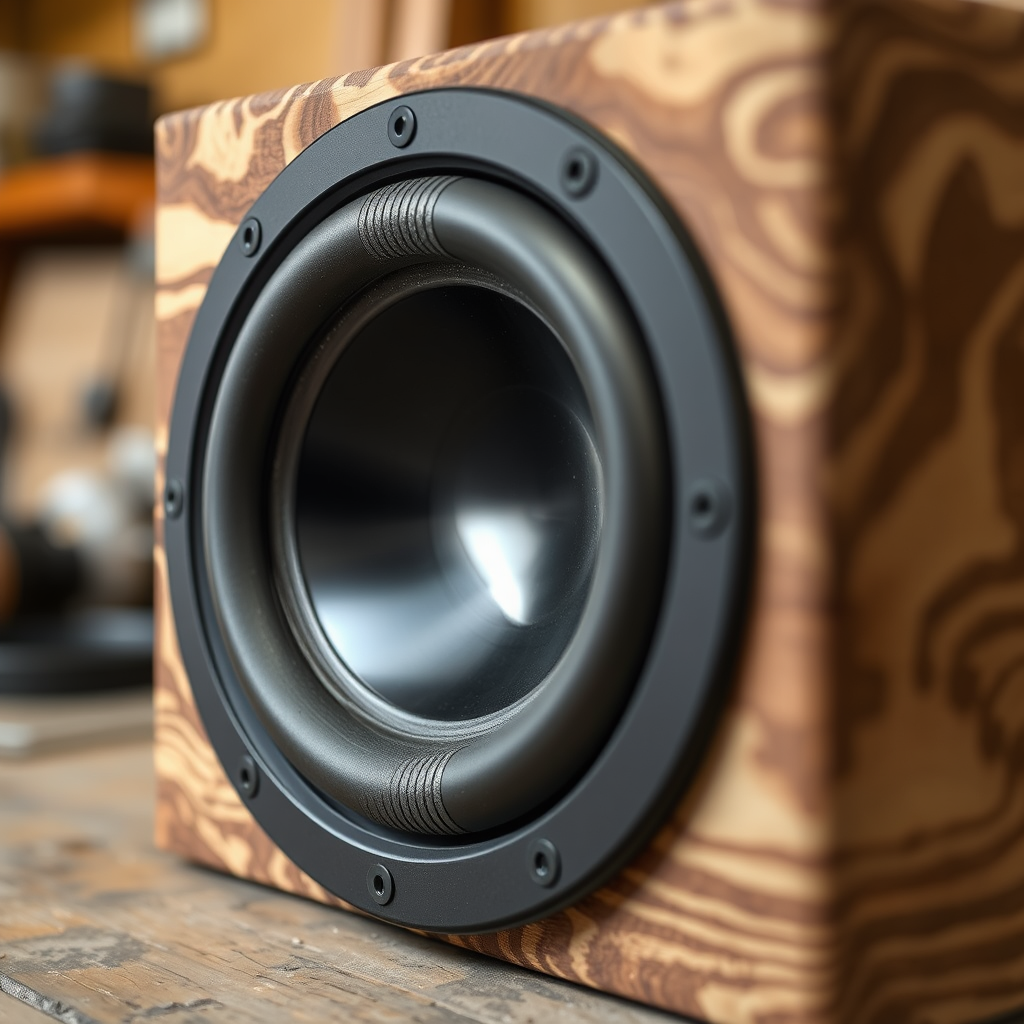
Selecting the right materials for your subwoofer box is crucial for durability and sound quality. The most commonly used material is MDF (Medium-Density Fiberboard) due to its excellent acoustic properties and affordable price. It’s sturdy enough to withstand vibrations and can be easily cut to size.
Another option is plywood, which is more durable and slightly lighter than MDF. However, it can be more expensive. If you want to go for a premium finish, consider using Baltic birch plywood, known for its strength and attractive appearance.
In addition to wood, you should consider insulation materials, such as polyfill or acoustic foam, which can help reduce unwanted resonances inside the box. For finishing, you can use paint or veneer to give your box a polished look, but ensure that any finishes you apply do not interfere with sound quality.
Calculating Box Dimensions
The dimensions of your subwoofer box play a critical role in determining its performance. Each subwoofer has a specific volume requirement for optimal sound, which is often provided in the subwoofer’s specifications.
To calculate the internal volume of your box, you’ll need the dimensions of the enclosure. Use the formula for volume (length x width x height) and ensure the measurements are in the same units. For more precision, you can utilize online calculators or software specifically designed for subwoofer box design. These tools can help you adjust dimensions based on the type of box you’re building, ensuring that you meet the required volume for your subwoofer.
Remember, the box’s shape also affects sound; while a rectangular box is common, experimenting with different shapes can yield interesting results.
Designing the Box
Once you have your dimensions figured out, it’s time to sketch out your design. Focus on the internal volume and port placement, as these factors greatly influence sound quality. If you’re building a ported box, the length and diameter of the port need to be calculated based on the subwoofer specifications to avoid tuning issues.
Bracing is another essential design consideration. Adding internal braces can significantly improve the structural integrity of your box, reducing vibrations that can distort sound. Use 1×1 or 1×2 wooden strips to create a grid inside the box, which will help maintain its shape over time.
Incorporate a removable panel for easy access to your subwoofer, making future adjustments or replacements hassle-free.
Assembly Techniques
When it comes to assembling your subwoofer box, precision is key. Start by using a good quality saw to cut your wood pieces accurately. A circular saw or table saw can provide clean cuts, while a jigsaw is useful for intricate shapes.
For joining the wood pieces, wood glue is your best friend; combine it with screws for extra strength. Pre-drill holes to prevent splitting, and make sure to countersink the screws for a smooth finish.
Once assembled, sealing the joints is crucial for preventing air leaks, which can drastically affect sound quality. Use silicone sealant or wood glue on the seams to create a tight fit. This step is essential, especially for ported boxes, where air movement is vital for good bass response.
Testing and Tuning Your Subwoofer Box
After assembling your subwoofer box, it’s time to test its performance. Play audio tracks with a wide frequency range to evaluate how the box sounds. Pay attention to the bass response; it should feel powerful without being overwhelming.
If you notice any issues, such as a lack of depth or clarity, consider adjusting port sizes or adding internal damping materials like acoustic foam or polyfill. These materials can help absorb excess sound waves and improve overall sound quality.
Tuning your box may also involve adjusting the placement within your space. Sometimes, simply moving the box to a different corner of the room can enhance bass performance due to the way sound waves interact with the environment.
Maintenance Tips for Longevity
To ensure your subwoofer box lasts and continues to perform well, regular maintenance is essential. Periodically check for any signs of wear and tear, such as cracks or loose joints. If you notice any issues, address them promptly to avoid further damage.
Cleaning your subwoofer box is easy; simply wipe it down with a damp cloth to remove dust and debris. If you’ve used a veneer or finish, consider applying a suitable wood polish to keep it looking fresh.
Additionally, keep an eye on your subwoofer itself. Ensure that the cone and surround are in good condition, as these components directly impact sound quality. Regular maintenance not only extends the life of your subwoofer box but enhances your listening experience.
Building a custom subwoofer box can significantly enhance your audio experience by delivering the deep bass you desire. By understanding the different box types, selecting appropriate materials, calculating dimensions, designing thoughtfully, and maintaining your box, you can create a high-quality enclosure that perfectly suits your audio needs. Start your project today, and enjoy the rich, powerful sound that a well-built subwoofer box can provide.
Frequently Asked Questions
What materials do I need to build a custom subwoofer box for deep bass?
To build a custom subwoofer box for deep bass, you’ll need high-quality materials such as MDF (medium-density fiberboard) or plywood, as these provide the necessary rigidity and density for optimal sound quality. Additionally, you will require wood glue, screws, and acoustic sealant to ensure airtight construction, along with insulation materials like polyfill to enhance bass response and reduce unwanted vibrations.
How do I determine the correct size for my custom subwoofer box?
Determining the correct size for your custom subwoofer box involves calculating the volume required based on your subwoofer’s specifications, which can typically be found in the user manual. For deep bass performance, consider the recommended enclosure type—sealed boxes typically require smaller volumes while ported boxes need larger ones. Utilizing online calculators or software can help you achieve precise measurements tailored to your subwoofer’s power and frequency response.
Why is the box type important when building a subwoofer enclosure?
The box type is crucial when building a subwoofer enclosure because it directly affects the sound quality and bass performance. Sealed boxes offer tight, accurate bass, while ported boxes enhance low-frequency output and efficiency, making the choice dependent on your audio preferences and listening environment. Understanding the acoustic properties of each type will help ensure your custom subwoofer box delivers the deep bass you desire.
What is the best design for a custom subwoofer box to achieve deep bass?
The best design for a custom subwoofer box to achieve deep bass typically includes a ported (bass reflex) design, as it allows for enhanced low-frequency output without requiring excessive power. Ensure the box is properly tuned to the subwoofer’s specifications by calculating the port length and diameter for optimal airflow. Additionally, consider the internal bracing to minimize vibrations and resonance, which can distort sound quality.
Which tools do I need to successfully build a custom subwoofer box?
To successfully build a custom subwoofer box, you will need a variety of tools including a circular saw or table saw for precise cuts, a drill for creating holes for screws and ports, and a jigsaw for any intricate cuts. A measuring tape, square, and clamps are also essential for ensuring accuracy in dimensions and securing pieces during assembly. Having these tools on hand will streamline the building process and help achieve a professional finish.
References
- Subwoofer
- https://www.researchgate.net/publication/319167677_Design_and_Analysis_of_Subwoofer_Box_for_Optimal_Bass_Performance
- https://www.audioholics.com/loudspeaker-design/understanding-subwoofer-enclosure-design
- https://www.npr.org/sections/monkeysee/2012/11/23/165049971/how-to-build-your-own-subwoofer
- https://www.usc.edu/dept/engineering/mike/publications/techniques-for-subwoofer-design.pdf