Setting up a sound system for yoga and wellness studios is essential for creating an immersive and calming environment. The right audio setup enhances the overall experience for practitioners by delivering clear sound, whether it’s soothing music or guided meditations. To achieve this, you need to assess your space, select quality equipment, and properly integrate sound sources. In this article, you’ll learn the key components and steps to effectively set up a sound system that meets the unique needs of your studio.




Understanding Your Space
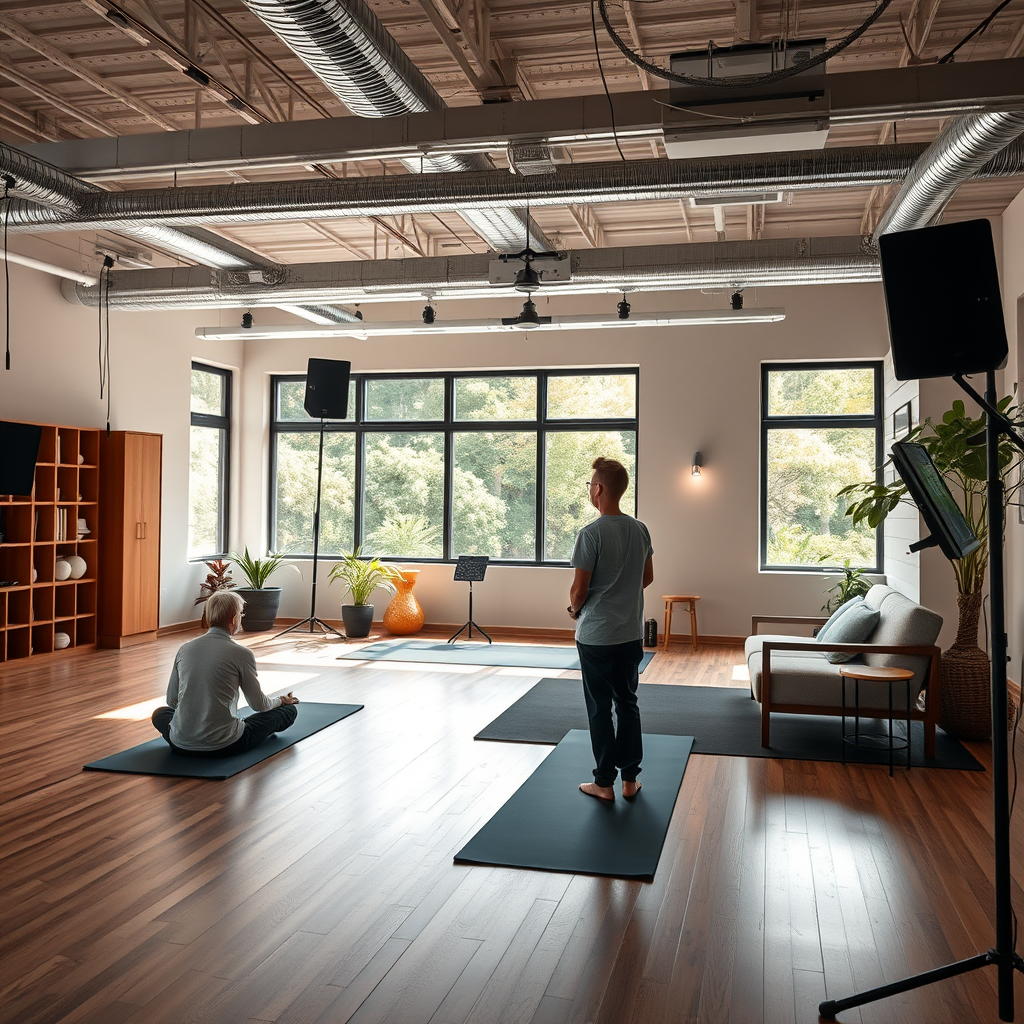
Before diving into the technical aspects of sound systems, it’s crucial to understand the physical space you’re working with. Start by assessing the size and layout of your studio. Is it a large, airy space or a cozy, intimate room? A larger studio may require more powerful speakers and a more complex setup to ensure sound reaches every corner without distortion.
Next, consider the acoustics of your space. Hard surfaces like mirrors and wooden floors can cause sound to bounce, while soft furnishings can absorb sound. To get a better idea of how sound will travel, walk around the studio while playing audio. Pay attention to any echo or areas where sound seems muffled. This assessment will guide you in selecting the right equipment and speaker placement to ensure an even sound experience throughout the room.
Choosing the Right Equipment
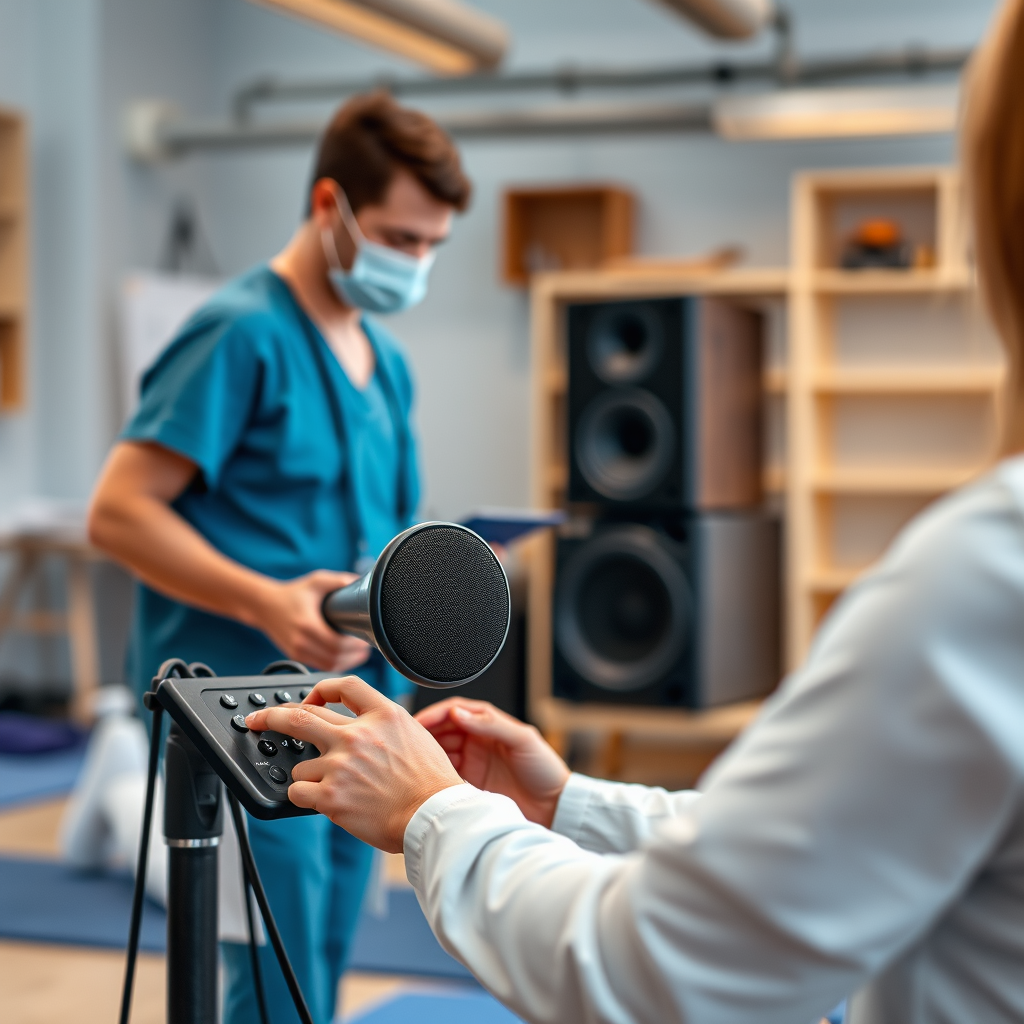
Once you understand your space, it’s time to choose the right equipment. Selecting quality speakers is crucial for delivering balanced sound that fills the studio. Look for speakers specifically designed for music playback rather than just basic PA systems. Brands like Bose, JBL, or Yamaha often have models tailored for studio environments. Aim for speakers that can handle a range of frequencies without distortion, so that both gentle chimes and deep bass sounds come through clearly.
Additionally, investing in a reliable audio mixer or interface can be a game changer. This equipment allows you to easily control sound levels and switch between various audio sources, whether it’s a playlist from your phone or a guided meditation track. Look for mixers that offer intuitive controls and multiple input options for flexibility. Remember, a sound system is only as good as its weakest link, so prioritize quality over quantity.
Setting Up the Sound System
With your equipment selected, the next step is to set up the sound system effectively. Positioning speakers strategically is vital to ensure even sound distribution throughout the room. Typically, placing speakers at least a few feet off the ground and angling them slightly towards the center of the room works well. This setup helps to avoid sound being too concentrated in one area while leaving others too quiet.
Using appropriate cables and connectors is equally important. Look for high-quality, shielded cables to prevent interference that could compromise audio quality. Additionally, keep cable management in mind to create a tidy space that avoids tripping hazards. A clutter-free environment enhances the tranquility of your studio, allowing practitioners to focus on their practice without distractions.
Integrating Music and Sound Sources
Next, integrating music and sound sources into your system can elevate the ambiance of your studio significantly. Curate playlists or select soundscapes that align with the atmosphere you want to create. For yoga classes, consider using soothing tracks that promote relaxation and mindfulness, such as ambient music or nature sounds. You can also explore specific genres, like Tibetan singing bowls or soft instrumental music, which have been shown to enhance meditation experiences.
In addition to curated playlists, consider using apps or devices that allow for seamless streaming and easy access to your audio library. Services like Spotify or Apple Music offer extensive libraries and the ability to create custom playlists. Some advanced audio interfaces also have Bluetooth capabilities for quick and easy connections. This flexibility can save you time and give you more options when setting the mood for different classes.
Testing and Adjusting Sound Levels
Before each class, conducting sound checks is essential to ensure clarity and appropriate volume. Test the audio at various points in the room to confirm that it sounds balanced from all areas. It can be helpful to ask a few trusted friends or colleagues to join you for a mock class, providing feedback on sound levels and quality.
Be prepared to adjust levels based on the number of participants and specific class types. For example, a gentle restorative yoga class may require lower volume levels, while an energetic vinyasa session could benefit from a slightly higher volume to energize participants. Having a clear understanding of how to quickly adjust sound levels will allow you to create the perfect atmosphere for every class.
Maintenance and Troubleshooting
Maintaining a well-functioning sound system is crucial for avoiding disruptions during classes. Regularly check equipment for wear and tear, ensuring all cables are intact and connections are secure. Dust and debris can accumulate on speakers and mixers, so a quick cleaning routine can go a long way in prolonging the life of your equipment.
Moreover, familiarize yourself with common troubleshooting steps to quickly resolve any sound problems that may arise. For instance, if the sound cuts out, check connections first before reaching for the manual. Having a basic toolkit on hand with spare cables and adapters can save you from potential last-minute mishaps during a busy class schedule.
Maintaining a well-functioning sound system in your yoga and wellness studio is crucial for creating an inviting and tranquil environment. By following these steps, you can ensure that your audio setup enhances the experience for all participants. Start today by evaluating your space, selecting quality equipment, and integrating sound sources to elevate your studio’s ambiance. With a little planning and care, you’ll create a harmonious space where practitioners can truly connect with their practice.
Frequently Asked Questions
What equipment do I need to set up a sound system for a yoga studio?
To set up a sound system for a yoga studio, you’ll need a few essential components: a quality mixer or audio interface, speakers (preferably powered or studio monitors), a microphone (for instructors), and audio sources such as a computer, smartphone, or tablet. Additionally, consider incorporating a sound system controller or a remote to adjust the volume easily during classes. Ensuring you have high-quality cables and connectors will also minimize signal loss and improve audio clarity.
How do I choose the right speakers for a wellness studio?
When selecting speakers for a wellness studio, prioritize sound quality, size, and power output. Look for speakers that provide a balanced sound without overwhelming bass or treble, as this can distract from the yoga experience. Additionally, consider the studio’s size: smaller spaces may benefit from compact bookshelf speakers, while larger studios might require floor-standing models or multiple speakers to achieve even sound distribution throughout the area.
Why is acoustics important in a yoga and wellness studio sound system?
Acoustics play a critical role in creating a calming and immersive environment in a yoga and wellness studio. Proper acoustics ensure that sound is evenly distributed and free from echoes or distortion, allowing students to focus on their practice without distractions. Investing in acoustic treatments, such as sound-absorbing panels or rugs, can significantly enhance the overall audio experience, making classes more enjoyable and effective.
What is the best way to position speakers in a yoga studio?
The best way to position speakers in a yoga studio is to place them at ear level and slightly angled toward the practice area to ensure even sound coverage. Ideally, speakers should be positioned away from walls to reduce reflections and prevent muffled sound. A general rule is to maintain a distance of at least 1-2 feet from the walls, and if possible, experiment with different placements to find the optimal balance for your specific space.
Which audio sources are recommended for yoga and wellness classes?
Recommended audio sources for yoga and wellness classes include digital music streaming services, pre-recorded yoga sequences, and sound healing tracks. Services like Spotify, Apple Music, or specialized yoga music platforms offer curated playlists that enhance relaxation and focus. Additionally, having a backup source, like a USB drive with pre-loaded tracks, can ensure smooth transitions during classes and prevent technical issues.
References
- Sound system
- https://www.acoustics.org/publications-resources/
- https://www.nichd.nih.gov/health/topics/sound/conditioninfo/impact
- Sorry! That Page Cannot Be Found
- https://www.ncbi.nlm.nih.gov/pmc/articles/PMC4800788/
- https://www.sciencedirect.com/science/article/pii/S0149814119301453
- https://www.asa.org/asa/publications/
- https://www.health.harvard.edu/mind-and-mood/yoga-and-mental-health
- https://www.psychologytoday.com/us/blog/the-moment-youth/201810/the-sound-of-yoga