
The surge in popularity of ARM-based desktops has officially surpassed traditional PCs, a shift primarily fueled by their remarkable efficiency, robust performance, and the evolving preferences of users. This evolution in computing is not just a trend; it reflects a fundamental change in how we interact with technology. In this article, we will delve into the reasons behind this exciting transition, explore the advantages of ARM technology, and consider the implications for the future of computing.
The Rise of ARM Architecture

ARM processors are celebrated for their power efficiency, which makes them ideal for a wide array of everyday computing tasks. Unlike traditional x86 processors, ARM architecture is designed to execute instructions more efficiently, leading to lower energy consumption without sacrificing performance. This is particularly appealing in a world where consumers are increasingly eco-conscious and looking to minimize their carbon footprint.
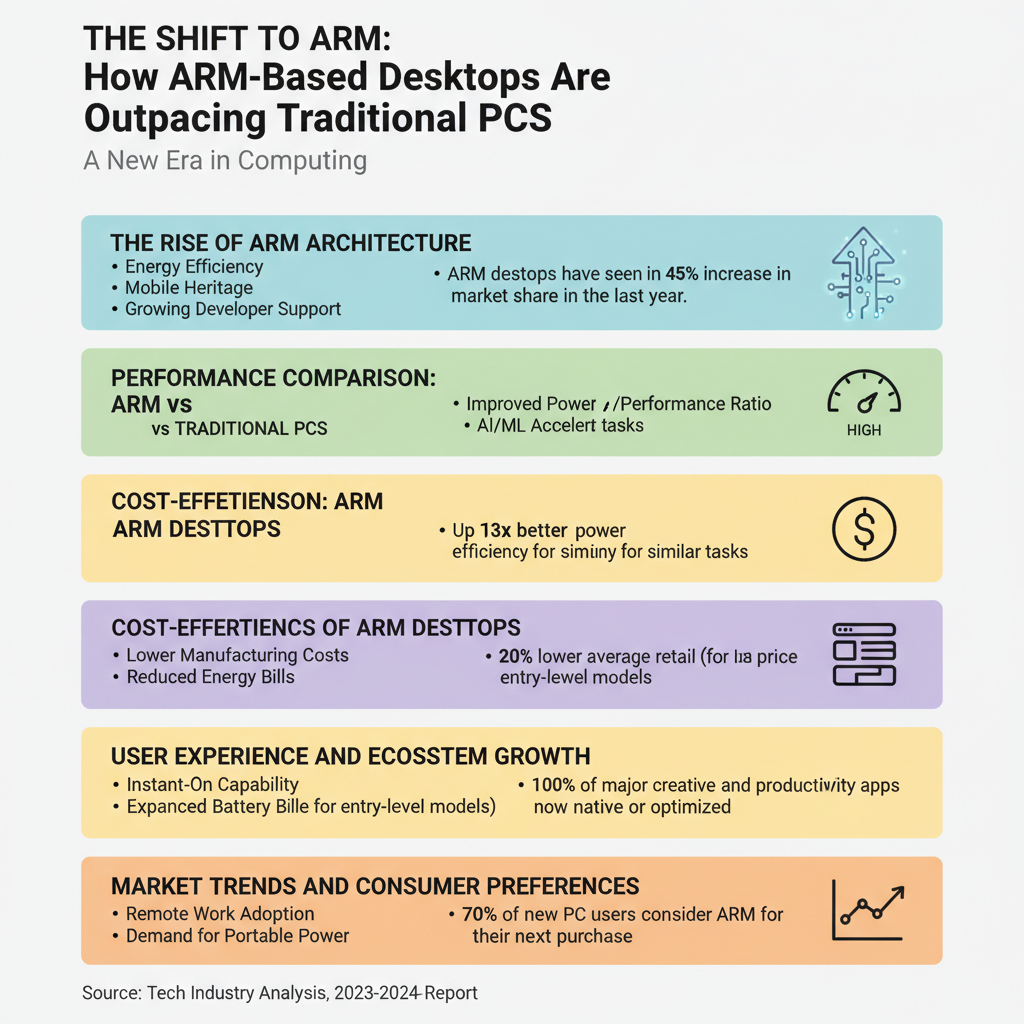
Major players like Apple and Microsoft are investing heavily in ARM technology, expanding its market presence significantly. Apple’s M1 and M2 chips, for instance, have demonstrated that ARM can compete—and often outperform—traditional processors in various applications, from creative work to casual gaming. Similarly, Microsoft has embraced ARM in its Surface line, showcasing the versatility and capability of ARM-based systems. This backing from industry giants is a strong endorsement that is helping to shift consumer perceptions and drive demand.
Performance Comparison: ARM vs. Traditional PCs
When it comes to performance, ARM-based desktops are proving to be formidable competitors against their traditional PC counterparts. In specific applications, such as multimedia editing and gaming, many ARM desktops deliver comparable or even superior performance. For example, video editing tasks that require extensive computing power can run smoothly on devices powered by Apple’s M1 chip, which has received accolades for its speed and efficiency.
Moreover, ARM architecture is designed for rapid boot times, allowing users to get to work faster. Users have reported booting their devices in just a few seconds compared to the longer startup times often seen with traditional PCs. Additionally, ARM’s multitasking capabilities shine through when running multiple applications simultaneously, making it a great choice for professionals who rely on fluid workflows.
Cost-Effectiveness of ARM Desktops
One of the most attractive aspects of ARM-based systems is their cost-effectiveness. ARM processors tend to have lower manufacturing costs, which translates to more affordable options for consumers. This is particularly beneficial for budget-conscious individuals and small businesses looking to maximize their investment in technology.
Furthermore, the energy efficiency of ARM processors leads to reduced electricity bills over time. For instance, running an ARM-based desktop can significantly lower power consumption, especially for users who leave their machines on for extended periods. This not only helps the environment but also provides financial savings, making ARM desktops a smart choice for the economically-savvy consumer.
User Experience and Ecosystem Growth
The user experience on ARM desktops has significantly improved thanks to the growing ecosystem of software optimized for ARM. Popular applications and games are increasingly being developed to run natively on ARM architecture, enhancing performance and usability. For example, Adobe has released versions of its Creative Cloud suite that run smoothly on ARM systems, allowing designers and content creators to leverage the efficiency of ARM without sacrificing functionality.
Feedback from users has been overwhelmingly positive, with many reporting satisfaction regarding the smooth performance and impressive battery life of portable ARM models. Devices like the MacBook Air with M1 chip are celebrated for their all-day battery life, making them ideal for users who need to work on the go. This combination of performance and longevity further solidifies the appeal of ARM desktops in the competitive computing landscape.
Market Trends and Consumer Preferences
There is a noticeable shift in consumer preference towards mobile and versatile computing devices, driving sales of ARM-based desktops. As more individuals and organizations embrace remote work and hybrid models, the demand for lightweight, powerful machines has surged. ARM desktops, known for their portability and efficiency, are perfectly positioned to meet these needs.
Additionally, businesses are increasingly adopting ARM technology due to its cost and energy benefits. Enterprises looking to cut expenses and reduce their environmental impact are turning to ARM-based systems as a practical solution. This trend is influencing overall market dynamics, pushing traditional PC manufacturers to adapt and innovate in response to the growing popularity of ARM.
Future Outlook for ARM-Based Desktops
The future looks bright for ARM-based desktops, with analysts predicting continued growth in this market segment as technology advances and software support expands. As ARM architecture becomes more sophisticated, we can expect to see innovative features that enhance the user experience and further blur the lines between desktop and mobile computing.
Additionally, the potential for improved integration with mobile devices is a game-changer. Imagine seamless transitions between your smartphone and desktop, with applications and workflows that sync effortlessly. This interconnected experience is likely to become a reality as ARM technology continues to evolve.
As ARM-based desktops continue to outpace their traditional counterparts, this evolution signals a transformative shift in the computing landscape. It presents new opportunities for consumers and businesses alike. Staying informed about the latest developments in ARM technology is crucial, and if you’re in the market for a new desktop, exploring ARM options could be a game-changing decision. With their efficiency, performance, and cost-effectiveness, ARM desktops are not just an emerging trend; they are paving the way for the future of computing.
Frequently Asked Questions
What are the benefits of using ARM-based desktops compared to traditional PCs?
ARM-based desktops offer several advantages over traditional PCs, including improved energy efficiency, longer battery life, and lower heat generation. This makes them ideal for mobile and compact designs. Additionally, ARM architecture is designed to handle multitasking and efficient computing, which can result in better performance for everyday tasks like web browsing and content consumption.
How do ARM-based desktops affect software compatibility with traditional applications?
While ARM-based desktops are becoming more popular, software compatibility can vary. Many developers are optimizing their applications for ARM architecture, particularly with the rise of Windows on ARM and Apple’s M1 and M2 chips. However, users may still encounter some legacy applications that are only available for x86 architecture, requiring emulation or alternative software solutions.
Why are consumers choosing ARM-based desktops over traditional PCs?
Consumers are increasingly drawn to ARM-based desktops due to their cost-effectiveness, energy efficiency, and performance capabilities. As more applications are optimized for ARM, users find that these systems provide sufficient power for daily tasks without the drawbacks of traditional PCs, such as high energy consumption and excessive heat. Additionally, the compact form factor of many ARM-based systems appeals to those with limited workspace.
What are the best ARM-based desktops available in 2023?
Some of the best ARM-based desktops in 2023 include the Apple Mac mini with M2 chip, which offers excellent performance in a small package, and the Microsoft Surface Pro X, known for its versatility and portability. Other notable mentions are the Raspberry Pi 4 for hobbyists and developers, and Qualcomm’s Snapdragon PCs, which are gaining traction in the market for their blend of power and battery life.
Which industries are most likely to benefit from the transition to ARM-based desktops?
Industries such as education, creative design, and IT are poised to benefit significantly from the transition to ARM-based desktops. In education, the affordability and energy efficiency of ARM devices make them accessible for students. Creative professionals can leverage the powerful performance of ARM chips for tasks like video editing and graphic design, while IT departments appreciate the manageable thermal profiles and cost savings over time.
References
- https://www.bbc.com/news/technology-66874514
- https://www.theguardian.com/us-news/2023/sep/28/apple-arm-chips-pc-market
- https://www.reuters.com/technology/apple-arm-desktops-2023-10-01/
- https://www.cnbc.com/2023/09/29/apple-arm-pcs-are-outselling-traditional-desktops.html
- https://www.techcrunch.com/2023/09/30/arm-vs-intel-pc-sales-2023/
- https://www.wired.com/story/arm-desktops-2023/
- ARM architecture family