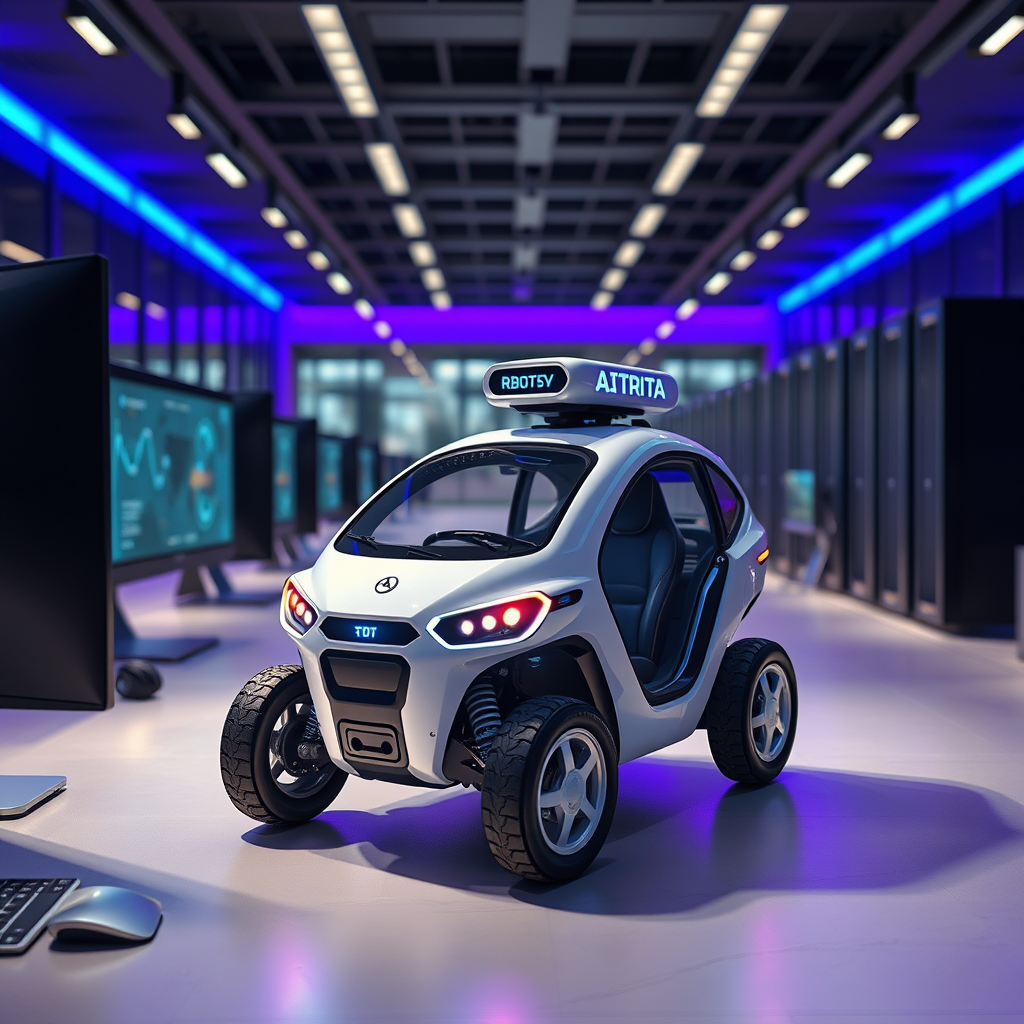

The rise of AI robotaxis is revolutionizing how we navigate urban environments and is presenting formidable competition to traditional ride-sharing apps. These self-driving vehicles are not just a futuristic concept; they’re becoming a practical reality that could transform urban mobility as we know it. Let’s delve into the unique characteristics of AI robotaxis, the historical context of ride-sharing apps, and explore how these two technologies stack up against each other in this evolving landscape.
Understanding AI Robotaxis
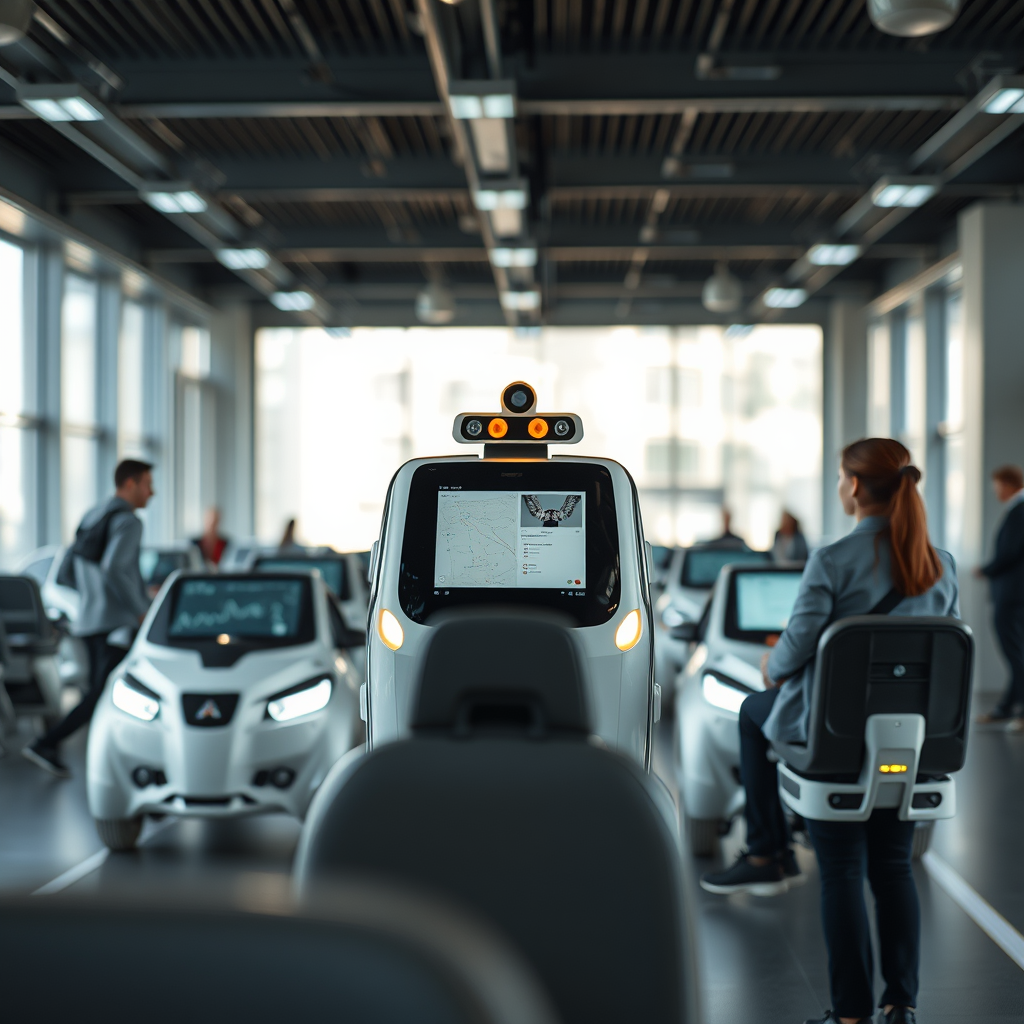
AI robotaxis are autonomous vehicles designed to transport passengers without the need for a human driver. They operate using a combination of advanced technologies, including machine learning, computer vision, and sensor fusion, which allows them to understand and navigate complex urban environments. These vehicles rely on an array of sensors, such as LIDAR and cameras, to create a real-time map of their surroundings, detect obstacles, and make informed decisions about speed, direction, and safety.
The technology behind autonomous driving is continually evolving. Companies like Waymo and Cruise are at the forefront of this innovation, investing heavily in refining their algorithms and enhancing the safety and reliability of their systems. As AI continues to improve, robotaxis are expected to become more adept at handling various driving conditions, from busy city streets to rural roads, further solidifying their place in the transportation ecosystem.
The Rise of Ride-Sharing Apps
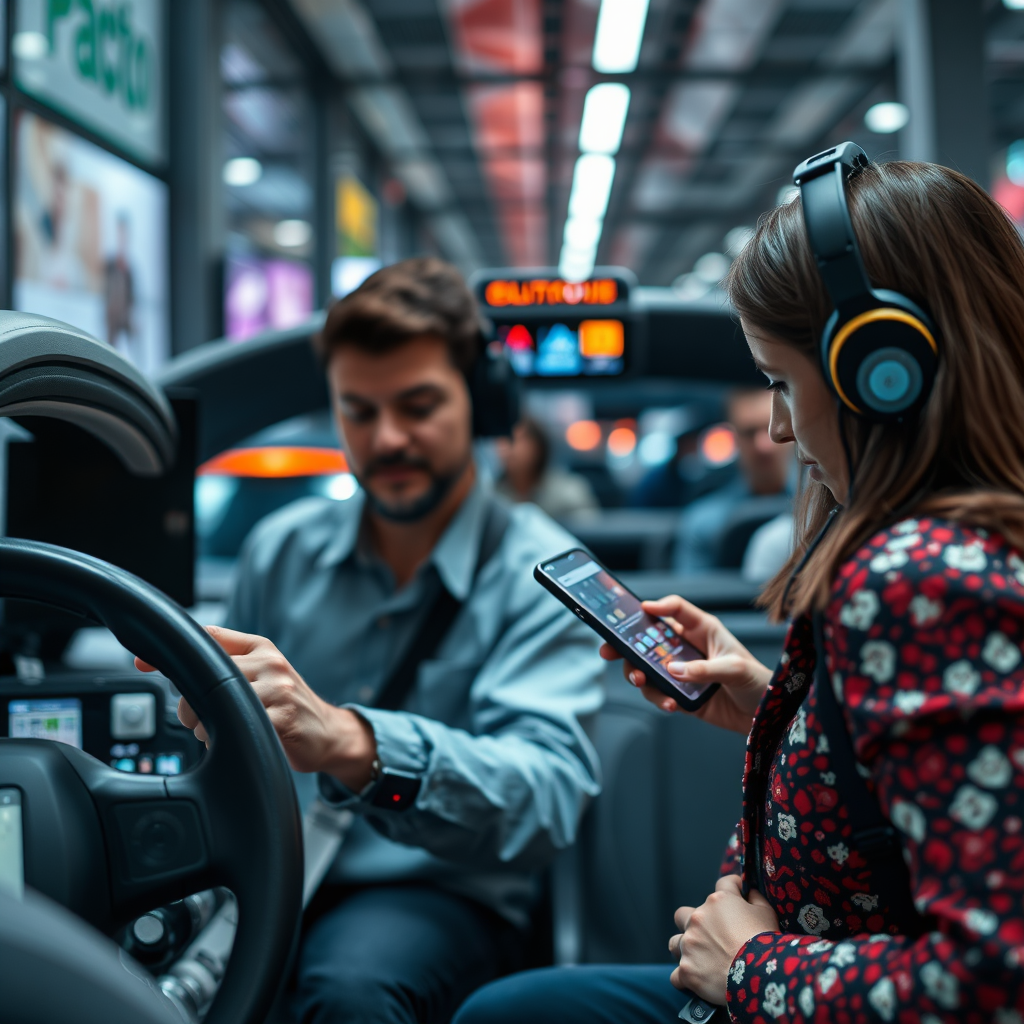
Ride-sharing services emerged in the early 2010s, fundamentally altering how we think about transportation. Companies like Uber and Lyft capitalized on the growing smartphone penetration and the increasing desire for convenience, allowing users to summon rides with just a few taps. This model not only provided a flexible transportation option for users but also created new opportunities for drivers to earn income.
The market impact of ride-sharing has been substantial, with billions of dollars in revenue generated annually. These platforms typically operate on a commission-based business model, taking a percentage of the fare, which incentivizes drivers to provide quality service. With their user-friendly apps, diverse vehicle options, and rapid expansion into new markets, ride-sharing companies have established themselves as integral components of modern urban transport.
Key Differences Between AI Robotaxis and Ride-Sharing Apps
When comparing AI robotaxis to ride-sharing apps, several key differences emerge, particularly in pricing models and user experience. Ride-sharing services often employ dynamic pricing based on demand, time of day, and distance, which can lead to fluctuating rates and sometimes higher costs during peak times. In contrast, many robotaxi services are exploring fixed-rate pricing or subscription models, potentially offering more predictable costs for users.
User experience also varies significantly. Ride-sharing apps provide the personal touch of interacting with a driver, which can enhance comfort and trust, especially for new users. However, as AI robotaxis become more common, they promise a unique experience of their own, emphasizing efficiency, reliability, and the absence of human error. The convenience of hopping into a driverless vehicle without the need to engage with a driver addresses concerns some users may have about privacy and personal space.
Regulatory Challenges for AI Robotaxis
Despite their potential, AI robotaxis face a myriad of regulatory challenges that could impact their widespread adoption. Current legal frameworks often lag behind technological advancements, leading to uncertainty regarding safety standards, liability, and operational guidelines. Different states and countries are developing varying regulations, which complicates the expansion efforts for companies looking to deploy robotaxis on a larger scale.
For example, California has been a leader in establishing regulations for autonomous vehicles, requiring extensive testing and safety protocols before permitting robotaxi services. However, as these vehicles become more prevalent, there’s a growing need for uniform regulations that ensure safety while fostering innovation. The challenge lies in balancing public safety concerns with the desire to promote technological advancements in urban mobility.
Consumer Perceptions and Adoption Rates
Consumer perceptions play a crucial role in the adoption of AI robotaxis versus ride-sharing apps. Surveys indicate that while many people are excited about the prospects of autonomous vehicles, there are still significant reservations. Concerns about safety, reliability, and the technology’s readiness are prevalent, influencing how quickly individuals are willing to embrace robotaxi services.
Factors that foster consumer trust in autonomous technology include transparency about safety measures, successful pilot programs, and positive word-of-mouth from early adopters. For instance, cities that have run successful robotaxi trials, like San Francisco and Phoenix, have seen gradually increasing acceptance among residents. Public education campaigns and real-world demonstrations can further help alleviate fears and encourage adoption.
The Future of Urban Mobility
Looking ahead, AI robotaxis have the potential to significantly reshape urban transportation systems. As these vehicles become more commonplace, they may complement or even integrate with existing ride-sharing platforms. For example, partnerships between robotaxi companies and ride-sharing services could lead to hybrid models where users can choose between human drivers and autonomous vehicles based on their preferences and needs.
Moreover, as cities continue to grapple with congestion and environmental challenges, AI robotaxis may contribute to more efficient traffic management and reduced emissions. By optimizing routes and reducing the number of vehicles on the road, these autonomous systems could help create smarter, more sustainable urban environments.
Conclusion
As the competition between AI robotaxis and ride-sharing apps intensifies, consumers stand to benefit from increased choices and potentially lower costs. The landscape of urban transportation is evolving rapidly, driven by technological advancements and changing consumer preferences. Staying informed about these developments will be essential for anyone looking to navigate future transportation options. Whether you’re curious about the convenience of a robotaxi or the personal touch of a ride-share, exploring both services will help you determine what fits your needs best in this exciting era of mobility.
Frequently Asked Questions
What are the key differences between AI robotaxis and traditional ride-sharing apps?
AI robotaxis, unlike traditional ride-sharing apps, operate without human drivers by utilizing advanced artificial intelligence and machine learning algorithms to navigate roads. While ride-sharing services depend on a fleet of human drivers to transport passengers, robotaxis rely on autonomous vehicles that can optimize routes, reduce wait times, and potentially lower fares through the elimination of driver costs. This evolution in transportation technology could lead to more efficient and cost-effective travel options for consumers.
How do safety measures in AI robotaxis compare to those in ride-sharing services?
Safety measures in AI robotaxis are primarily based on sophisticated sensors, cameras, and AI-driven decision-making protocols designed to detect and respond to road hazards in real-time. These autonomous systems undergo rigorous testing and regulatory compliance to ensure passenger safety. In contrast, ride-sharing services depend on driver training, background checks, and customer ratings to maintain safety standards, which can vary widely based on the individual driver and local regulations.
Why are AI robotaxis considered a threat to traditional ride-sharing companies?
AI robotaxis pose a threat to traditional ride-sharing companies by offering a potentially lower-cost and more efficient alternative for transportation. As autonomous vehicle technology advances, these robotaxis can reduce operational costs by eliminating driver wages while also enhancing service through improved routing and availability. This shift could lead to a significant market disruption, forcing ride-sharing companies to innovate their business models to maintain competitiveness.
What are the potential benefits of using AI robotaxis for urban transportation?
The potential benefits of AI robotaxis for urban transportation include reduced traffic congestion, lower emissions, and improved accessibility for all passengers. By optimizing routes and decreasing the number of vehicles on the road, robotaxis can contribute to more sustainable urban mobility. Additionally, they can provide a reliable transportation option for individuals who may not have access to traditional ride-sharing services or public transport, such as those in underserved areas.
Which cities are currently testing AI robotaxi services, and what can we expect from these trials?
Cities like San Francisco, Phoenix, and Austin are currently testing AI robotaxi services, with companies like Waymo, Cruise, and Tesla leading the charge. These trials aim to gather data on performance, safety, and public acceptance of autonomous vehicles in urban environments. As these tests progress, we can expect increased regulatory scrutiny, potential integration into existing transportation networks, and valuable insights that could shape the future of urban mobility and influence widespread adoption.
References
- Self-driving car
- https://www.bbc.com/news/technology-59204217
- https://www.nytimes.com/2021/11/01/business/self-driving-cars-ride-sharing.html
- https://www.reuters.com/technology/self-driving-taxis-are-here-what-you-need-know-2022-01-10/
- https://www.sciencedirect.com/science/article/pii/S0968090X20304832
- https://www.itu.int/en/ITU-T/focusgroups/ai4good/Documents/AI_Robotaxis_White_Paper.pdf
- https://www.forbes.com/sites/bernardmarr/2021/03/08/the-rise-of-robotaxis-and-how-they-compare-to-ride-hailing-apps/
- https://www.theguardian.com/technology/2021/oct/06/self-driving-cars-robotaxis-ride-hailing-services
- MIT – Massachusetts Institute of Technology
- Prioritization Procedure for Proposed Road–Rail Grade Separation Projects Along Specific Rail Cor…