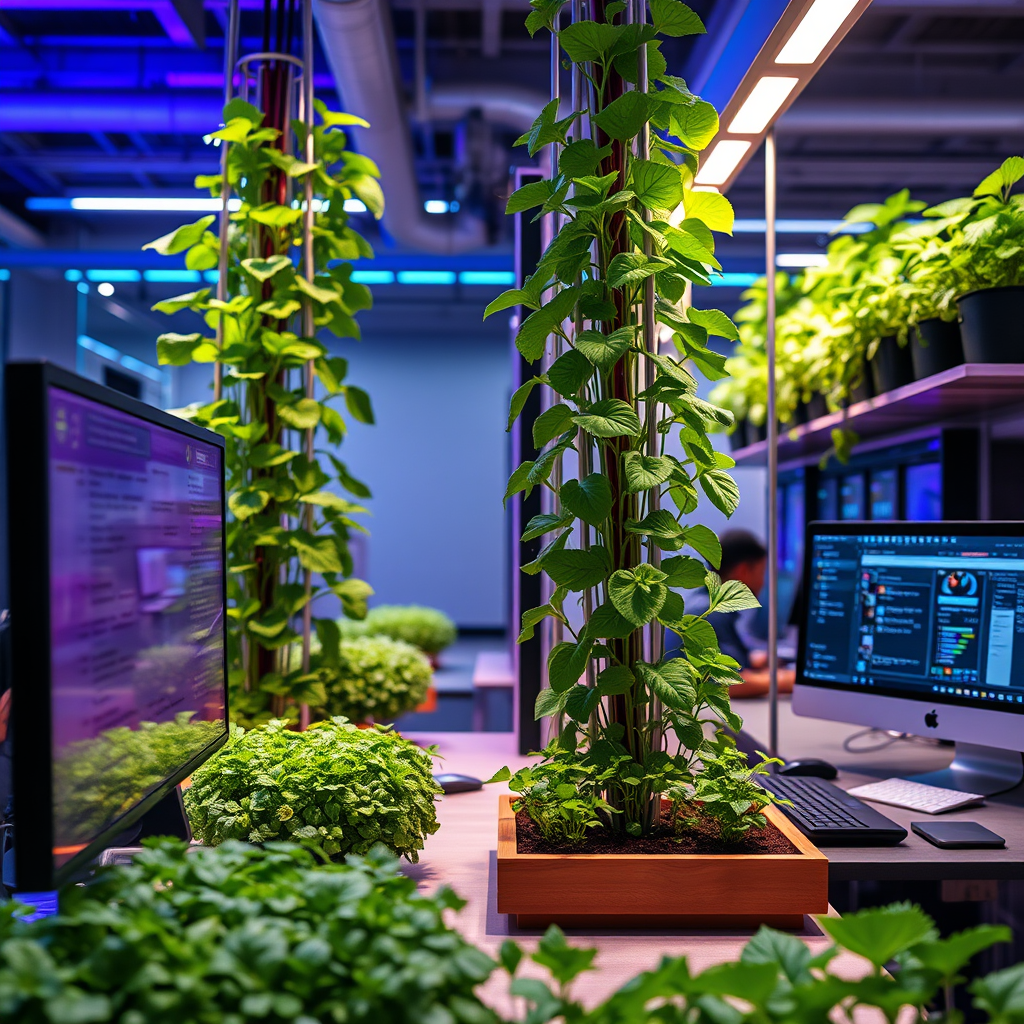
The integration of AI farming robots is transforming agriculture by significantly enhancing crop production. These innovative technologies streamline farming processes, optimize resource usage, and ultimately improve yield, enabling farmers to satisfy the increasing global food demand. In this article, we’ll delve into how these robots are reshaping agricultural practices and the myriad benefits they bring to the farming sector.




The Role of AI in Agriculture
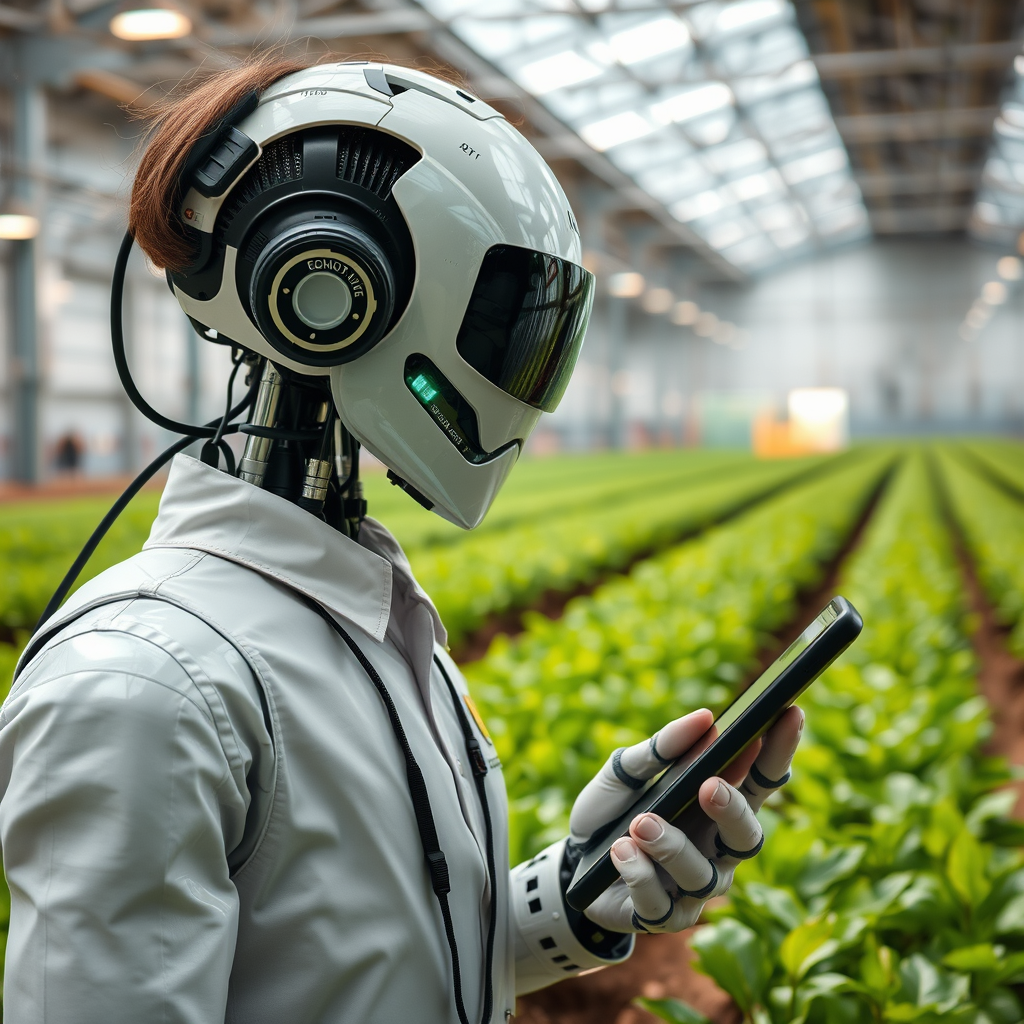
AI plays a pivotal role in modern agriculture by harnessing data analytics and machine learning to enhance decision-making processes. AI algorithms can analyze vast amounts of data, including soil quality, weather patterns, and historical crop yields, to make accurate predictions about future harvests. For instance, farmers can input specific variables into AI systems, which then generate insights on what crops will thrive under certain conditions, allowing for better planning and crop rotation.
Machine learning takes this a step further by enabling robots to adapt to varying farming conditions. This adaptability is essential since no two farms are alike; factors like soil type, climate, and crop variety can vastly differ. As AI farming robots gather more data over time, they become smarter and more efficient, fine-tuning their operations to ensure optimal results. This ability to learn and adapt makes AI an invaluable ally for farmers looking to improve productivity and sustainability.
Types of AI Farming Robots

The landscape of AI farming robots is diverse, with various types designed to tackle specific agricultural tasks. One of the most common types is autonomous tractors and harvesters. These machines can perform a wide range of fieldwork, from tilling soil to planting seeds and harvesting crops, all without human intervention. For example, companies like John Deere are at the forefront, developing autonomous tractors equipped with GPS and AI, allowing them to work with precision and efficiency.
Drones also play a crucial role in precision agriculture. Equipped with high-resolution cameras and sensors, these flying robots can monitor crop health, assess plant growth, and even identify pest infestations. By providing real-time data, drones enable farmers to make informed decisions about irrigation and fertilization, ensuring that resources are used wisely. For instance, a farm using drones for crop monitoring can detect areas that need more water or nutrients, optimizing yield and reducing waste.
Benefits of Using AI Farming Robots
The benefits of adopting AI farming robots are numerous and impactful. One of the most significant advantages is increased efficiency. These robots can operate around the clock, reducing the time required to complete tasks and ultimately lowering labor costs. For example, an autonomous tractor can plow a field in a fraction of the time it takes a human, freeing up valuable hours for farmers to focus on other critical tasks.
Moreover, the accuracy of AI farming robots enhances planting, watering, and harvesting processes. With precise data-driven insights, farmers can plant seeds at the optimal depth and spacing, ensuring that crops have the best chances of thriving. This attention to detail can lead to higher yields and better-quality produce. A study conducted by the University of Minnesota found that farms implementing AI-driven practices saw a yield increase of up to 20%, showcasing the transformative potential of these technologies.
Case Studies of Successful Implementation
There are numerous inspiring examples of farms that have successfully integrated AI technologies into their operations. One notable case is the Blue River Technology, which developed a robot known as “See & Spray.” This innovative machine uses computer vision to identify and precisely apply herbicides only where needed, resulting in a significant reduction in chemical use and a higher overall crop yield. A pilot program demonstrated an impressive 90% reduction in herbicide costs, showcasing how AI can lead to both economic and environmental benefits.
Another example is the use of drones by the Brazilian company, Aegro, which applies AI to help farmers manage their crops better. By utilizing drone technology for monitoring and data collection, Aegro has enabled farmers to increase their productivity by up to 30%. These case studies highlight the real-world impact of AI farming robots, proving that they can lead to substantial increases in crop production and cost savings.
Challenges and Limitations
Despite the many advantages, the adoption of AI farming robots is not without challenges. One significant hurdle is the initial investment cost, which can be prohibitive for small to medium-sized farms. While larger operations may benefit from the economies of scale, smaller farms might struggle to justify the expense of purchasing advanced technology. That said, as technology continues to evolve, costs are expected to decrease, making AI farming robots more accessible to all.
Technical challenges also pose limitations. Farmers may encounter difficulties related to the maintenance of complex machinery and the need for regular software updates. This can require specialized knowledge that not all farmers possess. Additionally, the reliance on technology raises concerns about data security and the potential for system failures during critical farming periods. To mitigate these risks, ongoing training and support for farmers are essential as they transition to a tech-driven approach.
Future Trends in AI Farming
Looking forward, the future of AI in agriculture appears bright. Innovations in AI technology are expected to further enhance productivity, with developments like advanced robotics capable of performing intricate tasks such as automated pruning and selective harvesting. Additionally, the integration of AI with other technologies, such as blockchain for supply chain transparency and IoT devices for real-time monitoring, will create a more efficient and sustainable agricultural ecosystem.
Predictions for the future role of robotics in sustainable agriculture suggest that we will see an increase in collaborative farming practices, where human workers and robots work side by side. This hybrid approach can lead to a more resilient agricultural sector capable of responding to the challenges posed by climate change and food security concerns.
As AI farming robots become increasingly sophisticated and affordable, farmers are encouraged to embrace these advancements. By doing so, they can not only enhance their operations but also contribute to a more sustainable and productive agricultural future.
The adoption of AI farming robots is poised to reshape the agricultural landscape, addressing challenges and enhancing production capabilities. As the technology becomes more accessible, farmers are encouraged to explore these advancements to improve their operations and meet the demands of a growing population. Consider researching available AI solutions that fit your farming needs and start transforming your agricultural practices today.
Frequently Asked Questions
What are AI farming robots and how do they work to increase crop production?
AI farming robots are advanced agricultural machines that utilize artificial intelligence, sensors, and robotics to automate various farming tasks. They work by analyzing data from the environment, such as soil health, weather conditions, and crop growth patterns, to optimize planting, watering, and harvesting processes. By ensuring precision and efficiency, these robots can significantly enhance crop yields and reduce resource wastage, ultimately leading to increased productivity for farmers.
How can AI farming robots help reduce labor costs in agriculture?
AI farming robots can drastically reduce labor costs by automating repetitive and labor-intensive tasks such as planting, weeding, and harvesting. This automation lessens the dependency on seasonal labor, which can be unpredictable and expensive. As a result, farmers can allocate their resources more effectively and invest in technology that enhances overall farm efficiency, leading to cost savings and increased profitability.
Why should farmers invest in AI farming robots for sustainable agriculture?
Investing in AI farming robots promotes sustainable agriculture by enhancing resource management and minimizing environmental impact. These robots can optimize water usage, reduce pesticide application through targeted treatment, and improve crop management practices, all of which contribute to healthier ecosystems. By embracing technology, farmers can achieve higher yields while also supporting sustainability goals, making their operations more environmentally friendly.
What are the best types of AI farming robots available for small-scale farmers?
For small-scale farmers, the best types of AI farming robots include autonomous tractors, robotic weeders, and drones for crop monitoring. Autonomous tractors can perform multiple functions such as plowing and planting, while robotic weeders help minimize herbicide use by precisely targeting weeds. Drones equipped with AI can provide valuable insights into crop health and growth patterns, enabling small farmers to make data-driven decisions that enhance productivity.
Which crops benefit the most from the use of AI farming robots?
Crops that benefit the most from AI farming robots include high-value specialty crops like fruits and vegetables, as well as row crops such as corn and soybeans. These crops often require precise management for optimal yield, and AI technology helps in monitoring growth conditions, optimizing irrigation, and managing pests effectively. By utilizing AI farming robots, farmers can maximize the potential of these crops, leading to increased production and improved quality.
References
- Precision agriculture
- https://www.sciencedirect.com/science/article/pii/S0167739X20301619
- https://www.nature.com/articles/s41597-021-00945-5
- https://www.bbc.com/news/technology-55039327
- https://www.frontiersin.org/articles/10.3389/frobt.2021.00001/full
- https://www.usda.gov/topics/farming/precision-agriculture
- https://www.nature.com/articles/s41467-021-23683-3
- https://www.theguardian.com/environment/2021/feb/23/farming-robots-agriculture-technology
- https://www.reuters.com/technology/how-farming-robots-could-transform-agriculture-2021-06-25/