The best speaker placement for maximum sound clarity involves positioning your speakers at ear level and creating an equilateral triangle between the speakers and your listening position. This arrangement minimizes sound distortion and maximizes stereo imaging. Proper speaker placement not only enhances the listening experience but also allows for more accurate sound reproduction. In this article, we’ll explore essential tips and techniques to achieve the ideal speaker setup for your space.



Understanding Sound Waves and Acoustics
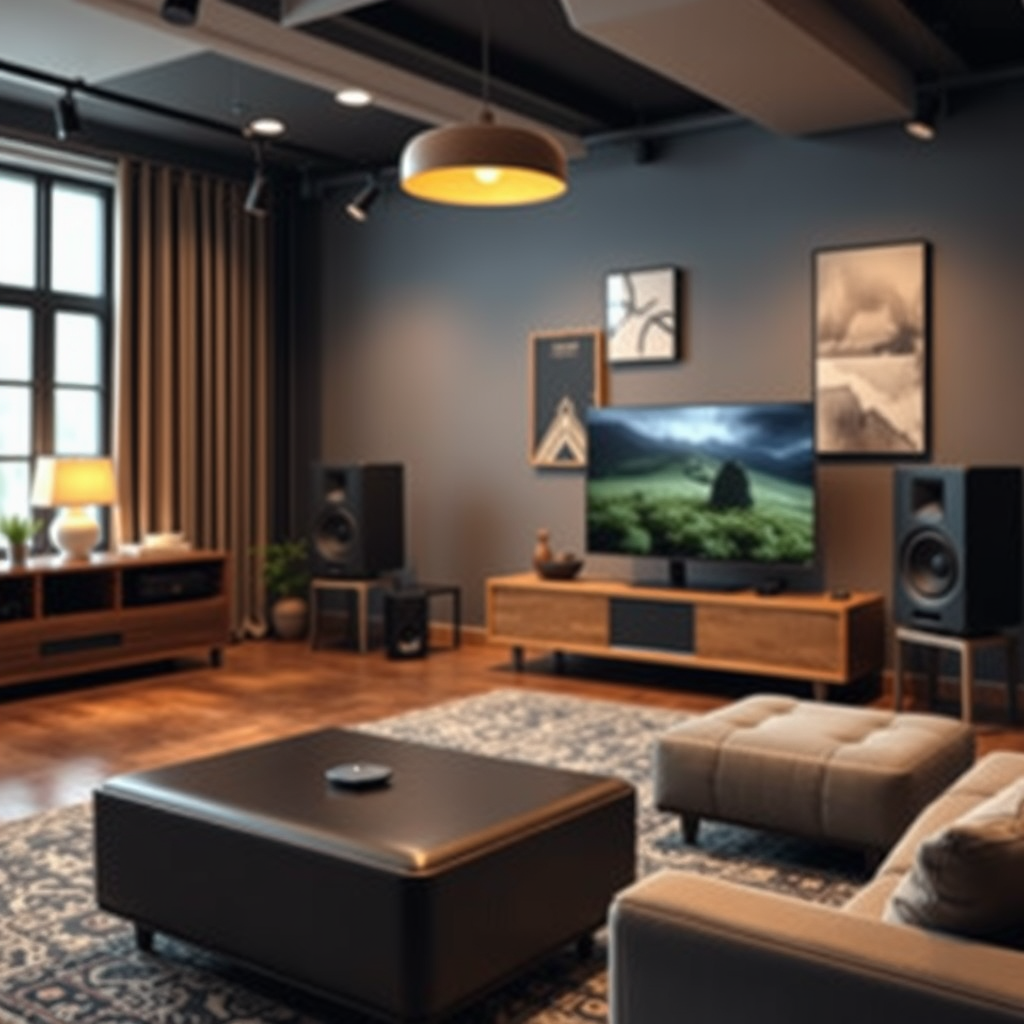
Sound waves are vibrations that travel through the air, and they propagate in all directions from their source. This characteristic means that how and where you position your speakers can significantly affect the sound clarity and overall listening experience. When speakers are placed improperly, you may encounter issues such as muddiness or lack of definition in sound.
Room acoustics are equally important. The materials in your space—walls, furniture, and flooring—affect how sound waves reflect and absorb. Hard surfaces can create echo and distortion, while soft materials can dampen sound, leading to a less vibrant audio experience. To optimize sound clarity, it’s essential to consider both speaker placement and the acoustical properties of your room.Speaker Height and Angle
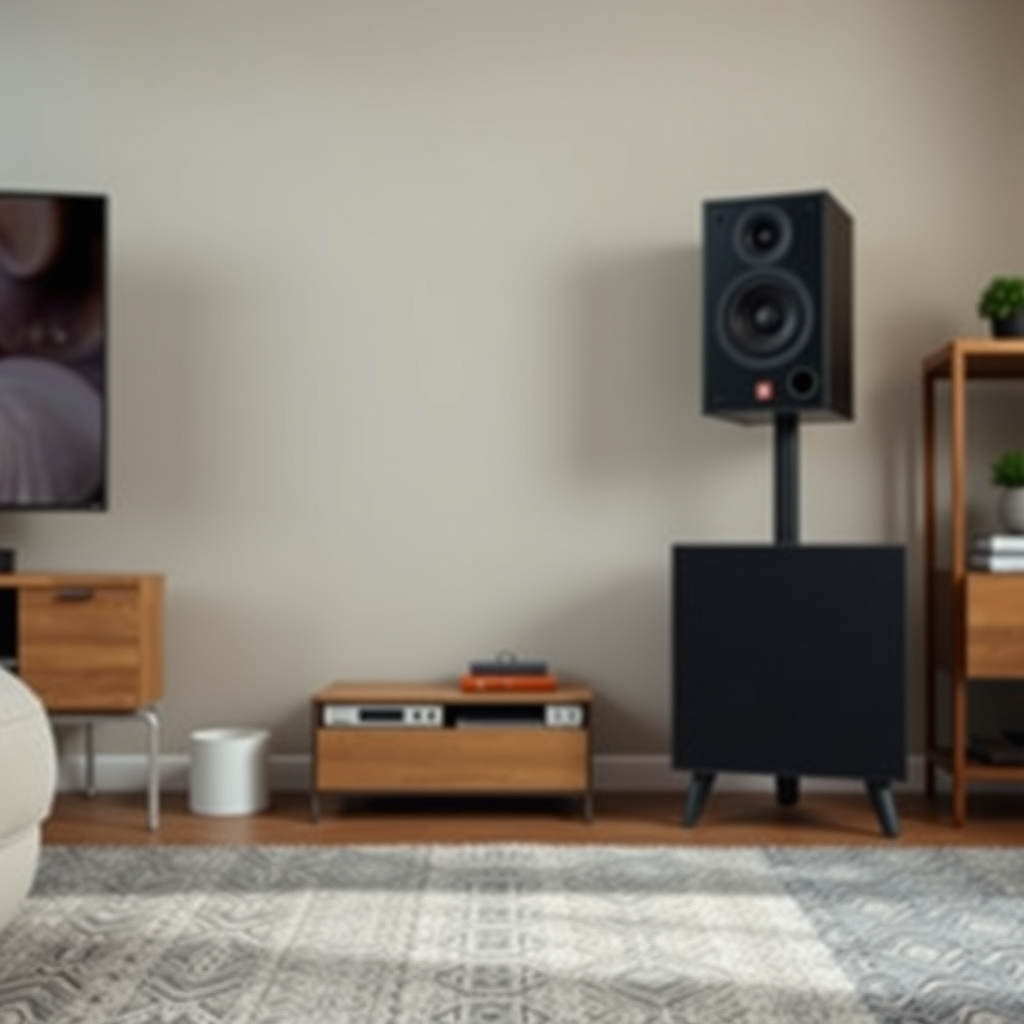
For optimal sound clarity, position your speakers at ear level when you are seated. This height allows the sound waves to travel directly to your ears without being obstructed or altered by other surfaces. Ideally, the tweeters—the part of the speaker that produces high frequencies—should align with your ears. This alignment ensures that you receive the most accurate representation of the audio being played.
Additionally, tilting the speakers slightly towards the listening area can enhance direct sound, further improving clarity. This angle helps to focus the sound waves on the listener, reducing the impact of reflections from walls and ceilings. The goal is to create a direct path for the audio signal, making it more engaging and immersive.
Creating the Ideal Listening Triangle
To achieve the best sound clarity, arrange your speakers and listening position in an equilateral triangle. This means that the distance between the two speakers should be equal to the distance from each speaker to your listening position. This setup ensures balanced sound distribution and provides a more accurate stereo image.
For example, if your speakers are placed 8 feet apart, your listening position should also be 8 feet from each speaker. This arrangement allows you to experience the full extent of stereo imaging, where sounds are perceived to come from specific locations between the speakers rather than from the speakers themselves.
Ideal Speaker Placement Metrics
| # | Speaker Position | Distance from Listener | Height from Floor | Angle Towards Listener |
|---|---|---|---|---|
| 1 | Left Speaker | 8 ft | 42 in | 10° |
| 2 | Right Speaker | 8 ft | 42 in | 10° |
| 3 | Subwoofer | 6 ft | 12 in | N/A |
| 4 | Surround Left | 10 ft | 36 in | 25° |
| 5 | Surround Right | 10 ft | 36 in | 25° |
| 6 | Center Speaker | 8 ft | 42 in | 0° |
Avoiding Common Speaker Placement Mistakes
Many individuals make common mistakes when it comes to speaker placement, which can detract from sound clarity. One of the most significant errors is placing speakers too close to walls or corners. This can lead to bass buildup, resulting in a boomy or muddy sound. To counter this, aim to position your speakers at least a few feet away from walls.
Additionally, avoid placing speakers on shelves or in enclosed spaces, as this can muffle sound and limit their performance. Instead, use dedicated speaker stands or wall mounts that allow for optimal placement. Ensuring your speakers are free from obstructions will allow them to perform at their best, providing clear and accurate sound.
Adjusting for Room Size and Shape
When setting up speakers, the size and shape of your room play a crucial role in determining optimal placement. Larger rooms may require more powerful speakers or a more complex setup, such as additional surround speakers for a fuller sound experience.
Asymmetrical rooms can pose unique challenges. In such spaces, you may need to experiment with speaker placement to achieve balanced sound. For instance, if one side of the room has a large window and the other has heavy drapes, the difference in acoustics may necessitate adjustments in speaker positioning to maintain sound clarity.
Experimenting with Speaker Position
Finding the perfect speaker placement often requires experimentation. Take the time to test different placements and listen critically to the changes in sound clarity. Use music with a wide frequency range, such as orchestral pieces or high-quality recordings, to evaluate the audio during adjustments.
By making small adjustments to speaker positions and assessing the impact on sound quality, you can determine the ideal setup for your specific room. Remember that even minor changes in angle or distance can lead to significant differences in your audio experience.
Impact of Speaker Placement on Sound Quality
Utilizing Sound Calibration Tools
Investing in sound measurement tools can greatly enhance your ability to analyze speaker performance and identify optimal placement. These tools can measure frequency response, room acoustics, and other critical factors that affect sound clarity.
Additionally, many modern receivers come equipped with automatic calibration features. These systems use built-in microphones to assess the acoustics of your room and adjust speaker settings accordingly. By utilizing these advanced tools, you can achieve a more accurate sound profile tailored to your specific environment, ensuring the best possible audio experience.
In conclusion, achieving optimal sound clarity through speaker placement requires careful consideration and experimentation. By positioning your speakers at ear level, creating an equilateral triangle with your listening position, and being mindful of room acoustics, you can dramatically enhance your audio experience. Avoid common mistakes, adjust for room size and shape, and utilize calibration tools to refine your setup. With these guidelines in mind, you can create an immersive sound environment that brings your music and movies to life.
Frequently Asked Questions
What is the best speaker placement for maximum sound clarity in a home theater?
The best speaker placement for maximum sound clarity in a home theater typically involves positioning the front speakers at ear level, forming an equilateral triangle with the listening position. Surround speakers should be placed slightly above ear level, ideally 2-3 feet higher, and at a 90 to 110-degree angle from the listening position. This arrangement enhances sound localization and creates an immersive audio experience.
How does the room shape affect speaker placement for optimal sound quality?
The shape of the room significantly impacts speaker placement and sound quality. Rectangular rooms often benefit from placing speakers along the longer walls to minimize sound reflections, while square rooms may require careful positioning to avoid phase cancellation. Additionally, considering room acoustics, such as furniture placement and surface materials, can help enhance clarity and reduce unwanted echoes.
Why is it important to avoid placing speakers too close to walls?
Placing speakers too close to walls can cause sound reflections that muddle audio clarity and create unwanted bass buildup, known as boundary interference. This can lead to a phenomenon called “boominess,” where low frequencies overwhelm the overall sound. Aiming for at least a foot of space between the speakers and walls can significantly improve sound clarity and balance.
Which speaker placement technique is best for achieving stereo imaging?
For achieving the best stereo imaging, the “Rule of Thirds” is an effective speaker placement technique. This involves positioning the speakers and the listening area to form an equilateral triangle, where the speakers are spaced apart and angled slightly inward towards the listener. This setup enhances the perception of directionality and depth in the soundstage, allowing for a more immersive listening experience.
How can I adjust my speaker placement to improve sound clarity in a small room?
To improve sound clarity in a small room, start by placing your speakers at least a foot away from walls and corners, and angle them towards the listening position. Use bookshelf or wall-mounted speakers to save space and consider incorporating acoustic panels to reduce reflections. Additionally, experiment with speaker height; elevating them to ear level while seated can also enhance clarity and improve the overall audio experience.
References
- Sound recording and reproduction
https://en.wikipedia.org/wiki/Sound_reproduction - https://www.nature.com/articles/s41598-018-30868-2
https://www.nature.com/articles/s41598-018-30868-2 - https://pubmed.ncbi.nlm.nih.gov/32118095/
https://pubmed.ncbi.nlm.nih.gov/32118095/ - https://www.sciencedirect.com/science/article/pii/S1877050918313436
https://www.sciencedirect.com/science/article/pii/S1877050918313436 - Google Scholar Google Scholar
https://scholar.google.com/scholar?q=Best+Speaker+Placement+for+Maximum+Sound+Clarity - Google Scholar Google Scholar
https://scholar.google.com/scholar?q=speaker+placement+sound+clarity - Google Scholar Google Scholar
https://scholar.google.com/scholar?q=speaker+positioning+acoustics - https://www.bbc.com/future/article/20200330-why-the-position-of-your-speakers-matters
https://www.bbc.com/future/article/20200330-why-the-position-of-your-speakers-matters - https://www.theguardian.com/music/2020/apr/06/how-to-set-up-your-speaker-system-for-better-sound
https://www.theguardian.com/music/2020/apr/06/how-to-set-up-your-speaker-system-for-better-sound - https://www.mayoclinic.org/healthy-lifestyle/adult-health/in-depth/hearing-loss/art-20044263
https://www.mayoclinic.org/healthy-lifestyle/adult-health/in-depth/hearing-loss/art-20044263