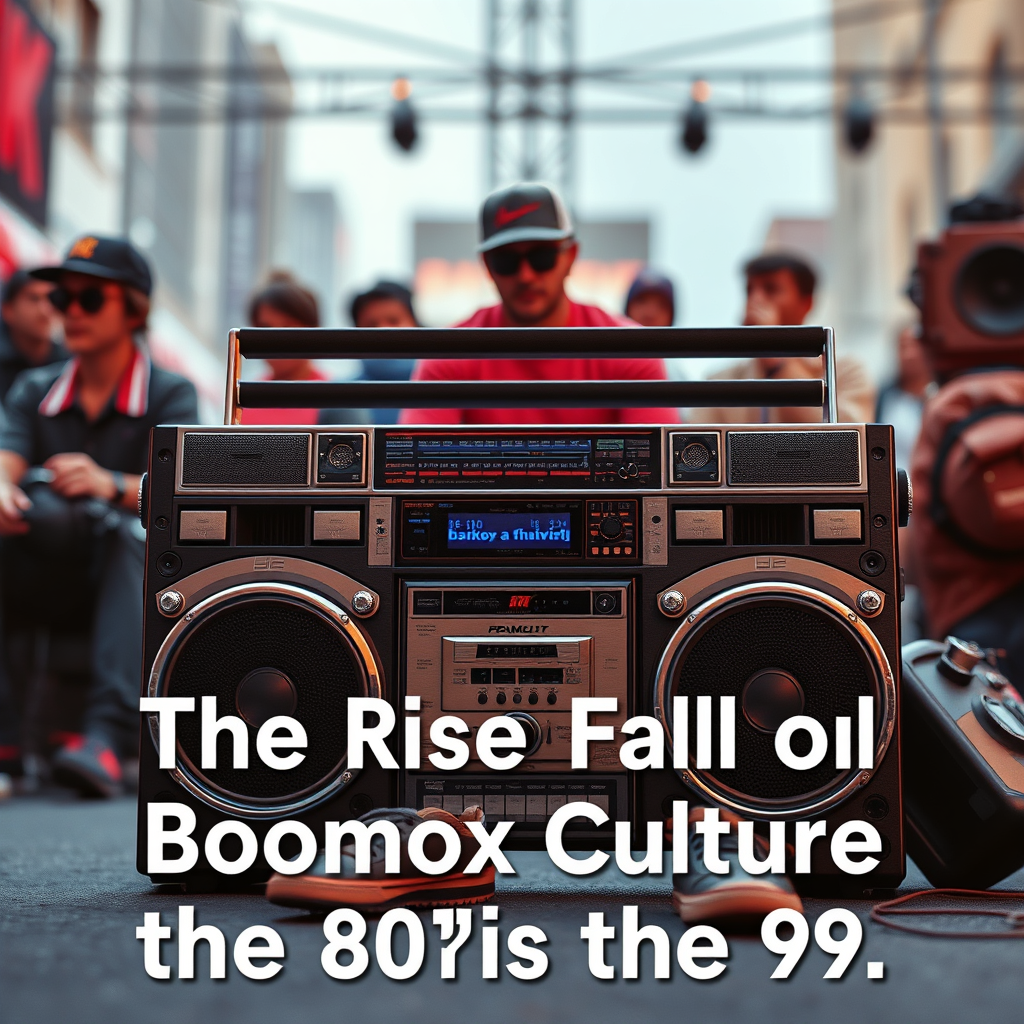
The boombox culture of the 80s and 90s was a vibrant expression of urban youth, defined by its powerful sound and portability. This cultural phenomenon not only revolutionized music consumption but also redefined social interactions in urban settings. The boombox became a symbol of self-expression, creativity, and community, particularly within the burgeoning hip-hop scene. In this article, we’ll delve into the origins, peak, and eventual decline of boombox culture, highlighting its significant impact on music and society.




The Origins of Boombox Culture
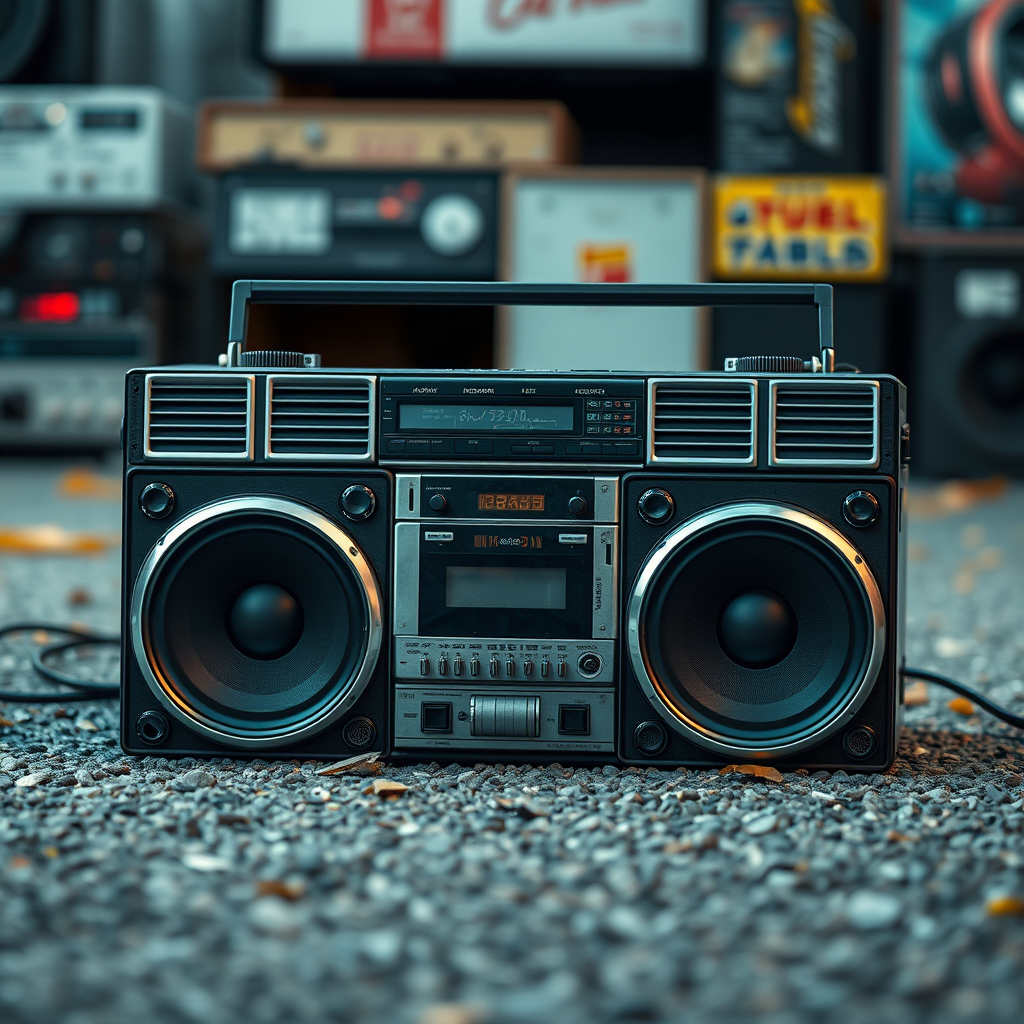
The genesis of boombox culture can be traced back to the late 1970s when portable cassette players, known colloquially as boomboxes, began to proliferate in urban neighborhoods. These devices were not merely music players; they were a means of asserting identity and community among youth, particularly in cities like New York, Los Angeles, and Chicago. The boombox allowed individuals to carry their music wherever they went, facilitating impromptu gatherings and street performances.
The rise of hip-hop during this period played a crucial role in the popularity of boomboxes. Artists and DJs like Kool Herc and Afrika Bambaataa harnessed the power of these devices to amplify their music on the streets, bringing the sounds of funk, soul, and rap to wider audiences. The portability of the boombox allowed DJs to set up and perform in public spaces, turning sidewalks and parks into dance floors. This unique blend of technology and culture laid the groundwork for a vibrant urban music scene that would soon take the world by storm.
The Peak of Boombox Popularity
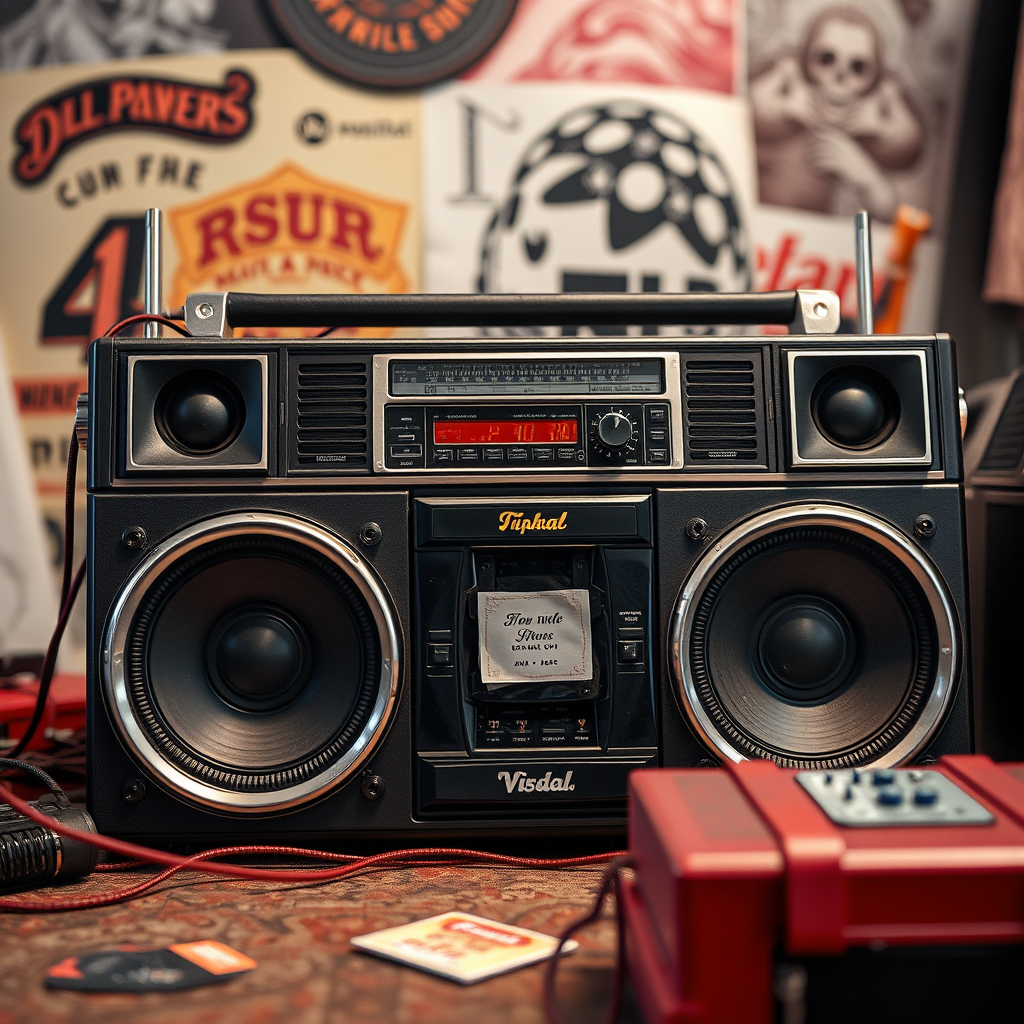
The boombox reached the height of its cultural significance in the 1980s and 90s. It became a staple at block parties, hip-hop concerts, and street performances, where the powerful sound and visual appeal of these devices attracted crowds. Artists like Run-D.M.C., Public Enemy, and LL Cool J were not just musicians; they were cultural icons who represented the voice of a generation. Their songs often celebrated the boombox as an integral part of the hip-hop lifestyle, further embedding it into the fabric of urban culture.
During this era, boomboxes were featured prominently in music videos, films, and advertisements, showcasing their role as cultural symbols. The music being played was often a reflection of societal issues, personal experiences, and the struggles of urban life, allowing listeners to connect on a deeper level. Collectively, these experiences created a sense of community, as people gathered around boomboxes to dance, share stories, and express themselves creatively.
Boomboxes as Cultural Symbols
Boomboxes transcended their function as mere music players; they became powerful symbols of rebellion, youth identity, and cultural expression during the 80s and 90s. For many young people, owning a boombox was a rite of passage, representing freedom and individuality. The device became a canvas for personal expression, often adorned with stickers and graffiti that showcased one’s personality and affiliations.
The versatility of the boombox also reflected the diversity of music genres that were emerging during this time. From hip-hop and R&B to punk rock and reggae, the boombox was a vessel for various musical styles, which influenced fashion trends and lifestyle choices. The street style of the time—baggy pants, oversized jackets, and bold accessories—was often inspired by the artists who utilized boomboxes, creating a lasting cultural impact that is still felt today.
Top 7 Boombox Models of the 80s and 90s
| # | Model | Year Released | Sound Output (Watts) | Special Features |
|---|---|---|---|---|
| 1 | Sony CFD-550 | 1988 | 10 | Dual Tape Deck |
| 2 | Panasonic RX-5020 | 1990 | 15 | Auto Reverse |
| 3 | JVC RC-M90 | 1985 | 20 | Digital Tuner |
| 4 | Sanyo M9980K | 1988 | 12 | Graphic Equalizer |
| 5 | Sharp GF-777 | 1986 | 15 | Mic Input |
| 6 | Sony CFS-9000 | 1991 | 30 | CD Player |
| 7 | Toshiba RT-SX1 | 1992 | 18 | Stereo Sound |
Cultural Impact of Boomboxes in the 80s and 90s
The Technological Shift
As technology advanced in the late 1990s and early 2000s, the boombox began to decline in popularity. The introduction of more compact music devices such as CD players, portable MP3 players, and eventually smartphones altered music consumption habits significantly. These new devices offered greater convenience, improved sound quality, and a wider variety of music options, which contributed to the gradual fading of the boombox as a cultural icon.
The rise of digital music platforms and streaming services meant that music was no longer confined to physical formats. This shift not only changed how music was consumed but also how it was shared. The communal, street-level interactions that boomboxes facilitated were replaced by virtual connections, leading to a different kind of cultural exchange that lacked the immediacy and vibrancy of earlier decades. The boombox, once the centerpiece of social gatherings, became obsolete as personal headphones and discreet devices took its place.
Societal Impact and Legacy
Despite its decline, the societal impact of boombox culture remains significant. The boombox was instrumental in shaping urban communities and social movements during its peak. It served as a tool for expression, allowing marginalized voices to be heard and fostering a sense of belonging among youth. The boombox became synonymous with the fight for social justice and equality, often accompanying protests and demonstrations as a means to amplify messages and rally support.
The legacy of boombox culture is also evident in contemporary music. Many artists today draw inspiration from the aesthetics and sounds of this era, incorporating boombox imagery and themes into their work. This nostalgic revival speaks to the enduring impact of the boombox as a symbol of creativity, resistance, and cultural identity.
The Revival of Nostalgia
In recent years, there has been a resurgence of interest in boombox culture, driven by a wave of nostalgia for the past. Vintage appreciation has led to the revival of boomboxes in various forms, whether through retro music events, art installations, or modern reinterpretations of the device. Many contemporary artists, DJs, and musicians are embracing boombox imagery and sounds, blending them with modern styles to create a unique fusion of past and present.
This revival is not just about nostalgia; it represents a cultural reconnection with the values of community, creativity, and self-expression that defined the boombox era. As modern technology continues to evolve, the spirit of the boombox—its ability to bring people together through music and shared experiences—remains relevant. The boombox is no longer just a music player; it is a cultural artifact that continues to inspire new generations.
The boombox culture of the 80s and 90s was a vibrant part of music history that transformed social interactions and fashion. Understanding its rise and fall helps us appreciate the cultural shifts that continue to influence today’s music scene. Explore retro music events, engage with communities celebrating this era, and consider how the spirit of the boombox lives on in today’s digital age.
Frequently Asked Questions
What were the key factors that contributed to the rise of boombox culture in the 80s and 90s?
The rise of boombox culture in the 80s and 90s was fueled by the popularity of hip-hop music, street culture, and urban lifestyles. The portability and powerful sound of boomboxes allowed people to share music in public spaces, creating a communal experience. Additionally, the advent of cassette tapes made music more accessible, and boomboxes became symbols of youth rebellion and creativity.
How did boombox culture influence music and fashion trends during its peak?
Boombox culture significantly influenced both music and fashion trends, as it popularized genres like hip-hop and rap, leading to the emergence of iconic artists and styles. Fashion became more expressive, with baggy clothing, sneakers, and accessories becoming staples in youth culture. The visual presence of boomboxes in music videos and streetwear further cemented their role as a cultural symbol.
Why did boombox culture decline in the late 90s and early 2000s?
The decline of boombox culture in the late 90s and early 2000s can be attributed to technological advancements such as the rise of portable CD players and MP3 technology, which offered better sound quality and convenience. Additionally, changes in music consumption patterns, with the advent of digital downloads and streaming services, diminished the need for large, portable stereo systems. Urban environments also evolved, leading to different social dynamics that shifted away from public music gatherings.
What are the best examples of iconic boombox brands from the 80s and 90s?
Some of the best examples of iconic boombox brands from the 80s and 90s include Sony, Panasonic, and JVC. Sony’s Walkman series revolutionized portable music, while Panasonic’s RX series became synonymous with street culture. These brands created powerful, stylish devices that not only delivered high-quality sound but also became cultural icons represented in music videos and urban art.
Which artists and songs are most closely associated with boombox culture?
Artists like Run-D.M.C., Public Enemy, and Beastie Boys are most closely associated with boombox culture, often featuring them prominently in their music and videos. Songs like “Fight the Power” and “License to Ill” epitomized the spirit of the era, showcasing the boombox as a tool for self-expression and social commentary. These artists helped solidify the boombox’s role in the hip-hop genre, influencing countless musicians and fans alike.
References
- Boombox
https://en.wikipedia.org/wiki/Boombox - https://www.bbc.com/culture/article/20191106-the-boombox-the-soundtrack-to-80s-and-90s-street-culture
https://www.bbc.com/culture/article/20191106-the-boombox-the-soundtrack-to-80s-and-90s-street-culture - https://www.theguardian.com/music/2017/aug/09/the-boombox-the-80s-90s-culture-legacy
https://www.theguardian.com/music/2017/aug/09/the-boombox-the-80s-90s-culture-legacy - https://www.nytimes.com/2019/08/07/arts/music/boombox-history.html
https://www.nytimes.com/2019/08/07/arts/music/boombox-history.html - https://www.reuters.com/article/us-usa-boombox-idUSKCN1VY1FZ
https://www.reuters.com/article/us-usa-boombox-idUSKCN1VY1FZ - https://www.sciencedirect.com/science/article/pii/S1877042815034047
https://www.sciencedirect.com/science/article/pii/S1877042815034047 - Google Scholar Google Scholar
https://scholar.google.com/scholar?q=Boombox+Culture+1980s+1990s - Google Scholar Google Scholar
https://scholar.google.com/scholar?q=History+of+Boomboxes+in+Hip-Hop - Google Scholar Google Scholar
https://scholar.google.com/scholar?q=1980s+90s+Urban+Music+Culture+Boomboxes - https://pubmed.ncbi.nlm.nih.gov/32765283/
https://pubmed.ncbi.nlm.nih.gov/32765283/