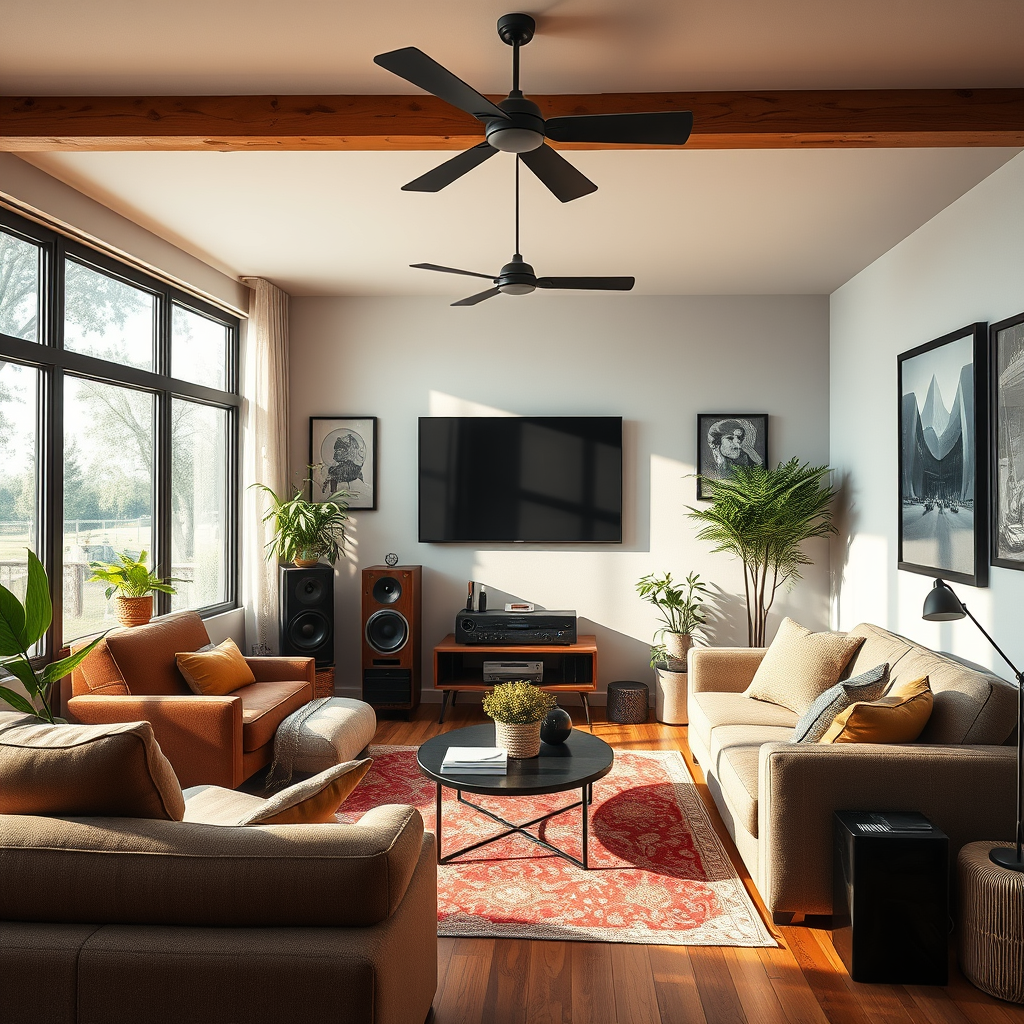

Using vintage audio gear with modern home theaters is not only possible but can also enhance your listening experience. By integrating classic components with current technology, you can achieve a unique sound profile that blends nostalgia with modern capabilities. This article will guide you through the steps and considerations for successfully setting up your vintage audio equipment alongside your contemporary home theater system.
Understanding Your Vintage Equipment
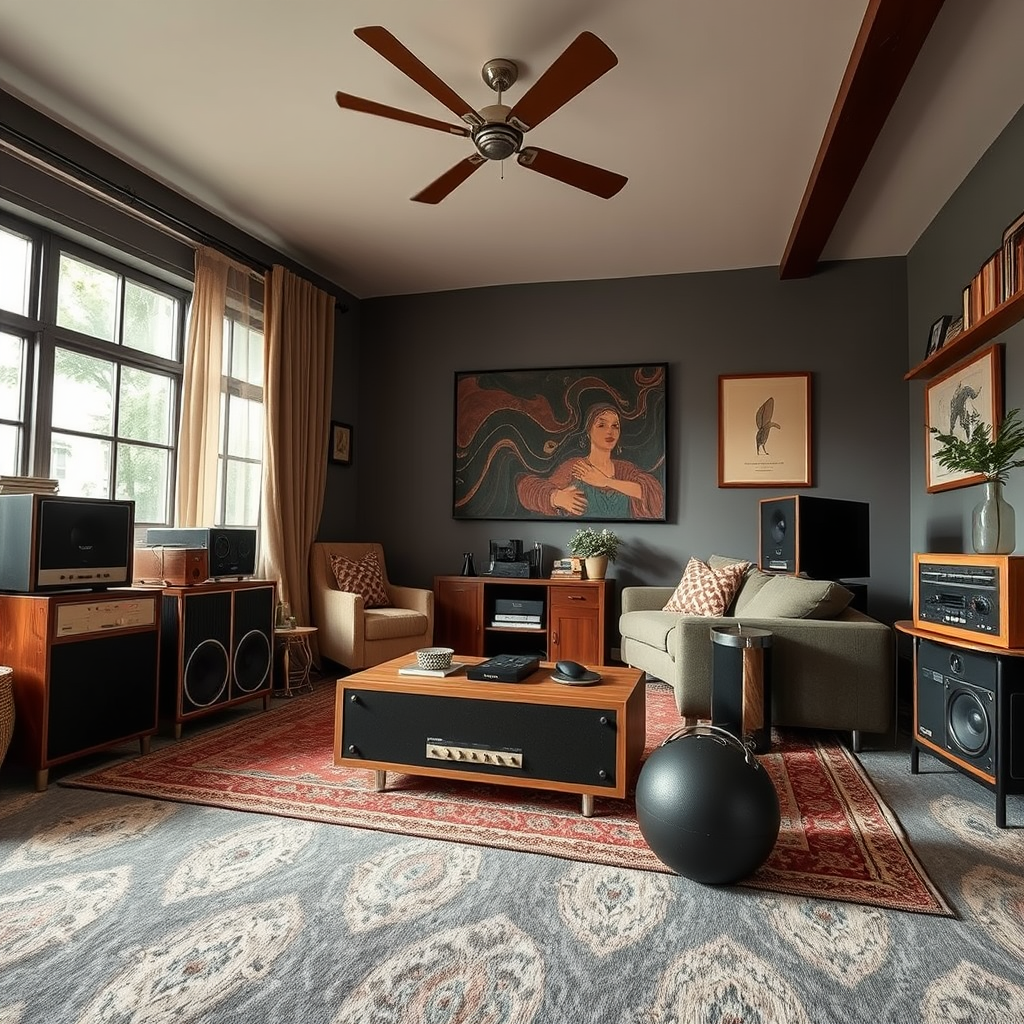
To make the most of your vintage audio gear, begin by identifying the specific components you have. Common items include speakers, amplifiers, receivers, and turntables. Each of these elements plays a crucial role in the overall sound system. For instance, vintage speakers, known for their warm sound and rich bass, can add depth to your modern audio setup.
Next, familiarize yourself with the specifications of your vintage equipment. Key aspects to consider are the power ratings, impedance, and connectivity options. For example, many vintage amplifiers may operate at an impedance of 8 ohms, while newer models often range from 4 to 8 ohms. Understanding these specifications ensures that you can achieve optimal compatibility and performance, avoiding potential damage to either your vintage or modern components.
Assessing Compatibility with Modern Systems
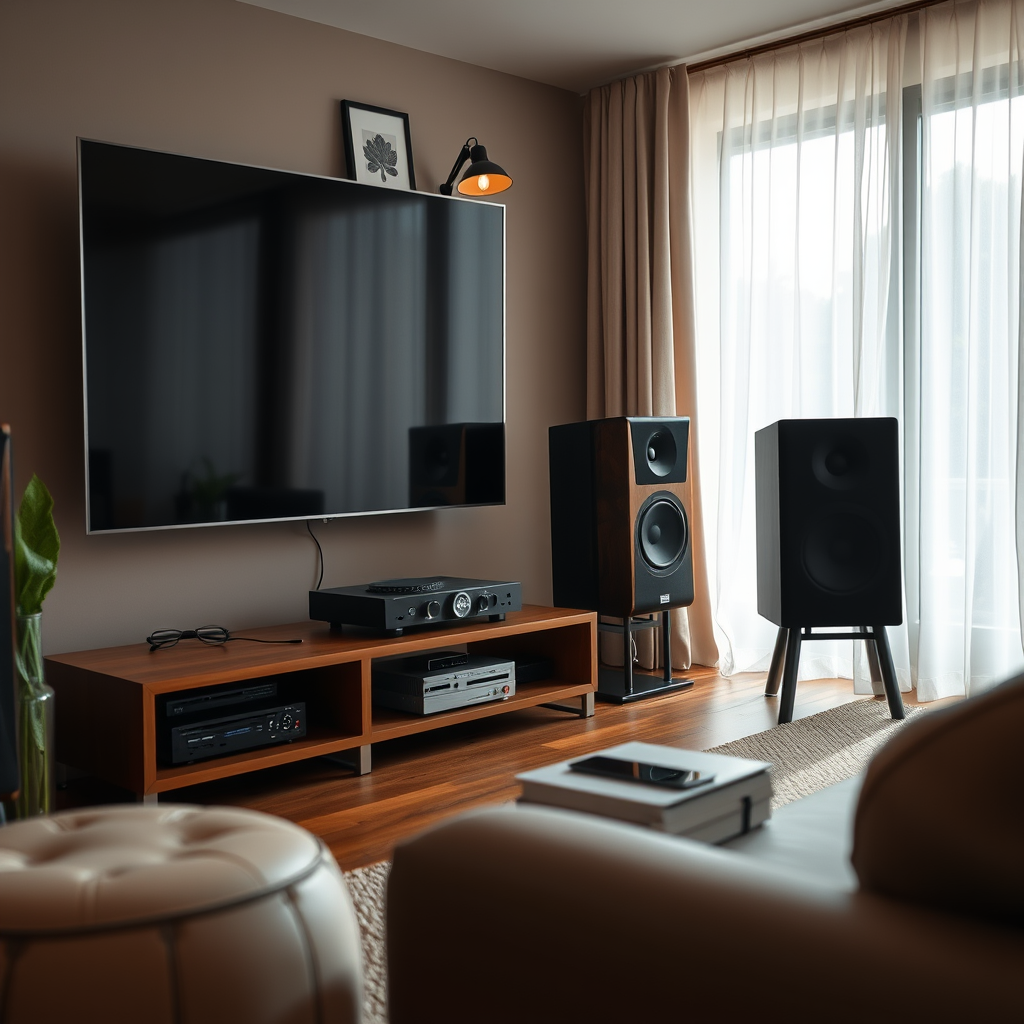
When integrating vintage audio gear with modern systems, compatibility is paramount. Start by checking the input and output options available on both your vintage and modern devices. Most modern home theaters use HDMI for video and audio signals, while vintage gear often utilizes RCA connectors. This discrepancy necessitates careful planning for connections.
If your vintage equipment lacks the necessary ports, consider using adapters to bridge the gap between old and new technologies. For example, RCA to HDMI converters allow you to connect vintage components to modern televisions or receivers. Additionally, many audio interfaces and DACs (Digital-to-Analog Converters) can facilitate connections, enabling high-quality audio transfer from digital formats to analog gear.
Setting Up Your Vintage Gear
Once compatibility is confirmed, the next step is setting up your vintage gear. Optimal placement is essential for maximizing sound quality. Consider the acoustics of your room; place speakers away from walls and corners to minimize unwanted reflections and enhance clarity. Vintage speakers often perform best when elevated, so consider using stands for ideal sound projection.
When connecting your vintage gear, ensure all connections are secure to prevent damage to both your vintage and modern components. Take care with speaker wire connections; use high-quality cables and avoid fraying or loose connections. Furthermore, double-check the power requirements to prevent overloading your vintage gear, which could shorten its lifespan.
Top Vintage Audio Brands and Their Key Features (2024)
| # | Brand | Type | Power (W) | Impedance (Ω) | Connectivity |
|---|---|---|---|---|---|
| 1 | Marantz | Receiver | 100 | 8 | RCA |
| 2 | Pioneer | Amplifier | 80 | 8 | RCA |
| 3 | Sansui | Speaker | 60 | 8 | RCA |
| 4 | Technics | Turntable | 50 | 8 | RCA |
| 5 | Sony | Receiver | 120 | 8 | RCA |
| 6 | Akai | Cassette Deck | 45 | 8 | RCA |
| 7 | Bose | Speaker | 70 | 8 | RCA |
Fine-Tuning the Sound
Once your vintage gear is set up, the next step is to fine-tune the sound. Start by balancing the levels between your vintage and modern components. Adjust the volume and equalizer settings on both systems to achieve the desired sound profile. Many modern receivers come with automatic calibration features that can assist in balancing the audio levels across different speaker types.
Additionally, don’t be afraid to experiment with settings. Vintage gear often has a distinct sound signature, so tweaking the equalizer settings can help you find a harmonious balance between the warmth of the vintage components and the clarity of modern technology. It’s advisable to listen to a variety of music genres to determine which settings work best for your preferences.
Vintage Amplifier Power Ratings Comparison
Maintaining Your Vintage Audio Gear
To ensure your vintage audio gear remains in optimal condition, regular maintenance is essential. Start with routine cleaning. Dust and dirt can accumulate on both the exterior and interior components, affecting performance and longevity. Use a soft, dry cloth to clean surfaces and consider using compressed air to clear out dust from vents and crevices.
Additionally, consider scheduling professional servicing for older components. Many vintage audio pieces may require periodic calibration or repairs due to wear and tear over time. A qualified technician can assess the condition of your equipment, replace any worn-out parts, and ensure that your vintage gear operates at its best.
Enhancing Your Listening Experience
To fully appreciate the capabilities of your vintage audio gear, explore integrating vintage media sources like vinyl records or cassette tapes into your setup. These formats provide an authentic audio experience, often characterized by warmth and depth that digital formats may not replicate. Consider investing in a quality turntable to complement your vintage speakers and amplifiers.
Moreover, curate a diverse playlist that blends modern digital music with classic tracks. This not only showcases the unique characteristics of your vintage gear but also offers a richer listening atmosphere. Experiment with different genres to discover how your audio setup performs with various sound profiles, ultimately enhancing your overall experience.
In summary, using vintage audio gear with modern home theaters allows for a unique blend of nostalgia and cutting-edge technology. With the right knowledge and careful integration, you can create a distinctive sound experience that pays homage to classic audio while enjoying today’s advancements. Start experimenting with your vintage gear today to discover the potential of your home theater system!
Frequently Asked Questions
How can I connect vintage audio gear to my modern home theater system?
To connect vintage audio gear to your modern home theater system, you will typically need RCA to 3.5mm adapters or AV receivers that support older connections. Additionally, ensure that your vintage equipment is compatible with the audio formats your home theater system uses. You may also need to adjust settings on your AV receiver to properly integrate the vintage components.
What are the challenges of using vintage audio equipment with contemporary technology?
The challenges of using vintage audio equipment with contemporary technology include compatibility issues, such as different audio formats and connection types. Additionally, vintage gear may lack the advanced features found in modern devices, such as digital inputs or surround sound capabilities. Users may also encounter maintenance issues, as older equipment can require repairs or replacement parts.
Why should I consider using vintage audio gear in my home theater setup?
Using vintage audio gear in your home theater setup can provide a unique sound quality that many enthusiasts appreciate for its warmth and character. Vintage components often feature superior build quality and craftsmanship compared to some modern equivalents. Furthermore, incorporating vintage gear can add a distinctive aesthetic appeal, enhancing the overall ambiance of your home theater.
Which vintage audio brands are best suited for home theater integration?
Brands like Marantz, Pioneer, and Sansui are highly regarded for their vintage audio equipment and can be effectively integrated into modern home theaters. These brands are known for their durable construction and excellent sound quality. When choosing vintage gear, look for models with good reviews and ensure they have the necessary output options to connect with your current setup.
How do I maintain my vintage audio equipment to ensure optimal performance with my home theater?
To maintain your vintage audio equipment for optimal performance, regularly clean the connections and components to prevent dust buildup, which can affect sound quality. Additionally, check for any worn-out parts, such as capacitors or belts, and replace them as needed. Keeping your gear in a stable environment, away from extreme temperatures and humidity, will also help prolong its lifespan and performance.
References
- https://en.wikipedia.org/wiki/Vintage_audio
https://en.wikipedia.org/wiki/Vintage_audio - Google Scholar Google Scholar
https://scholar.google.com/scholar?q=Using+vintage+audio+gear+with+modern+home+theaters - https://www.nytimes.com/2020/09/18/technology/vintage-audio-equipment.html
https://www.nytimes.com/2020/09/18/technology/vintage-audio-equipment.html - Google Scholar Google Scholar
https://scholar.google.com/scholar?q=Integrating+vintage+audio+equipment+in+modern+systems - https://www.bbc.com/culture/article/20190306-the-vintage-gear-revolution
https://www.bbc.com/culture/article/20190306-the-vintage-gear-revolution - https://www.theguardian.com/music/2021/jul/22/vintage-audio-gear-modern-sound
https://www.theguardian.com/music/2021/jul/22/vintage-audio-gear-modern-sound - https://www.sciencedirect.com/science/article/pii/S187705091931477X
https://www.sciencedirect.com/science/article/pii/S187705091931477X - https://www.pubmed.ncbi.nlm.nih.gov/27047121/
https://www.pubmed.ncbi.nlm.nih.gov/27047121/ - Google Scholar Google Scholar
https://scholar.google.com/scholar?q=Vintage+audio+gear+modern+home+theater+integration - Google Scholar Google Scholar
https://scholar.google.com/scholar?q=How+to+Use+Vintage+Audio+Gear+with+Modern+Home+Theaters