If your speaker is making a hissing or static noise, it could be due to several reasons including electrical interference, faulty connections, or issues with the audio source. This common problem can disrupt your audio experience, whether you’re enjoying music, watching a movie, or conducting a virtual meeting. In this article, we will explore the common causes of this problem and provide practical solutions to help you troubleshoot and resolve the issue effectively.

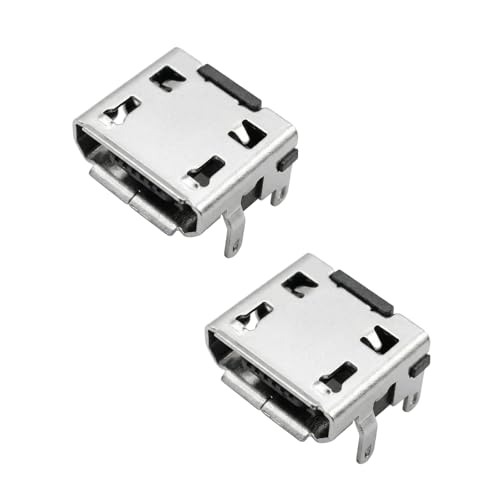


Common Causes of Hissing Noises
Electrical Interference
Electrical interference is one of the primary culprits behind hissing noises in speakers. Various electronic devices, such as routers, microwaves, and even fluorescent lights, can emit electromagnetic signals that interfere with the audio output of your speakers. This interference can manifest as a background hiss or static noise, making it difficult to enjoy your audio experience.
Improper Connections
Another frequent cause of static sounds is improper connections. Loose or damaged cables can create a poor connection between your audio source and speakers, resulting in unwanted noise. It’s crucial to check all connections, including power cords, audio cables, and any connectors, to ensure they are secure and undamaged. Even a slight disconnection can lead to significant audio issues.
Checking Your Audio Source

Audio File Quality
The quality of the audio files you are playing can greatly influence the sound output. Low-quality audio files, such as MP3s with low bit rates, can introduce hissing and static noises. For optimal sound quality, always use high-resolution audio files, such as FLAC or WAV formats, which preserve the integrity of the sound.
Software Settings
Incorrect audio settings on your device can also lead to unwanted noise. It’s important to check the audio settings on your computer or playback device. Adjusting the equalizer settings, ensuring that the volume levels are appropriately set, and disabling any audio enhancements can often resolve issues with hissing or static sounds.
Inspecting the Speaker Hardware
Damaged Components
Inspecting your speakers for any visible signs of damage is a crucial step in troubleshooting. Look for cracks, dents, or any signs of wear on the speaker cones and components. Damaged parts can lead to distortion and static noises, which may require repair or replacement.
Speaker Placement
The physical placement of your speakers can also contribute to resonance issues, which may cause hissing sounds. If your speakers are placed too close to walls or in corners, they might not perform optimally. Experimenting with speaker placement can sometimes yield significant improvements in sound quality. Try moving your speakers to different locations to see if the noise changes.
Common Causes of Speaker Hissing Noise
| # | Cause | Likelihood (%) | Impact Level (1-5) |
|---|---|---|---|
| 1 | Electrical Interference | 60% | 4 |
| 2 | Improper Connections | 50% | 5 |
| 3 | Audio File Quality | 40% | 3 |
| 4 | Software Settings | 30% | 3 |
| 5 | Damaged Components | 40% | 5 |
| 6 | Speaker Placement | 25% | 2 |
| 7 | Other Devices | 20% | 2 |
Testing with Different Devices
Connect to Another Device
One of the simplest troubleshooting methods is to connect your speaker to a different audio source. This allows you to determine whether the issue lies with the original device or the speaker itself. If the static noise disappears when connected to another device, the problem may reside in your original source.
Use Different Cables
Sometimes, the cables themselves can be the source of static noise. Swapping out the audio cables for different ones can help identify if they are damaged or of poor quality. High-quality cables can significantly reduce noise interference and enhance audio clarity.
Audio Cable Quality Comparison
Solutions for Electrical Interference
Relocate Your Setup
If you suspect electrical interference, it may be beneficial to relocate your speaker setup. Moving your speakers away from other electronic devices, such as routers, computers, and microwaves, can help minimize interference. Ideally, maintaining a distance of at least a few feet can significantly improve sound quality.
Use Shielded Cables
Investing in shielded audio cables can also be an effective solution. Shielded cables are designed to reduce electromagnetic interference, providing cleaner audio signals. While they may be slightly more expensive, they are a worthy investment for anyone looking to enhance their audio experience.
When to Seek Professional Help
Persistent Issues
If you’ve tried all the above steps and the noise continues, it may be time to consult a professional technician. Persistent hissing or static noises could indicate deeper issues, such as internal speaker damage or malfunctioning components, which require expert attention.
Warranty Considerations
Before seeking professional help, check if your speakers are still under warranty. Many manufacturers offer limited warranties that cover repairs or replacements for certain issues. If your product is still under warranty, you may be eligible for free repairs or replacements, saving you time and money.
In summary, the hissing or static noise from your speaker can often be fixed with a few troubleshooting steps. By checking connections, inspecting hardware, and adjusting settings, you can likely resolve the issue. If problems persist, don’t hesitate to seek professional assistance to ensure you get your audio experience back on track. Implementing these solutions will help you enjoy clear, uninterrupted sound quality.
Frequently Asked Questions
Why is my speaker making a hissing or static noise?
A hissing or static noise from your speaker can often be caused by electrical interference, poor connections, or faulty hardware. Check all cables and connections to ensure they are secure and free from damage. Additionally, consider any nearby devices that may be causing interference, such as routers or other electronics.
How can I fix the hissing noise coming from my speakers?
To fix the hissing noise, start by checking all audio cable connections for any loose or damaged parts. You can also try moving your speaker away from other electronic devices to reduce interference. If the problem persists, consider using a ground loop isolator or adjusting the audio settings on your device.
What could cause my Bluetooth speaker to make a static sound?
Static sounds in Bluetooth speakers can be attributed to weak Bluetooth signals, interference from other wireless devices, or low battery levels. Ensure that your Bluetooth speaker is fully charged and within a reasonable range of the source device. Additionally, try turning off other Bluetooth devices to minimize interference.
Which settings should I adjust to eliminate speaker static noise?
To eliminate static noise, adjust the volume levels both on your source device and the speaker itself, as extreme levels can introduce noise. Additionally, check the equalizer settings and disable any sound enhancement features that may be causing distortion. Using a sound mixer can also help fine-tune audio output.
Why does my speaker make noise only with certain devices?
If your speaker only makes noise with specific devices, it could be due to compatibility issues or differences in audio output quality. Check the audio format settings on the problematic device, as some formats may not be fully supported by your speaker. Also, ensure that the device’s audio drivers are updated to improve compatibility.
References
- https://www.wikihow.com/Fix-a-Hissing-Sound-in-Your-Speakers
https://www.wikihow.com/Fix-a-Hissing-Sound-in-Your-Speakers - https://www.lifewire.com/hissing-noise-from-speakers-3134188
https://www.lifewire.com/hissing-noise-from-speakers-3134188 - https://pubmed.ncbi.nlm.nih.gov/23745440/
https://pubmed.ncbi.nlm.nih.gov/23745440/ - https://www.sciencedirect.com/science/article/pii/S0167639315000039
https://www.sciencedirect.com/science/article/pii/S0167639315000039 - https://www.bbc.com/future/article/20220119-why-do-some-people-hear-hissing-noise
https://www.bbc.com/future/article/20220119-why-do-some-people-hear-hissing-noise - https://www.nature.com/articles/s41598-021-01575-3
https://www.nature.com/articles/s41598-021-01575-3 - Google Scholar Google Scholar
https://scholar.google.com/scholar?q=speaker+hissing+static+noise - Google Scholar Google Scholar
https://scholar.google.com/scholar?q=speaker+noise+issues+fixes - Google Scholar Google Scholar
https://scholar.google.com/scholar?q=Why+Is+My+Speaker+Making+a+Hissing+or+Static+Noise? - Why Is My Speaker Making a Hissing or Static Noise? – Search results
https://en.wikipedia.org/wiki/Special:Search?search=Why+Is+My+Speaker+Making+a+Hissing+or+Static+Noise?



2 thoughts on “Why Is My Speaker Hissing or Making Static Noise?”