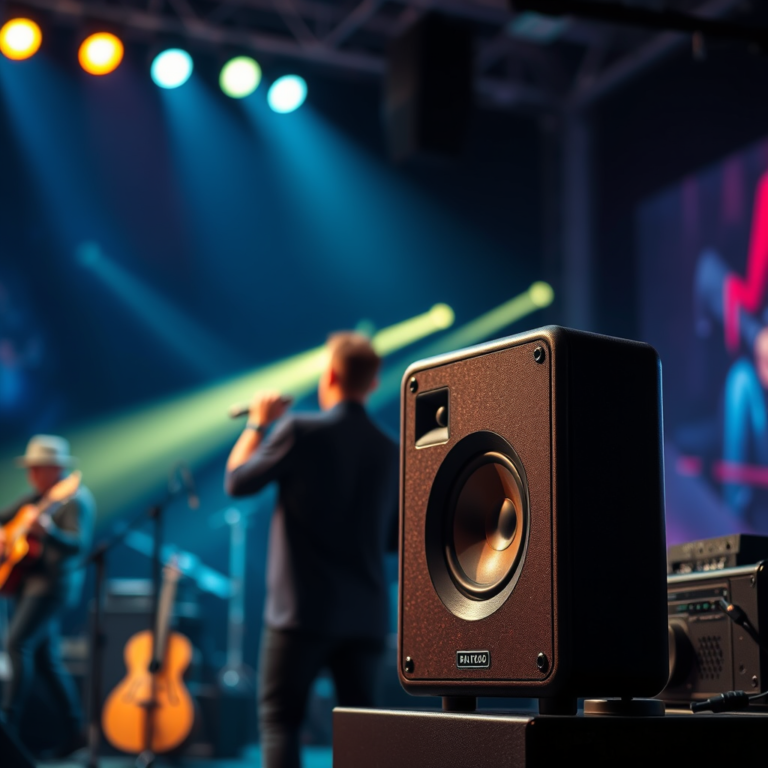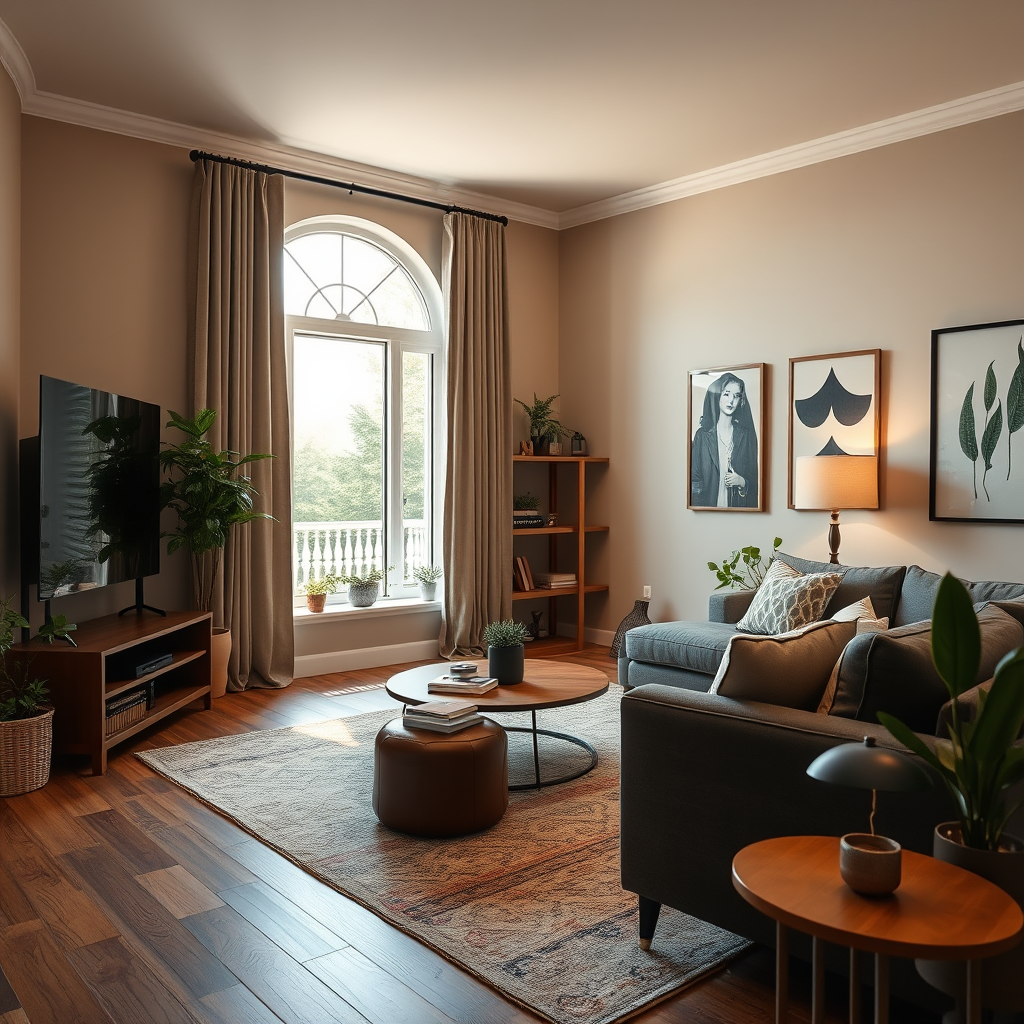

To achieve the best sound quality from your Polk home theater speakers, proper placement is essential. Incorrect positioning can lead to muddied audio, diminished clarity, and a subpar listening experience. Fortunately, with some thoughtful adjustments, you can significantly enhance your audio environment. This article will guide you through the common issues associated with speaker placement and offer practical solutions to rectify them.
Understanding Speaker Placement Basics
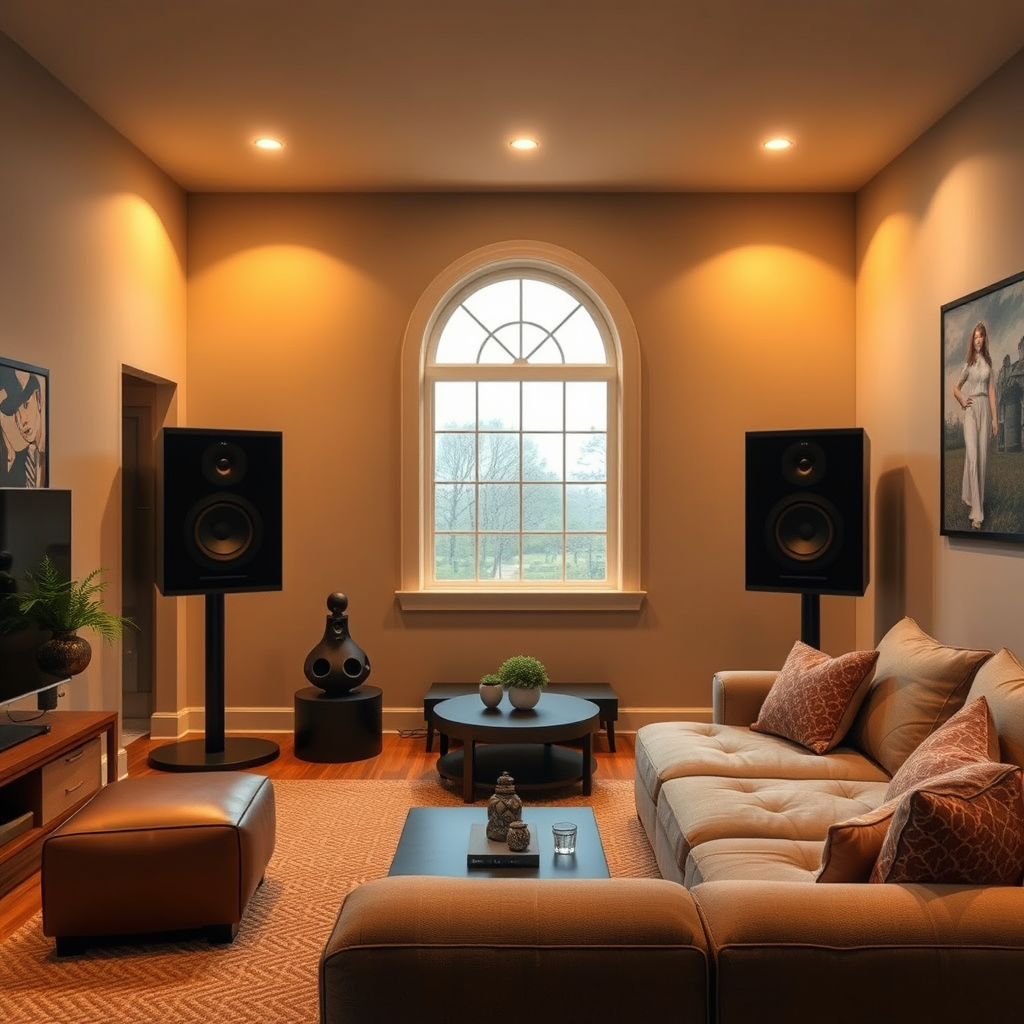
The foundation of an optimal home theater system starts with understanding speaker placement basics. The positioning of your speakers can dramatically influence sound quality, and there are two critical points to consider.
– Key Point 1: For stereo sound, speakers should be positioned at least 3-6 feet apart. This distance allows for proper sound dispersion and imaging, creating a more immersive listening experience. When speakers are too close together, sound waves may interfere with each other, leading to a less defined soundstage.
– Key Point 2: Positioning speakers at ear level is vital for achieving the best audio clarity. Ideally, the tweeters (the high-frequency drivers in the speakers) should align with the listener’s ears when seated. This ensures that the sound reaches your ears directly without obstruction, enhancing clarity and detail.
Common Placement Issues
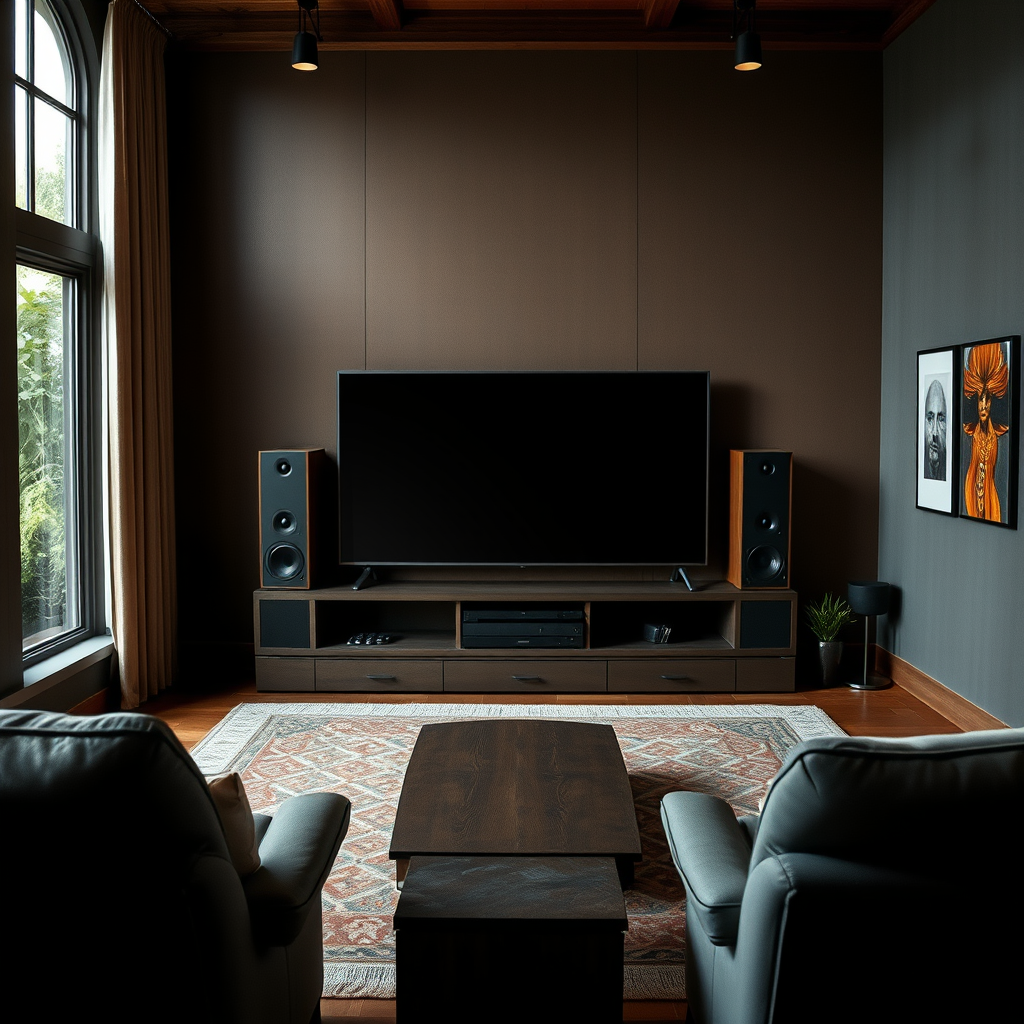
Even with a solid understanding of the basics, various common placement issues can still arise, affecting your home theater’s performance.
– Key Point 1: Speakers placed too close to walls can lead to unwanted reflections, resulting in muddiness or a lack of clarity in sound. When sound waves bounce off walls, they can interfere with direct sound, causing phase issues and altering the tonal balance.
– Key Point 2: Mismatched speaker heights create an imbalanced sound stage. If one speaker is significantly higher or lower than the other, it can lead to audio that feels skewed to one side, diminishing the immersive experience that a home theater aims to provide.
Solutions for Wall Proximity
To counter the issues associated with speakers being too close to walls, consider these solutions:
– Key Point 1: Using sound-absorbing materials can mitigate reflections from walls. Acoustic panels, curtains, and rugs can help absorb sound waves, reducing echoes and improving overall clarity. These materials can be strategically placed around your listening area to enhance sound quality.
– Key Point 2: Experiment with speaker placement by moving them at least 2-3 feet away from walls. This distance allows sound waves to disperse more freely, reducing the likelihood of unwanted reflections and enhancing the overall sound stage.
Common Issues with Speaker Placement
| # | Issue | Impact on Sound | Solution |
|---|---|---|---|
| 1 | Too Close to Walls | Muddied Sound | Move 2-3 Feet Away |
| 2 | Mismatched Heights | Imbalanced Sound | Adjust Heights |
| 3 | Poor Room Acoustics | Echoes | Add Absorption Materials |
| 4 | Obstructed Path | Distorted Audio | Clear Obstacles |
| 5 | Improper Angling | Uneven Sound Distribution | Angle Toward Listener |
| 6 | Suboptimal Distance | Lack of Depth | Maintain 3-6 Feet Apart |
Addressing Height Discrepancies
Height discrepancies in speaker placement can lead to an uneven listening experience. Here are some ways to address these issues:
– Key Point 1: Utilize speaker stands or wall mounts to achieve the desired height. Adjustable stands can be particularly helpful, allowing you to find the perfect listening level based on your seating arrangement. Wall mounts are also effective for optimizing speaker height without occupying floor space.
– Key Point 2: Angle the speakers slightly toward the listening area to enhance audio focus. This technique, known as toe-in, helps direct sound waves toward the listener, improving clarity and ensuring a more engaging sound experience.
The Importance of Subwoofer Placement
Proper subwoofer placement is crucial for achieving rich bass response and a balanced audio experience in your home theater.
– Key Point 1: Place the subwoofer in a corner for enhanced bass response, but remember to test different locations. Corners can amplify the low frequencies, providing a fuller sound. However, every room is different, and experimenting with placement can yield better results.
– Key Point 2: Avoid placing the subwoofer against a wall to prevent excessive boominess. While proximity to walls can enhance bass, being too close can lead to overwhelming low frequencies that may overshadow other sounds.
Utilizing Room Acoustics
Room acoustics play a significant role in how sound travels and is perceived within your space.
– Key Point 1: Assess your room’s acoustics, considering factors such as furniture, wall materials, and flooring types. Hard surfaces can reflect sound, while soft surfaces absorb it; thus, a mix of both is ideal. Take note of how sound interacts with your space, as this will guide you in further optimizing speaker placement.
– Key Point 2: Consider adding rugs or curtains to dampen sound reflections for a clearer audio experience. A well-decorated room can significantly improve acoustic performance, leading to a more enjoyable listening environment.
Testing and Fine-Tuning Your Setup
After adjusting your speaker placement, it’s essential to test and fine-tune your setup to ensure everything is balanced.
– Key Point 1: Use sound calibration tools or apps to analyze and adjust your speaker settings. Many modern audio receivers come with built-in calibration tools that can automatically optimize speaker settings based on your room’s specific characteristics.
– Key Point 2: Regularly test your setup with different types of audio to ensure balance and clarity. Listening to various genres of music or movie soundtracks will help you identify any lingering issues and make necessary adjustments.
Speaker Positioning Impact on Sound Quality
By addressing common speaker placement issues, you can significantly improve your Polk home theater’s sound quality. Experiment with different placements, utilize available tools, and pay attention to your room’s acoustics. If you’re ready to enhance your home theater experience, start implementing these solutions today! Whether it’s adjusting heights, ensuring adequate space from walls, or fine-tuning your setup, each step brings you closer to an optimal audio experience.
Frequently Asked Questions
What are the best practices for Polk home theater speaker placement?
The best practices for Polk home theater speaker placement include positioning the front left and right speakers at ear level, approximately 22-30 degrees from the main seating area. The center channel should be directly above or below the screen, while surround speakers should typically be placed slightly above ear level on the side walls. Ensuring that the subwoofer is placed in a corner or along a wall can enhance bass response.
How can I fix sound imbalance in my Polk home theater system?
To fix sound imbalance in your Polk home theater system, start by adjusting the speaker levels using your AV receiver’s setup menu. Conduct a sound test by playing audio and using an SPL meter to measure output across all speakers, making adjustments as needed. Additionally, consider repositioning speakers or adding acoustic treatments to the room to minimize reflections and improve overall sound quality.
Why is my Polk home theater speaker producing distorted sound?
Distorted sound from your Polk home theater speakers may occur due to incorrect placement, excessive volume levels, or faulty connections. Ensure that all speaker wires are securely connected and avoid placing speakers too close to walls, which can cause resonance issues. If distortion persists, check your audio source for problems or consider using an equalizer to fine-tune the sound output.
Which Polk home theater speaker setup is ideal for a small room?
For a small room, an ideal Polk home theater speaker setup includes a compact 5.1 system, featuring bookshelf speakers for the front and surround channels, and a subwoofer that doesn’t overwhelm the space. Placing the front speakers on stands or shelves can save floor space, while positioning the subwoofer in a corner can help maximize bass without cluttering the area. This setup balances audio quality with room constraints effectively.
What adjustments can enhance the performance of Polk home theater speakers?
To enhance the performance of your Polk home theater speakers, consider adjusting the speaker placement for optimal sound staging and avoiding obstacles that can block sound. Additionally, calibrating your receiver’s settings and using room correction software can help tailor the audio to your specific environment. Regularly cleaning the speakers and checking for firmware updates can also improve overall performance.
References
- Home cinema
https://en.wikipedia.org/wiki/Home_theater - https://www.acoustics.org/press/2021/02/16/home-theater-acoustics/
https://www.acoustics.org/press/2021/02/16/home-theater-acoustics/ - https://www.ni.edu/
https://www.ni.edu/ - https://www.ncbi.nlm.nih.gov/pmc/articles/PMC6995487/
https://www.ncbi.nlm.nih.gov/pmc/articles/PMC6995487/ - https://www.sciencedirect.com/topics/engineering/home-theater
https://www.sciencedirect.com/topics/engineering/home-theater - https://www.bbc.com/future/article/20200401-how-to-make-the-most-of-your-home-cinema
https://www.bbc.com/future/article/20200401-how-to-make-the-most-of-your-home-cinema - https://www.theguardian.com/technology/2020/jun/17/how-to-set-up-a-home-cinema
https://www.theguardian.com/technology/2020/jun/17/how-to-set-up-a-home-cinema - Google Scholar Google Scholar
https://scholar.google.com/scholar?q=Polk+Home+Theater+Speaker+Placement - Google Scholar Google Scholar
https://scholar.google.com/scholar?q=Home+Theater+Speaker+Placement+Issues - Google Scholar Google Scholar
https://scholar.google.com/scholar?q=Home+theater+acoustics+placement+guidelines