Choosing the best audiophile speakers for your home theater is essential for an exceptional listening experience. To make an informed decision, focus on sound quality, speaker type, and compatibility with your audio equipment. This article will guide you through the crucial elements to consider when selecting speakers that will elevate your home theater setup, ensuring you enjoy every nuance of your favorite films and music.




Understanding Audiophile Speakers

Audiophile speakers are designed with the highest standards of sound reproduction in mind. They aim to deliver accurate and clear audio, allowing listeners to experience music and movie soundtracks as the creators intended. This involves a commitment to high-quality components, such as drivers, cabinets, and crossovers, which all work together to minimize distortion and enhance sound fidelity.
The importance of accuracy and clarity in sound reproduction cannot be overstated. Audiophile speakers strive for a flat frequency response, meaning they reproduce sound across the entire frequency spectrum without coloring or altering the original signal. This attention to detail allows listeners to hear subtleties in music, such as the gentle strumming of a guitar or the nuances of a vocal performance, that would be lost with lower-quality speakers.
Types of Speakers for Home Theater
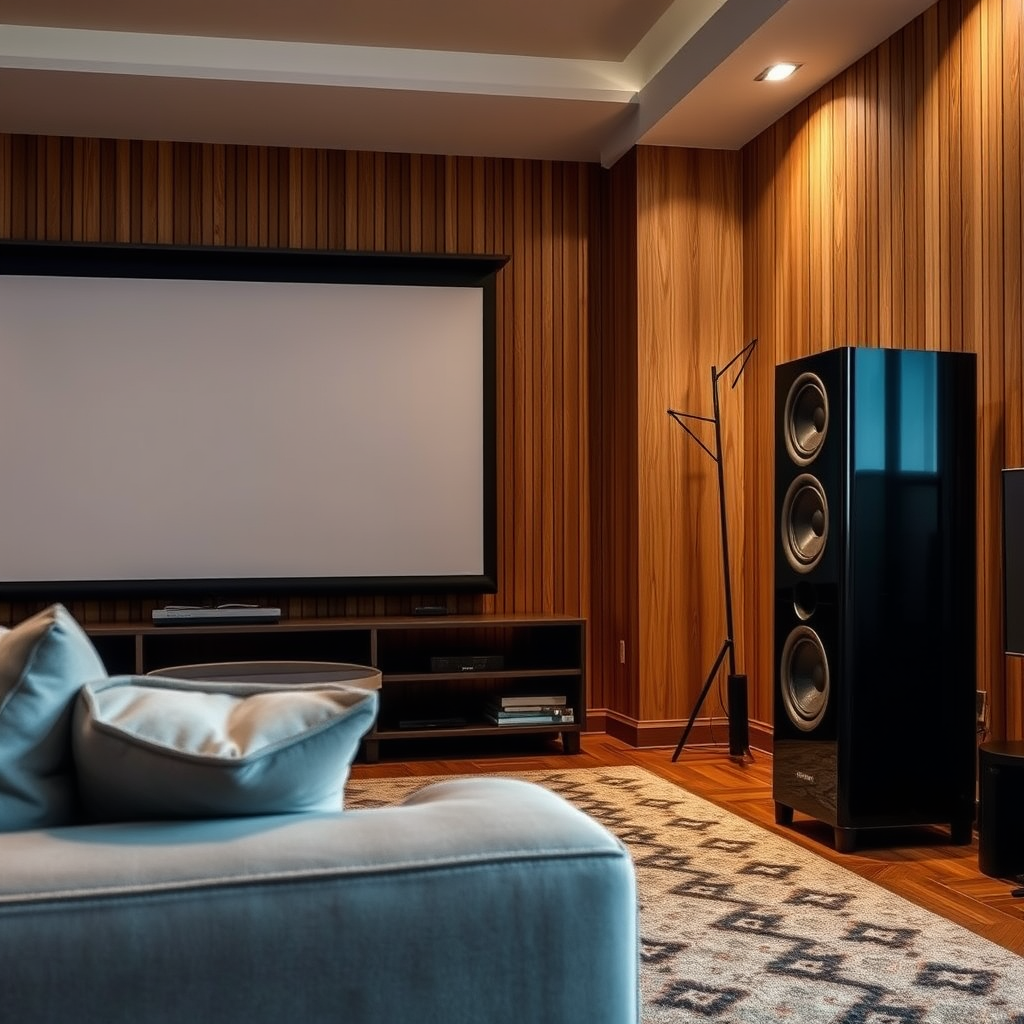
When choosing speakers for your home theater, it is crucial to understand the different types available and their respective advantages and disadvantages.
1. Floor-Standing Speakers: These are large, powerful speakers that can deliver deep bass and rich sound. They are typically used as the primary front speakers in a home theater setup. However, they require more space and can be more expensive.
2. Bookshelf Speakers: Smaller than floor-standing models, bookshelf speakers can still produce excellent sound quality. They are versatile and can be placed on shelves or stands, making them suitable for smaller rooms. However, they may not provide the same low-end response as larger speakers.
3. Surround Speakers: These speakers are designed to create a more immersive audio experience by providing sound from multiple angles. They can be added to an existing system for better surround sound but may require additional setup and calibration.
| Speaker Type | Size | Pros | Cons |
|——————–|—————-|—————————–|—————————-|
| Floor-Standing | Large | Excellent bass, powerful sound | Requires more space, costly |
| Bookshelf | Medium | Versatile, good space-saver | Less bass response |
| Surround | Compact | Immersive audio experience | Additional setup needed |
Key Specifications to Consider
When selecting audiophile speakers, certain specifications are essential for ensuring optimal sound performance.
1. Frequency Response: This refers to the range of sounds the speaker can reproduce, typically measured in Hertz (Hz). A wider frequency response ensures that both low and high frequencies are accurately represented, resulting in a richer sound.
2. Sensitivity Ratings: This metric indicates how efficiently a speaker converts power into sound. A higher sensitivity rating means that the speaker can produce more sound with less power, which is particularly important for home theater systems requiring high volumes.
3. Impedance: Measured in ohms, impedance affects how much power your amplifier must produce to drive the speakers. Most home theater receivers are compatible with 4 to 8-ohm speakers, so it’s crucial to match the impedance of your speakers with your amplifier.
4. Power Handling Capabilities: This specification indicates how much power (in watts) the speakers can handle without distortion or damage. Choosing speakers with an appropriate power handling capability ensures they can perform well without risk of failure.
Top Audiophile Speakers by Key Specifications
| # | Speaker Model | Frequency Response | Sensitivity | Impedance | Power Handling |
|---|---|---|---|---|---|
| 1 | Bowers & Wilkins 703 S2 | 30Hz – 28kHz | 88dB | 8Ω | 200W |
| 2 | Klipsch RP-600M | 45Hz – 25kHz | 96dB | 8Ω | 100W |
| 3 | Focal Aria 926 | 39Hz – 28kHz | 92dB | 8Ω | 240W |
| 4 | ELAC Debut 2.0 F6.2 | 39Hz – 35kHz | 87dB | 6Ω | 140W |
| 5 | Sonos Faber Lumina I | 50Hz – 24kHz | 85dB | 4Ω | 120W |
| 6 | Paradigm Monitor SE 6000F | 39Hz – 20kHz | 90dB | 8Ω | 150W |
| 7 | Monitor Audio Silver 300 | 30Hz – 35kHz | 90dB | 8Ω | 150W |
Room Acoustics and Speaker Placement
The acoustics of your room play a significant role in how sound is perceived. Factors such as room size, shape, and furnishings can greatly influence audio quality. For example, large, open spaces may cause sound to dissipate, while smaller, enclosed areas can create a more concentrated sound but may also lead to unwanted echoes.
To achieve optimal sound quality, consider the following tips for speaker placement:
1. Distance from Walls: Generally, speakers should be placed at least a foot away from walls to reduce reflections that can muddy sound quality.
2. Angle and Height: Position speakers at ear level when seated to ensure sound reaches your ears directly. Additionally, angling speakers slightly towards the listening area can enhance clarity.
3. Listening Position: Create a triangular arrangement between the speakers and the primary listening position. This setup ensures that sound reaches the listener evenly from both speakers.
Matching Speakers with Your Equipment
Ensuring compatibility between your speakers and other equipment in your home theater setup is crucial for achieving the best audio experience. It is essential to check the specifications of your amplifier or receiver and match them with your chosen speakers.
1. Amplifier Power: Ensure that your amplifier can provide sufficient power to drive your speakers effectively. A mismatch can lead to distortion or even speaker damage.
2. Receiver Compatibility: Many modern receivers feature settings that help in pairing with different speaker types. Ensure that your receiver supports the impedance of your speakers (typically 4 to 8 ohms).
3. Wiring and Connections: Pay attention to the speaker wire gauge; thicker wires can transmit power better, especially over longer distances. Ensure secure connections to prevent signal loss.
Budgeting for Audiophile Speakers
Budget is a vital consideration when selecting audiophile speakers. Prices can vary significantly based on various factors, including brand reputation, technology, and build quality.
1. Brand Reputation: Well-established brands often command higher prices due to their reputation for quality and innovation. However, newer brands may offer competitive options that deliver excellent performance at lower prices.
2. Technology and Features: Advanced technologies, such as wireless connectivity and built-in amplification, can increase costs. Determine which features are essential for your setup and prioritize accordingly.
3. Finding Balance: Look for speakers that provide the best value for your budget. Reading reviews and seeking recommendations from audiophile communities can offer insights into brands and models that deliver high quality without breaking the bank.
Listening Tests and Reviews
Before making a purchase, it is crucial to audition speakers to ensure they meet your expectations. Listening tests allow you to evaluate sound quality, tonal balance, and overall performance in person.
1. In-Store Auditions: Visit specialized audio retailers that allow you to listen to speakers in a controlled environment. Bring familiar music that you can use as a reference during your audition.
2. Online Reviews: Research online reviews from credible sources and audiophile forums. Pay attention to feedback regarding sound quality, durability, and customer service experiences.
3. Community Insights: Engaging with audiophile communities can provide invaluable recommendations and insights into which speakers perform best for specific setups and listening environments.
Popular Audiophile Speakers by Price Range
Selecting the right audiophile speakers for your home theater involves considering sound quality, speaker type, and compatibility. By understanding the specifications, room acoustics, and conducting thorough listening tests, you can find the perfect speakers to enhance your audio experience. Take the time to explore your options and enjoy the journey to superior sound.
Frequently Asked Questions
What should I consider when choosing audiophile speakers for my home theater?
When selecting audiophile speakers for your home theater, consider factors such as speaker type (floor-standing, bookshelf, or in-wall), sound quality, and compatibility with your AV receiver. Additionally, look for speakers with a good frequency response range and low distortion levels to ensure optimal audio performance during movies and music playback.
How do I determine the right size of speakers for my home theater room?
The right size of speakers for your home theater depends on the dimensions of your room and your listening preferences. Generally, larger rooms benefit from larger speakers that can produce more volume and bass, while smaller rooms may require compact speakers to prevent overwhelming sound. Use a speaker size calculator or consult manufacturer guidelines for specific recommendations based on room size.
Why is the speaker material important in audiophile speaker selection?
Speaker material plays a crucial role in sound quality and durability. Materials like wood and high-quality plastics can enhance audio performance by providing better resonance and reducing distortion. Choosing speakers with well-constructed cabinets and premium components can significantly improve your home theater experience.
Which brands are known for producing the best audiophile speakers for home theaters?
Some of the top brands known for their audiophile-grade speakers include Bowers & Wilkins, KEF, Paradigm, and Focal. These brands are recognized for their commitment to sound quality, innovative technology, and craftsmanship, making them ideal choices for discerning audiophiles looking to elevate their home theater audio experience.
How can I test audiophile speakers before purchasing them for my home theater?
To test audiophile speakers, visit a local audio store and listen to them in a controlled environment. Bring your favorite music or movie clips on a USB drive, and pay attention to clarity, bass response, and soundstage. Additionally, ask for demonstrations of different speaker models to compare their performance firsthand, ensuring you find the perfect match for your home theater setup.
References
- https://www.wikiwand.com/en/Audiophile
https://www.wikiwand.com/en/Audiophile - https://www.bbc.com/culture/article/20161130-how-to-choose-the-best-sound-system-for-your-home
https://www.bbc.com/culture/article/20161130-how-to-choose-the-best-sound-system-for-your-home - My boot stuck with a black screen after i put the flag -v or verbose | tonymacx86.com
https://www.tonymacx86.com/threads/audiophile-speakers-guide.251431/ - https://www.sciencedirect.com/topics/engineering/speaker-design
https://www.sciencedirect.com/topics/engineering/speaker-design - https://pubmed.ncbi.nlm.nih.gov/19265888/
https://pubmed.ncbi.nlm.nih.gov/19265888/ - https://www.jstor.org/stable/10.5325/jamsoc.8.2.0176
https://www.jstor.org/stable/10.5325/jamsoc.8.2.0176 - https://www.nature.com/articles/s41598-020-69979-6
https://www.nature.com/articles/s41598-020-69979-6 - Google Scholar Google Scholar
https://scholar.google.com/scholar?q=Choosing+the+Best+Audiophile+Speakers+for+Home+Theater - Google Scholar Google Scholar
https://scholar.google.com/scholar?q=Audiophile+Speakers+Home+Theater+Guidelines - Google Scholar Google Scholar
https://scholar.google.com/scholar?q=Home+Theater+Speaker+Quality+Selection