To maximize the effectiveness of your surround sound system, focus on optimal speaker placement, calibration, and room acoustics. By implementing these strategies, you can enhance your audio experience, whether for movies, music, or gaming. This article will guide you through the essential steps to achieve superior sound quality in your home.



Understanding Surround Sound Basics
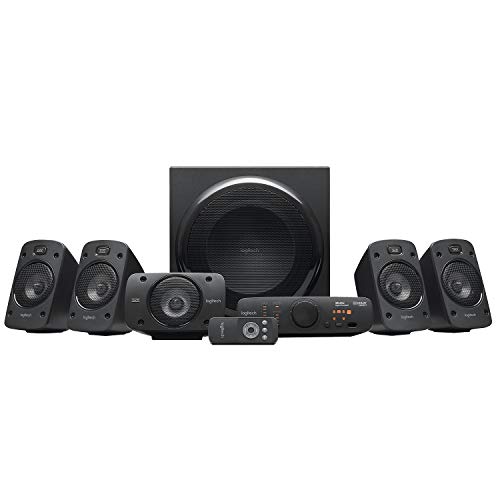
Surround sound systems are designed to create an immersive audio experience by utilizing multiple speakers placed around a listener. The most common configurations include 5.1 and 7.1 systems, as well as advanced formats like Dolby Atmos. A 5.1 system includes six channels: one subwoofer, two front speakers, two surround speakers, and a center speaker. In contrast, a 7.1 system adds two additional surround speakers for enhanced depth. Dolby Atmos takes this a step further by incorporating overhead sound channels, enabling audio to move in a three-dimensional space.
Each speaker plays a crucial role in generating a multi-dimensional sound experience. The front speakers create the primary soundstage, while the surround speakers provide ambient sounds, making you feel as though you are part of the action. The subwoofer, on the other hand, delivers deep bass frequencies that enhance the overall impact of movies and music. Understanding these fundamentals is essential for setting up an effective surround sound system.
Optimal Speaker Placement
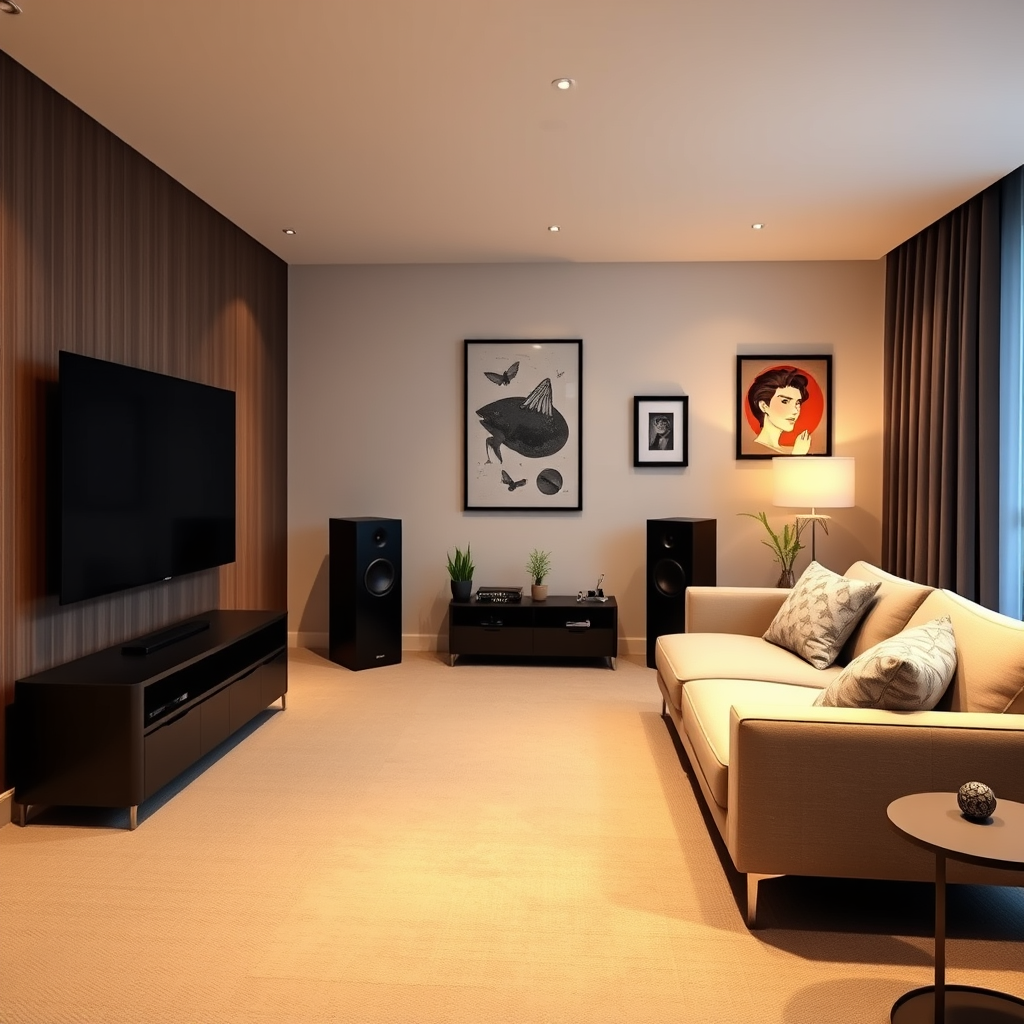
To achieve the best audio experience, speaker placement is critical. The ideal positions for your speakers depend on the configuration of your surround sound system. For a 5.1 system, the front left and right speakers should be placed at ear level and angled towards the listener, forming an arc. The center speaker should be directly in front of the listener, slightly elevated if possible, to ensure clear dialogue. The surround speakers should be positioned to the left and right of the listener, ideally at a height slightly above ear level to create an enveloping sound field.
For a 7.1 system, the additional two surround speakers should be placed behind the listener, enhancing the rear soundstage. The subwoofer’s placement can vary; however, placing it in a corner or along a wall often maximizes bass response. It’s essential to consider not just positioning but also the height and angle of the speakers to enhance sound directionality.
Room Acoustics and Treatment
Room acoustics play a significant role in sound quality. Factors such as the size, shape, and materials of your room can greatly affect audio performance. Hard surfaces, such as tile or glass, can create echoes, while soft furnishings like carpets, curtains, and cushions can help absorb sound and reduce reverberation.
To improve your room’s acoustics, consider implementing acoustic treatments. Soundproofing panels can be strategically placed on walls to absorb excess sound, while rugs or carpets can help dampen sound reflections from hard floors. Additionally, consider the arrangement of furniture: bookshelves, for example, can help diffuse sound waves. Assessing your room’s acoustics and making appropriate adjustments can lead to substantial improvements in overall sound clarity and immersion.
Top Factors Affecting Room Acoustics
| # | Factor | Impact Level | Recommended Treatment |
|---|---|---|---|
| 1 | Room Size | High | Acoustic Panels |
| 2 | Ceiling Height | Medium | Bass Traps |
| 3 | Wall Materials | High | Soundproofing |
| 4 | Flooring Type | Medium | Rugs |
| 5 | Furniture Arrangement | Medium | Bookshelves |
| 6 | Acoustic Treatment | High | Paneling |
| 7 | Window Treatment | Medium | Curtains |
Calibration Techniques
Calibration is essential for optimizing the performance of your surround sound system. Many modern receivers come with built-in calibration tools or software that can automatically adjust the speaker settings to suit your room’s unique acoustics. These tools typically utilize a microphone to measure sound levels and distances, making adjustments accordingly.
For those who prefer a more hands-on approach, manual calibration involves adjusting the volume levels, distance, and crossover frequencies for each speaker. This process ensures that all speakers work in harmony, providing a balanced sound experience. It’s advisable to regularly check and adjust settings based on different activities, such as movie watching or music listening, as sound requirements vary significantly between formats.
Using Quality Source Material
The quality of your audio and video sources significantly impacts the overall effectiveness of your surround sound system. Opt for high-quality audio and video formats that support surround sound capabilities, such as Blu-ray discs, 4K UHD movies, or uncompressed audio files. Streaming services like Netflix and Amazon Prime Video often provide enhanced audio options, including Dolby Atmos support.
When selecting source material, prioritize formats that match the capabilities of your system to ensure you’re getting the best possible audio experience. Additionally, using high-quality cables and connections can further enhance sound quality by minimizing signal loss and interference.
Regular Maintenance and Updates
Maintaining your surround sound system is crucial for optimal performance. Regularly check for firmware updates on your audio equipment, as manufacturers frequently release updates to improve functionality and fix bugs. Keeping your system updated can enhance performance and compatibility with new formats and services.
Another critical maintenance task is to inspect your connections and wiring. Ensure that all cables are securely connected and free of damage. Loose or frayed cables can lead to sound degradation and interference. By routinely checking and maintaining your equipment, you can prolong the life of your surround sound system and ensure consistent performance.
Troubleshooting Common Issues
Even the best surround sound systems can encounter issues. Common problems include audio sync issues, speaker feedback, and imbalance in sound levels. Identifying and addressing these issues promptly can prevent further complications. For example, audio sync problems can often be resolved by adjusting the audio delay settings on your receiver or TV.
Speaker feedback can arise from incorrect placement or settings and may be fixed by repositioning speakers or adjusting sensitivity settings. Familiarizing yourself with the specific components of your system is essential for effective troubleshooting. Consider consulting the user manual or online resources for guidance on diagnosing and fixing common problems.
Common Surround Sound Issues and Solutions
By focusing on these key areas, you can significantly enhance the performance of your surround sound system. Implementing proper speaker placement, calibration, and room treatment will create an immersive audio environment that elevates your entertainment experience. Start applying these tips today and enjoy the full potential of your surround sound system!
Frequently Asked Questions
What are the best speaker placements for optimizing my surround sound system?
To maximize the effectiveness of your surround sound system, place your front speakers at ear level and equidistant from the center. The surround speakers should be slightly above ear level and positioned to the sides or slightly behind the listening area. Additionally, ensure that the subwoofer is in a corner or near a wall to enhance low-frequency sounds.
How can I calibrate my surround sound system for optimal performance?
Calibrating your surround sound system involves using a sound level meter or the automatic calibration feature that comes with most AV receivers. Start by running the setup microphone to measure the distances and levels of each speaker, adjusting for any discrepancies. Fine-tuning bass management and speaker crossover settings can further enhance audio clarity and balance.
Why is room acoustics important for my surround sound setup?
Room acoustics play a critical role in the effectiveness of your surround sound system, as hard surfaces can create echoes and distort sound. Soft furnishings, carpets, and wall treatments can help absorb sound and reduce reflections, leading to a clearer audio experience. Consider using acoustic panels or bass traps to optimize your room for better sound quality.
Which equipment upgrades can significantly improve my surround sound experience?
Upgrading to a higher-quality AV receiver, investing in premium speaker cables, or adding a dedicated subwoofer can significantly enhance your surround sound experience. Additionally, consider upgrading your speakers to models designed for surround sound to better match your system’s capabilities and deliver more immersive audio.
How do I create a surround sound system that works well for both movies and music?
To create a surround sound system that excels in both movies and music, choose a receiver with versatile sound modes that can adapt to different content types. Select speakers that offer a balanced sound profile, ensuring clarity across various frequencies. Finally, consider using a DAC (digital-to-analog converter) for improved audio quality when streaming music, providing a richer listening experience.
References
- Surround sound
https://en.wikipedia.org/wiki/Surround_sound - https://www.sciencedirect.com/topics/engineering/surround-sound
https://www.sciencedirect.com/topics/engineering/surround-sound - https://www.bbc.com/future/article/20201013-how-to-set-up-surround-sound
https://www.bbc.com/future/article/20201013-how-to-set-up-surround-sound - https://www.nature.com/articles/s41598-020-77136-0
https://www.nature.com/articles/s41598-020-77136-0 - https://pubmed.ncbi.nlm.nih.gov/33294340/
https://pubmed.ncbi.nlm.nih.gov/33294340/ - https://www.mayoclinic.org/healthy-lifestyle/consumer-health/in-depth/home-theater-systems/art-20046566
https://www.mayoclinic.org/healthy-lifestyle/consumer-health/in-depth/home-theater-systems/art-20046566 - https://www.britannica.com/technology/surround-sound
https://www.britannica.com/technology/surround-sound - https://www.theguardian.com/technology/2021/jan/22/how-to-set-up-a-surround-sound-system
https://www.theguardian.com/technology/2021/jan/22/how-to-set-up-a-surround-sound-system - Google Scholar Google Scholar
https://scholar.google.com/scholar?q=Maximize+Effectiveness+of+Surround+Sound+System - Google Scholar Google Scholar
https://scholar.google.com/scholar?q=Surround+Sound+System+Setup+Guide