
Looking to set up an impressive home theater without breaking the bank? You can find excellent home theater systems under $500 that deliver quality audio and video experiences. With a little research, you can create a cinematic environment right in your living room that rivals the local theater. In this guide, we’ll explore the top options available, key features to consider, and tips for maximizing your home entertainment setup.




Top Picks for Home Theater Systems Under $500
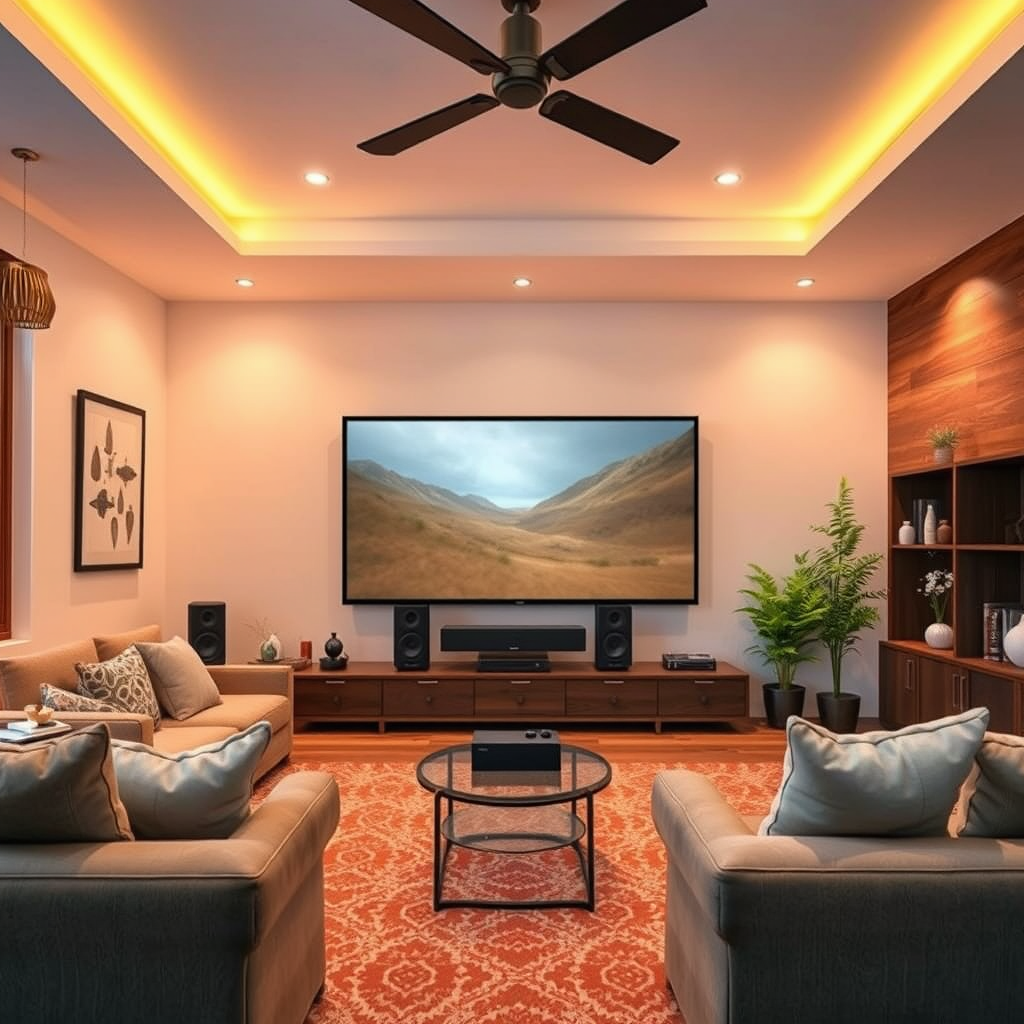
When it comes to selecting the best home theater systems under $500, several models stand out for their quality, performance, and value. Here are some of our top-rated picks:
1. Yamaha YAS-209 Sound Bar:
Priced around $350, this sound bar system provides an immersive audio experience with its built-in subwoofer and DTS Virtual:X technology that simulates surround sound. It also features Alexa voice control and Bluetooth connectivity, making it a versatile option for both movies and music.
2. VIZIO 36-Inch 5.1 Channel Home Theater Sound Bar:
For about $250, this system offers a 5.1 surround sound experience with wireless subwoofer and satellite speakers. It’s perfect for those looking to enhance their TV audio without complicated setups. The sound bar’s sleek design also perfectly complements modern TV setups.
3. Logitech Z906 5.1 Surround Sound Speaker System:
Priced around $400, the Z906 provides powerful THX-certified surround sound. It’s compatible with various devices, including TVs, gaming consoles, and PCs. The system includes easy-to-use controls and a robust subwoofer that brings your movies and games to life.
4. Sony HT-S350 Sound Bar with Wireless Subwoofer:
This system retails for approximately $300 and offers a fantastic audio experience with its 2.1 channel configuration. The wireless subwoofer provides deep bass that enhances your viewing experience, while Bluetooth connectivity allows for easy music streaming.
5. Onkyo HT-S3900 5.1 Channel Home Theater Receiver/Speaker System:
Available for about $450, this system comes with a powerful receiver and five speakers, delivering a full surround experience. The system supports various formats, including Dolby TrueHD and DTS-HD Master Audio, making it suitable for movie buffs and gamers alike.
Each of these options provides unique features and solid performance, ensuring that you can find the right fit for your entertainment needs without exceeding your budget.
Key Features to Look For

When choosing a home theater system, it’s essential to consider several key features to ensure you get the best sound and video experience.
Sound Quality and Surround Sound Capabilities
Sound quality is paramount in creating an immersive home theater experience. Look for systems that offer surround sound capabilities, such as 5.1 or 7.1 configurations, as these provide a more enveloping audio experience. Features like Dolby Atmos and DTS:X can significantly enhance the sound quality, making you feel like you’re part of the action.
Compatibility with Other Devices
Your home theater system should seamlessly integrate with your existing devices, including televisions, gaming consoles, and streaming devices. Check for compatibility features such as HDMI ARC, optical inputs, or Bluetooth connectivity. This ensures easy setup and the ability to connect various devices without headaches.
Setup and Installation Tips
Setting up your home theater system doesn’t have to be a daunting task. Here are some easy steps to get you started:
1. Choose the Right Location: Select a central spot for your main speakers and subwoofer. If using a sound bar, place it directly below your TV for the best audio alignment.
2. Speaker Placement: For surround sound systems, place the front speakers equidistant from your viewing position, ideally at ear level. Rear speakers should be positioned slightly above ear level and angled toward the listening area.
3. Wiring: Use high-quality speaker wire and HDMI cables to ensure optimal performance. Keep the wiring neat and organized to avoid clutter and potential damage. Wireless systems can simplify setup, but ensure the wireless subwoofer has adequate range from the sound bar.
4. Calibration: Many systems come with automatic calibration features to optimize sound based on your room’s acoustics. Follow the manufacturer’s instructions for best results.
Enhancing Your Experience
To take your home theater experience to the next level, consider adding a few accessories:
– Quality Cables: Investing in good HDMI and speaker cables can make a noticeable difference in performance. Look for cables that support high-speed data transfer for 4K video and surround sound.
– Mounts and Stands: Wall mounts for speakers or TV can free up space and provide better sound direction. Consider adjustable mounts that allow you to fine-tune the angles for optimal performance.
– Acoustic Panels: If your room has a lot of hard surfaces, consider adding acoustic panels to minimize echo and improve sound clarity.
– Smart Home Integration: Look for systems compatible with smart home devices, allowing you to control your entertainment system with voice commands or through an app.
Maintenance and Troubleshooting
To keep your home theater system functioning at its best, regular maintenance is key. Here are some common issues and solutions:
– Audio Sync Issues: If you experience a delay between audio and video, check the settings on your TV and sound system. Many systems offer audio delay adjustments to help sync everything perfectly.
– Distorted Sound: If you notice distorted audio, ensure that your speakers are not overloaded. Keep the volume levels within a reasonable range and check your speaker connections.
– Firmware Updates: Regularly check for software updates for your system, as manufacturers often release updates to improve performance and fix bugs.
– Cleaning: Dust your speakers and sound bar regularly to prevent buildup that could affect sound quality. Ensure all connections are secure and free from dust.
Customer Reviews and Experiences
User feedback is invaluable when selecting a home theater system. Many customers rave about the Yamaha YAS-209 for its impressive sound quality and ease of setup. Users appreciate the Alexa integration, making it a convenient choice for smart homes.
The VIZIO sound bar is often praised for its value and clear audio, especially for movie watching. Customers highlight the simplicity of its wireless setup and the significant improvement in sound over built-in TV speakers.
Logitech Z906 users love the booming bass and immersive sound experience, particularly for gaming. Reviews frequently mention its reliability and compatibility with various devices, making it a favorite among tech enthusiasts.
Overall, customers tend to emphasize the importance of sound quality and ease of setup, which are crucial factors in their satisfaction with these systems.
Investing in a quality home theater system under $500 is a smart decision for anyone looking to elevate their home entertainment experience. With so many excellent options available, you can find a system that fits your budget and meets your audio and video needs. Whether you’re hosting movie nights, gaming, or just enjoying your favorite shows, a good home theater system can transform your living space into a cinematic paradise. Choose wisely, and you’ll be rewarded with countless hours of entertainment and enjoyment.
Frequently Asked Questions
What are the key features to look for in the best home theater systems under $500?
When searching for the best home theater systems under $500, prioritize features such as audio quality, connectivity options, and speaker configuration. Look for systems that offer surround sound capabilities, Bluetooth or Wi-Fi connectivity for streaming, and multiple input options like HDMI and optical ports. Additionally, consider systems with a user-friendly interface and good build quality, as these factors can greatly enhance your overall home theater experience.
How can I set up a home theater system on a budget?
To set up a home theater system on a budget, start by selecting the right components that fit your space and needs. Begin with a quality sound system, such as a 5.1 surround sound setup, which typically includes a subwoofer and several satellite speakers for immersive audio. Use your existing television as a display, and consider adding streaming devices if you don’t have smart TV capabilities. Finally, invest time in proper speaker placement and calibration to maximize sound quality without breaking the bank.
Why should I invest in a home theater system instead of just using soundbars?
Investing in a home theater system offers a more immersive audio experience than standard soundbars, especially for movie enthusiasts and gamers. While soundbars provide decent sound quality, a dedicated home theater system with multiple speakers can create true surround sound, making action scenes more engaging and music more vibrant. Additionally, many home theater systems under $500 now offer excellent value, making them an affordable option for those seeking a significant upgrade from basic audio solutions.
Which brands offer the best home theater systems under $500?
Some of the top brands known for producing quality home theater systems under $500 include Yamaha, Onkyo, and Klipsch. Yamaha is praised for its reliable performance and rich sound quality, while Onkyo often provides great value with versatile receivers and speaker configurations. Klipsch is recognized for its dynamic audio, particularly in home theater setups, making their systems a popular choice among users seeking exceptional sound without exceeding their budget.
What are some common issues I might face with budget home theater systems, and how can I resolve them?
Common issues with budget home theater systems might include connectivity problems, sound distortion, or suboptimal audio performance. To resolve connectivity issues, ensure all cables are securely connected and compatible with your devices. For sound distortion, check speaker placement and calibration settings, as improper setup can lead to poor audio quality. Lastly, consider investing in a quality surge protector to protect your equipment from power fluctuations, which can also affect performance.
