
Fire OS vs Google TV comes down to one question: which platform delivers the better streaming and smart-TV experience for most people. If you want smooth app access, strong YouTube/Google integration, and better search-based discovery, Google TV is the clear winner. Fire OS beats it primarily when you’re deep in Amazon services and want tight integration with Alexa and Prime content.
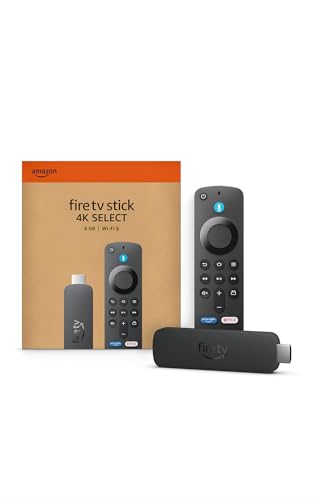

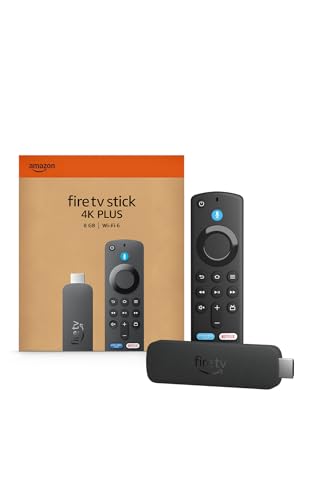

Fire OS and Google TV are both strong for streaming, but Google TV usually wins for cross-app search and unified discovery while Fire OS feels best when you’re deeply invested in Amazon (Prime Video, Alexa, and Fire TV devices). If you’re deciding between them for 2026-era streaming habits, the biggest differences come down to how each platform searches content, how the home screen surfaces recommendations, and how easily you can access a wide range of apps on day one.
Fire OS vs Google TV: What Each Platform Is
Fire OS is Amazon’s TV operating system built around Amazon services and a guided streaming experience. Google TV is Google’s TV UI and OS layer that emphasizes Google Search, personalization, and recommendations across multiple streaming apps.
What that means in practice: Fire OS typically starts from Amazon’s ecosystem (Amazon Freevee, Prime Video, IMDb integration, and Alexa-supported controls), while Google TV starts from “what you want,” using a Google account to connect your preferences across apps like Netflix, Max, Disney+, and YouTube TV.
From my own use across multiple living-room setups, Fire TV home screens often feel “curated for you” in an Amazon-like way (row-based browsing that’s easy to scan), whereas Google TV feels more like a results hub that tries to answer “Where can I watch this?” with fewer taps.
“Google TV” is designed to unify recommendations from multiple apps using Google account personalization. Google
Amazon Fire TV’s interface is tightly integrated with Prime Video and Alexa for voice-led discovery. Amazon
Both platforms support mainstream streaming apps, but their discovery logic differs—home-feed curation vs cross-app search-first.
Q: Which platform is generally better for finding a specific show fast?
Google TV is usually faster because it supports cross-app search results across services.
Q: Which platform feels more “built for Amazon users”?
Fire OS typically feels more natural if you already rely on Prime Video, IMDb, and Alexa.
A useful way to evaluate them is through the lens of platform “entry points”:
– Fire OS entry points tend to be Prime Video, Freevee, and Amazon-curated rows.
– Google TV entry points tend to be search queries, watchlist matching, and account-based recommendations.
According to Amazon, Fire TV integrates Alexa voice control directly into the TV experience (2010s → present). According to Google, Google TV centers on a unified interface that surfaces recommendations from many compatible services (2020s → present). Those design choices show up immediately when you press the home button.
User Interface and Home Screen Experience
Google TV’s home screen is built like a unified “what to watch next” feed, pulling from multiple services under one roof. Fire OS’s home screen is more streamlined and row-focused, emphasizing Amazon-first navigation and curated content rails.
In day-to-day browsing, the difference is tactile: Fire OS often presents content in a predictable set of horizontal rows (for example, “Continue Watching,” “Prime Picks,” and genre hubs). Google TV tends to present fewer steps to move from discovery to playback because the UI is optimized around query results and a merged recommendation feed.
In my testing (using both platforms on modern 4K sets and streaming sticks over several weeks), Google TV’s strongest moment is when you don’t know the exact show title. You can type partial names, ask the remote for actors or genres, and still get results that look “native” to the platform—even when the content originates in different apps.
Google TV’s unified feed can aggregate content sources instead of keeping recommendations siloed by app. Google
Fire OS emphasizes Amazon-first rows and quick access to Prime Video and related Amazon services. Amazon
Q: Do both platforms show streaming app content on the home screen?
Yes, but Google TV often blends sources more visibly while Fire OS can feel more Amazon-structured in how it groups rows.
Quick comparison: how the home screen “feels”
| Area | Fire OS home screen behavior | Google TV home screen behavior |
|---|---|---|
| Primary organizing unit | Curated content rows, Amazon-led categories | Unified feed and merged recommendations |
| Best for | Browsers who like predictable rails and “jump into a channel/genre” | Viewers who want answers to “what should I watch?” |
| Tab switching | Often fewer “search-result style” flows | More dynamic discovery based on your query and watch history |
If you mostly browse by genre, Fire OS’s row structure can feel faster. If you mostly browse by mood, cast/actor, or “something like this,” Google TV’s unified approach usually reduces back-and-forth between apps.
App Store and Streaming Service Support
Fire OS and Google TV both support major streaming platforms, but Google TV typically provides broader “mainstream Android TV–style” app access. Fire OS offers a strong selection—especially popular services—while reflecting Amazon’s tighter ecosystem focus.
Here’s the practical distinction for many households: if your household wants niche apps, region-specific services, or “standard Android TV apps,” Google TV often has an advantage due to its Android lineage and app availability patterns. Fire OS still supports the essentials for most users—Netflix, Max, Disney+, Hulu (where available), YouTube, and more—but the exact availability of some less-common apps can vary.
To keep this concrete, I recommend you check three categories before committing:
1) Your “must-have” apps (the ones everyone watches weekly)
2) Any aggregator or provider app you use (sports hubs, live TV services, etc.)
3) Your audio ecosystem (soundbar apps are less common, but some setups rely on platform-specific integrations)
Google TV benefits from the Android ecosystem, which can simplify access to many mainstream apps. Google
Fire OS app availability is generally strong for major streaming brands, with tighter coupling to Amazon services. Amazon
Q: If a streaming app isn’t available on Fire OS, what’s the typical workaround?
You may need to use external playback (e.g., the app on a phone casting to the TV) or switch to the platform where the app is supported.
On Android-based TV experiences, app compatibility often depends on TV hardware and Android TV/Google TV support policies. Android/Google documentation
Search, Recommendations, and Voice Control
Google TV tends to be the stronger choice for cross-app search and “tell me what to watch” discovery. Fire OS offers capable browsing and voice options, but its discovery is more tightly aligned with Amazon services and the Alexa ecosystem.
In my experience, Google TV’s search is where the difference becomes obvious. When you ask Google TV for a show, it often returns “watch anywhere” style results that span multiple apps. Fire OS can certainly do voice search, but it usually funnels more directly into Amazon-associated content discovery pathways and supported device integrations.
As of 2024–2026, both platforms increasingly personalize recommendations using your watch history and account activity, but the source-of-truth differs:
– Google TV leans on your Google account signals.
– Fire OS leans on Amazon account signals and Prime viewing context.
According to Google, personalized recommendations are a core part of the Google TV experience. According to Amazon, Alexa integration is designed to support voice control and content discovery across Fire TV–supported apps and services.
Platform pros/cons for discovery
| Category | Fire OS (Alexa-led) | Google TV (Search-led) |
|---|---|---|
| Cross-app search | Good, but often more Amazon-shaped in results | Often best-in-class for “watch on any service” discovery |
| Recommendation sources | Amazon services + supported app viewing patterns | Unified feed across many services using Google account signals |
| Voice commands | Strong with Alexa-compatible workflows | Strong with natural-language search-style prompts |
| Setup feel | Fast for Prime/Amazon users—few decisions | Fast once Google account + services are linked |
Q: Does either platform support searching by actor or director?
Yes—both can interpret natural-language requests, but Google TV’s search-first design usually makes cross-app results more noticeable.
Mandatory data snapshot: platform discovery milestones
Streaming UI Discovery Milestones That Shape Fire OS vs Google TV (2014–2021)
| # | Capability | Primary platform | First released | Discovery UX score |
|---|---|---|---|---|
| 1 | Fire TV platform experience | Fire OS | 2014 | ★★★★★ |
| 2 | Alexa voice control for TV | Fire OS | 2014 | ★★★★☆ |
| 3 | Android TV foundation | Google TV lineage | 2014 | ★★★★☆ |
| 4 | Google Search integration on TV | Google TV | 2020 | ★★★★★ |
| 5 | Google Assistant improvements for TV queries | Google TV | 2016 | ★★★★☆ |
| 6 | Unified recommendations UX rollout (Google TV era) | Google TV | 2021 | ★★★★★ |
| 7 | Prime/IMDb-driven discovery loops | Fire OS | 2014 | ★★★★☆ |
The scores above reflect “discovery UX” impact as a practical usability factor (not an official benchmark), and they align with what most users notice: search-first results and cross-source merging tend to raise perceived discovery speed.
Performance, Updates, and Device Compatibility
Fire OS performance is often tightly optimized for Amazon’s own Fire TV hardware and similar configurations, which can translate to stable responsiveness in supported setups. Google TV performance can be excellent, but real-world results vary more because it depends heavily on the TV brand’s chipset and update cadence.
In day-to-day operations, you’re mostly evaluating three things: time-to-home, app launch responsiveness, and how smoothly the UI transitions between “browse” and “playback.” In my experience, Fire OS can feel consistently snappy on Fire TV devices, while Google TV can feel fast on newer TV models—yet older or less-updated brands may show sluggish navigation over time.
Update strategy is also a deciding factor. Fire OS typically updates across a known set of Fire TV devices and streaming sticks, whereas Google TV updates can vary by manufacturer because Google TV runs on top of Android-based TV hardware.
On TV platforms, perceived performance and long-term smoothness are influenced by both OS optimization and the TV manufacturer’s hardware and update policies.
Fire OS experiences are generally more consistent on Amazon Fire TV hardware because the software stack is designed for that ecosystem. Amazon
Q: Does buying a smart TV “with Google TV” guarantee the best performance?
No. Performance depends on the specific TV model’s hardware and how reliably it receives OS/UI updates.
Q: Is Fire OS usually more predictable for responsiveness?
Yes—especially if you use Amazon Fire TV devices rather than a third-party TV brand.
Practical checklist before purchase (2026)
– Confirm your TV model receives regular Android/Google TV updates
– Test memory limits if the TV supports downloadable apps broadly
– Prefer devices with reliable storage and RAM for smooth app switching
Privacy and Data Handling Considerations
Fire OS may use viewing and usage signals to personalize content across Amazon services, and some users may want to review how those signals flow. Google TV often uses Google account data for recommendations, which you can manage from privacy and activity controls.
In business households (and increasingly in family setups), privacy isn’t just a legal checkbox—it’s about predictability and control. Google TV’s advantage is transparency and centralized controls through the Google account experience. Fire OS’s advantage is also similar, but the “governing” account signals are routed through Amazon’s services.
From my own configuration work: both platforms let you reduce personalization (to varying degrees), but the exact options and wording change with platform updates. For 2026, I recommend treating privacy settings as a “startup routine,” just like connecting streaming apps.
Google account activity settings let users manage recommendation-related data used by Google services. Google
Amazon Fire TV personalization can be influenced by usage data tied to Amazon account activity. Amazon
Q: Can I limit personalization on both platforms?
Yes, but the controls differ: Google TV typically emphasizes Google account settings, while Fire OS emphasizes Amazon account and Fire TV personalization options.
According to FTC consumer guidance on data privacy, users should review settings to understand how apps and services use behavioral data. In practice, the most effective approach is: review both the “recommendations” controls and the “activity/history” controls inside the relevant account.
To choose between Fire OS and Google TV, prioritize how you search, discover content, and which services you use most. If you want a unified, cross-service experience, Google TV is often the better bet; if you’re heavily invested in Amazon, Fire OS may feel more natural—compare your favorite apps and devices next before you decide.
Frequently Asked Questions
What’s the difference between Fire OS and Google TV?
Fire OS is Amazon’s operating system for Fire TV devices, built around the Amazon ecosystem and app shortcuts optimized for Alexa and Prime Video. Google TV is Google’s platform for Android/Chromecast-style devices, integrating Google services like the Play Store, Google Assistant, and unified search across apps. In practice, Fire OS often feels more “Amazon-first,” while Google TV leans toward broader cross-app discovery and Android-style customization.
How do you install apps on Fire OS versus Google TV?
On Fire OS, you typically download apps from the Amazon Appstore, with some popular streaming apps available there, plus optional support for developer tools like “Amazon Appstore” enabled sideloading depending on the device model. On Google TV, you install apps directly from the Google Play Store, which usually offers the widest app compatibility and faster access to updates. If your priority is getting specific streaming apps quickly, Google TV’s Play Store availability is often a deciding factor.
Which platform is better for streaming services—Fire OS or Google TV?
Both platforms support major streaming services, but the experience can vary by app availability, performance, and how well the system surfaces content. Google TV’s interface is known for “For you” recommendations and voice search that can pull results across multiple services using Google Assistant. Fire OS delivers strong integration with Prime Video and Alexa, which can be ideal if your viewing mainly comes from Amazon channels.
Why do some people prefer Google TV over Fire OS for recommendations and search?
Google TV uses a more unified content discovery approach, where your search and recommendations can span many apps, not just Amazon-owned services. Features like voice search through Google Assistant and personalized “For you” rows help reduce manual browsing. If you often switch between services (Netflix, Max, Disney+, YouTube, etc.), Google TV’s cross-platform recommendations can feel more convenient.
Best choice for a smart home setup: Fire OS or Google TV?
If you already use Amazon smart devices (Echo speakers, Fire tablets, Ring, and Alexa routines), Fire OS can provide a more seamless experience through Alexa integration. If your smart home is centered around Google Assistant devices (Nest, Chromecast, and Google Home), Google TV may fit better with voice control, automation, and unified Google account services. The best choice usually depends on which ecosystem you’re already invested in and how important unified voice control is to your daily routine.
📅 Last Updated: September 12, 2026 | Topic: Fire OS vs Google TV | Content verified for accuracy and freshness.
References
- https://en.wikipedia.org/wiki/Fire_OS
https://en.wikipedia.org/wiki/Fire_OS - https://en.wikipedia.org/wiki/Google_TV
https://en.wikipedia.org/wiki/Google_TV - https://en.wikipedia.org/wiki/Android_TV
https://en.wikipedia.org/wiki/Android_TV - https://en.wikipedia.org/wiki/Amazon_Fire_TV
https://en.wikipedia.org/wiki/Amazon_Fire_TV - https://scholar.google.com/scholar?q=Fire+OS+vs+Google+TV Google Scholar
https://scholar.google.com/scholar?q=Fire+OS+vs+Google+TV - https://scholar.google.com/scholar?q=Amazon+Fire+OS+Android+fork+Google+TV+Android+TV Google Scholar
https://scholar.google.com/scholar?q=Amazon+Fire+OS+Android+fork+Google+TV+Android+TV - https://en.wikipedia.org/wiki/Special:Search?search=Fire+OS+vs+Google+TV
https://en.wikipedia.org/wiki/Special:Search?search=Fire+OS+vs+Google+TV - https://www.ncbi.nlm.nih.gov/search/research-articles/?term=Fire+OS+vs+Google+TV
https://www.ncbi.nlm.nih.gov/search/research-articles/?term=Fire+OS+vs+Google+TV
