
Creating a premium home audio system for exceptional sound quality begins with understanding the fundamentals of audio components and their interplay. The right selection of speakers, amplifiers, source devices, and careful consideration of room acoustics are crucial to achieving a high-fidelity listening experience. In this guide, we will explore each essential element to help you build an audio system that elevates your enjoyment of music, movies, and gaming to new heights.
Choosing the Right Speakers
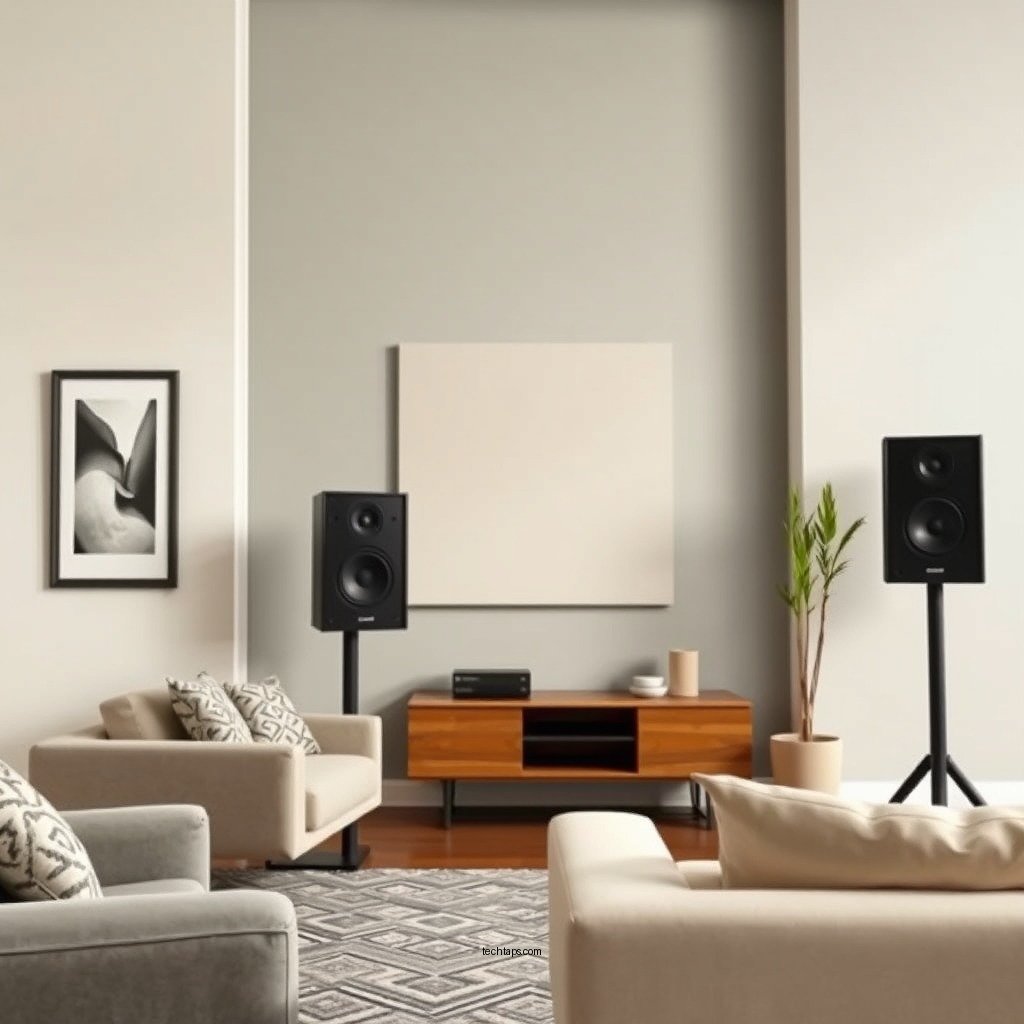
When it comes to audio systems, speakers are arguably the most important component. They are responsible for converting electrical signals into sound waves, making their selection critical for sound quality. There are several types of speakers to consider:
1. Bookshelf Speakers: Compact and versatile, bookshelf speakers are ideal for smaller spaces. They offer excellent sound quality and can be paired with a subwoofer for enhanced bass response.
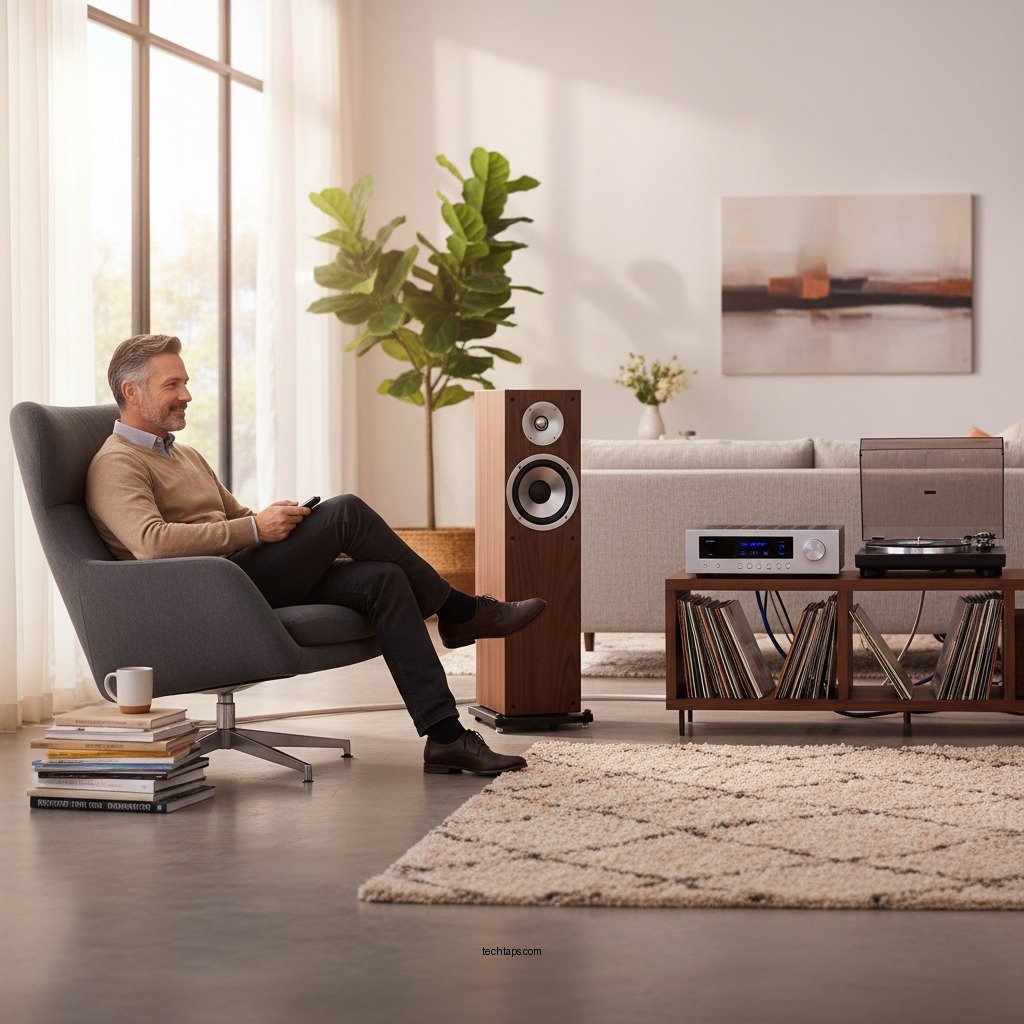
2. Floor-standing Speakers: These larger speakers generally provide a fuller sound and deeper bass, making them suitable for larger rooms. They are perfect for audiophiles seeking a more immersive audio experience.
3. Surround Sound Speakers: For home theater setups, surround sound speakers create a three-dimensional sound experience. They work in tandem with a receiver to deliver sound that envelops the listener.
When selecting speakers, pay attention to specifications such as:
– Frequency Response: This indicates the range of frequencies the speaker can reproduce. A wider range often results in better sound quality.
– Power Handling: This tells you how much power (in watts) the speaker can handle. Ensure your amplifier matches this specification to avoid damaging the speakers.
– Sensitivity: Measured in decibels (dB), sensitivity indicates how efficiently a speaker converts power into sound. Higher sensitivity means louder sound with less power.
Choosing speakers that suit your listening preferences and room size is essential for achieving exceptional sound quality.
Selecting an Amplifier
An amplifier is necessary to power your speakers and enhance their performance. Selecting the right amplifier involves ensuring compatibility with your chosen speakers and understanding the different types available:
1. Integrated Amplifiers: These units combine a preamp and power amp in one, making them a space-saving option for casual listeners.
2. Separate Amplifiers: For audiophiles seeking the best sound quality, separate components allow for customizable setups with greater control over audio performance.
3. AV Receivers: For home theater enthusiasts, AV receivers handle multiple audio and video sources, providing surround sound capabilities and various connectivity options.
When selecting an amplifier, it’s crucial to match its power output with your speakers’ requirements. This ensures optimal performance and prevents distortion or damage. Look for features like built-in DACs (Digital-to-Analog Converters) for better sound quality from digital sources.
Source Components and Streaming
High-quality source components are the backbone of any premium audio system. They deliver the audio signals that your amplifier and speakers will reproduce. Key components include:
– CD Players: Still a popular choice for audiophiles, high-end CD players can deliver superior sound quality compared to standard digital sources.
– Turntables: Vinyl enthusiasts appreciate the warm sound that comes from analog records. Investing in a quality turntable can significantly enhance your audio experience.
– Digital Audio Streamers: With the rise of streaming services, digital streamers allow you to access lossless audio and high-resolution formats. Look for devices that support formats like FLAC and streaming services such as Tidal or Qobuz.
Emphasizing lossless audio formats ensures that you’re listening to tracks at their best quality, providing a more immersive experience. High-resolution streaming services often offer music with greater detail and clarity, which can enhance your overall listening pleasure.
Top 7 Audio Streaming Services for Quality (2024)
| # | Service | Lossless Audio | High-Res Audio | Price/Month |
|---|---|---|---|---|
| 1 | Tidal | Yes | Yes | $19.99 |
| 2 | Qobuz | Yes | Yes | $14.99 |
| 3 | Amazon Music HD | Yes | No | $14.99 |
| 4 | Deezer HiFi | Yes | No | $14.99 |
| 5 | Spotify Premium | No | No | $9.99 |
| 6 | Apple Music | No | No | $9.99 |
| 7 | YouTube Music | No | No | $9.99 |
Room Acoustics and Setup
The physical environment where your audio system resides plays a significant role in sound quality. Factors such as room size, shape, and furnishings can affect how sound waves travel and interact. To optimize your listening experience, consider the following:
– Room Size and Shape: Larger rooms may require more powerful speakers or multiple speaker setups to fill the space adequately. Irregularly shaped rooms can cause sound reflections and dead spots, which can distort audio.
– Speaker Placement: Proper placement is essential for achieving the best sound. Generally, speakers should be positioned at ear level and equidistant from the listener. Experimenting with distances from walls and corners can help reduce unwanted bass buildup.
– Acoustic Treatment: Adding acoustic panels, rugs, or curtains can minimize sound reflections and improve clarity. Soft furnishings absorb sound, while hard surfaces can create echoes. Balancing these elements can create a more natural listening environment.
By understanding and addressing these acoustic factors, you can significantly enhance the performance of your audio system.
Cables and Accessories
While often overlooked, the cables and accessories used in your audio system can impact sound quality. Here are some key considerations:
– Audio Cables: There are various types of cables, including speaker wires and interconnects. Quality cables can help minimize signal loss and interference. Choose cables that match the specifications of your components, ensuring they are of adequate gauge for speaker wire and shielded for interconnects.
– Power Conditioners: These devices protect your audio equipment from power surges and reduce noise from electrical interference. A power conditioner can significantly improve the clarity and detail of your sound.
– Isolation Pads: Placing speakers on isolation pads can reduce vibrations that may affect sound quality. These pads help decouple the speakers from surfaces, allowing for cleaner sound reproduction.
Investing in quality cables and accessories can enhance the performance of your audio system, ensuring that you get the most out of your components.
Fine-Tuning Your System
Achieving exceptional sound quality often involves fine-tuning your audio system. Here are some techniques to consider:
– Equalization: Many amplifiers and receivers come with built-in equalizers that allow you to adjust frequency response based on your listening preferences and room acoustics. Experimenting with EQ settings can enhance specific frequencies that may be lacking or overpowering.
– Speaker Calibration: Some modern receivers feature automatic speaker calibration, which uses a microphone to analyze your room’s acoustics and adjust settings accordingly. This feature can significantly improve sound quality without requiring extensive manual adjustments.
– Measurement Tools: For those serious about audio quality, tools like sound level meters and room analysis software can provide data on sound performance. These tools help identify problem areas and guide adjustments for optimal sound.
By employing these fine-tuning techniques, you can maximize the potential of your audio system and achieve a sound quality that meets your expectations.
Budgeting for Your Audio System
Building a premium home audio system can vary widely in cost, depending on your choices and priorities. Here are some budget considerations:
– Prioritize Essential Components: Focus on investing in key components like speakers and amplifiers before spending on optional upgrades. This ensures you have a solid foundation for your audio system.
– Explore Budget-Friendly Alternatives: There are many high-quality, budget-friendly speakers and amplifiers available that can deliver excellent sound without breaking the bank. Researching brands and reading reviews can help you find great deals.
– Look for Sales and Discounts: Keep an eye out for seasonal sales, online discounts, and refurbished options. Many retailers offer promotions that allow you to get high-end components at reduced prices.
By setting a budget and prioritizing spending, you can build a premium audio system that fits your financial constraints while delivering exceptional sound quality.
Summarizing the key points, building a premium home audio system requires careful selection of speakers, amplifiers, source components, and consideration of room acoustics. By following these guidelines, you can create an exceptional audio experience that meets your preferences. Start planning your audio setup today and enjoy the immersive sound quality it brings!
Frequently Asked Questions
What are the essential components needed to build a premium home audio system?
To create a premium home audio system, you need several key components including high-quality speakers, an amplifier or receiver, a digital source (like a streaming device or CD player), and quality cables. Additional elements like a subwoofer for deep bass and acoustic treatment for your room can significantly enhance sound quality. Choosing components that are compatible and well-matched will optimize your listening experience.
How can I choose the right speakers for my home audio system?
When selecting speakers for your home audio system, consider factors like room size, speaker type (floor-standing, bookshelf, or in-wall), and sensitivity ratings. It’s important to listen to speakers in person to determine which ones best suit your sound preferences. Additionally, look for speakers that offer a good frequency response to ensure clarity across all audio ranges.
Why is an amplifier important in a premium home audio system?
An amplifier is crucial in a premium home audio system as it boosts the audio signal, allowing your speakers to produce clear, powerful sound without distortion. A good amplifier can enhance dynamic range and overall audio quality, providing a richer listening experience. Selecting an amplifier that matches your speakers’ power requirements is essential for optimal performance.
What is the best way to position my speakers for optimal sound quality?
To achieve optimal sound quality, position your speakers at ear level when seated and form an equilateral triangle with your listening position. Ensure that speakers are placed away from walls to minimize reflections and consider angling them slightly towards the listener. Experimenting with placement can make a significant difference in stereo imaging and soundstage.
Which acoustic treatments should I consider for my home audio setup?
For a premium home audio setup, consider acoustic treatments such as bass traps, diffusers, and sound-absorbing panels. Bass traps help manage low-frequency sounds, while diffusers scatter sound waves to create a more natural listening environment. Strategically placing these treatments can significantly reduce echo and improve overall sound clarity, leading to a more enjoyable audio experience.
References
- Sound system
https://en.wikipedia.org/wiki/Audio_system - https://www.nicholaswong.net/audio-system-design
https://www.nicholaswong.net/audio-system-design - https://www.audioholics.com/audio-articles/building-a-home-audio-system
https://www.audioholics.com/audio-articles/building-a-home-audio-system - Soundbar Reviews – RTINGS.com
https://www.rtings.com/soundbar/reviews - Google Scholar Google Scholar
https://scholar.google.com/scholar?q=How+to+Build+a+Premium+Home+Audio+System+for+Optimal+Sound+Quality - Google Scholar Google Scholar
https://scholar.google.com/scholar?q=Home+Audio+System+Design - Google Scholar Google Scholar
https://scholar.google.com/scholar?q=Optimal+Sound+Quality+in+Home+Audio+Systems - How to Build a Premium Home Audio System for Optimal Sound Quality – Search results
https://en.wikipedia.org/wiki/Special:Search?search=How+to+Build+a+Premium+Home+Audio+System+for+Optimal+Sound+Quality - https://www.ncbi.nlm.nih.gov/search/research-articles/?term=How+to+Build+a+Premium+Home+Audio+System+for+Optimal+Sound+Quality
https://www.ncbi.nlm.nih.gov/search/research-articles/?term=How+to+Build+a+Premium+Home+Audio+System+for+Optimal+Sound+Quality
