
Choosing the right AV receiver for your home theater is crucial for creating an immersive audio-visual experience. To find the perfect fit, consider factors like sound quality, connectivity options, and compatibility with your existing equipment. This guide will walk you through the key features and considerations that will help you make an informed decision tailored to your unique needs.




Understand Your Home Theater Needs
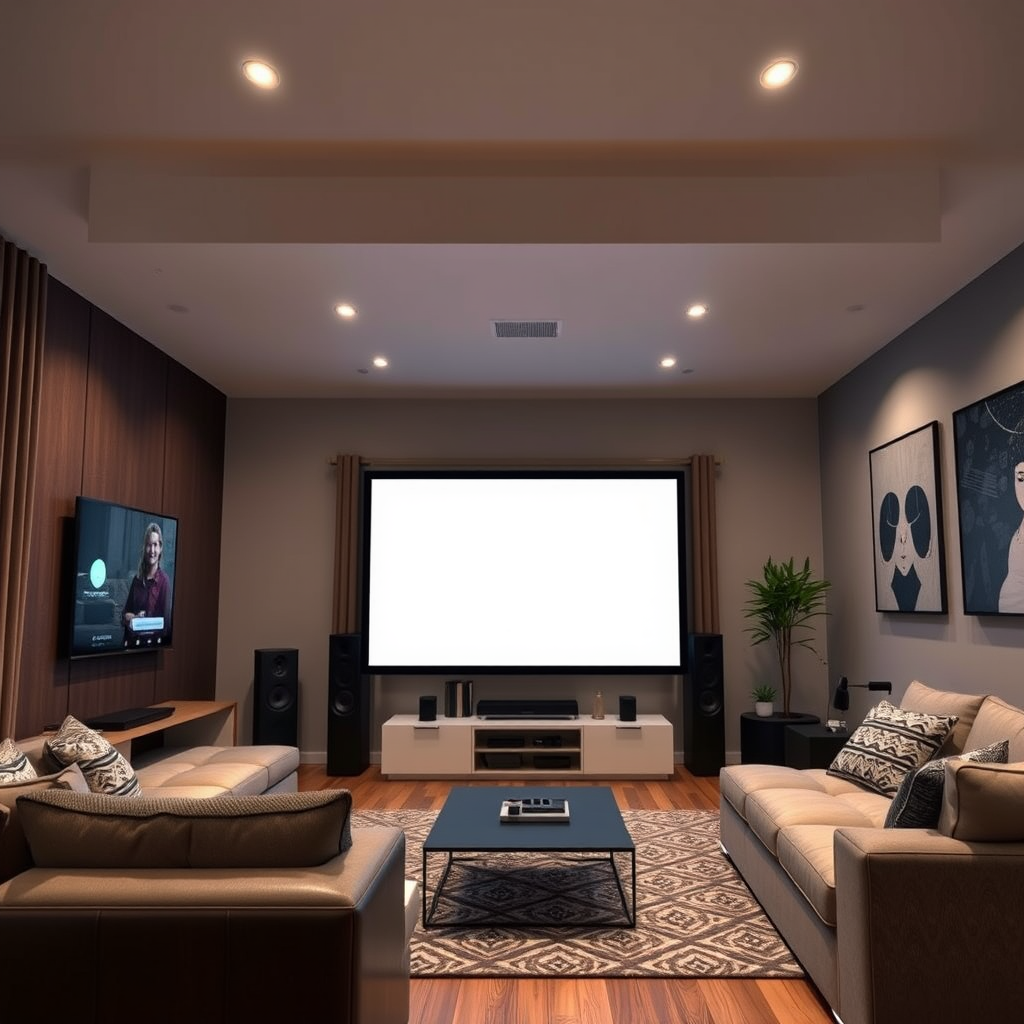
Before diving into the specifications and features of various AV receivers, it’s essential to assess your home theater needs. Start by evaluating the size of your room. A larger space will require a more powerful receiver to drive speakers effectively, while a smaller room might benefit from a more compact model. For instance, if you’re setting up a home theater in a spacious living room, look for a receiver with at least 100 watts per channel to fill the room with sound.
Next, consider the types of content you’ll primarily enjoy. Are you a movie buff who loves to experience the latest blockbusters with cinematic sound? Or do you prefer gaming and want a receiver that can handle high-speed action with low latency? If movies are your main focus, features like Dolby Atmos and DTS:X will elevate your viewing experience by providing a three-dimensional soundscape. For gamers, a low input lag and quick response time can make a significant difference in gameplay.
Key Features to Look For
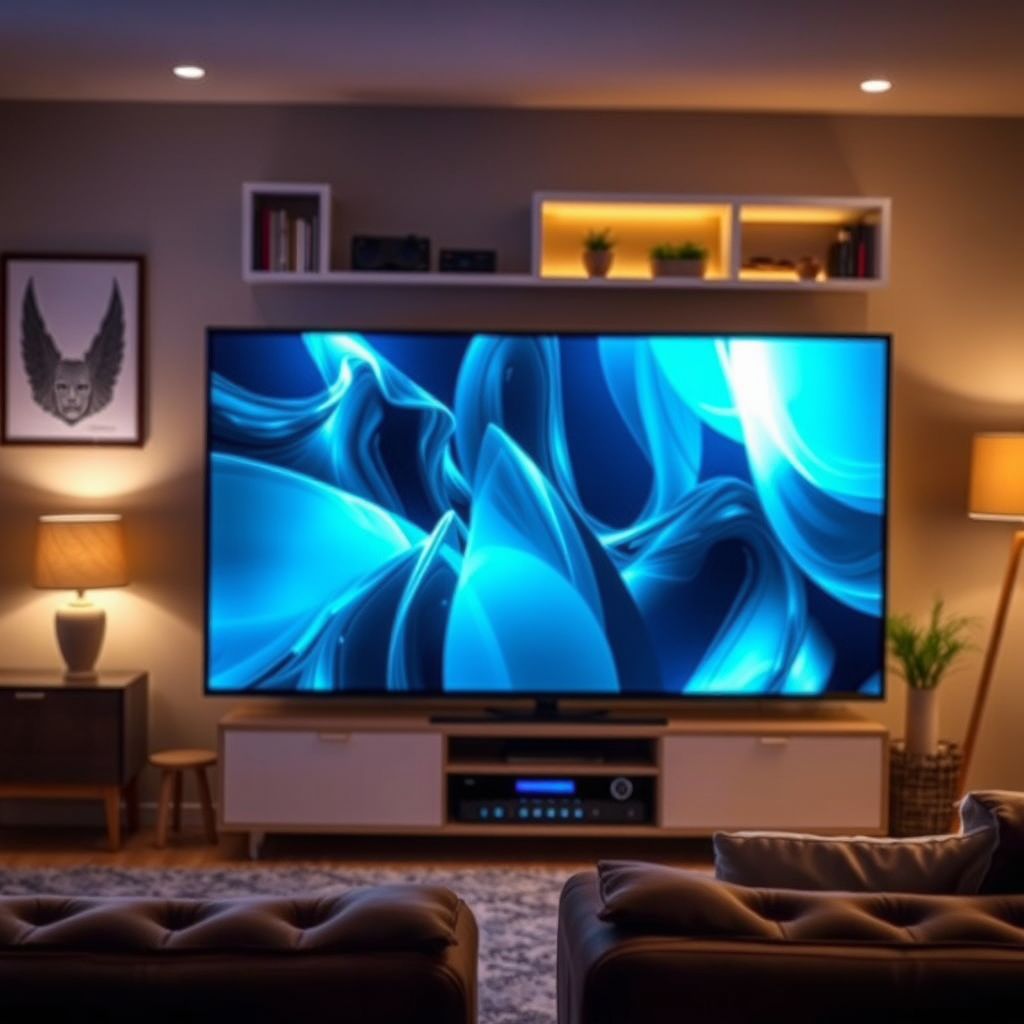
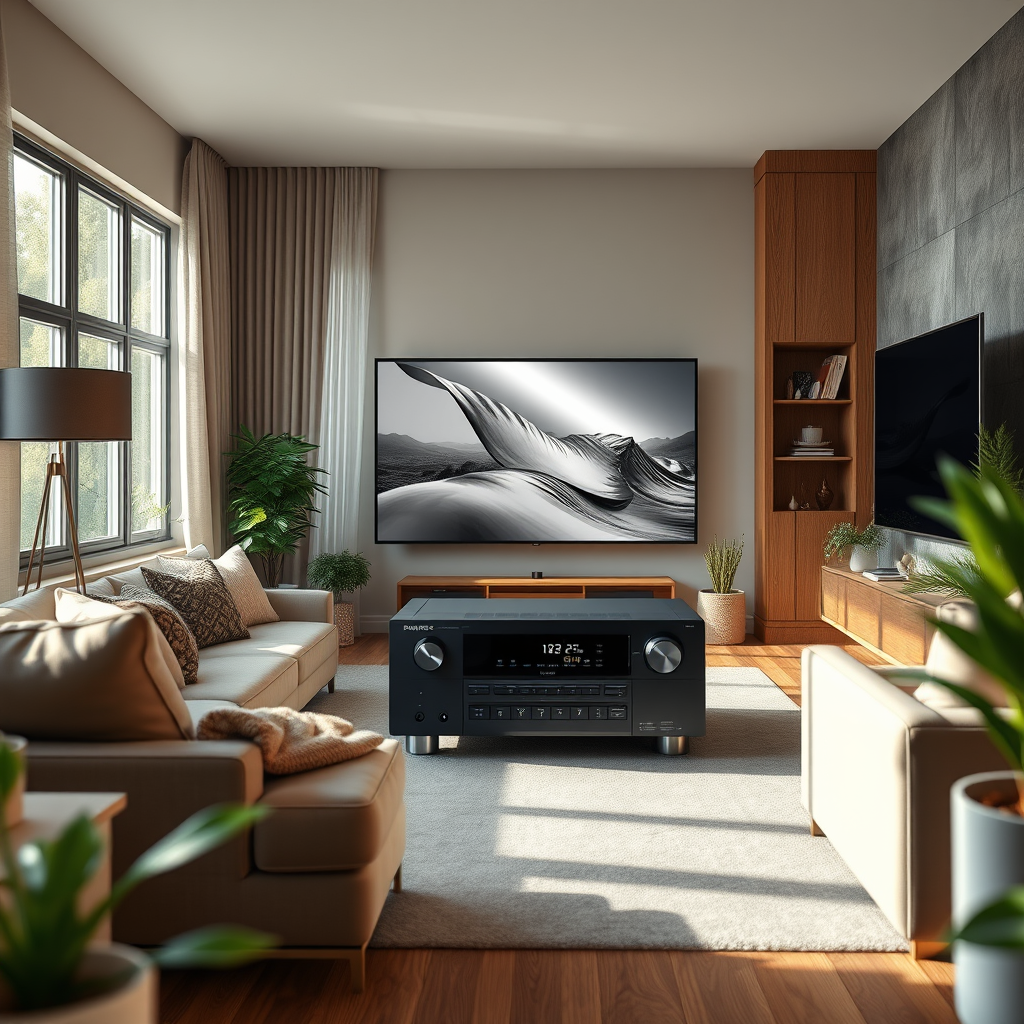
As you explore potential AV receivers, pay close attention to the number and types of inputs and outputs available. An ideal receiver should have multiple HDMI inputs to connect a variety of devices such as gaming consoles, Blu-ray players, and streaming devices. For example, if you own a PlayStation, an Xbox, and a 4K Blu-ray player, look for a receiver with at least four HDMI inputs to accommodate all your devices.
Furthermore, check for support of modern audio formats. A receiver that supports Dolby Atmos and DTS:X will provide an immersive sound experience, allowing you to feel as though you’re in the center of the action. Additional features like HDR (High Dynamic Range) support and 4K passthrough can also enhance your viewing experience, ensuring that you’re ready for the latest in video technology.
Connectivity Options
Connectivity plays a significant role in the overall functionality of your AV receiver. Evaluate both wired and wireless options. HDMI is the standard for high-quality audio and video, so ensure your receiver has ample HDMI ports. However, don’t overlook the value of wireless connectivity. Bluetooth and Wi-Fi capabilities allow you to stream music directly from your smartphone or tablet, which can be a convenient feature for casual listening.
Also, consider whether you need features like multi-room audio. Some receivers support technologies like Sonos or have built-in Chromecast, enabling you to play music in different rooms throughout your home seamlessly. Make sure to factor in the devices you currently own and anticipate using in the future to ensure compatibility and ease of use.
Audio Quality Considerations
When it comes to audio quality, researching amplifier specifications and overall sound quality ratings is vital. Look for receivers with high-quality DACs (Digital-to-Analog Converters) for clearer sound reproduction. For instance, brands like Denon and Yamaha are renowned for their robust sound quality, often featuring advanced audio processing that can significantly improve your listening experience.
Another essential feature is room calibration technology. Many modern receivers come with automatic calibration tools that analyze the acoustics of your room and adjust the speaker settings accordingly for optimal sound output. Brands like Audyssey and Dirac Live offer excellent calibration systems, making it easier for you to achieve high-fidelity sound tailored to your environment.
Budgeting for Your AV Receiver
Budgeting plays a crucial role in selecting the right AV receiver. Start by determining a realistic budget that includes not only the receiver itself but also additional equipment like speakers, cables, and possibly a subwoofer. A good rule of thumb is to allocate about 20-30% of your overall home theater budget to the receiver.
Once you have a budget in mind, compare models within that price range. Keep an eye out for sales and promotions, especially during major shopping events like Black Friday or Cyber Monday. Many reputable brands offer excellent options across various price points, so you can find a model that balances features and cost effectively.
Brand Reputation and Support
Brand reputation can be an essential factor in your decision-making process. Look for brands that are known for their quality and reliability in the AV receiver market. Brands such as Onkyo, Sony, and Marantz have established a strong presence and are highly regarded by enthusiasts and casual users alike.
Additionally, consider warranty options and customer support availability. A good warranty can provide peace of mind, protecting your investment should any issues arise. Research online reviews and customer feedback to gauge the level of support offered by the manufacturer. A responsive customer service team can make a significant difference if you encounter problems during setup or use.
Installation and Setup Tips
Deciding whether to install the receiver yourself or hire a professional can depend on your experience level and comfort with technology. If you choose to go the DIY route, familiarize yourself with setup guides and instructional videos to ensure everything is connected correctly. Many manufacturers provide online resources that can help streamline the process.
If you prefer a professional installation, consider reaching out to local audio-visual specialists who can provide guidance tailored to your home setup. A proper installation can optimize the performance of your receiver and speakers, ensuring you get the best audio experience possible.
Selecting the right AV receiver can significantly enhance your home theater experience, ensuring you enjoy every movie, show, and game to its fullest. By assessing your unique needs and preferences, exploring essential features, and considering your budget, you’ll be well on your way to finding the perfect fit for your home cinema. Don’t hesitate to reach out for expert advice if necessary, and start exploring models today to elevate your entertainment experience!
Frequently Asked Questions
What features should I look for in an AV receiver for my home theater?
When choosing an AV receiver for your home theater, key features to consider include HDMI inputs and outputs, support for 4K and HDR video formats, audio decoding capabilities (such as Dolby Atmos and DTS:X), and built-in streaming services. Additionally, look for room calibration technologies like Audyssey or YPAO, which help optimize sound based on your specific room acoustics, and ensure the receiver has enough power output to adequately drive your speakers.
How do I determine the right power output for my AV receiver?
The right power output for your AV receiver largely depends on your speakers’ specifications and the size of your room. Generally, aim for a receiver that provides 75-100 watts per channel for smaller rooms, while larger spaces may require 100-150 watts per channel to achieve optimal sound levels without distortion. It’s also important to consider the efficiency of your speakers; highly efficient models need less power to produce the same volume as less efficient ones.
Why is compatibility with surround sound formats important when choosing an AV receiver?
Compatibility with surround sound formats like Dolby Atmos and DTS:X is crucial because these technologies enhance your home theater experience by providing immersive audio that moves around you in a three-dimensional space. If you plan to watch movies or play games that support these formats, you’ll want an AV receiver that can decode and deliver this audio accurately to maximize your enjoyment. Ensuring compatibility will future-proof your setup as more content is produced with advanced audio formats.
What is the best budget AV receiver for a home theater setup?
The best budget AV receiver for a home theater setup often depends on personal preference and specific needs, but models like the Yamaha RX-V385 or the Onkyo TX-SR393 are highly rated for their performance and features under $500. These receivers provide solid audio quality, multiple HDMI inputs, and support for 4K video, making them excellent choices for those seeking value without sacrificing quality. Always check for current user reviews and comparisons to ensure you select the best option for your requirements.
Which brands are known for producing reliable AV receivers?
Several brands are renowned for their reliable AV receivers, including Yamaha, Denon, Marantz, Onkyo, and Pioneer. Each of these manufacturers offers a range of models that cater to different budgets and needs, with Yamaha known for its robust features and sound quality, Denon for its excellent audio performance and user interface, and Marantz for its high-end models. Researching customer reviews and product comparisons can help you find a brand that aligns with your home theater goals.
References
- https://en.wikipedia.org/wiki/Audio_video_receiver
- https://www.hdmi.org/manufacturer/hdmi_1_4/
- https://www.cnet.com/home/audio/what-is-an-av-receiver/
- https://www.digitaltrends.com/home-theater/what-is-an-av-receiver/
- https://www.npr.org/2020/01/08/795327128/how-to-build-a-home-theater-system
- https://www.techhive.com/article/3243247/how-to-choose-an-av-receiver.html
- https://www.homesandgardens.com/advice/how-to-choose-an-av-receiver
