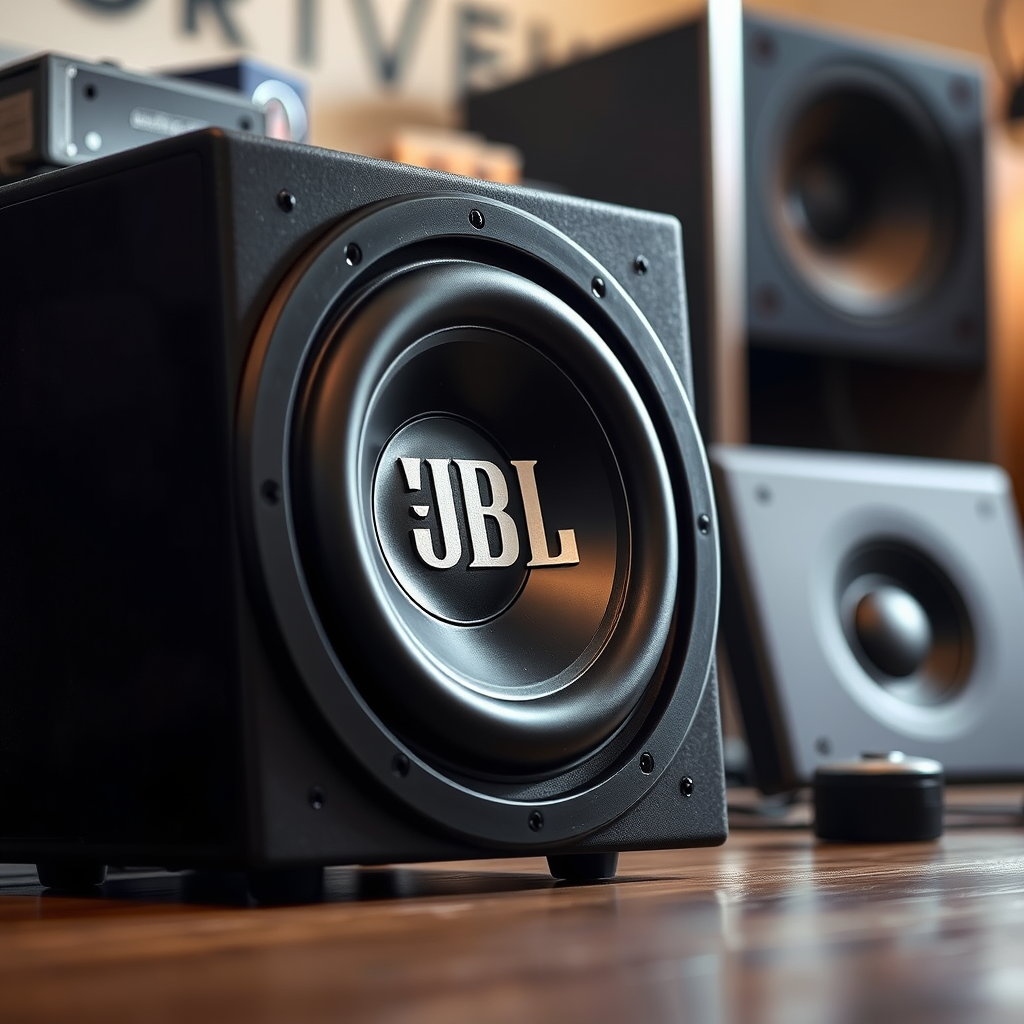
If your JBL subwoofer isn’t producing bass, the first step is to check the connections and settings on both the subwoofer and your audio source. Often, simple adjustments can restore the deep, rich sounds you expect. In this article, we will explore common troubleshooting steps to diagnose and fix the issue, ensuring that you can fully enjoy your audio experience.




Check the Connections

The first and most crucial step in resolving bass issues with your JBL subwoofer is to check the connections. Ensure that all cables are securely connected to both the subwoofer and the audio receiver. Loose or damaged cables can lead to a significant drop in audio performance, especially in bass output.
Inspect the RCA cables or speaker wires for any visible damage, such as frays or cuts. If you find any damaged cables, replacing them is essential. Additionally, ensure that you are using the correct type of cable for your setup, as improper connections can lead to poor performance. If your subwoofer is wireless, verify that it is paired correctly with the audio source.
Adjust the Settings
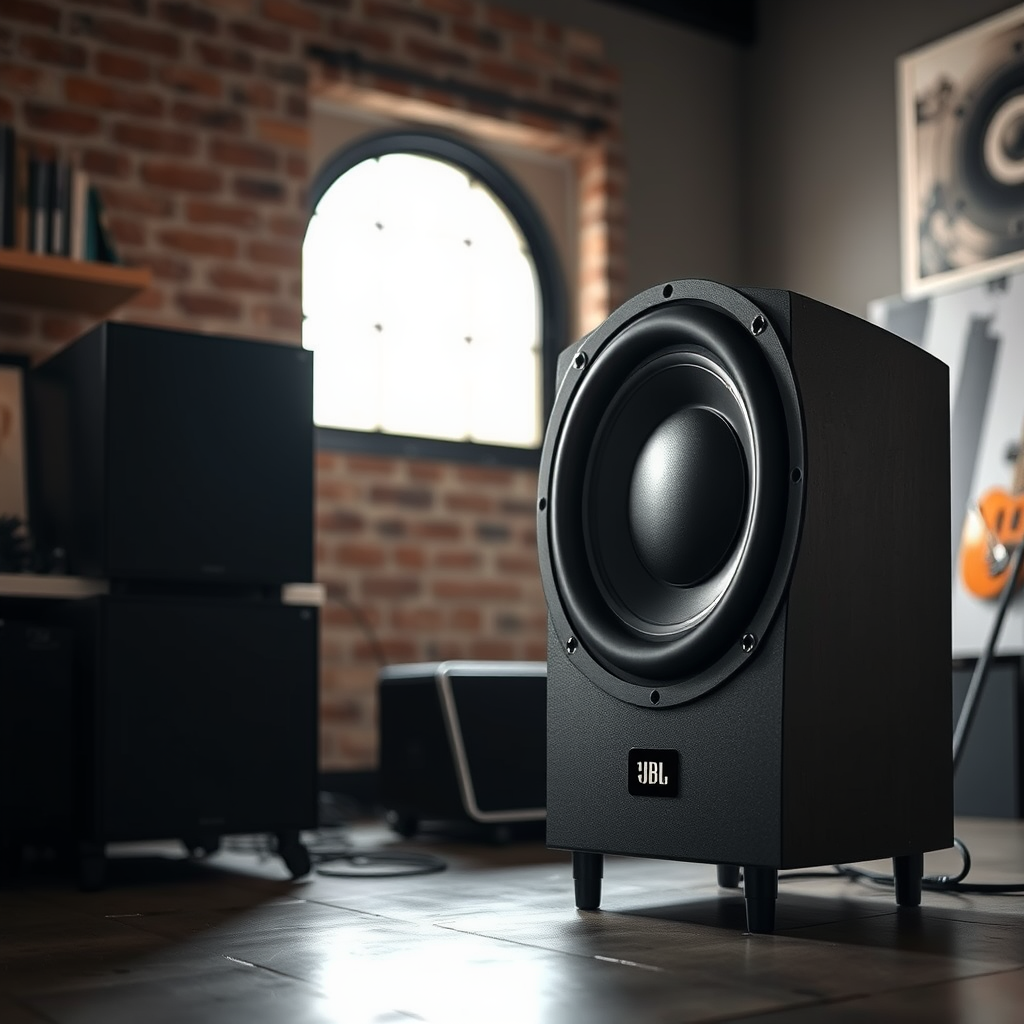
Sometimes, the settings on your audio receiver or amplifier can affect the performance of your subwoofer. Begin by verifying that the subwoofer settings are correctly configured. This includes checking the volume level, phase setting, and any EQ adjustments that may have been made.
It’s also essential to check the crossover frequency settings. The crossover frequency dictates which sounds are sent to the subwoofer. Setting this too high can result in a lack of bass. Generally, a crossover frequency between 80Hz to 120Hz is recommended for most systems, but this may vary based on your specific setup and preferences. Fine-tuning these settings can significantly improve the bass response from your subwoofer.
Inspect the Power Supply
Power supply issues can also impact the performance of your JBL subwoofer. Begin by ensuring that the subwoofer is plugged into a functioning power outlet. If you’re using a surge protector or power strip, try plugging the subwoofer directly into the wall to eliminate any potential issues.
Additionally, check for any blown fuses or tripped circuit breakers in your home. If the subwoofer is not receiving enough power, it will affect its ability to produce bass. In cases where the power supply seems to be functioning correctly, you might want to consider testing the subwoofer with a different outlet or power source.
Test with Different Audio Sources
To further diagnose the issue, connect the subwoofer to a different audio device. This can help you determine if the problem lies with the subwoofer itself or the audio source. For instance, if you typically use the subwoofer with a television, try connecting it to a stereo system or a different audio player.
Moreover, test various types of audio content, including music tracks with strong bass lines as well as movie soundtracks known for their low-frequency effects. This will give you a broader understanding of whether the issue is isolated to specific types of audio or if it persists across all formats.
Update Firmware or Software
Another potential solution is to check if there are any firmware updates available for your JBL subwoofer model. JBL frequently releases updates to improve performance and fix known issues. Visit the official JBL website or use the JBL app if available for your device to find and install any updates.
Following the manufacturer’s instructions for updating the firmware is crucial to ensure optimal performance. Failure to update may leave your subwoofer subject to bugs or performance issues that have already been addressed in newer versions.
Consider Environmental Factors
The placement of your subwoofer can have a significant impact on its performance. Ideally, subwoofers should be placed in a corner of the room to enhance bass response. However, this may not always be feasible depending on your space.
Make sure there are no obstructions such as furniture, rugs, or curtains that could muffle sound output. Additionally, consider the acoustics of your room; hard surfaces can reflect sound, while soft materials can absorb bass. Experimenting with different placements in the room can lead to noticeable improvements in bass performance.
Common JBL Subwoofer Issues and Solutions
| # | Issue | Common Cause | Solution |
|---|---|---|---|
| 1 | No Power | Faulty Outlet | Check Power Supply |
| 2 | No Sound | Loose Connections | Secure All Cables |
| 3 | Weak Bass | Incorrect Settings | Adjust Crossover |
| 4 | Intermittent Sound | Poor Connection | Recheck Connections |
| 5 | Distorted Sound | Overdriven Signal | Lower Volume |
| 6 | No Wireless Connection | Pairing Issues | Re-pair Device |
| 7 | Muffled Sound | Obstructions | Reposition Subwoofer |
Seek Professional Help
If you have tried all the above troubleshooting steps and the issue persists, it may be time to seek professional help. Contacting JBL support can provide specific guidance tailored to your particular model. They may offer insights or solutions that are not readily available in user manuals.
Additionally, consider consulting a professional audio technician. Sometimes the issue may lie within the internal components of the subwoofer, which may require specialized knowledge and tools to diagnose and repair. Investing in professional help can save you time and ensure your equipment is functioning optimally.
Conclusion
By following these steps, you can identify and resolve the issue with your JBL subwoofer not producing bass. From checking connections and adjusting settings to inspecting the power supply and considering environmental factors, many common issues can be easily addressed. However, if the problem continues and troubleshooting does not yield results, don’t hesitate to seek professional assistance. Enjoying high-quality audio is vital, and taking the proper steps will ensure that your JBL subwoofer performs as intended, delivering the rich bass you expect.
Frequently Asked Questions
What are the common reasons why my JBL subwoofer is not producing bass?
There are several common reasons your JBL subwoofer may not be producing bass. These include incorrect wiring connections, settings on your receiver or amplifier, or even a faulty subwoofer. Additionally, check the crossover settings and ensure that the subwoofer is not set to a frequency too high to generate bass effectively.
How can I troubleshoot my JBL subwoofer to restore bass output?
To troubleshoot your JBL subwoofer, start by checking all connections to ensure they are secure and properly wired. Next, verify the settings on your AV receiver or amplifier, adjusting the volume and crossover frequency as necessary. If the issue persists, try connecting the subwoofer to a different output or using a different cable to rule out any hardware problems.
Why is my JBL subwoofer making sound but not producing deep bass?
If your JBL subwoofer is making sound but lacking deep bass, it may be due to improper placement or room acoustics. Subwoofers often perform best when placed in corners or against walls, where they can utilize the space to enhance bass output. Additionally, check the audio source settings to ensure that the bass is not being cut off or limited by the equalizer settings.
What is the best way to set up a JBL subwoofer for optimal bass performance?
The best way to set up your JBL subwoofer for optimal bass performance includes placing it in a corner or near walls to maximize sound waves. Adjust the phase and crossover settings on your receiver to ensure that the subwoofer blends well with your main speakers. Finally, conduct a calibration using a sound level meter or an auto-calibration feature, if available, to refine the bass output.
Which settings should I adjust on my receiver to fix bass issues with my JBL subwoofer?
To fix bass issues with your JBL subwoofer, adjust the subwoofer level and crossover frequency settings on your receiver. Ensure that the subwoofer output is enabled and that the crossover frequency is set appropriately, typically between 80Hz to 120Hz, depending on your main speakers. Lastly, make sure any bass management settings are correctly configured to allow the subwoofer to receive the appropriate low-frequency signals.
References
- https://www.lifewire.com/troubleshooting-a-subwoofer-3135086
https://www.lifewire.com/troubleshooting-a-subwoofer-3135086 - https://www.audioholics.com/tweaks/how-to-fix-a-subwoofer-not-working
https://www.audioholics.com/tweaks/how-to-fix-a-subwoofer-not-working - Google Scholar Google Scholar
https://scholar.google.com/scholar?q=JBL+subwoofer+not+producing+bass - Google Scholar Google Scholar
https://scholar.google.com/scholar?q=how+to+fix+subwoofer+issues - Google Scholar Google Scholar
https://scholar.google.com/scholar?q=troubleshooting+subwoofer+not+working - https://www.crutchfield.com/S-4xtJ1C4euZB/learn/how-to-fix-a-subwoofer.html
https://www.crutchfield.com/S-4xtJ1C4euZB/learn/how-to-fix-a-subwoofer.html - https://www.musictech.net/guides/essential-guide/fix-your-subwoofer/
https://www.musictech.net/guides/essential-guide/fix-your-subwoofer/ - Google Scholar Google Scholar
https://scholar.google.com/scholar?q=How+to+Fix+JBL+Subwoofer+Not+Producing+Bass - How to Fix JBL Subwoofer Not Producing Bass – Search results
https://en.wikipedia.org/wiki/Special:Search?search=How+to+Fix+JBL+Subwoofer+Not+Producing+Bass - https://www.ncbi.nlm.nih.gov/search/research-articles/?term=How+to+Fix+JBL+Subwoofer+Not+Producing+Bass
https://www.ncbi.nlm.nih.gov/search/research-articles/?term=How+to+Fix+JBL+Subwoofer+Not+Producing+Bass