Repurposing old speakers into a budget sound system is a fantastic way to save money while enjoying high-quality audio. Not only does this DIY project breathe new life into unused audio equipment, but it also allows you to customize your sound experience. By taking a few simple steps, you can transform neglected speakers into a vibrant sound system that enhances your music, movies, and gaming experiences—all without breaking the bank!




Assessing Your Old Speakers
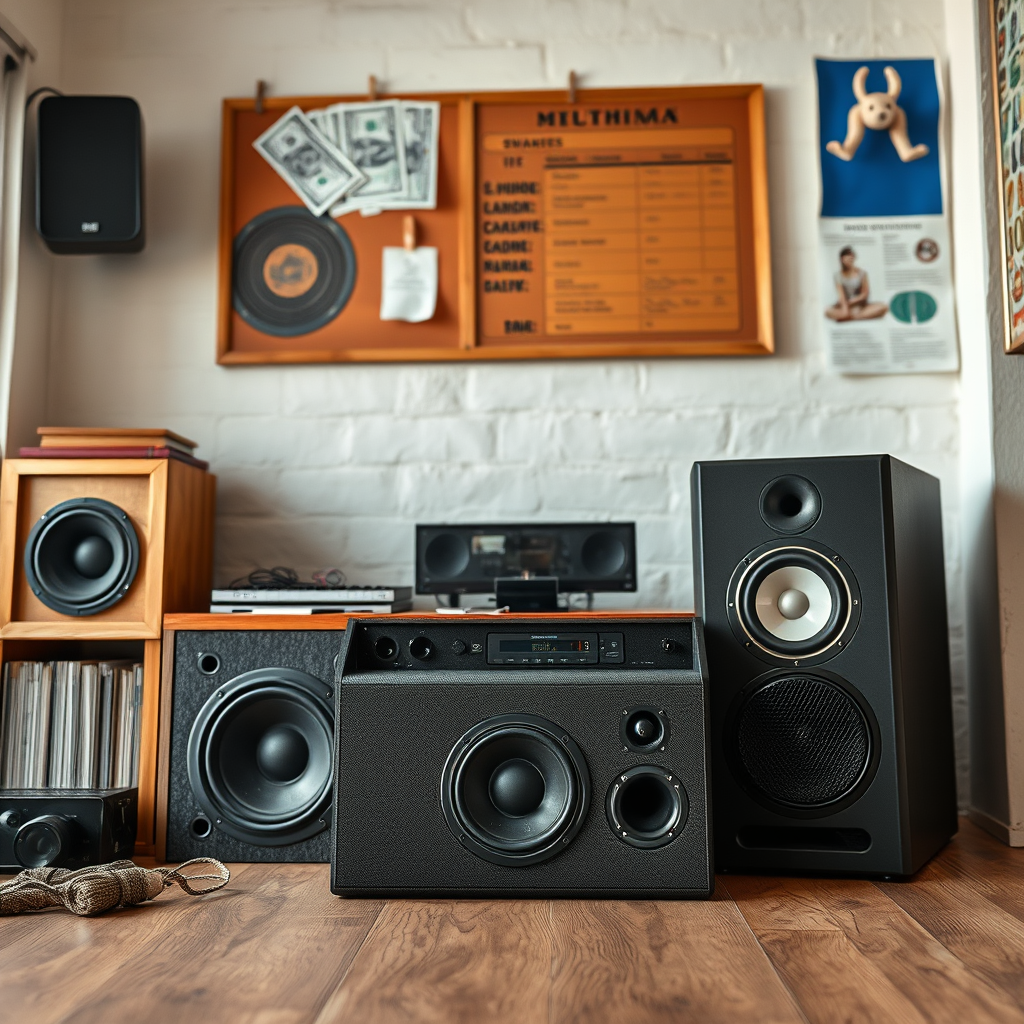
Before diving into the nitty-gritty of building your sound system, it’s essential to assess the condition of your old speakers. Start by checking for any visible damage. Look for cracks in the casing, loose components, or frayed wires. These issues might affect sound quality or even render the speakers unusable. If everything looks good, the next step is to determine compatibility. Many older speakers might not directly connect to modern audio sources, so ensure that they can work with Bluetooth receivers or amplifiers. If your speakers have traditional wire connections, don’t worry; there are plenty of adapters available that can bridge the gap between old and new technology.
Choosing the Right Components
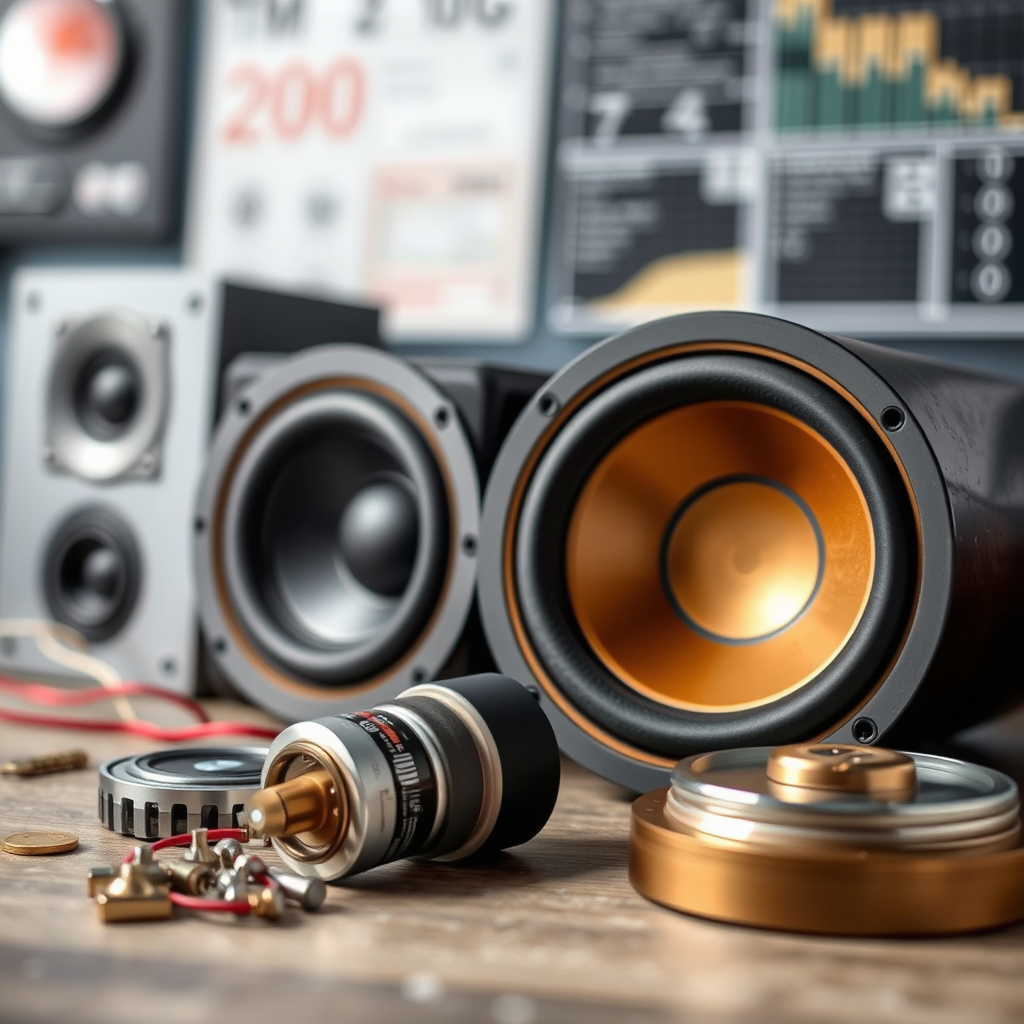
Selecting the right components is crucial to achieving the best sound quality from your repurposed speakers. The first step is to choose a budget-friendly amplifier that matches your speakers’ power ratings. This ensures that your speakers will perform optimally without damage. A great example of an affordable amplifier is the Lepai LP-2020A+, which offers excellent sound quality at a low price point.
Next, consider adding a Bluetooth receiver to your setup. This device allows you to wirelessly connect your smartphone or computer to your speakers, making it incredibly convenient to stream music. Options like the TaoTronics Bluetooth 5.0 Receiver are both affordable and user-friendly, enabling you to mix modern technology with your vintage audio gear.
Connecting Your Speakers
Now that you have assessed your speakers and selected the necessary components, it’s time to connect everything. Understanding the wiring basics is essential for proper setup. Each speaker will have a positive (+) and negative (-) connection, typically color-coded as red and black. Make sure to match these connections correctly; otherwise, you might get poor audio quality or, worse, damage the speakers.
Once you’ve made the connections, it’s wise to test each speaker before finalizing the setup. Play a familiar track and listen to each speaker individually to confirm they’re working properly. If you notice any distortion or lack of sound, double-check the wiring and connections to troubleshoot any issues.
Enhancing Sound Quality
To make the most of your repurposed sound system, consider enhancing sound quality. One effective method is to add sound dampening materials, such as foam or acoustic panels, in the room where the speakers are located. These materials help absorb excess sound and reduce echoes, resulting in clearer audio. You may also want to experiment with positioning your speakers. Moving them around can dramatically change the sound quality; for example, placing speakers closer to walls can enhance bass response, while keeping them away from corners can reduce muddiness.
Another tip is to adjust the equalizer settings on your audio source or amplifier. Most modern devices allow you to customize sound profiles, enabling you to find the best sound for your particular space and listening preferences.
Setting Up the System
Proper setup is key to achieving the best audio experience. Start by positioning your speakers at ear level; this placement allows for optimal sound projection and clarity. If you’re using a stereo setup, placing the speakers about 6-8 feet apart can create a more immersive listening experience.
Don’t forget to configure the audio settings on your amplifier or audio source. Adjust the volume levels, bass, and treble to suit your preferences. This customization can significantly enhance your listening experience, making your favorite songs sound even better.
Maintaining Your Repurposed Sound System
Once you’ve successfully set up your budget sound system, regular maintenance is essential to keep it performing well. Begin with regular cleaning; dust and debris can accumulate over time, affecting sound quality. A soft, dry cloth is usually sufficient for cleaning speaker surfaces, while a gentle vacuum can help remove dust from grills.
Additionally, it’s wise to periodically check your connections. Wires can wear down over time, and loose connections might cause audio dropouts or distortions. By keeping an eye on your setup, you can ensure that your repurposed sound system remains in excellent condition for years to come.
By following these steps, you can successfully turn old speakers into a budget-friendly sound system that enhances your audio experience. Embrace the DIY journey and enjoy your newly revived speakers! Whether it’s for entertaining friends, enjoying a cozy night in with your favorite movie, or simply jamming out to your favorite tunes, your repurposed sound system will undoubtedly elevate your audio enjoyment. Remember to have patience and creativity throughout the process, and you may just discover a newfound appreciation for your old audio gear!
Frequently Asked Questions
What materials do I need to repurpose old speakers into a budget sound system?
To repurpose old speakers into a budget sound system, you’ll need basic tools such as a screwdriver, wire strippers, and soldering iron, along with materials like speaker wire, an amplifier, and possibly a Bluetooth receiver if you’re looking for wireless connectivity. Additionally, you may want to gather acoustic foam or soundproofing materials to optimize sound quality and reduce echo in your listening space.
How can I connect my old speakers to a new device like a smartphone or computer?
You can connect your old speakers to a smartphone or computer using an amplifier with Bluetooth capabilities or by using a wired connection. If your speakers are passive, they will require an amplifier to power them; connect the amplifier to your device via a 3.5mm audio cable or Bluetooth. If your speakers are active, simply plug them into the audio output of your device using the appropriate cable, ensuring compatibility with your speaker’s inputs.
Why should I consider repurposing old speakers instead of buying new ones?
Repurposing old speakers is a cost-effective and environmentally friendly option that not only saves you money but also minimizes electronic waste. Many older speakers can outperform newer budget models in terms of sound quality, and by giving them a new life, you can customize your sound system to fit your specific needs and preferences without investing heavily in brand-new equipment.
What are the best types of old speakers to use for a DIY sound system?
The best types of old speakers to repurpose for a DIY sound system are typically bookshelf or floor-standing speakers, as they often have larger drivers and better sound quality. Additionally, vintage speakers can be a great choice due to their robust construction and superior materials. Look for speakers that are in good condition, with minimal wear on the cones and no damage to the casing, to ensure optimal performance.
Which common issues should I troubleshoot when setting up my repurposed speakers?
Common issues to troubleshoot when setting up repurposed speakers include poor sound quality, lack of sound, and connectivity problems. First, check all connections to ensure they are secure and properly wired; then, adjust the amplifier settings to optimize sound output. If sound is still lacking, consider testing the speakers with a different audio source to rule out device-related issues, and inspect the speakers for any signs of damage or wear that might affect performance.
References
- https://en.wikipedia.org/wiki/Speaker_(audio
- https://www.hagerty.com/media/maintenance-and-tech/repurposing-old-speakers/
- https://www.techhive.com/article/289441/how-to-turn-an-old-stereo-into-a-new-sound-system.html
- https://www.lifewire.com/how-to-repair-old-speakers-1846686
- https://www.soundonsound.com/techniques/old-speakers-new-tricks
- This is not the page you’re looking for… | Make: DIY Projects and Ideas for Makers