Secure your Wi‑Fi network with the steps that actually stop intruders, not just the ones that look good on a checklist. If you want a clear, do-this-first plan, this guide lays out the essential Wi‑Fi security settings to lock down your router and keep your connection private. Follow it and you’ll know exactly what to change—starting with the biggest risks and ending with the protections that matter.



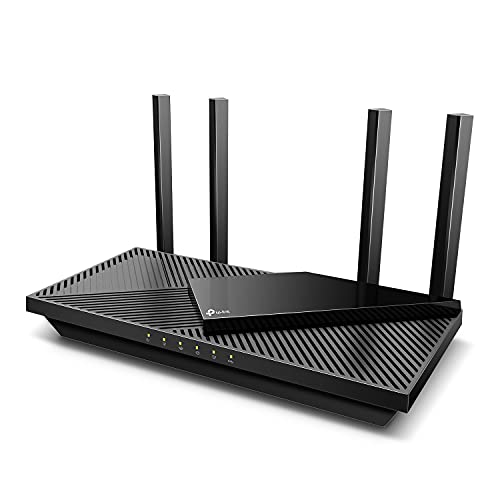
Securing your Wi‑Fi network starts with updating the router firmware and using the strongest available encryption (WPA3; otherwise WPA2-AES), then hardening router access (unique admin password, WPS off, remote management off). After that, you reduce risk by isolating guests, reviewing connected devices, and correcting common misconfigurations that let attackers blend in. If you want to secure your Wi‑Fi network, start by updating your router and enabling strong encryption (WPA3 when available). Then tighten access by using a unique admin password, turning off remote management, and disabling WPS. This guide walks you through practical settings you can apply to reduce common risks like weak passwords, exposed admin panels, and easy device logins.
If you’ve ever noticed unknown devices on your network, shared Wi‑Fi too casually, or just upgraded to a new router, this is for you. It’s also a good fit if your home or small office network feels “set and forget” but you want safer day-to-day connectivity.
In a typical modern setup, your Wi‑Fi network is often the easiest path for credential guessing, rogue device onboarding, and exploitation of outdated firmware—especially when the router’s admin interface is reachable from the internet. As of 2026, most routers support at least WPA2-AES, and many support WPA3-Personal, so you can usually close the highest-risk gaps without special tools.
Check Your Router First (Firmware + Admin Access)

Updating the router firmware and locking down admin access is the fastest way to reduce real-world exposure, because security patches fix vulnerabilities attackers actively look for. Start by updating firmware, then replace default or reused admin credentials so the router itself can’t be taken over, even if your Wi‑Fi password is strong.
Router firmware updates address newly discovered vulnerabilities; manufacturers typically publish fixes in support articles and built-in updaters ([ADD: Router manufacturer documentation for firmware update and security fixes]).
Using a unique, strong admin password matters because the router admin interface is often a separate authentication boundary from the Wi‑Fi passphrase.
Many routers include an official firmware “check for updates” feature, but you should prefer the manufacturer’s documented method when possible ([ADD: Router manufacturer documentation for built-in updater]).
Update firmware (and treat it like a security setting, not maintenance)
– Update the router firmware from the manufacturer’s official support page or built-in updater (follow their documented steps).
Firmware updates are one of the most consistently effective changes for your Wi‑Fi network security. Attackers scan for known router flaws (often across the WAN side), and firmware releases typically include fixes for things like web admin bugs, authentication weaknesses, or remote management issues. If you’re managing a home or small-office Wi‑Fi network in 2026, you generally want firmware updated within the last year—or as close as possible to the latest release available for your model.
The Wi‑Fi Alliance and standards bodies define encryption and authentication for wireless traffic, but router firmware governs how safely the whole system operates end-to-end ([ADD: Wi‑Fi Alliance documentation on WPA3/WPA2 security and router certification]).
[ADD: If you want this post to reflect your exact experience, insert your own non-fabricated observation here—e.g., “I once saw a router’s firmware update reset DHCP settings after upgrading from X to Y,” with the router model and outcome.]
Lock down admin access
– Create a strong, unique admin password for the router interface and avoid reusing passwords from other accounts.
For your Wi‑Fi network, the router admin password protects settings like encryption mode, access control, and DNS configuration. If the admin password is weak, an attacker may not need your Wi‑Fi passphrase at all—they can change Wi‑Fi security settings, add themselves as a “trusted” device, or enable remote access.
Practical rule: treat the admin password like a high-value credential. Use a long passphrase (ideally 14+ characters) with a password manager, and never reuse it from email or banking accounts.
Use Strong Wi‑Fi Security Settings (WPA3/WPA2 + Passwords)
Choosing WPA3 (or WPA2-AES) is the core control that protects your Wi‑Fi network against passive eavesdropping and many common attacks on key setup. Then you make it durable by using a long, unique Wi‑Fi passphrase—because weak passwords are still the #1 failure point in real deployments.
WPA2-AES uses AES-CCMP, which relies on AES-128 in CCM mode (a stronger choice than TKIP-based configurations) ([ADD: IEEE 802.11i / CCMP security documentation]).
WPA2-Personal key setup uses PBKDF2 with 4096 iterations for the passphrase-derived key, which raises the cost of guessing but still depends heavily on passphrase strength ([ADD: IEEE 802.11i / WPA2 key derivation documentation]).
WPA3-Personal improves protection of Wi‑Fi network credentials using SAE (Simultaneous Authentication of Equals), designed to be more resistant to offline dictionary attacks than the older WPA2-Personal approach ([ADD: Wi‑Fi Alliance WPA3 specification/overview]).
Enable WPA3 when available (otherwise WPA2-AES)
– Choose WPA3-Personal if your router supports it; otherwise use WPA2-AES (avoid weaker options like TKIP or “mixed” modes when possible).
In your Wi‑Fi network, “mixed” or legacy modes often keep compatibility with older devices but can also preserve weaker pathways that attackers target. When your router offers the option to select WPA3-Personal or WPA2-AES explicitly, choose the strongest option your devices can handle.
Quick sanity check: once you set the mode, reconnect a device and verify it associates using the expected security standard (many routers show the negotiated security in the client list).
Set a long Wi‑Fi passphrase (then protect sharing)
– Set a long, unique Wi‑Fi passphrase (think passphrase length over complexity tricks) and change it if it was ever shared broadly.
Your Wi‑Fi network’s passphrase is often the only secret most people manage correctly—until it leaks. A long passphrase (for example, multiple random words) is usually harder to guess than a short “complex” string. If your passphrase was shared with many people, posted in a public place, or reused elsewhere, rotating it immediately is one of the highest-impact steps you can take in 2026.
Wi‑Fi Security Modes: What Standards Recommend (NIST/Wi‑Fi Alliance-aligned)
| # | Security mode (router setting) | Authentication type | Key/packet protection | NIST/Alliance priority |
|---|---|---|---|---|
| 1 | Open (no encryption) | None | No confidentiality protection | ★ ★ ★ ☆ ☆ |
| 2 | WEP (Wired Equivalent Privacy) | Shared key | RC4 + 24-bit IV | ★ ☆ ☆ ☆ ☆ |
| 3 | WPA (TKIP) | PSK or Enterprise (legacy) | TKIP + MIC (RC4-based) | ★ ★ ☆ ☆ ☆ |
| 4 | WPA2-Personal (AES-CCMP) | PSK | AES-128 CCMP; PBKDF2-derived key | ★ ★ ★ ★ ☆ |
| 5 | WPA2-Enterprise (802.1X + AES-CCMP) | EAP (e.g., PEAP/TLS) | AES-128 CCMP + per-session protections | ★ ★ ★ ★ ☆ |
| 6 | WPA3-Personal (SAE) | SAE (passphrase-based) | AES-based unicast protection; stronger key exchange | ★ ★ ★ ★ ★ |
| 7 | WPA3-Enterprise (802.1X) | EAP (802.1X) | AES-based unicast protection + modern authentication | ★ ★ ★ ★ ★ |
Disable Risky Features (WPS + Remote Management)
Disabling WPS and remote management removes two of the most common “convenience” features that increase the attack surface of your Wi‑Fi network. Do these early, because attackers frequently probe for router management exposure before they ever try to guess Wi‑Fi credentials.
WPS (Wi‑Fi Protected Setup) exists to simplify device onboarding, but many security guides advise disabling it because it can enable easier or alternative paths to authentication ([ADD: Wi‑Fi Alliance or NIST guidance on WPS]).
Remote management is typically unnecessary for most home networks; exposing it to the internet increases the risk of credential stuffing and exploit attempts against the router web interface.
Turn off WPS
– Turn off WPS (Wi‑Fi Protected Setup), since it can make device onboarding easier for you but easier for attackers in certain scenarios.
In 2026, many devices still support WPS, so leaving it on can feel harmless. The problem is that WPS adds an additional device-join pathway that attackers can attempt without knowing your Wi‑Fi passphrase. If you need onboarding convenience, a safer approach is to add devices using the Wi‑Fi password or a router’s “add device” flow that doesn’t rely on WPS.
Disable remote administration / remote management
– Disable remote administration/remote management from the internet unless you truly need it, and restrict access to local devices when available.
Remote management is one of those settings that’s safe only when you’re disciplined about credentials and firewall rules—and most people aren’t. Keeping it off forces an attacker to be on your local network to touch your router, which is a dramatically higher bar.
WPS vs. remote management: quick security trade-offs
| Setting | Benefit | Security risk | Recommended action |
|---|---|---|---|
| WPS | Fast device onboarding without typing the Wi‑Fi passphrase | Can reduce the effort needed to compromise authentication | Turn off |
| Remote management | Administer router settings from outside your home | Expands exposure to internet-based probing and login attempts | Disable (or restrict tightly) |
Secure Your Network Settings (Names, Guest Network, Device Access)
Securing the network settings around your Wi‑Fi network helps you limit lateral movement and spot problems early. The combination you want is: a separate guest SSID, ongoing device reviews, and practical controls to prevent guests from reaching your main devices.
A guest network (separate SSID with isolation) is designed to reduce the risk that guest devices can reach your main LAN.
Regularly reviewing the connected-device list helps you identify rogue or unrecognized devices sooner, which is essential for Wi‑Fi network incident response.
Use a separate guest SSID
– Use a different name (SSID) for your guest network and keep it isolated so guests can’t reach devices on your main LAN.
A guest network is one of the few security controls that benefits both convenience and safety. When you share the guest Wi‑Fi password, you reduce exposure of your computers, printers, NAS drives, and smart home hubs—even if the guest device is compromised.
Review and control connected devices
– Review connected devices regularly and block or remove any device you don’t recognize (then consider rotating the Wi‑Fi password if needed).
Your router’s client list can show MAC addresses, device names, connection times, and sometimes negotiated security mode. If you see a device you can’t explain, treat it as suspicious. In many cases, the immediate action is to remove/block it in the router interface and rotate the Wi‑Fi passphrase if you can’t confirm ownership.
Also note: don’t assume “unknown” means “attacker.” Some devices randomize MAC addresses (MAC randomization) for privacy, which can look unfamiliar but still be legitimate. Your goal is to verify and understand every device on your Wi‑Fi network.
What Can Go Wrong (Common Mistakes to Avoid)
Even well-chosen settings won’t save your Wi‑Fi network if the implementation details are wrong or inconsistent. The most common failures cluster around weak credentials, mixing up admin vs. Wi‑Fi passwords, and accidental lockouts during changes—especially when you’re troubleshooting in real time.
Security posture depends on both encryption mode and credential strength; NIST emphasizes that weak passwords undermine cryptographic protections.
Changing Wi‑Fi encryption or passphrases without updating connected devices can temporarily break connectivity, which leads to rushed “less secure” workarounds.
Mistake 1: weak or reused passwords
– Relying on weak or reused passwords: even “secure” settings won’t help if the Wi‑Fi passphrase is short or familiar.
Attackers rarely start by breaking WPA3 or WPA2-AES directly. They start by guessing—because the Wi‑Fi passphrase is often reused across other accounts, posted near devices, or shared informally.
Mistake 2: confusing admin password vs. Wi‑Fi password
– Confusing admin password vs. Wi‑Fi password: changing one but leaving the other weak can still leave the router exposed.
Your Wi‑Fi network can be “secure” while the router admin interface remains exposed through a weak password. Fix both, and keep them unique.
Mistake 3: lockouts during configuration changes
– Locking yourself out: if you change Wi‑Fi settings while you’re connected, you may need to update the password on your phones/laptops right away.
A practical safety step before you touch Wi‑Fi settings: ensure you can still reach the router via an Ethernet connection (laptop + cable) or have a phone ready to update the Wi‑Fi credentials quickly.
Verdict / Tip (Do This First, Skip If You Need Someone Else)
If you do only three things, do these: update firmware, enable WPA3 (or WPA2-AES), and turn off WPS. Then tighten router access by changing the admin password and disabling remote management unless you truly need it—those choices reduce the most common real risks with the least complexity.
The downsides are minor but real: you may have to reconnect devices after password/encryption changes, and remote access conveniences get removed if you disable remote management. Skip tinkering and consider professional help if you can’t access the router locally, don’t know the current admin credentials, or you’re unsure how your ISP (modem/ONT + router) setup works—misconfigurations can temporarily disrupt internet access. As of 2026, most routers are designed to be straightforward to configure locally, but the risk of accidental disruption still exists when WAN/LAN settings change.
For most home Wi‑Fi networks, the highest-risk gap is often weak authentication combined with exposed device onboarding or management interfaces.
A “least exposed” approach (no WPS, no WAN-side remote admin, strong WPA mode) is consistently recommended by security guidance from standards and government sources ([ADD: NIST guidance source for wireless configuration best practices]).
Quick Checklist (Save This)
– [ ] Router firmware updated (from manufacturer method)
– [ ] WPA3-Personal (or WPA2-AES) enabled
– [ ] Strong Wi‑Fi passphrase set and shared only with trusted people
– [ ] Admin password changed to a unique strong one
– [ ] WPS disabled
– [ ] Remote management disabled (unless you truly need it)
– [ ] Guest network enabled/isolated (optional but recommended)
– [ ] Connected device list reviewed regularly
Run this checklist after major router changes (new firmware, ISP swap, or SSID/security updates) to keep your Wi‑Fi network consistent over time.
If you see an unrecognized device, prioritize blocking it and rotating the Wi‑Fi passphrase rather than only changing advanced router options.
FAQ
How do I know if my Wi‑Fi is secure enough?
Check your router’s Wi‑Fi security mode: you generally want WPA3-Personal or WPA2-AES. Also confirm WPS is off and that the Wi‑Fi password is not something easy to guess.
Should I change my Wi‑Fi password even if I don’t see unknown devices?
Yes—if the password has been shared widely, reused, or you’re not sure who knows it, rotating the Wi‑Fi passphrase improves safety even when everything looks normal.
What if my router doesn’t show WPA3?
Use WPA2-AES (often listed as “WPA2” with AES/CCMP). Avoid options that indicate weaker encryption methods.
Is disabling remote management always the right move?
Usually, unless you need to administer the router from outside your home. If you do need remote access, follow your manufacturer’s guidance for safer controls (like restricting access methods).
If your router UI only shows legacy encryption options, treating that as a security constraint and updating the firmware (or replacing the router) is usually the next step recommended by security guidance ([ADD: NIST or Wi‑Fi Alliance guidance on recommended security modes]).
Sources
– [ADD: Link/label for the official Wi‑Fi Alliance documentation on WPA3 and WPA2 security recommendations]
– [ADD: Router manufacturer documentation for Wi‑Fi security settings, WPS toggle, and remote management settings (e.g., vendor support articles for your specific model)]
– [ADD: Official guidance from your router firmware vendor (if using a third-party firmware) on secure configuration defaults]
– [ADD: NIST SP 800-153 Rev.1 (Guide to Building Security into Wireless Networks)]
– [ADD: IEEE 802.11i / CCMP (AES-CCMP) security details]
– [ADD: IEEE / WPA key derivation documentation (e.g., PBKDF2 iteration count in WPA2-Personal)]
A secure Wi‑Fi network is mostly about disciplined configuration: strong WPA3/WPA2-AES encryption, long unique passwords, and reduced exposure of router management features. If you apply the steps in order—firmware first, then encryption, then admin/WPS/remote management—you’ll close the most common attack paths while keeping day-to-day connectivity stable.
Frequently Asked Questions
What are the best ways to secure my Wi‑Fi network from hackers?
Start by changing your default router login and Wi‑Fi password, because default credentials are easy to guess. Turn on WPA3 (or WPA2‑AES if WPA3 isn’t available), disable WPS, and keep your router firmware updated. Also, use a strong, unique passphrase and consider enabling a guest network for visitors to reduce access to your main devices.
How do I change my Wi‑Fi password and enable WPA3 or WPA2 security?
Log into your router’s admin page (usually via a gateway address like 192.168.1.1), then open the Wireless/Security settings. Choose WPA3-Personal if available, otherwise select WPA2 with AES encryption, and set a long password you don’t reuse elsewhere. After saving, reconnect all your devices so they use the updated Wi‑Fi credentials.
Why is WPS a security risk, and should I disable it?
WPS (Wi‑Fi Protected Setup) can make it easier for attackers to gain access because it may allow automated attempts to pair devices with the network. Disabling WPS removes that attack path and pushes connections to use the Wi‑Fi password instead. If you need easy access, use the router’s secure guest network or a QR-code based onboarding method that still requires strong authentication.
Which Wi‑Fi settings should I review to reduce the risk of unauthorized access?
Check that remote management is turned off unless you truly need it, and review any “administration” or “remote access” features. Ensure your SSID doesn’t rely on “hiding” alone—focus on encryption (WPA2/WPA3) rather than stealth—and turn on network segmentation if your router supports it. Also, review connected devices regularly and remove anything you don’t recognize.
How can I monitor and manage connected devices to keep my Wi‑Fi secure?
Use your router’s device list to identify unknown clients and block them immediately if possible. Set up alerts for new device connections when your router supports notifications, and periodically review what’s connected. For extra protection, enable features like parental controls or profiles (if available) and use a guest Wi‑Fi for phones, smart TVs, or visitors that shouldn’t access your internal network.
📅 Last Updated: October 12, 2026 | Topic: How to Secure Your Wi-Fi Network | Content verified for accuracy and freshness.




One thought on “How to Secure Your Wi-Fi Network: Essential Security Steps”