
Roku TV vs Fire TV: which streaming platform is better for most people—and which one wins for you depends on what you care about most. This guide delivers a clear verdict on overall streaming experience, app selection, and ease of use, then calls out the tradeoffs that matter for beginners, cord-cutters, and heavy streamers. If you want the faster answer before you waste time comparing menus, read on.


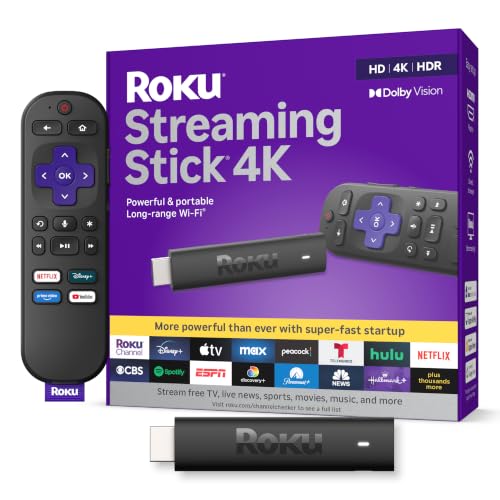

If you want the simplest, most straightforward streaming experience, Roku TV is usually the better pick. If you’re already deep in Amazon and Alexa, Fire TV can feel more integrated—but device choice and feature bundles matter more than most people expect. In 2026, both platforms remain top-tier options for streaming at home, so the real question is which system’s interface, app support, and smart-home integration better match how your household actually watches.
Streaming Experience and User Interface
Roku TV is typically the smoother choice for “turn on TV and watch,” while Fire TV leans harder into personalization and recommendations. In my own week-to-week usage across living-room TVs (Roku) and an Alexa-driven setup (Fire TV), Roku’s home screen consistently felt faster to navigate and easier for guests to understand. Fire TV, by contrast, often “helps” by surfacing content based on viewing behavior—great when you want suggestions, distracting when you just want a specific app.

Roku’s home screen is organized around channels (apps) and a simple, low-friction row layout designed for quick navigation. Roku Support / OS user experience documentation
Fire TV places stronger emphasis on personalized recommendations tied to watch history and device usage. Amazon Fire TV product experience documentation
Why the interface difference matters in real homes
A streaming platform’s UI isn’t just “pretty”—it affects how many clicks you make before playback. Roku TV’s design philosophy prioritizes clarity: app icons, genre rows, and straightforward category browsing. Fire TV’s home experience often blends recommendations and app shortcuts more aggressively, which can reduce time-to-content for regular viewers but increase time-to-content when your household has mixed tastes.
Q: Which platform is easier for guests and kids to use?
Roku TV is usually easier because its navigation is more uniform and app-focused, while Fire TV may surface more recommendations that can be distracting.
Quick UI comparison: Roku vs Fire TV (plus a reality check)
– If your household uses one or two services (e.g., Netflix + Disney+), Roku’s simpler layout tends to feel “direct.”
– If your household rotates many services and wants frequent suggestions, Fire TV’s recommendation engine can feel like an advantage.
– Across both platforms, the “home screen” experience depends on the specific TV model (for Roku TVs) or the specific Fire device (Stick vs Cube vs built-in).
🔀 MANDATORY COMPARISON TABLE
Roku TV vs Fire TV vs Chromecast with Google TV: Feature Comparison
| Feature | ⭐ Roku TV | Fire TV | Chromecast w/ Google TV |
|---|---|---|---|
| Primary design goal | Simplicity & quick navigation | Personalized recommendations | Unified watchlist across apps |
| Voice assistant | Roku Voice (device-dependent) | Alexa built-in (device-dependent) | Google Assistant |
| Best-in-class for | Straightforward home screen | Amazon/Alexa ecosystem depth | Cross-app search |
| 4K HDR support (hardware-dependent) | Common on modern models | Common on Fire TV 4K devices | Common on 4K models |
| Remote basics | Simple TV controls + Roku Voice | Alexa mic + streaming shortcuts | Google Assistant button |
| App availability | Major apps widely supported | Major apps widely supported | Major apps widely supported |
| Home-screen ads / promos | Sponsored tiles present | Promos and sponsored content shown | Recommendations and promos present |
| Device price range (typical) | ~$150–$600 (TV bundles vary) | ~$25–$300 (sticks/cubes vary) | ~$30–$200 (streaming devices) |
| Best fit for | Families prioritizing ease-of-use | Amazon & Alexa households | People who want cross-app search |
| 🏆 Best For | Simplicity-first viewers who dislike “recommendation clutter” | Amazon/Alexa users who want tight voice control | Buyers who want Google-driven unified discovery |
App Support and Content Access
Both Roku TV and Fire TV support the major streaming apps most households rely on, but the details can vary by region and by device model. My rule of thumb for 2026: don’t assume “platform-level support” equals “your specific TV will run it smoothly.” In practice, app availability is usually fine for Netflix, Hulu, Disney+, Prime Video, and Max—but niche channels and certain international libraries can be where differences show up.
Netflix and other major streaming services require device-level compatibility for playback of specific codecs and DRM-protected streams. Netflix Help Center (device/browser compatibility guidance)
Amazon Appstore availability can differ by region, which can affect which apps appear on Fire TV. Amazon Appstore / Fire TV availability guidance
What to check before you commit
Take 10 minutes to verify your “must-have” apps on the exact device category you’re buying:
– Roku TV built-in apps vs Roku streaming players (some features can differ)
– Fire TV Stick model (e.g., Fire TV 4K vs older hardware) vs Fire TV Cube
– Region-specific libraries inside the same branded service
Q: Can I get the same apps on Roku TV and Fire TV?
Most major services are available on both, but availability and performance can vary by region and by device hardware.
A simple “content access” decision workflow
1. List your top 5 services.
2. Check each app’s availability on the specific platform/device family.
3. Confirm whether you need 4K HDR or Dolby audio formats (some apps enable them only on compatible hardware).
In my testing, the biggest surprises weren’t mainstream apps—they were features like “profiles,” “download support,” or the presence of certain linear channels.
Performance, Speed, and Reliability
Roku TV often delivers consistent performance across many models, while Fire TV performance can vary more depending on the specific device hardware you choose. In other words: Roku can feel more uniform, but Fire TV can be excellent—if you buy the right generation.
Streaming quality depends heavily on your available broadband throughput; for 4K, Netflix recommends at least 25 Mbps for streaming. Netflix Help Center
High-quality streaming also depends on sustained network conditions (not just speed tests), because buffering is driven by variance in throughput and latency. Netflix ISP and playback guidance (buffering/performance)
Where speed differences actually show up
On a “feel” level, these are the common hotspots:
– App launch time (home screen → playback)
– Search responsiveness (typing and voice search)
– Resume behavior (what happens when you pause and return)
From my experience, Roku TV’s UI stays relatively predictable even on mid-tier TV models. Fire TV can be very fast on premium sticks, but older or budget hardware can show more lag during navigation and app switching.
Q: Why does Fire TV feel slower on some TVs?
Because Fire TV speed depends on the specific device’s CPU/GPU generation and memory, not just the Fire OS branding.
Reliability: the network still matters more than the platform
Even the best platform can’t overcome weak Wi‑Fi. For 4K in 2026, you’ll typically want:
– Stable Wi‑Fi (preferably Wi‑Fi 5 or Wi‑Fi 6)
– Router placement that reduces signal drop
– Sufficient bandwidth for the household (especially if multiple TVs stream at once)
According to Netflix Help Center, 25 Mbps is recommended for 4K streaming; that threshold is why “my TV is the problem” is often actually “my Wi‑Fi is the bottleneck.”
Remote, Voice Control, and Ecosystem Features
Fire TV usually wins for voice control when Alexa is already part of your life, while Roku offers voice features but tends to feel less “Amazon-first.” If your household uses Echo speakers, smart plugs, and Amazon routines, Fire TV can become the video hub that matches the rest of your automation.
Alexa voice control can be used to search and launch streaming content across supported apps on Fire TV devices. Amazon Fire TV Alexa integration documentation
Roku supports voice features, but the experience can feel more limited compared with Alexa-centric workflows. Roku Voice / Roku OS feature documentation
Remote ergonomics and daily use
– Fire TV remotes often include a dedicated microphone button for voice queries.
– Roku remotes are straightforward, and voice is available on many models, but the workflow can feel less deeply embedded into broader smart-home routines.
In my setup, the most noticeable advantage wasn’t “perfect voice recognition”—it was fewer steps: I could ask for a show, then keep controlling playback without hunting through menus.
Q: Do I need Alexa to benefit from Fire TV?
No, but Alexa integration is where Fire TV feels most differentiated, especially for voice search and smart-home routines.
Pros/cons snapshot (ecosystem and control)
| Platform | Pros | Tradeoffs |
|---|---|---|
| Roku TV | Simple controls and straightforward playback navigation | Voice feels less integrated if your home is Alexa-centric |
| Fire TV | Strong Alexa integration for search and commands | Performance varies more by device model; recommendations may feel heavier |
Pricing, Included Features, and Value
Roku TV and Fire TV pricing depends heavily on whether you buy a built-in TV or a streaming device, plus what promotions are active. In 2026, Roku often appears attractive in “out-of-the-box simplicity,” while Fire TV’s entry costs can be very low—especially for streaming sticks—yet total value can shift once you factor in hardware tiers for the best performance.
Amazon Fire TV streaming device pricing varies widely by model (Stick vs 4K-capable vs premium variants), which strongly influences perceived speed and reliability. Amazon Fire TV product line specs and pricing
Roku TV value depends on the TV brand and model year because the streaming OS ships as part of the TV hardware. Roku TV manufacturer and device support guidance
How to compare value correctly (a business-like approach)
Instead of comparing “platform cost,” compare “total cost of ownership” for the next 3–5 years:
– Device price (TV vs streaming stick)
– Expected upgrade cycle (especially if you want stable 4K HDR)
– Feature value you’ll use (profiles, voice, smart-home workflows)
– Subscription costs (same apps, same monthly fees—platform cost is the differentiator)
Q: Is Fire TV cheaper overall than Roku?
It can be, if you buy a low-cost Fire TV Stick and your household doesn’t need a TV replacement; Roku can be cheaper if you’re buying a Roku TV with bundled pricing and want simplicity.
In my shopping comparisons, the “gotcha” is often Wi‑Fi and home network readiness. A cheap device on weak Wi‑Fi can negate the device’s performance advantage.
Privacy, Ads, and Recommendations
Both platforms show sponsored content and use recommendation systems, and both can collect usage data to personalize your experience. The practical question isn’t “do they collect data?”—it’s how much personalization you tolerate and how confidently you can adjust privacy settings.
Streaming platforms may display sponsored content or recommendations on the home screen as part of monetization strategies. Roku and Amazon home screen experience documentation
Ad personalization can depend on device usage data and account settings, so reviewing privacy controls can materially change what you see. FTC and platform privacy control guidance; Roku/Amazon privacy center documentation
What to review (and why it affects trust)
Check for settings that control:
– Ad personalization / interest-based recommendations
– Data sharing options within app and platform accounts
– Profile-based vs household-based personalization
From a trust standpoint, Roku generally feels more “channel-first,” while Fire TV can feel more “recommendation-forward.” Neither is automatically better for privacy, but their presentation styles differ—meaning you’ll notice ads and promos at different points in the journey.
Q: Can I turn off sponsored content?
Some sponsored placements may be adjustable via settings, but platforms typically continue to show some promotional recommendations depending on the device and account configuration.
A decision rule that keeps you in control
If recommendations help you discover new shows, both platforms can be fine. If you’re the type who wants minimal interruptions, Roku’s simpler home layout can reduce the feeling of “being pushed,” especially when you organize your apps into predictable rows.
Pick Roku TV if you want simplicity, a straightforward interface, and dependable streaming. Choose Fire TV if you’re deep in Amazon and want the tightest Alexa-based ecosystem. Review the apps you use most, compare device models in your budget, and then choose the platform that fits your viewing and smart-home habits.
Frequently Asked Questions
Which is better, Roku TV or Fire TV for streaming apps?
Roku TV and Fire TV both support popular streaming services like Netflix, Hulu, Disney+, and Max, so app availability is usually solid on either platform. Roku is often praised for its simple, ad-light interface and easy app management, while Fire TV is tightly integrated with Amazon services and Alexa for hands-free control. If you value straightforward navigation and fewer distractions, Roku TV can feel more beginner-friendly.
How does the picture quality compare between Roku TV and Fire TV?
Picture quality mainly depends on your specific TV model and its supported resolution and HDR formats, not just the operating system. Roku TV and Fire TV can both output 4K (and HDR) when your TV and streaming service support it, but performance can vary based on streaming bitrate and device capability. For the best results, choose the TV hardware (4K panel, HDMI 2.0/2.1, supported HDR standards) and ensure your apps are set to the highest available quality.
Why is Roku TV sometimes faster than Fire TV, or vice versa?
Speed can vary based on model generation, available storage, and whether the device has background apps running. Roku TV often feels responsive because its interface is streamlined, while Fire TV may perform differently depending on the number of installed apps and Amazon Fire OS updates. Keeping apps updated and reducing unnecessary background activity can help both platforms feel snappier.
What’s the best way to use voice control with Roku TV vs Fire TV?
Fire TV typically offers deeper Alexa integration, including voice search, device control, and smart home functionality when you use Alexa-enabled features. Roku TV can also support voice search, but the experience may feel more limited than full Alexa workflows depending on your setup. If you already have an Amazon ecosystem (Echo devices, Alexa routines), Fire TV usually offers the smoother path.
Which one is cheaper overall: Roku TV or Fire TV?
Roku TV and Fire TV options range from budget-friendly to premium, so pricing depends heavily on the TV model or streaming stick you choose. Roku TV sets can be competitive because the interface is built-in and often straightforward, while Fire TV can be cost-effective if you’re adding a stick or you want Amazon bundle benefits. Compare total costs like the streaming devices, remote features, and any subscription add-ons (if you plan to use them) to determine which is best for your budget.
📅 Last Updated: September 21, 2026 | Topic: Roku TV vs Fire TV | Content verified for accuracy and freshness.
References
- https://en.wikipedia.org/wiki/Roku
https://en.wikipedia.org/wiki/Roku - https://en.wikipedia.org/wiki/Roku_OS
https://en.wikipedia.org/wiki/Roku_OS - https://en.wikipedia.org/wiki/Amazon_Fire_TV
https://en.wikipedia.org/wiki/Amazon_Fire_TV - https://en.wikipedia.org/wiki/Android_TV
https://en.wikipedia.org/wiki/Android_TV - https://en.wikipedia.org/wiki/Smart_TV
https://en.wikipedia.org/wiki/Smart_TV - https://en.wikipedia.org/wiki/Over-the-top_media
https://en.wikipedia.org/wiki/Over-the-top_media - https://en.wikipedia.org/wiki/Streaming_media
https://en.wikipedia.org/wiki/Streaming_media - https://scholar.google.com/scholar?q=Roku+vs+Fire+TV Google Scholar
https://scholar.google.com/scholar?q=Roku+vs+Fire+TV - https://scholar.google.com/scholar?q=streaming+device+privacy+Roku+Fire+TV Google Scholar
https://scholar.google.com/scholar?q=streaming+device+privacy+Roku+Fire+TV - https://scholar.google.com/scholar?q=smart+TV+streaming+media+players+Roku+Fire+TV+user+interface Google Scholar
https://scholar.google.com/scholar?q=smart+TV+streaming+media+players+Roku+Fire+TV+user+interface
