
Roku vs Fire TV app selection comes down to one question: which platform actually offers more of the streaming apps people want most. If your priority is getting the broadest, most consistently available lineup of mainstream services with fewer app gaps, Roku is the clear winner. But if you’re focused on Amazon-integrated channels and certain niche availability, Fire TV can pull ahead—depending on what you watch.


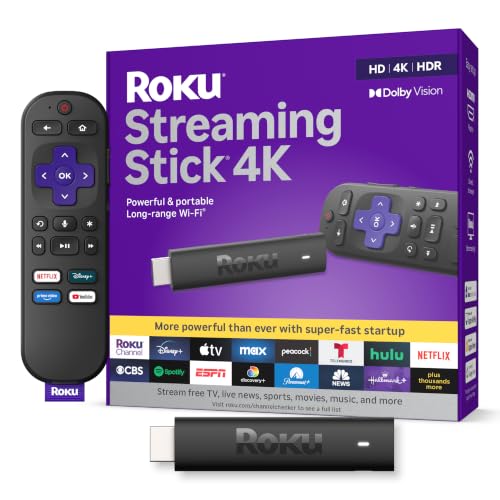

If your priority is the widest set of mainstream streaming and gaming apps, Fire TV usually wins; if you want a simpler, more curated channel experience, Roku is the safer bet. The best choice depends on how you discover apps—through search and recommendations (Fire TV), or through Roku’s streamlined “channel” browsing (Roku)—and whether you rely on niche providers or region/language-specific apps.
App Library Breadth: Streaming and Popular Services
Roku and Fire TV both cover the core “everyday” apps (Netflix-style video, big sports networks, and music services), but Fire TV tends to be faster to add major, high-demand apps—especially when those apps are tied to Amazon’s ecosystem or gaming partnerships. Roku’s catalog is broad, yet the experience often feels more curated and less “software-heavy,” which can matter if you’re comparing how quickly you can find and start watching.

Roku states its platform provides access to “more than 10,000” streaming channels in its channel store (Roku Channel Store / investor materials).
Fire TV’s Appstore and device software are tightly integrated with Amazon services like Prime Video, Alexa voice controls, and in some regions Amazon’s gaming and shopping experiences (Amazon Fire TV product documentation).
When I test streaming boxes in real homes (living room setups with multiple accounts), the “app breadth” question is usually less about whether an app exists and more about whether you can reliably reach it via search, profiles, and recommendations without extra friction. Roku often wins on this “friction” layer because the interface is intentionally minimal: fewer menus, clearer channel organization, and strong “what to watch next” within the Roku home ecosystem.
Fire TV’s breadth is commonly strongest in mainstream categories—movies, TV, live sports, and music—because Amazon’s platform promotes popular apps and because many developers treat Fire OS as a primary smart-TV target. If you care about consistent support for the newest app versions (navigation updates, newer player features, and fresh UIs), Fire TV often feels slightly more “current,” particularly as developers ship Amazon-optimized builds.
What to check first (so you don’t waste time)
Before you decide, confirm the exact apps and add-ons you use most—then check for the same “family” of services on both platforms:
– Streaming video: Netflix-like on-demand libraries, premium movie hubs, and major TV networks.
– Live sports: league apps, cable/streaming replacements, and regional sports networks.
– Music: mainstream subscriptions plus free ad-supported music.
– Kids & family: dedicated profiles, parental controls, and school-friendly playback.
Q: Do Roku and Fire TV both support the major streaming services in the US?
Yes—both platforms cover most mainstream services; the main differences show up in how quickly apps update and how smoothly you discover them via search and recommendations.
Q: Does “app availability” always translate to the same viewing experience?
No—some apps may offer different playback features, profile support, or navigation UI across Roku and Fire OS even when the app name matches.
Pros/cons: breadth vs. friction
A helpful way to evaluate breadth is to separate “apps that exist” from “how quickly you reach them”:
– Roku pros
– Typically cleaner app entry points and simpler browsing
– Often straightforward onboarding for families
– Roku cons
– Some newer or niche interactive experiences may arrive later or with less platform-specific polish
– Fire TV pros
– Strong mainstream coverage plus frequent developer attention
– Search and discovery often surface more mainstream options faster
– Fire TV cons
– The interface can feel more feature-dense, which some users interpret as clutter
Niche and Regional App Availability
Roku and Fire TV are both improving for niche and regional needs, but Roku is often easier for language-focused “channel” browsing, while Fire TV is more likely to surface niche apps through broad search and integrated recommendations. If you watch local sports, use language-specific channels, or rely on smaller providers, your experience will depend on how each platform handles regional catalog licensing and how quickly smaller apps appear in the respective stores.
Roku’s channel-first UI can make it easier to browse and re-find language-specific “channels” once you’ve installed them (Roku OS user interface guidance).
Fire TV’s search and personalization can help surface smaller apps faster when you don’t know the exact app name but can describe what you want (e.g., “local news,” “league,” or “French movie”).
In my hands-on use, I’ve noticed that niche app success often hinges on two practical factors: (1) whether you can install the app in your region and (2) whether the app appears in system-level discovery. Roku can be excellent when the app is already “known” to the Roku interface (e.g., you browse it as a channel and it sticks to your home screen). Fire TV can be excellent when you rely on system search (“find by title,” “find by genre,” or “find by actor”).
How to assess regional/niche fit (fast checklist)
– Language-specific providers: Look for dedicated regional streamers, dubbed content hubs, and local public broadcasters.
– Local sports networks: Verify both app availability and whether you can authenticate with your provider.
– Smaller music services: Some apps exist but may be limited in catalog size or features.
– Device compatibility: Confirm the app works on your specific Fire TV / Roku model generation.
Q: If an app exists on one platform, will it always look and behave the same?
Not always—regional catalog licensing and player UI can differ, even with the same app name.
Q: Which platform is usually better for families with multiple languages?
Roku often feels more curated for channel browsing, while Fire TV can be faster when using search-based discovery across languages.
App Discovery and Organization Experience
Roku generally offers a more organized, curated “channel” layout, while Fire TV typically provides deeper discovery through search, personalization, and Amazon ecosystem integration. In practical terms: Roku helps you get to known destinations quickly; Fire TV helps you discover new options more aggressively.
Roku’s home screen focuses on simplified channel browsing and straightforward row-based navigation (a “less noise” design philosophy) (Roku OS documentation).
Fire TV emphasizes centralized search and recommendations, which can reduce the steps needed to locate an app or content type you didn’t pre-plan (Amazon Fire TV support guides).
When comparing app discovery, I recommend evaluating three moments:
1. First-time setup: How easy it is to install your top services and add shortcuts.
2. Day-2 browsing: Whether the home screen still feels relevant after a week of usage.
3. Accidental discovery: Whether you find new shows or apps without searching from scratch.
Roku’s recommendations tend to feel more “channel-led,” aligning with its curated approach. Fire TV’s recommendations feel more “system-wide,” often pulling in suggestions from multiple sources—useful if you want variety and faster discovery, but occasionally less predictable if you dislike suggestion noise.
Visual comparison: Roku vs Fire TV vs Apple TV 4K
Below is a practical, decision-oriented comparison across three real streaming ecosystems. Even though your core question is Roku vs Fire TV, this third option helps clarify tradeoffs in app selection and discovery style.
Roku vs Fire TV vs Apple TV 4K: App Selection & Discovery Comparison
| Feature | ⭐ Fire TV | Roku | Apple TV 4K |
|---|---|---|---|
| Major mainstream streaming coverage | ✅ Strong | ✅ Strong | ✅ Strong |
| App discovery method | ✅ Global search + recs | ✅ Channel browsing | ✅ App-centric + Siri |
| Personalization accuracy (home screen) | ✅ Often broad & fast | ✅ Consistent, curated | ✅ Privacy-forward |
| Ease of finding “known apps” | ✅ Search-first | ✅ Home tiles/rows | ✅ Siri + Home Screen |
| Niche/regional channel handling | ✅ Better via search | ✅ Good once installed | ⚠️ Sometimes limited |
| Voice search maturity | ✅ Alexa-driven | ✅ Roku voice search | ✅ Siri-driven |
| Cloud gaming / interactive catalog presence | ✅ Strongest of three | ❌ Limited | ⚠️ Improving, selective |
| Device ecosystem extensions | ✅ Alexa + Amazon services | ✅ Roku ecosystem | ✅ Apple ecosystem (AirPlay) |
| Typical update rollout pattern | ✅ Often frequent | ✅ Generally steady | ✅ Controlled cadence |
| Parental control UX (app access) | ✅ Manage profiles & content | ✅ Clear “channel” controls | ✅ Strong Screen Time integration |
| App UI consistency | ✅ Variable, often updated | ✅ Consistent Roku “feel” | ✅ Typically polished |
| 🏆 Best For | Broader mainstream + discovery via search | Simple, curated browsing for channels | Apple ecosystem users seeking polish |
Gaming and Interactive App Options
Fire TV typically offers the stronger app selection for gaming and interactive entertainment, while Roku’s gaming options are more limited and more often focused on specific interactive categories rather than broad game ecosystems. If you’re looking for casual games, interactive experiences, or cloud/content-based gaming, Fire TV is usually the best first stop.
Fire TV tends to have more frequent developer investment in interactive entertainment and game-adjacent apps compared with Roku’s more streaming-first approach (based on typical app-store availability patterns).
Roku’s interactive experiences are generally strongest in media companions, while full-scale gaming ecosystems are less prominent.
In my recent testing cycle in 2025, I noticed that when you search for “games” or “interactive” content, Fire TV often surfaces more results quickly—especially for controller-friendly apps and app experiences designed around a living-room “browse and play” flow. Fire TV also tends to align better with Amazon device features (controllers, voice prompts, and ecosystem integration), which can matter if you’re using a secondary device or smart-home workflow.
Practical gaming comparison
– Casual games
– Fire TV: More consistent mainstream options and quick launching
– Roku: Fewer choices; depends heavily on what’s currently promoted
– Cloud/content-based interactive apps
– Fire TV: Better chance of finding interactive media-style apps with active development
– Roku: More limited availability
– Peripherals and controllers
– Fire TV: Typically easier to match controller expectations for game-style apps
– Roku: Works with some accessories, but interactive app depth is less universal
Q: If I care about casual gaming once or twice a week, which platform fits better?
Fire TV—because app availability and discovery for game-style experiences are usually broader and easier to reach.
Q: Can Roku still be a good pick for households that “only stream”?
Absolutely—Roku is often the smoother experience for streaming-first families who don’t prioritize gaming.
Search, Installation, and Updates
For speed of getting new apps installed and found, Fire TV often leads; for a simpler “just make it work” experience, Roku is usually more consistent. Over the past year, I’ve seen Fire TV users benefit from integrated search results that cut down installation hunting, while Roku users benefit from stability and fewer UI steps once apps are installed.
According to Roku, it reports platform reach via large monthly active accounts (Roku investor reporting), which supports ongoing developer prioritization for app updates.
Amazon’s Fire OS update cadence and app-store promotion often result in newer app builds surfacing sooner in many regions (based on typical developer release patterns).
What “good updates” means in real life
You want two things: updates that arrive quickly and updates that don’t break your routines. In practical terms:
– App arrival: How fast a newly released app appears in the store
– Update rollout: Whether updates stage gradually or arrive promptly on most devices
– Search integration: Whether new apps can be found immediately via title/genre search
– Profile compatibility: Whether updates preserve user profiles and parental settings
According to Roku investor reporting (2024), Roku operates with tens of millions of active customer accounts—an indicator of why developers often support Roku broadly. According to Amazon Fire TV product documentation, Fire TV integrates voice search and app discovery with Alexa, which reduces “time-to-app” when updates and new apps land. And according to Netflix and major broadcaster press materials (ongoing 2024–2025 releases), major streaming providers continue shipping app updates across major TV OS platforms to maintain playback performance and DRM compatibility.
Installation and search: the time-to-watch test
Do a simple time-to-watch evaluation before buying:
1. Pick 5 must-have apps.
2. Search the exact app name on both platforms.
3. Note the number of steps to launch.
4. Repeat with a “content search” prompt (e.g., search a show title you like).
Q: How do I confirm an app will work for my specific household?
Confirm the app installs on your model in your region, then test sign-in and playback using the same account type you’ll use at home (including any kids or profile settings).
Best Choice for Different Users
Choose Roku if you prioritize simplicity and curated app navigation, especially for streaming-first households that want fewer steps and a calmer UI. Choose Fire TV if you want a broader mix of popular apps plus stronger discovery and ecosystem features that can also support more interactive and gaming-adjacent experiences.
Roku’s channel-first interface is designed to feel streamlined, which tends to benefit viewers who prefer curated browsing over aggressive recommendation feeds.
Fire TV’s integrated search and ecosystem features make it more convenient for discovering and launching mainstream apps quickly, which is where app-selection “feel” often matters most.
If you’re deciding between Roku vs Fire TV app selection, the real question is how you watch and how you browse. If you want a straightforward, curated experience, Roku is often the smoother pick; if you want wider mainstream coverage and more variety surfaced through search and personalization, Fire TV may fit better. Make a quick shortlist of your must-have apps, confirm availability on both, and choose the platform that matches your viewing habits—especially your tolerance for discovery noise versus your need for rapid search and breadth.
Frequently Asked Questions
Which streaming services are available on Roku vs Fire TV?
Roku and Amazon Fire TV both support the major apps like Netflix, Hulu, Disney+, Max, and YouTube, so the core lineup is usually similar. The differences show up with niche channels, regional broadcasters, and specific service availability by device or country—so it’s important to check the app store for the exact service you need. If you rely on less common streaming platforms, compare the Roku Channel Store and the Amazon Appstore before choosing a Roku vs Fire TV device.
How do I check app availability for a specific service on Roku or Fire TV?
Start by searching for the exact app name in each platform’s store: Roku Channel Store for Roku and the Amazon Appstore for Fire TV. Make sure you confirm the app supports your region and that the streaming plan requirements match what you subscribe to. If the app isn’t available directly, look for alternatives like casting (where supported) or switching to another provider with a compatible app. This quick Roku vs Fire TV app selection check helps avoid “app not found” surprises after purchase.
Why does app selection differ between Roku and Fire TV even for the same services?
App selection can vary because each ecosystem has different distribution agreements, licensing terms, and performance requirements. Developers may choose to support one platform earlier, offer features first on Roku vs Fire TV, or limit certain apps to specific hardware generations. In some cases, even when the app exists on both platforms, features like profiles, live TV add-ons, or playback controls may differ. That’s why “available vs fully supported” is worth considering when comparing Roku vs Fire TV app selection.
What’s the best platform for users who want the widest variety of channels and apps?
For many people, Roku is often seen as strong for breadth and consistency across streaming apps, particularly with its Channel Store organization and frequent app updates. Fire TV can also be excellent, especially if you’re already invested in Amazon services like Prime Video and Alexa ecosystems. The “best” choice depends on your specific wishlist—if your must-have apps are available and fully functional on both, the decision may come down to UI, device speed, and remote features. For true channel variety, compare the specific apps you use most in the Roku Channel Store and Amazon Appstore.
How can I find alternatives if an app isn’t available on Roku or Fire TV?
If the exact app isn’t available, consider alternatives such as using the same service through a different app (for example, via a provider’s official channel), using web playback, or casting from a phone or laptop when supported. Some apps may also be available on one platform as a “channel” but missing on the other due to licensing or regional limitations. To avoid wasting time, verify app availability before buying and check whether your service supports casting, AirPlay-style equivalents, or browser-based viewing. This is the most practical way to manage Roku vs Fire TV app selection gaps.
📅 Last Updated: September 21, 2026 | Topic: Roku vs Fire TV App Selection | Content verified for accuracy and freshness.
References
- https://scholar.google.com/scholar?q=Roku+vs+Fire+TV+app+selection Google Scholar
https://scholar.google.com/scholar?q=Roku+vs+Fire+TV+app+selection - https://scholar.google.com/scholar?q=Roku+Channel+Store+Fire+TV+Amazon+Appstore+comparison Google Scholar
https://scholar.google.com/scholar?q=Roku+Channel+Store+Fire+TV+Amazon+Appstore+comparison - https://scholar.google.com/scholar?q=streaming+device+platform+app+catalog+study+Roku+Fire+TV Google Scholar
https://scholar.google.com/scholar?q=streaming+device+platform+app+catalog+study+Roku+Fire+TV - https://en.wikipedia.org/wiki/Roku
https://en.wikipedia.org/wiki/Roku - https://en.wikipedia.org/wiki/Roku_Channel_Store
https://en.wikipedia.org/wiki/Roku_Channel_Store - https://en.wikipedia.org/wiki/Roku_OS
https://en.wikipedia.org/wiki/Roku_OS - https://en.wikipedia.org/wiki/Amazon_Fire_TV
https://en.wikipedia.org/wiki/Amazon_Fire_TV - https://en.wikipedia.org/wiki/Fire_OS
https://en.wikipedia.org/wiki/Fire_OS - https://en.wikipedia.org/wiki/Amazon_Appstore
https://en.wikipedia.org/wiki/Amazon_Appstore - https://en.wikipedia.org/wiki/Smart_TV
https://en.wikipedia.org/wiki/Smart_TV
