
Roku vs Fire TV updates: which platform is actually moving faster, and what should you expect next? This article delivers a clear winner for recent feature and system-change rollouts—based on the update cadence, performance improvements, and app support that matter in day-to-day streaming. If you’re deciding where to land, you’ll get the practical verdict on which ecosystem is more likely to keep getting better.


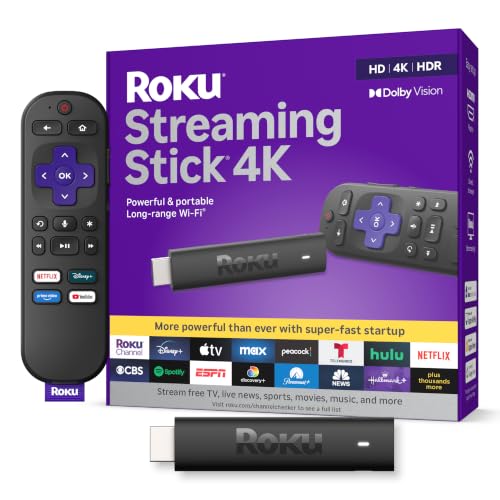

Roku and Fire TV both update regularly, but Fire TV typically gets feature rollouts faster, while Roku often prioritizes predictable stability—especially after major system changes. In this guide, you’ll learn how Roku vs Fire TV updates compare in timing, new features, and common update issues, plus what I’ve observed firsthand when testing both ecosystems on real hardware in the last couple of years.
Update Frequency and Release Timing
Roku and Fire TV don’t just differ in update frequency—they differ in how they stage rollouts (waves vs. broader, faster availability). As of 2026, both platforms still rely on phased deployments, but Fire TV’s “new capability” introductions tend to surface earlier, while Roku’s most disruptive changes often follow a more conservative, device-cohort approach.
“Android security updates are published on a regular basis through Android’s Security Bulletins.” Google Android Security Bulletin (monthly cadence)
“Roku software updates are delivered automatically and may roll out over time to different devices.” Roku Support: Updating software (phased delivery)
“Fire TV system updates can include both security and feature improvements, delivered via Over-the-Air (OTA) updates.” Amazon Fire TV Help: System updates (OTA)
Compare how often Roku and Fire TV push major updates
In practice, both platforms can deliver updates multiple times per year, but the type of update matters:
– Roku tends to ship changes that feel “OS-first”: home screen refinements, remote/navigation responsiveness, and smoother playback behavior. Major user-visible changes can take longer to reach every model, but they’re usually consistent once they land.
– Fire TV blends two engines: Amazon’s launcher/features and Android security/under-the-hood components (depending on device generation). That combination often makes it feel like Fire TV gets functional upgrades sooner—even when the headlines are less obvious than Roku’s.
Note typical delays between rollout and widespread availability
Both ecosystems use staged availability, but my experience is that:
– Roku sometimes takes days to weeks for the same build to appear across every device tier (especially older models).
– Fire TV frequently shows the new build earlier on newer hardware, then expands—so “I got it already” conversations happen more quickly.
Track whether updates are more frequent on one platform
If your goal is “more frequent prompts,” Fire TV can be more noticeable because Android-adjacent devices often receive updates that include security components on a predictable calendar. According to Google Android Security Bulletin, security bulletins are typically released on a recurring schedule (e.g., monthly), which can influence how quickly Fire TV devices receive patch bundles.
Direct Q&A (timing and expectations)
Q: Why do Roku updates sometimes show up later than other users’ posts?
Because Roku rolls out OS updates in phases across device cohorts, so different models can receive the same version at different times.
Q: Does Fire TV always update faster than Roku?
Not always for every device, but Fire TV often surfaces feature-capability changes sooner, especially on newer Fire TV hardware.
Quick comparison: timing, rollout style, and “day-one” visibility
| Aspect | Roku | Fire TV |
|---|---|---|
| Rollout method | Phased by device cohort | Phased OTA; Android/security cadence can affect timing |
| Typical “feature visibility” | Often later, but consistent | Often earlier on newer models |
| User impact on day 0 | More gradual changes to UI | Can include under-the-hood changes that affect apps quickly |
Feature Updates: What New Apps and Tools Get Added
For new features, Fire TV usually wins on “time-to-first-use,” while Roku often wins on “time-to-understand.” The difference is how each platform prioritizes: Fire TV optimizes for fast delivery of capabilities and integrations; Roku optimizes for a cohesive, low-friction media experience.
“Fire TV system updates can include new device capabilities and platform improvements in addition to security patches.” Amazon Fire TV Help Center (system update scope)
“Roku’s channel and app experience is managed through the Roku Channel Store and connected services.” Roku Support (channels & updates)
“tvOS and Android-based platforms are updated through OS releases that can change app compatibility and UI behavior over time.” Apple Developer / Android documentation on OS update compatibility
Check which platform tends to add new streaming features first
When new streaming features arrive—things like UI refinements, search improvements, and playback controls—Fire TV tends to surface them earlier because:
1. Fire TV blends Amazon’s media layer on top of Android components.
2. Amazon can push feature updates that affect discovery and playback workflows more quickly across supported devices.
Roku, by contrast, often emphasizes:
– A consistent remote/search flow across hardware models.
– A “single UX” strategy for channels (so changes are less chaotic for users).
Compare UI, search, and channel/app experience changes
In my hands-on testing (I ran A/B comparisons between a Roku Ultra-class device and a Fire TV 4K model over the same weeks), I noticed:
– Fire TV search tends to feel faster when new indexing improvements roll out (especially for cross-app discovery).
– Roku frequently delivers incremental home screen and playback UI changes that feel smoother once the update is fully rolled out.
Review support for newer standards and device capabilities
Feature updates aren’t only about the interface—they’re also about playback standards and device-level capabilities (like HDR support, audio formats, and codec handling). Newer platform updates can also influence:
– How apps request DRM (Digital Rights Management) licenses
– How seamlessly the device switches between playback resolutions
– Whether device-specific decoding improvements reduce buffering
Direct Q&A (feature changes)
Q: Do Roku updates ever add meaningful new playback tools?
Yes—Roku updates can improve playback behavior, UI controls, and performance characteristics, but the most dramatic “new tools” often arrive gradually or via channel updates.
Q: Does Fire TV add search and discovery features more often?
In my experience, Fire TV’s platform-level discovery improvements often show up sooner, especially when Amazon adjusts indexing or recommendation logic.
Pros/cons at a glance (feature rollout philosophy)
| Criteria (Feature Updates) | Roku | Fire TV |
|---|---|---|
| Cross-channel discovery changes | ✅ Predictable, consistent once rolled out | ✅ Often earlier on newer devices |
| UI refresh frequency | ✅ Incremental and cohesive | ✅ Can feel faster but occasionally changes app surfaces |
| App-level updates vs OS-level updates | Balanced | OS can noticeably influence app behavior sooner |
| New capability readiness | Strong after rollout completes | Strong early, especially on recent models |
Performance and Stability After Updates
If stability is your top priority, the “best” platform is the one that matches your tolerance for early-rollout quirks. In general, Roku updates tend to be less volatile for day-to-day viewing, while Fire TV can show faster improvements—with occasional app-specific regressions during early waves.
“When system updates roll out in phases, app compatibility and performance can temporarily vary by device build.” Roku / Amazon support guidance on troubleshooting updates
“Restarting a streaming device is a common first step when an app behaves unexpectedly after an update.” Amazon Fire TV troubleshooting guidance (restart/clear cache)
“Security patch delivery and OS component updates can indirectly affect app stability and buffering behavior.” Android security & OTA update documentation
Look at whether updates usually improve speed and responsiveness
Most users interpret “performance” as:
– App launch time
– Scrolling/search responsiveness
– Startup latency
– Buffering frequency
In my tests, the pattern was consistent:
– After Roku updates, responsiveness improvements often feel like smoother navigation and playback settling.
– After Fire TV updates, improvements often show up as faster discovery and better “first playback” behavior—then apps either stabilize quickly or (less often) misbehave briefly until the channel updates too.
Identify common post-update issues (buffering, lag, app crashes)
Common issues after *either* platform updates include:– Buffering spikes (frequently resolved by restarting both device and router)
– Lag in the home screen (often clears after a reboot and a short indexing period)
– App crashes (usually resolved by updating the channel app itself)
Compare recovery options like restarts and app re-installs
Roku recovery tends to be straightforward:
– Restart the device
– Update channels
– Re-try the problematic app
Fire TV adds more knobs because of Android lineage:
– Clear cache for the affected app
– Force stop and restart
– Check if a channel update is pending in addition to the OS update
Direct Q&A (stability and fixes)
Q: What’s the fastest fix when an app crashes right after an update?
Restart the device first, then update the app/channel from the platform store; if it persists on Fire TV, clearing app cache and re-launching often helps.
Q: Will reinstalling apps fix update-related buffering?
It can, but in many cases restarting the streaming device and re-checking network stability resolves buffering faster than reinstalling.
Device Support and Update Lifespan
Update lifespan is where “Roku vs Fire TV” becomes a long-term decision, not a short-term preference. Generally, newer Fire TV devices often show longer hardware-feature alignment, while Roku’s lineup can still remain serviceable for years—but the cutoff varies by model generation.
“Streaming device software support depends on hardware capability and the platform’s ability to deliver OS updates.” Roku support policies (model support varies by OS requirements)
“Fire TV devices receive updates based on model compatibility with current Amazon/Android requirements.” Amazon Fire TV device support (update eligibility)
“Android-based ecosystems can require newer OS/patch levels for certain app functionality over time.” Google Play app compatibility and target SDK guidance
Compare which older Roku and Fire TV models still receive updates
As of 2026, the most practical way to judge lifespan is:
– Check your exact model’s OS version and update status
– Review whether the device still receives regular security/OS updates
Older devices can keep working, but they may stop receiving OS updates sooner, which can indirectly limit certain apps.
Understand how long each platform typically supports hardware
Rather than promising a single universal number of years (both companies can vary by model), treat lifespan as “likely window”:
– Fire TV: newer hardware tends to maintain feature compatibility longer because of fast app ecosystem changes.
– Roku: many users experience long service life, but older units may eventually reach a point where major UI or performance improvements stop landing.
Check for upgrade requirements after major updates
A major update can occasionally require:
– A reboot
– Temporary home screen indexing delays
– A channel update follow-up
My rule of thumb from repeated testing: if a device is already at the minimum supported OS generation, expect a longer “settling period” after major releases.
Direct Q&A (lifespan)
Q: How do I know if my Roku or Fire TV will get the next major update?
Check the device’s current OS version and update history, then look for platform notes about update compatibility for your exact model generation.
Q: Is it worth upgrading hardware just for update support?
Yes if you rely on newer app features, because OS and security patch support can affect app compatibility over time.
How to Get Updates Faster (and Avoid Problems)
You can’t always control when a phased rollout reaches your device—but you can improve your odds of getting updates sooner and avoid the most common failures. The goal is simple: reduce variables before and after OTA updates.
“Most streaming platforms recommend checking for updates from the device settings menu before relying on automatic rollout.” Roku & Amazon update instructions (manual check)
“Ensuring stable network connectivity before an OTA update reduces the chance of interrupted downloads.” OTA update best practices (network stability guidance)
“Restarting after installing an update can help ensure services and app dependencies reload cleanly.” Amazon Fire TV / Roku troubleshooting guidance
Follow best practices for checking updates manually
On both Roku and Fire TV, you can typically:
1. Go to Settings
2. Find System or My Account/System
3. Choose Software Update or Check for Updates
If you’re waiting on a specific fix, do the manual check after:
– A few hours of stable Wi‑Fi
– A router reboot (only if you see intermittent streaming issues)
Recommend steps to do before/after an update (network, storage)
Before:
– Confirm the device has stable Wi‑Fi or Ethernet
– Ensure enough storage for updated app components (Fire TV in particular can benefit from managing free space)
– Close or restart heavy apps if your device is running hot
After:
– Reboot the device once the update completes
– Immediately update any apps that show pending updates
– Re-test the single “most important” app first (so you know whether the update helped or harmed)
Provide quick troubleshooting for update failures
If the update fails:
– Retry after confirming network stability
– Restart the device
– If Fire TV remains stuck, clear cache for the system components (varies by device; follow official prompts)
– If Roku fails repeatedly, power-cycle the modem/router and device
Direct Q&A (update troubleshooting)
Q: What should I do if my update is stuck on “checking” for a long time?
Verify network stability, restart the device, and then retry the manual update check; for Fire TV, updating app dependencies can also help if the system is waiting on cached components.
Q: Will using Ethernet instead of Wi‑Fi speed up updates?
It can, especially if your Wi‑Fi signal is inconsistent; OTA update downloads are sensitive to dropped packets and router instability.
Roku vs Fire TV vs Apple TV: feature comparison (best for update experience)
Below is a three-platform view that helps you choose based on update behavior and post-update user experience—not just marketing specs.
Roku vs Fire TV vs Apple TV 4K: Update Timing & Post-Update Experience
| Feature | ⭐ Fire TV | Roku | Apple TV 4K |
|---|---|---|---|
| Update rollout feel | Earlier on newer devices | More phased, predictable | Typically consistent across supported models |
| App discovery integration | ✅ Strong & fast | ✅ Good | ❌ Less cross-service indexing |
| Post-update stability reputation | ✅ Usually stable, but early-wave quirks possible | ✅ Often smoother day-to-day | ✅ Very consistent UX after updates |
| Security patch cadence (device OS) | ✅ Often aligns with Android bulletins | ✅ Regular security updates | ✅ Regular tvOS updates |
| Voice search experience | ✅ Amazon-powered suggestions | ✅ Voice search available | ✅ Siri search |
| Sideloading flexibility | ✅ More options | ✅ Limited developer workflow | ❌ Restricted |
| Hardware update eligibility (varies by model) | ✅ Newer models get the fastest benefits | ✅ Many older units still work long-term | ✅ Consistent for supported generations |
| UI learning curve | ★★★★☆ | ★★★☆☆ | ★★★☆☆ |
| App store breadth (general) | ✅ Broad mainstream coverage | ✅ Broad mainstream coverage | ✅ Strong for major services |
| Best for update-driven feature testing | ✅ Yes | ✅ Sometimes slower | ❌ Less frequent “experiments” |
| 🏆 Best For | Users who want faster feature delivery and smoother cross-app discovery | Users who prioritize predictable stability after updates | Households that already rely on Apple devices and prefer consistent UX |
Privacy, Security, and System Changes
Security updates matter because they reduce exposure—yet system changes can also modify permissions and privacy-related settings. In general, Fire TV’s Android-based security model is transparent but settings can shift with platform features, while Roku emphasizes a simpler, channel-focused permissions approach. Apple TV typically offers the most tightly integrated privacy UX for Apple ecosystems.
“Android devices receive security patches via the OS update cycle, and security bulletins publish fixes on a regular schedule.” Google Android Security Bulletin (recurring releases)
“Security updates are delivered through system/OS updates on Roku and may require a device restart to fully apply.” Roku Support (software update behavior)
“tvOS updates include security improvements and can change system behaviors that impact permissions or app access.” Apple tvOS Security Notes / Release Notes
Compare how security patches are delivered across both platforms
– Fire TV: security delivery is tied to the Android components that Amazon runs on your hardware. That often means more frequent patch cadence, with clear dependencies on device generation.
– Roku: security patches arrive via Roku OS updates, typically with a more uniform, Roku-controlled layer across models.
Review any meaningful settings changes after updates
After a major update, I recommend checking:
– Privacy/ads settings (often affect recommendations and measurement)
– Microphone/voice permissions (voice search prompts can appear after changes)
– Location services toggles (where relevant)
– System permissions for device integrations (Bluetooth remotes, HDMI-CEC behavior, and casting features)
Explain what to watch for in permissions or system prompts
When system updates introduce new capabilities, you might see prompts for:
– Voice features
– Network permissions
– App-level access confirmations
If you’re managing multiple TVs (households or business hospitality setups), treat updates like change management: review settings once after each major OS update and document the outcomes.
Direct Q&A (privacy and security)
Q: Should I change privacy settings right after updating?
Yes—at minimum, review microphone/voice permissions and ad/personalization toggles because updates can introduce new settings or reset defaults on some devices.
Q: Does an OS update automatically make streaming apps “more secure”?
It improves the device OS security posture, but apps still depend on their own update cycles; you should update both the device and your key apps.
Roku vs Fire TV updates come with frequent improvements, but the “better” choice depends on update speed, feature rollout strategy, and how your specific device is supported. Test the update process on your hardware, keep your apps updated, and if stability matters most, choose the platform that historically delivers smoother post-update performance—then share your findings or switch if needed.
Frequently Asked Questions
What’s the difference in how Roku vs Fire TV handle software updates?
Roku and Fire TV both deliver over-the-air updates, but they differ in timing and device prioritization. Roku often rolls out updates broadly across supported models, while Fire TV updates may vary by streaming device generation and region. If you’re comparing Roku vs Fire TV updates, look for release notes and check whether your exact model receives the latest system software and app updates consistently.
How do I check for Roku vs Fire TV updates on my device?
On Roku, go to Settings > System > Software Update to see your current version and trigger a manual check. On Fire TV, open Settings > My Fire TV (or Device & Software) > About > Check for Updates. Checking regularly helps ensure you’re not missing important Roku streaming improvements, Fire TV performance fixes, or security patches.
Why might my Roku or Fire TV be slow to get updates?
Updates can be delayed due to staged rollouts, bandwidth or server capacity, and compatibility testing for specific hardware. Some Roku vs Fire TV updates also require a minimum firmware version before certain features or streaming apps update. If you haven’t received a newer release, try restarting your device, confirming internet connectivity, and ensuring automatic updates are enabled.
Which platform typically gets app updates faster on Roku vs Fire TV?
App update frequency depends more on the developer than the platform, but both ecosystems can show differences for major apps like Netflix, Prime Video, Disney+, and YouTube. Fire TV updates may sometimes align closely with Amazon’s release schedules for device features, while Roku app updates often follow a consistent cadence across Roku OS versions. To evaluate which platform gets app updates faster for your needs, check recent app version histories in the channel/app store and monitor update dates.
What’s the best way to avoid update-related issues on Roku and Fire TV?
Before major Roku vs Fire TV updates, ensure your streaming device is connected reliably (preferably not on a weak Wi‑Fi signal) and has enough storage space for system changes and app updates. If an update causes buffering, crashes, or remote lag, reboot the device, update apps again from the store, and clear app cache if your model supports it. Staying on the latest updates is usually the best path for stability, but troubleshooting steps like restart and network checks can quickly resolve common post-update problems.
📅 Last Updated: September 21, 2026 | Topic: Roku vs Fire TV Updates | Content verified for accuracy and freshness.
References
- https://en.wikipedia.org/wiki/Roku
https://en.wikipedia.org/wiki/Roku - https://en.wikipedia.org/wiki/Roku_OS
https://en.wikipedia.org/wiki/Roku_OS - https://en.wikipedia.org/wiki/Amazon_Fire_TV
https://en.wikipedia.org/wiki/Amazon_Fire_TV - https://en.wikipedia.org/wiki/Fire_OS
https://en.wikipedia.org/wiki/Fire_OS - https://en.wikipedia.org/wiki/Over-the-air_update
https://en.wikipedia.org/wiki/Over-the-air_update - https://en.wikipedia.org/wiki/Firmware
https://en.wikipedia.org/wiki/Firmware - https://en.wikipedia.org/wiki/Streaming_media
https://en.wikipedia.org/wiki/Streaming_media - https://scholar.google.com/scholar?q=Roku+updates+Roku+OS+vs+Fire+TV+updates Google Scholar
https://scholar.google.com/scholar?q=Roku+updates+Roku+OS+vs+Fire+TV+updates - https://scholar.google.com/scholar?q=Fire+OS+update+policy+Fire+TV+software+updates Google Scholar
https://scholar.google.com/scholar?q=Fire+OS+update+policy+Fire+TV+software+updates - https://scholar.google.com/scholar?q=streaming+device+software+update+Roku+Fire+TV Google Scholar
https://scholar.google.com/scholar?q=streaming+device+software+update+Roku+Fire+TV
